
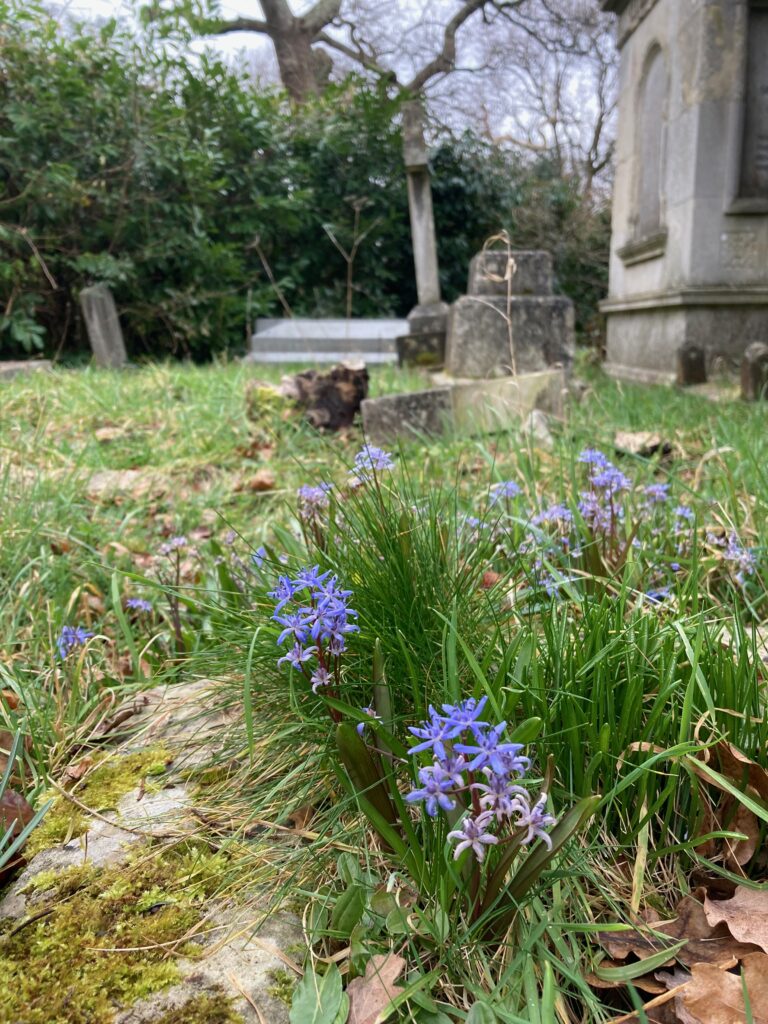
The Old Cemetery is a particular joy in spring, with flowers bursting out between the graves and the paths firm and dry. No matter which path I take, there are things to see, both new and old. The names on some graves feel like old friends because I see them so often. Others, I notice for the first time, and their stories intrigue me. Many are personal, but others are entwined with the story of Southampton. The Moon family grave is one of these.

Edwin George Wade Moon and Catherine Esther Butt lived on Cranbury Avenue in Southampton and owned a boat-building business operating from the Woolhouse. Here, they built motor launches, wrought iron propellers and marine engines. Inspired by the Wright brothers’ flight in 1903, their son, Edwin Rowland Moon, took over a corner of the workshop to build his own aeroplane. His old workshop is now a rather wonderful place to eat, filled with historic artefacts. In 2015, I had lunch there with a friend and took lots of photos.

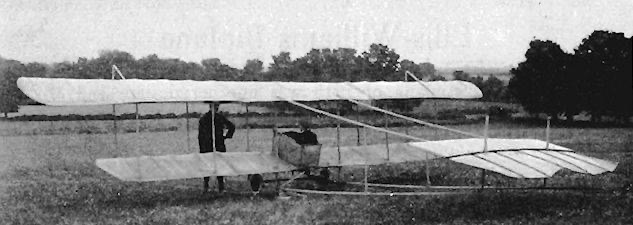
Edwin’s first design, Moonbeam, was not a resounding success. He tested her in Fawley, near the home of this wife-to-be, Isobel Madeline Waldron, and again on Websters Field at Ower Farm, where he took off briefly. After more test flights near Calshot and at Moulands Field, Regents Park, he set to work building a second plane using the lessons he’d learned from the first.

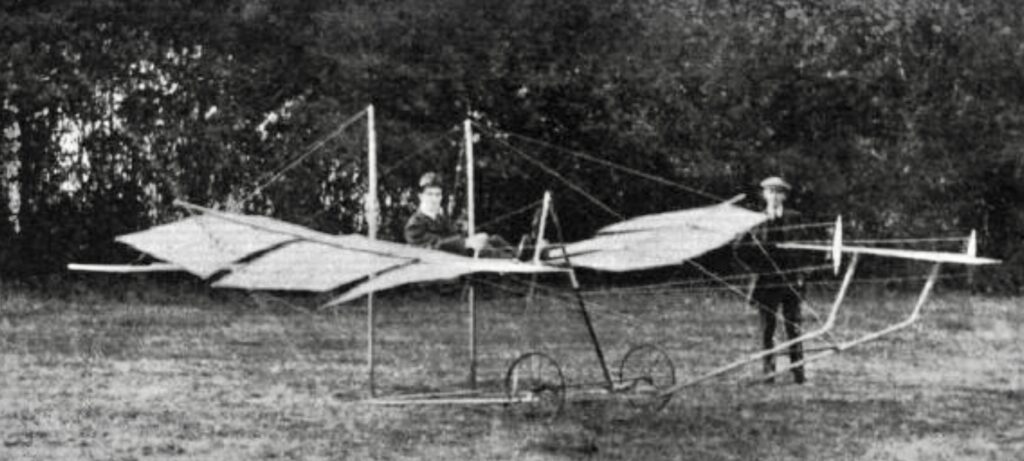
Moonbeam II was completed in 1910, when Edwin was just twenty-four. Unlike the Wright brother’s plane, she was a monoplane. She weighed 260 lbs and was powered by a V-4 J.A.P. Engine producing 20 horsepower. The engine and six-foot wooden propellor weighed 160 lbs. Edwin took his new plane to North Stoneham Farm on a horse-drawn cart for his first test flight. The date is unknown, but it is believed to have been between 12 April and 11 June 1910.

Edwin Moon regularly flew Moonbeam from North Stoneham Farm and he seems to have started a bit of a trend. On 2 April 1911, a French pilot, Maurice Tetard, stopped on the field to make some adjustments to his plane on a journey from Brooklands to Larkhill. He attracted a large and inquisitive crowd. An apprentice at the nearby carriage works, R H Eggleton, also became caught up in the aviation madness. He built a total of eleven gliders and tested them on the Eastleigh North End fields. Between 1913 and 1914, he made more than a hundred successful flights.

In 1914, Edwin gained his aviator’s certificate, and when the war started, he enlisted in the Royal Naval Air Service with the rank of flight sub-lieutenant. The war office requisitioned the fields he had so joyfully flown from to use as an Aircraft Acceptance Park, and the base was later given to the US Navy to develop an assembly area. It was called NAS Eastleigh. The Royal Flying Corps had already started to build hangars, but more were built. Eventually, around four thousand officers and men were billeted at the camp in tents and huts beside the railway line.
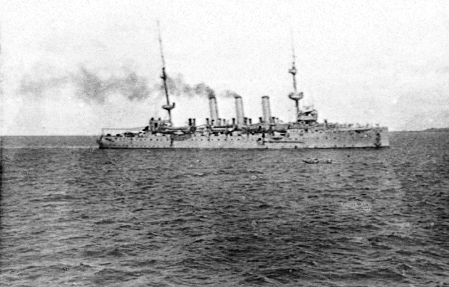
They posted Edwin to East Africa, where he was based on HMS Hyacinth, one of three Highflyer-class protected cruisers built for the Royal Navy in the 1890s. On 6 January 1917, he was on a reconnaissance flight with Commander Richard Bridgeman as an observer. Engine trouble forced them to land on a creek of the Rufiji River delta. They destroyed their seaplane to stop it from being captured by the enemy and spent three days trying to get back to their ship without being captured themselves. On 7 January, they built a makeshift raft from the window frame of a house. They were swept out to sea and drifted for two days with no food. On 9 January, Commander Bridgeman died of exhaustion and exposure. Eventually, the raft washed ashore and a group of natives rescued Edwin but turned him in to the Germans. He remained a prisoner of war until November 1917.
In June 1917, while still a prisoner, he was awarded the Distinguished Service Order. The citation read ‘Since April 1916, has carried out constant flights over the enemy’s coast, including reconnaissances, bomb-dropping and spotting for gun fire in all weathers. Has shown great coolness and resource on all occasions.’ On his release, he was awarded a bar to his DSO for ‘the greatest gallantry in attempting to save the life of his companion.’ Edwin was also awarded the Royal Humane Society’s silver medal and the Legion of Honour Croix de Chevalier for his efforts to save Commander Bridgeman’s life. The body of Commander Bridgeman was recovered from the sea and buried in the war cemetery in Dar es Salaam.

When the war ended, Edwin took command of the flying boat station at Felixstowe as a Squadron Leader in the newly formed Royal Air Force. On 11 August 1919, whilst flying a test flight in the Felixstowe Fury flying boat, the plane stalled and crashed into the sea at 90mph. One of the seven crew members, wireless operator Lt S.E.S. McLeod, was trapped in the wreckage and drowned, but Edwin and the others survived. The plane had been due to attempt a flight from England to South Africa and back the next day. The accident, a few hundred yards offshore of Plymouth Harbour, was witnessed by crowds of holidaymakers. McLeod’s body was recovered and the wreckage towed to shore. The cause of the crash was never established.
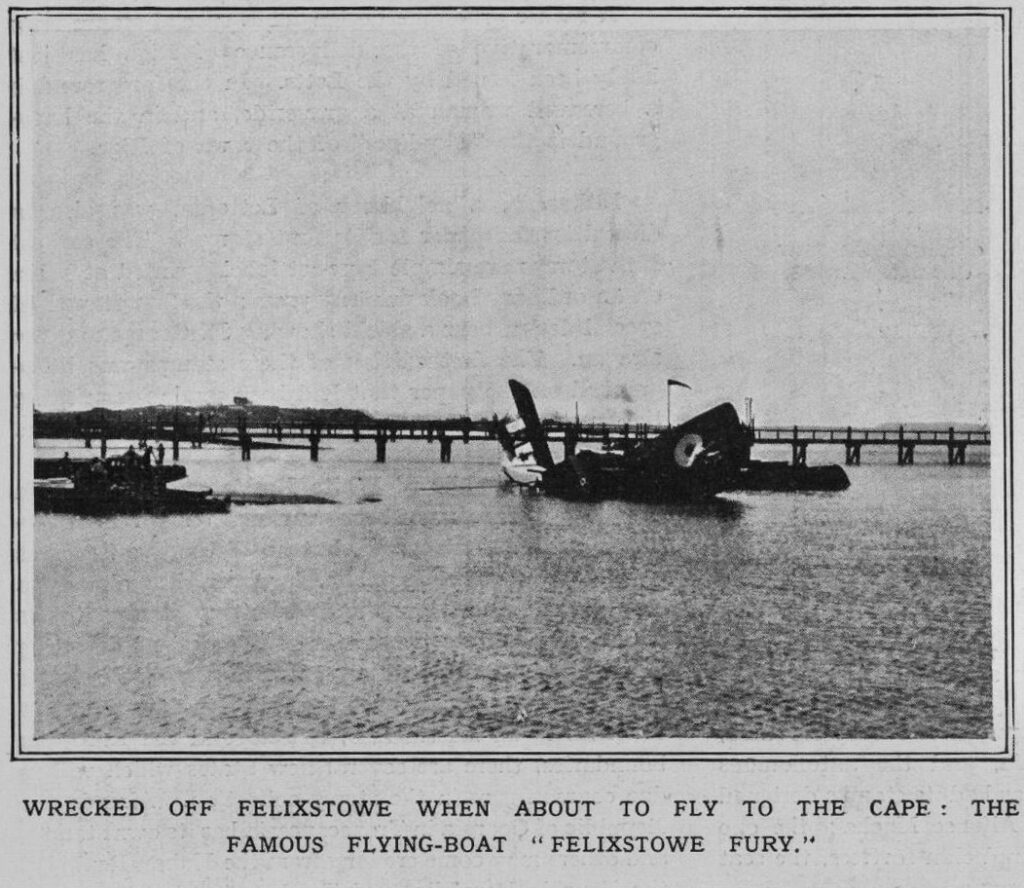
On 29 April 1929, Edwin was on an instructional flight with a training crew in a flying boat, Felixstowe F5 N4044 of 230 Squadron. The aircraft made several successful practice landings and takeoffs. Then, with Edwin at the controls, it climbed to around 1,500ft. Eyewitnesses said there was a loud crack from the tail area and the aircraft went into a spin. Edwin tried to regain control, but they were too close to the water to recover and crashed into the sea. This time Edwin was not so lucky. The plane collapsed on hitting the water and Edwin and three other crew members were killed. Two crew members, including Observer-Officer L. H. Pakenham Walsh, survived. The other four, including Edwin Moon, died. The coroner could find nothing wrong with the plane or with the piloting and recorded a verdict of ‘Death from injuries received through the sudden accidental fall of a flying boat.’
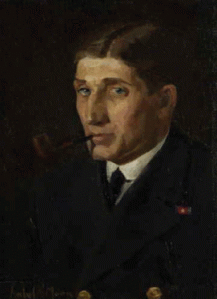
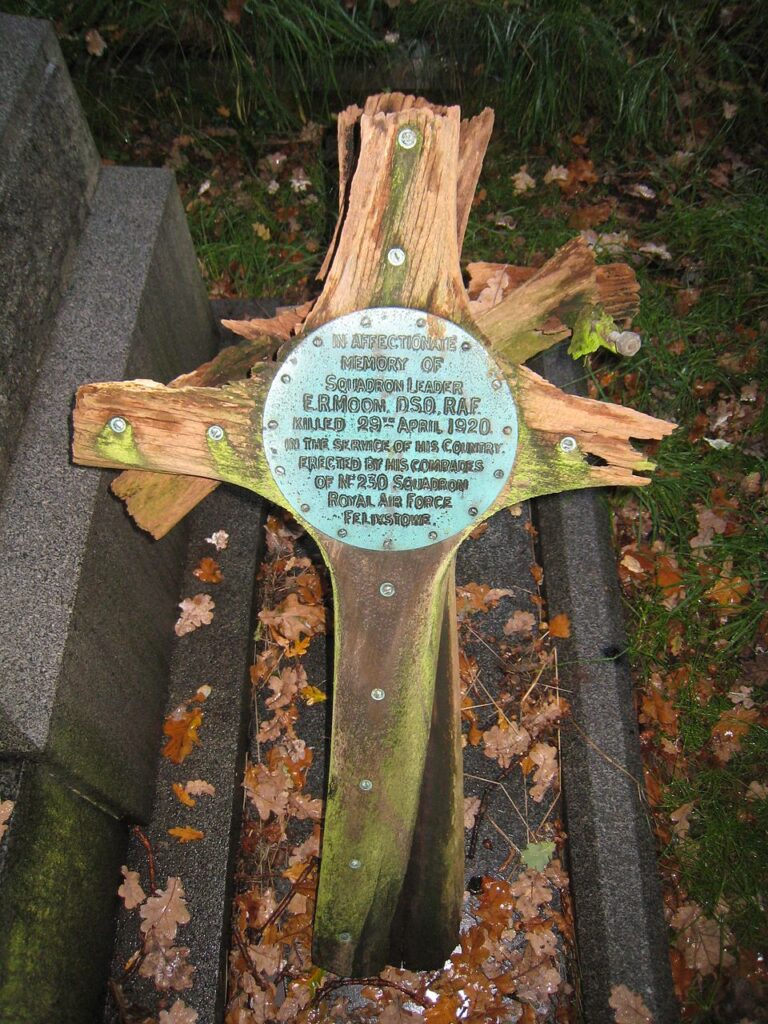
Edwin Rowland Moon was thirty-three years old. He was married to Isabel Madeline Waldron and had one daughter, Mary, born in 1915. He was buried in Southampton Old Cemetery. His comrades from 230 Squadron erected a wooden memorial, believed to be part of the propellor of the plane he was in when he died. Until recently, the propellor was bare wood with a copper plaque. It has now been painted with some kind of preservative.


The meadows where Edwin Moon first flew Moonbeam II became a transit camp for Russian refugees after World War I. Most wished to sail to America to start new lives, and Cunard and White Star Line, along with Canadian Pacific Railway, formed a hostel company to house them temporarily. They called it Atlantic Park Hostel Company, and it was built in the converted hangers of the now-disused NAS Eastleigh. Due to changes in US immigration laws, some residents had to stay far longer than anticipated. In 1924, almost a thousand Ukrainian Jewish emigrants were living in the hostel. Seven years later, some were still stranded, unable to enter the US or return to their own country. The camp had a school, synagogue and library. The residents formed football teams, played local teams, and took part in events like the Eastleigh carnival. Slowly, the numbers tailed off, and the hostel closed in 1931, having seen as many as twenty thousand refugees pass through.

In 1932, Southampton Corporation purchased the site and turned it into Southampton Municipal Airport. Air travel was the prerogative of the rich back then, so there would have been few planes flying in and out. Three years later, the RAF took over part of the site, and it became known as RAF Eastleigh for a short while. By 1936, it had been renamed RAF Southampton, and Supermarine had opened a flight test facility there. On 5 March 1936, the first prototype Spitfire, K5054, designed by R J Mitchel, followed in the footsteps of Moonbeam II and took of from the old meadow for its maiden flight. The pilot was Joseph ‘Mutt’ Summers, Vickers’ chief test pilot. On landing, he is quoted as saying, ‘Don’t touch anything.’

Of course, the little plane saw many changes to its design over the coming years. More powerful engines, changes to the shape of the fuselage and cockpit canopy and many other minor tweaks were made, especially during the war years. Over twenty thousand Spitfires were built, most of them in Southampton. Sadly, R J Mitchell never lived to see how important his design was. He died in June 1937, before the start of the war.

The last Spitfire was built in 1948. On 5 March 2023, one of the last remaining Spitfires flew over Southampton Airport to commemorate the first test flight. Commando, CJ and I took a walk to South Stoneham Cemetery to visit R J Mitchell’s grave and see if we could get a glimpse of the plane.

We had a wonderful view over the airport, but, as ever, the flight wasn’t as predictable as we’d been led to believe by the Daily Echo. It was a rather chilly, windy afternoon, and a small crowd of aviation enthusiasts had gathered to see the little plane. We all shivered and waited.

Eventually, we heard the unmistakable sound of Merlin engines. There wasn’t much time to take photographs, and the Spitfire didn’t fly as low over the cemetery as we’d expected. Even so, it was an emotional moment.
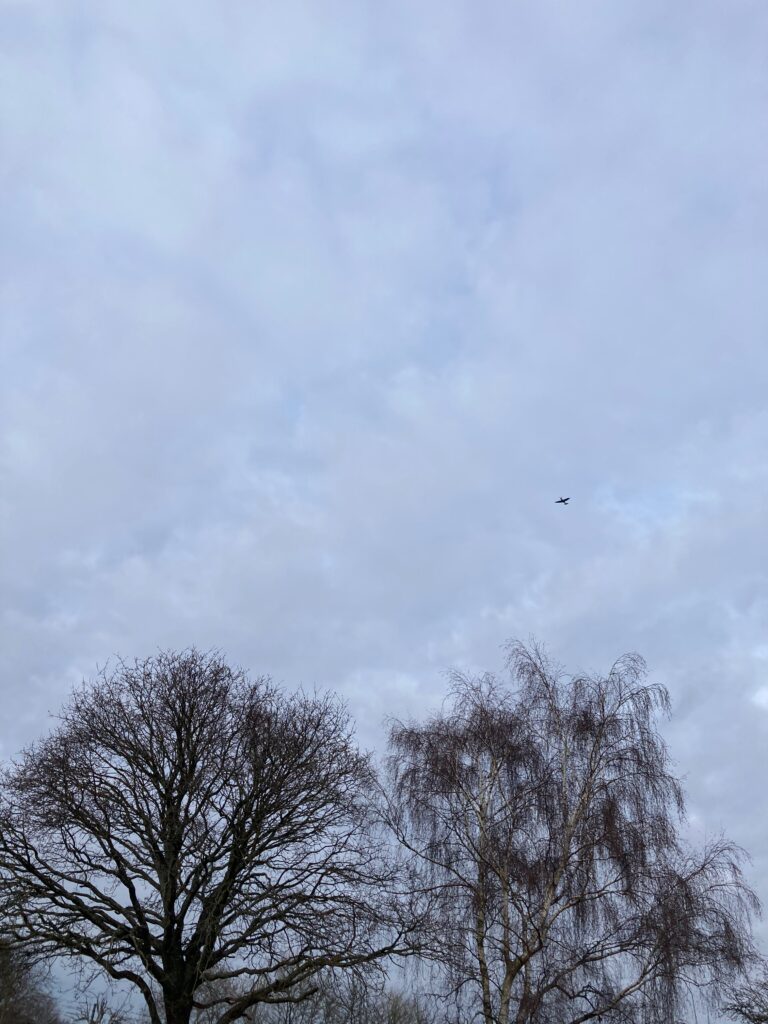
Once these remarkable little planes were a common sight in the skies over Southampton, and the sound of those engines must have brought comfort to Southampton citizens during the dark days of 1940 and 1941. The numbers of ‘the few’ to whom we owe so much have dwindled away to almost nothing, and working Spitfires are also thin on the ground. There probably won’t be many more chances to see a Spitfire fly, so even glimpsing one in the distance feels like a huge privilege.

If you like what I write, and you’re interested in my novels are available now on Amazon in paperback, on Kindle and via Kindle Unlimited. Check out my Amazon page here and my Goodreads page here. If you would like to help me keep writing, you can now buy me a virtual coffee by clicking on the little orange coffee cup at the bottom right.
An informative and enjoyable read.
Do you know where Moulands Fields in Regent’s Park was, or what is there now please?
Do you know where the photo of Edwin and others with Moonbeam II was taken? I think the houses in the background with the tall chimneys behind could be at the north end of the current Airport. The houses, with the chunky chimney stacks, look to me like the ones in Campbell Road, now in the middle of the railway works buildings.
One detail in the account of Moon’s first accident puzzled me…Plymouth(?) Harbour?
Researching material recently for a West End version of my “Building Spitfires Without a Factory” talk I came across some interesting facts about Townhill Park House which I will pass on…
The Montagu family were prominent in their work with Jewish refugees (what was the drive to Townhill Park House is called Atlantic Park View.) Ewen, the second son of Gladys and Louis, was the Naval Intelligence officer who came up with the idea for Operation Mincemeat. Ivor, the youngest, was a communist filmmaker and Stuart, who succeeded his father as the 3rd Baron Swaythling, and his mother Gladys (but not Ewen!) are both named in the Gestapo’s ‘black book’ which lists individuals and organisations to be arrested if the Nazi invasion of Britain had succeeded.
Hi Alan. I’m glad you enjoyed the article. I’m afraid I don’t know where Moulands Fields were, or what is there now. Although it is well documented that Edwin Moon flew from there, they are not marked on any of the old OS maps as far as I can see. In fact, the whole area looked like open fields in 1910, so I imagine it was a local name. I haven’t been able to find any other reference to the fields. As for the photographs, I don’t have any information about exactly where there were taken, but it is quite possible that the houses are those in Campbell Road as they would have been there at the time. Moon’s first accident took place on a flying boat flight in Plymouth Harbour. The plane was due to make a flight between Plymouth and South Africa the next day and this was a test flight. They crashed into the sea just off Plymouth Harbour.
Thank you for the interesting information about Townhill Park House. I walk past it often.
You may not remember me but we met briefly at the Bargate, south side, a while ago when I was about to take an STGA Guided Walk in the Old Town? I am the Projects and Publicity Officer for Friends of Southampton Old Cemetery (FoSOC)
I have seen your article about Edwin Moon. You may like to know that, more than 20 years ago, when Friends of Southampton Old Cemetery was being formed, I was asked by a member of the local RAF Association if I could find, for them, Moon’s grave in the cemetery. I did so and that began a long relationship with the Association that still continues. In 2010, we commemorated with them, at the grave, the centenary of Moon’s first, successful, powered flight. We intended to commemorate, in 2020, the centenary of his death but Covid put paid to that so we did that, with the Association, and the Mayor, last year. I had the honour of leading the commemorations in 2010 and 2022.
The connection with the RAF Association led to the writing of a biography of Edwin Moon that the author, later, generously gave to FoSOC and we hold the copyright in that work.
You refer to the propeller on the grave. We are not sure that this is from the ‘plane in which Edwin Moon died so we always qualify that story and I am endeavouring to research more about it. The marker was bare in 2010 but, at that time, it was taken in to the care of FoSOC member, Bruce Larner, who treated it with preservative and has cared for it, in a dedicated way, ever since 2010. It could have rotted away but thanks to Bruce, it is now very solid and continues to be there for people to see.
I regularly feature the grave, and story, on Heritage Walks in the cemetery and every year, for Remembrance Sunday, FoSOC lays a Poppy Tribute there. Scroll down on our Facebook site to 18 May 2022, and you will find a brief report and pictures of the 2022 commemoration.
With best wishes
Geoff Watts
https://www.facebook.com/FriendsOfSOC/?locale=en_GB Facebook
Hi Geoff, I do remember meeting you and having a little chat. Thanks for the link and the information. I love my walks in the Old Cemetery and keep meaning to make contact with the FoSOC. I think my great-aunt, Freda Haley, may have been buried there, but so far, I haven’t found her grave. I may be wrong, and even if she is there, she may not have a marker. I did stumble upon my husband’s great grandparents last year though, Florence and Walter Woodman and their daughter Nellie. It’s a wonderful place with so many hidden secrets, I don’t think I’ll ever get tired of walking there. It’s also a great source of names for characters in my books. Zillah, in Plagued, was inspired by an Old Cemetery grave.
Thanks Marie.
I have access, as a FoSOC Committee Member, to the register of burials and the record of inscriptions at the Old Cemetery. The only Haleys are all very young children several, sadly, still-born. I can see no Freda Haley. There is no record of an inscription on a gravestone for anyone called Haley.
FoSOC can help with grave searches in the Old Cemetery when we try to find the exact place even if there is no headstone or other marker. Just a case of e-mailing the enquiry to FoSOC to get things started.
Thank you so much for looking. I think one of the babies would have been my great aunt Alice’s daughter, Phylis who was stillborn in 1918. They lived in Southcliffe Road, off the Avenue. It is much appreciated.
Hello Marie,
Thanks for this first class piece of research. I thought I knew a fair bit about the history of Southampton Airport, but the Moon family was totally new to me!
Of course, the airport saw a fair bit of flying from the north east corner of the field before the concrete runway was added. I remember a replica World War One “Pfalz” biplane that was constructed in the hangars of the Hampshire Aero Club in 1965. There is a tremendous picture of it in the hangar here: https://abpic.co.uk/pictures/view/1618077
That aircraft first flew up by the Eastleigh Sheds.
According to my railway books about Eastleigh, the London and South Western Railway built the carriage and wagon works in 1891and “extensive housing development took place at this time to accomodate the workers”, so I suspect that would have been the housing in Campbell Road.
It’s interesting that despite the growth of Southampton Airport in recent years, little important bits remain. For example, the Ford factory which my father (and sometimes me!) would deliver vegetables to is now gone, but the remains on that site the original hangar of Supermarine, where the first Spitfire flew from. Not, as I thought for years, from the main cluster of buildings on the west of the site, but from the South, down by the cemetary. There was an incident in 1938 when a young Bob Tuck, later to become a Battle of Britain hero was picking up a Spitfire for delivery from Supermarine, and tested its engine to full power just in front of the crematorium, not seeing the red flag that was fluttering there……
Always a tremendous read, Marie, brings back a lot of memories to an old bloke living in Tasmania!
So pleased you enjoyed it, Rick. Thanks for all the extra information to, and the wonderful photo.
Alas, “the little bit that remains” appears to have gone.
I just checked on google maps to see if the old Supermarine hangar was still there. It shows it on the street view taken from Stoneham Cemetery Road ( says: 3 Years ago) but to my astonishment, the satellite view shows the hangar has recently been demolished.
In the scheme of things, that hangar was not large and was quite overshadowed by the monstrous sheds that have gone up on the old Ford site. It’s a tragedy for Southampton that its history is discarded like this. No more can we say “This is place from where Spitfires were first flown.” Poor RJM would indeed be restless.
I thought I’d read something about that, but couldn’t find it again when I looked. It is a shame this kind of history is not preserved.
A brilliant read and packed full of information. I also went to the link for your Woolhouse lunch – what a wonderful interior, I loved seeing your photos. It’s somewhere else to add to my ‘places to visit’ list.
The Woolhouse is well worth a visit.