
Research is key when writing believable historic fiction. Like most authors, I do the majority before I write a single word. Much of it involves working out the plot, and getting the setting and details right. With Land Fit For Heroes, much of the research revolved around the General Strike, Southampton Docks, and Melbourne Street. Crime and punishment was a theme running through this story, and finding out what happened to Southampton’s law breakers when they got caught led me down an interesting research rabbit hole and changed the direction of the plot completely.
First, I needed to find out about police stations. After Percy’s fight with a fascist in the Bell and Crown on Melbourne Street, his friends covered up what had happened. They poured beer over the unconscious fascist to make it look as if he was a drunk, then they dumped him outside the local police station. Old maps told me the most likely police station would have been at the Bargate. As the Bargate Police Station closed in the early 1930s, I had no idea what it had looked like. Luckily, there were plenty of photographs available, including the beautiful F G O Stuart postcard above.
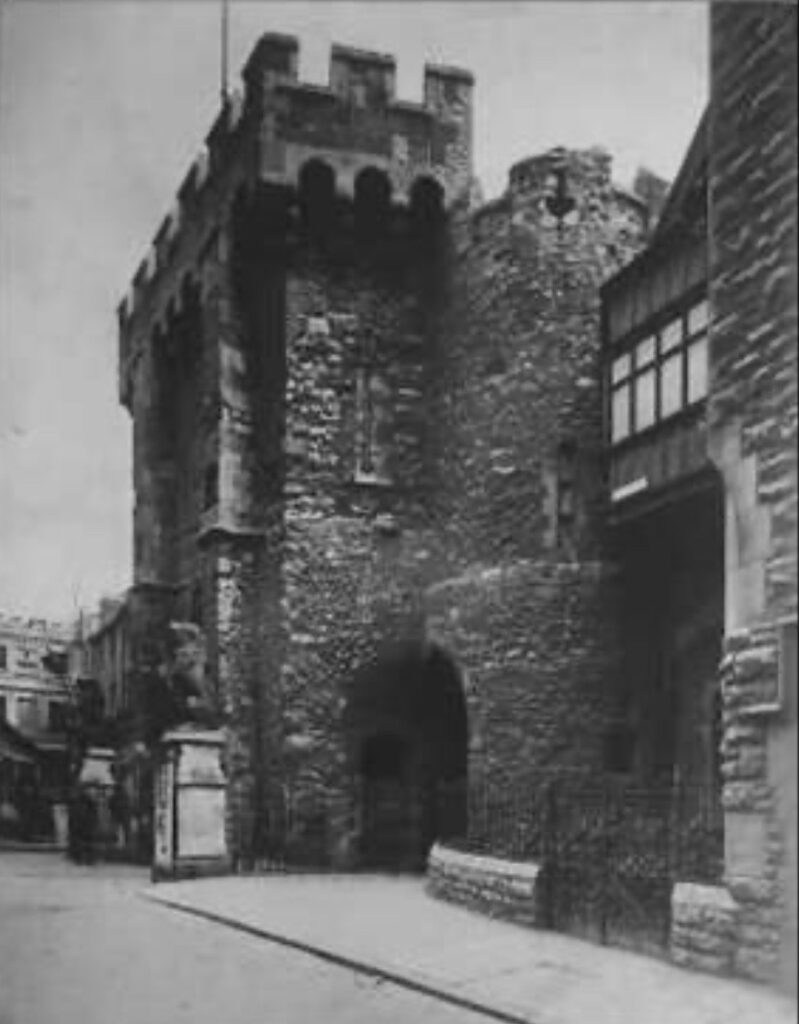
Surprisingly, Southampton didn’t have an official Police Force until 1836, when the police station next to the Bargate first opened. In 1906, law courts were built next to it. In the early 1930s, when the new Civic Centre was built, both police station and law courts were relocated. The original police station, including part of the medieval wall, was then demolished to make way for a ring road around the Bargate. The new Civic Centre Police Station opened on 9 November, 1933.
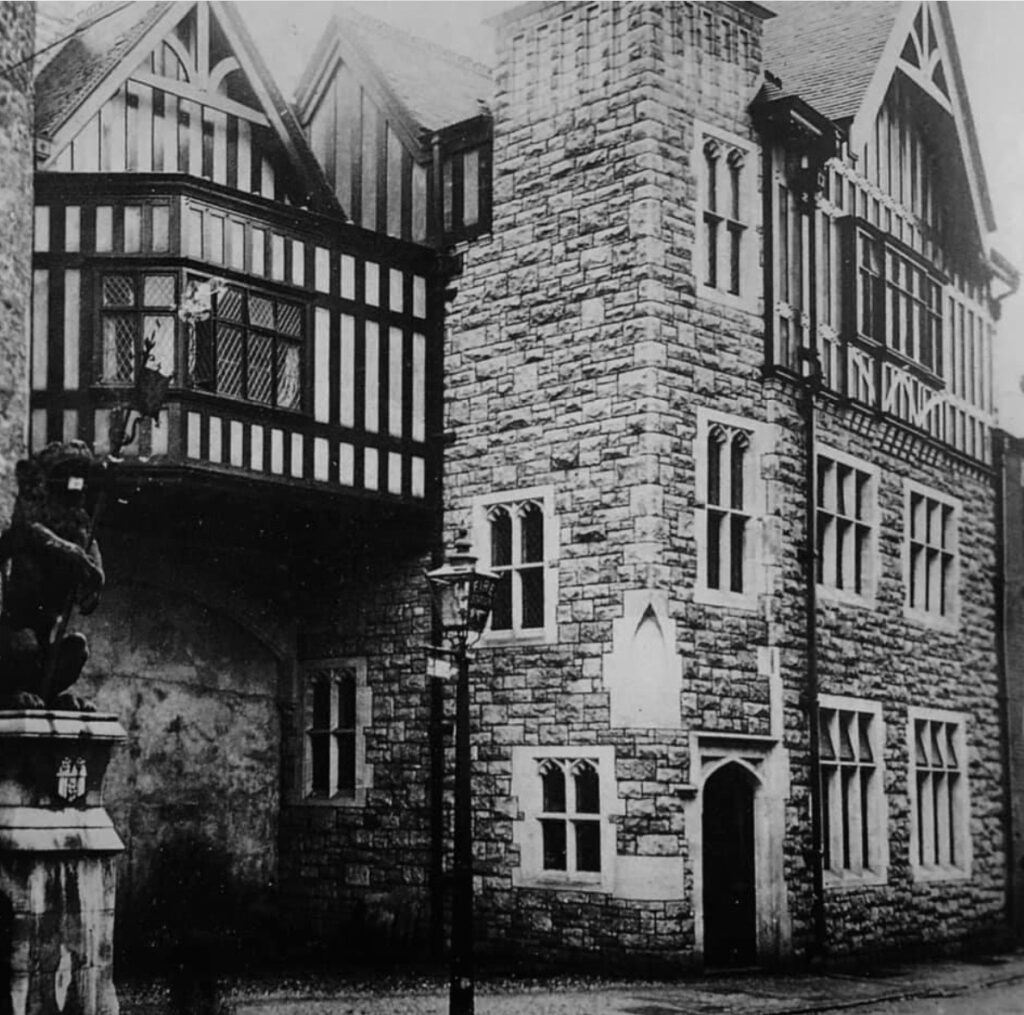
In the end, none of this information made it into the book, and no description of the police station was needed, but my searching was not in vain. The information about the law courts made me dig a little deeper and what I found out transformed the plot.

In 1926, the law courts beside the Bargate would have been courts of petty session, local courts where trails were heard in front of magistrates. They dealt with minor theft, larceny, assault, drunkenness, and other lesser crimes. They also decided which cases to refer to the quarter sessions. The courts of quarter sessions were local courts held at four set times each year in the seat of each county. In the case of Hampshire, this meant Winchester. They heard crimes that required a jury, but did not deal with crimes subject to capital punishment or life imprisonment.

Trials for major crimes, like murder, rape, burglary, and others where hanging might be the outcome, were held twice yearly, summer and lent, at the Winchester assizes, or at the Old Bailey in London. They usually held the Lent Sessions in March or April and the Summer Sessions in July or August. Judges from the higher courts in London travelled across the seven circuits, setting up courts and summoning juries at the various assize towns. The Winchester Assizes were held in the Great Hall, the only remaining part of Winchester’s medieval castle. The Courts Act 1971 abolished the quarter sessions in England and Wales in 1972, and replaced them and the assizes with a single permanent Crown Court.
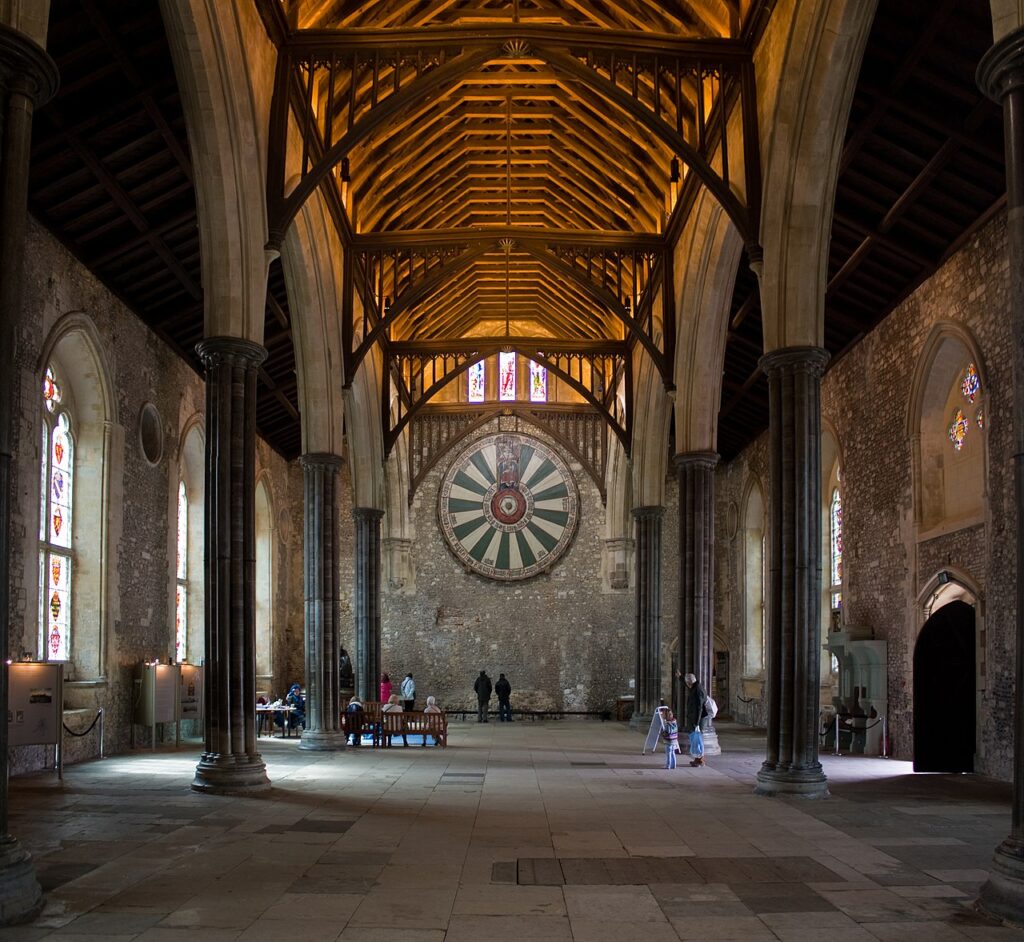
Land Fit For Heroes features a trail at the Winchester Assizes. The photographs I found were useful in setting the scene, even if most of what I discovered didn’t make it to the page. The National Archives holds records of trials held between 1559 and 1971. Searching for trials at the Winchester assizes in 1926, I found a case that gave me valuable information for my story. It took place on 5 and 6 July, which gave me the dates of the assizes that year and also the name of the judge, Justice Roche. I even found a photograph of Justic Roche, which came in very handy.

The trail in question was of 22-year-old Charles Edward Finden, an unemployed casual labourer. He was accused of murdering 14-year-old John Richard Thompson, who worked on a farm in Alton. On 5 June, Thompson’s employer, Captain Cookson, gave him a ten shilling note and two half-crowns as his wages and another ten shilling note to run an errand. His body was found the next morning in a field near Alton. He’d been strangled and beaten about the head. The money was gone. Witnesses said they’d seen Thompson leaving a shop and walking along Basingstoke Road with a man.
Presumably, the description fitted Charles Finden because the police interviewed him. He admitted being in the area but denied the murder. His wife was also interviewed, and what she said was damning. Mrs Finden told the police that her husband had given her a ten shilling note and two half-crowns, exactly what poor John Thompson had been carrying. Finden said he’d got the money from odd jobs at the local tennis court. The alibi proved to be a lie, and he was charged with the murder. When he was in front of Justic Roche, Finden changed his story and said the money was his unemployment benefit. This was another lie. It took just forty-five minutes to convict him. He was hanged on 12 August, by Thomas Pierrepoint and Robert Baxter.

So, if you were caught committing a crime in Southampton in the 1920s, justice was swift and often harsh. Unless it was something relatively minor, you’d find yourself in Winchester. If you did something bad enough to end up there, you were likely to be there for some time. Sentences were long, looking at records of the time a burglar would spend between five and seven years in prison. Murderers hanged, unless they were under eighteen or pregnant. The criminals in Land Fit For Heroes were taken from the assizes to Winchester Prison, a very short journey indeed. For murderers, there was no waiting around for years for the sentences to be carried out. After the Murder Act of 1752 was repealed in 1836, a period of fourteen to twenty-seven days between sentence and execution became the norm. This allowed time for the prisoner to repent and make his peace with God, or appeal, if he thought he had a chance to win. This knowledge proved vital to my story.

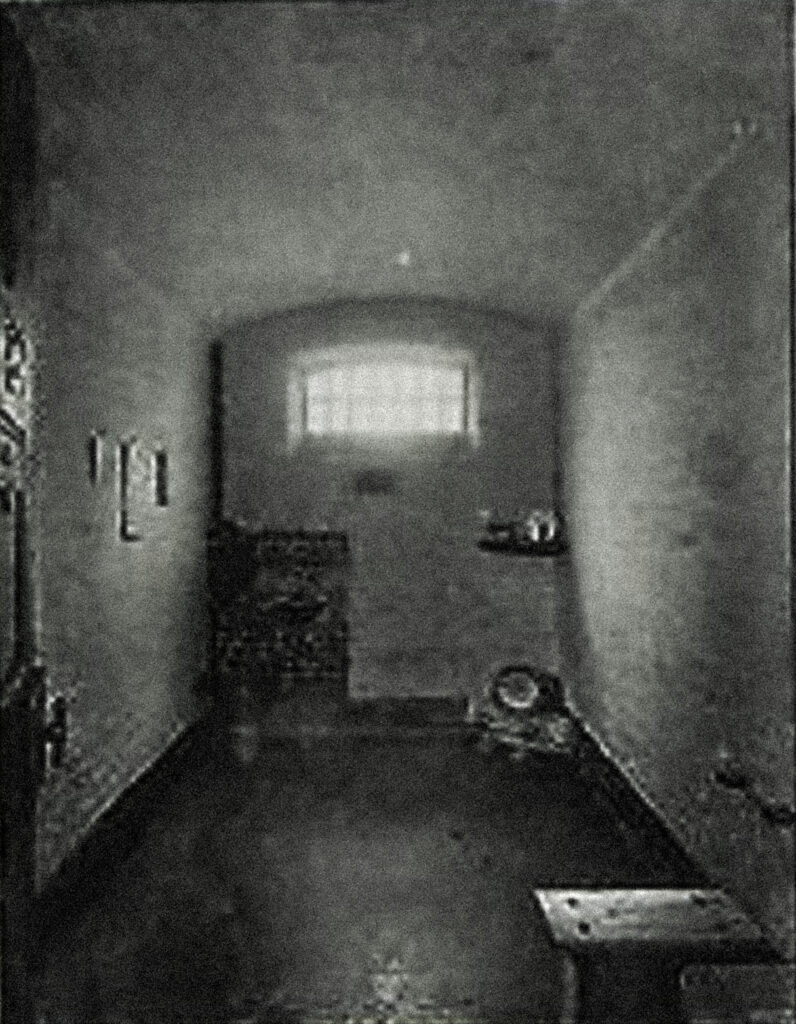
The conditions in Winchester prison were not pleasant. It was built in the mid-1800s and convicts in the 1920s would have had few comforts, and would likely have spent most of their time in cells. The prison features briefly in Land Fit For Heroes, and photographs I found online helped me envision what it must have been like. Anyone with any sense would have tried to steer well clear, but not all my characters were sensible.
As you can see, research for historic novels turns up some odd titbits of information. Most don’t make it onto the page, but they end up stuck in my head, and often pop out at odd moments in conversations. Now you’ve read them, you can also impress/bore people with the useless information you know. This is only a small selection of the things I discovered when I was writing Land Fit For Heroes. If you’re good, I might share some more another day.
If you like what I write, and you’re interested in my novels are available now on Amazon in paperback, on Kindle and via Kindle Unlimited. Check out my Amazon page here and my Goodreads page here. If you would like to help me keep writing, you can now buy me a virtual coffee by clicking on the little orange coffee cup at the bottom right.
Not all the cells in Winchester Prison were like that.In most of the 5 wings there were one of cells like you show.But on the other side were cells with large,but with metal bars across,windows.Indeed Winchester was known as being one of the best prisons in Prison welfare.
Still not somewhere most of us would like to spend time.
Of course not,but nobody would go there voluntarily.Except for alchoholic’s in winter
Interesting history of the swift justice that was the norm back then. Personally, I feel that justice now should be swifter and harsher than it is.
I’m totally with you on that. We might have a little less crime if it was.