
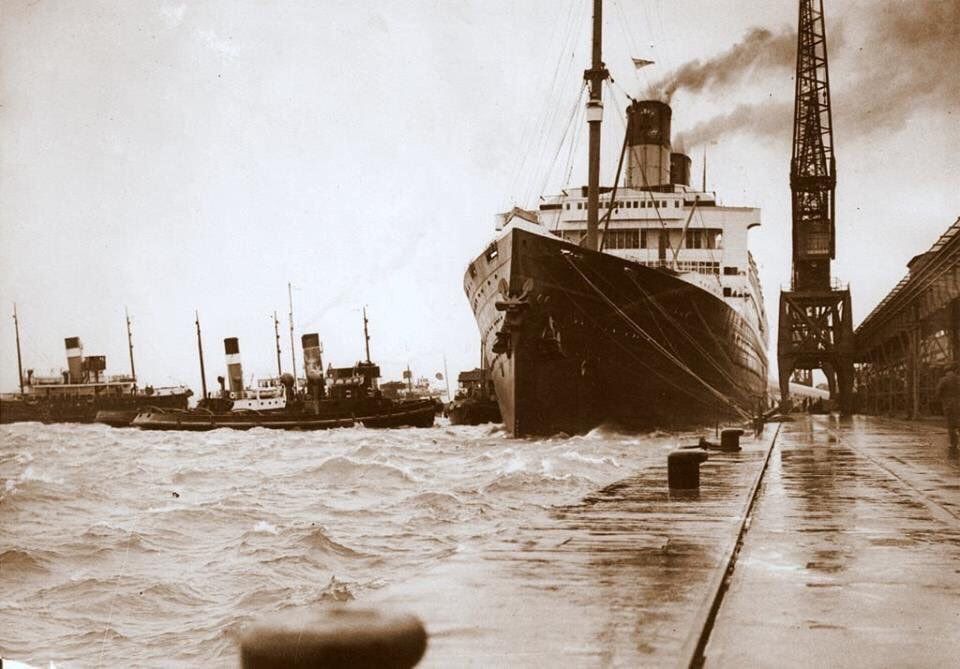
Research for my second book A Land Fit For Heroes, took me to Southampton Docks during the General Strike of 1926. It should have been easy. In my time working for a cruise company, I’d donned the obligatory hi-vis jacket and wandered around the docks more than once. The problem was, the docks I’d seen in the twenty first century were a far cry from the docks I was writing about. In fact, a lot of the docks as we know them today didn’t exist back then. The western dock had not been built and the sea still lapped at the platforms of Southampton station at high tide. There were no hi-vis jackets back then either. Health and safety wasn’t something the dockers of the mid 1920’s worried about too much.

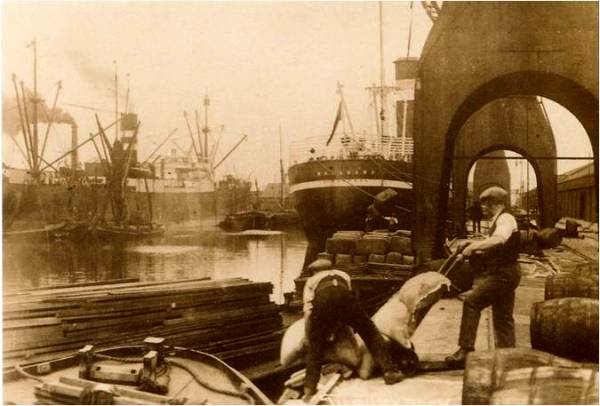
The dockers of the 1920’s and 30’s were rough and ready men. They wore suits made of coarse, hardwearing fabric, waistcoats over collarless shirts and flat caps on their heads. The foremen and bosses could only be distinguished from the dockers by their coats and hats, trilbies or fedoras. They had to be strong and they had to be experts in loading and unloading ships. There were no giant containers back then.


There were cranes, but not the massive monsters that welcome travellers back home as they drive over the Totton bypass towards Redbridge today. These cranes were used to move the heaviest goods from the ship to the quayside, but the dockers still had to load everything into the sling and unload it again on the dock. That was when the crane didn’t break down. Operating the cranes and loading the sling were skilled jobs, with the possibility of disaster if they were not done properly.
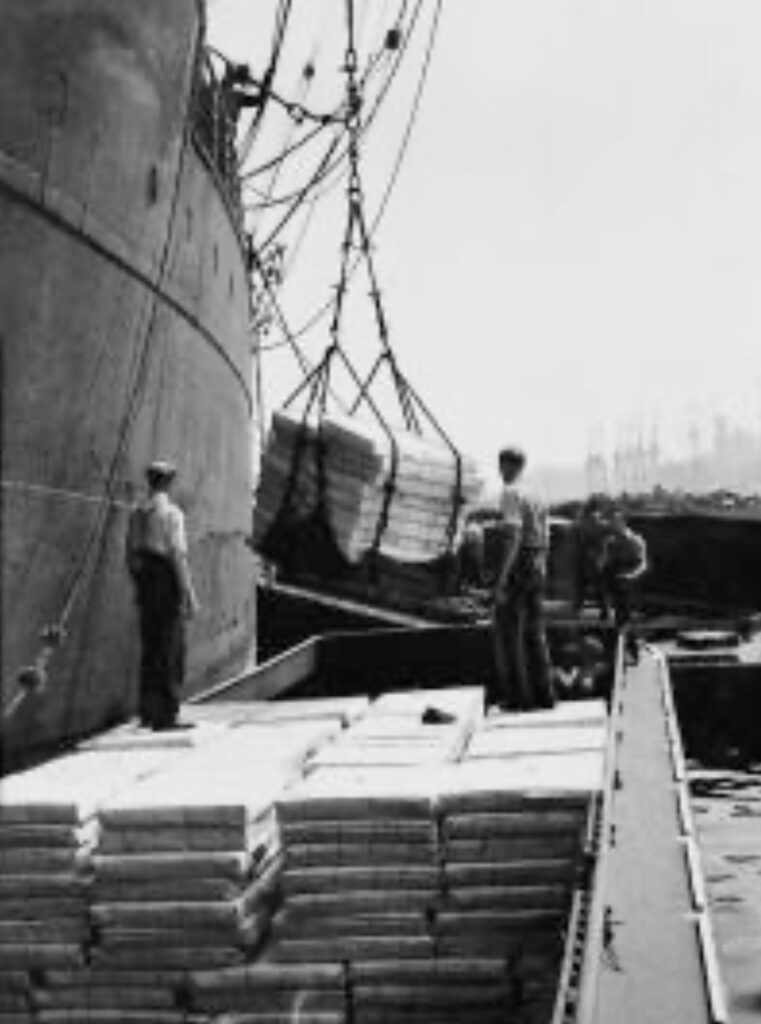
In Southampton the General Strike of 1926 passed almost without incident. There were none of the violent clashes that were seen in other parts of the country but there were no reports of strike breaking either. In fact, it was a crane that caused the biggest problem during the nine days of the strike. My research uncovered several different versions of the story but the gist is that two men were either killed or badly injured when someone who didn’t know what they were doing tried to operate a crane. Some sources say the men were strikebreaking dockers and the crane was operated by dock management. Others suggest that both the crane operator and the injured/dead men were members of the Organisation for Maintenance of Supplies, brought in by the government to keep vital supplies moving. The truth is probably somewhere in between, but it did provide a little food for thought when I was working out my plot.
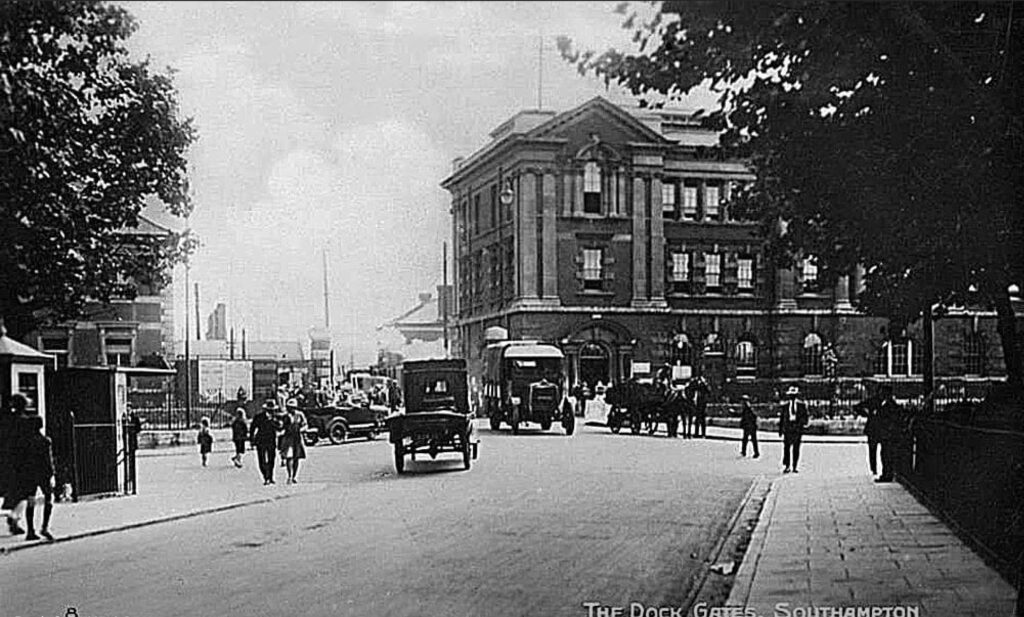
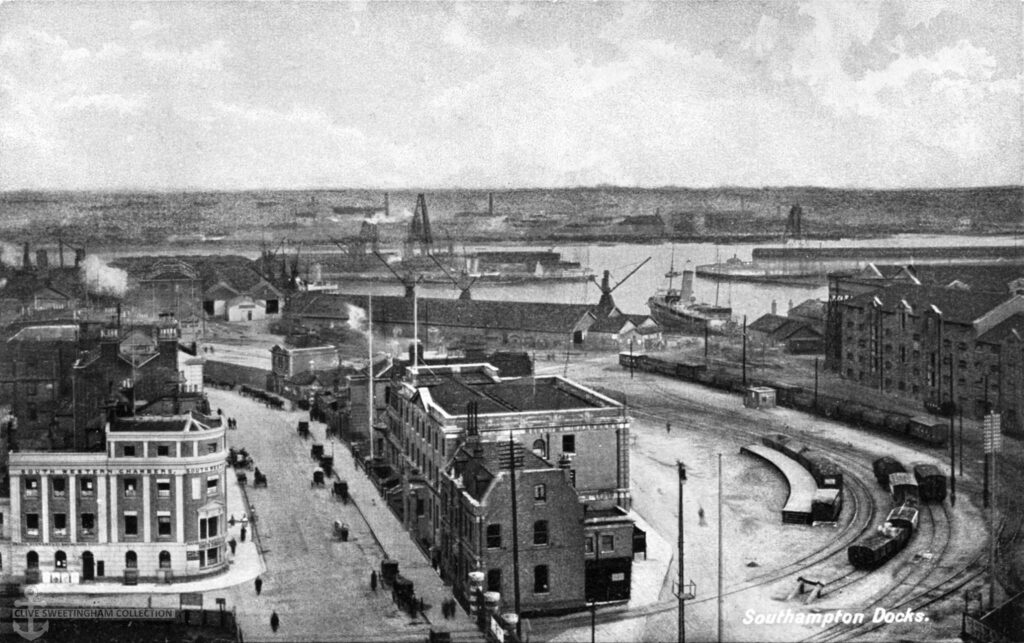
The strike may have passed relatively peacefully, but there is no doubt that it caused terrible hardship to the striking workers and their families. Unfortunately, I wasn’t able to find any photographs of pickets at Southampton docks, but I did find a couple of interesting photographs of the area around the dock gate in the 1920’s. The buildings are easily recognisable, although the area has changed a great deal. Looking at them it was easy to imagine the picketing dockers at the gates, and maybe a few policemen and special constables keeping a close eye on them.
In 1926, dockers worked hard for the measly sum of about £3 a week, if they were lucky enough to get a full week’s work. They and the aftermath of the strike were the theme for A Land Fit For Heroes. The story follows on from Plagued, but focuses on two of the soldiers who featured so vividly in the memories that plagued Thomas. Lofty and Percy were inspired by my mother’s father, Leonard Arthur White and her uncle Percy Edward Hebditch. I never met either man but the snippets of information I discovered about them during my family research intrigued me. It is unlikely that either served with Thomas but both did spend time in the Hampshire Regiment. Leonard was with the Hampshire’s during the Great War. Percy joined the territorial force before the war, aged 17, and was later in the Hampshire Regiment. There were a surprising number of records available for him. He was discharged with a silver war badge in 1917 and his medical records made interesting reading. They mentioned, amongst other things, delusional insanity, a condition that would later be called shell shock, or PTSD. I imagine that, like his sister, he was quite a character, although perhaps not quite like the one in my story.
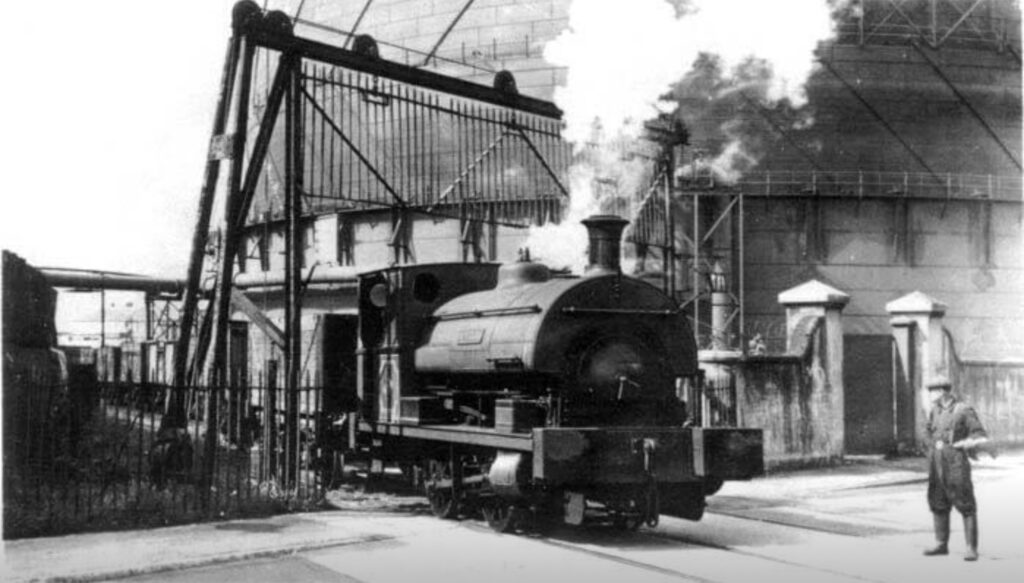
Most dock workers lived in the cramped little terraced houses within walking distance of the docks. The conditions were not good, but the rent was cheap. The real Leonard lived behind the gasworks in Melbourne Street with his wife Laura, my grandmother, and their children, Robert and Laura Gladys, my Mum. He was listed as a railway warehouse porter on my mother’s birth certificate, it was one of the few pieces of information I had about him. As the railway owned the docks at that time, it’s possible his work had some connection with them.
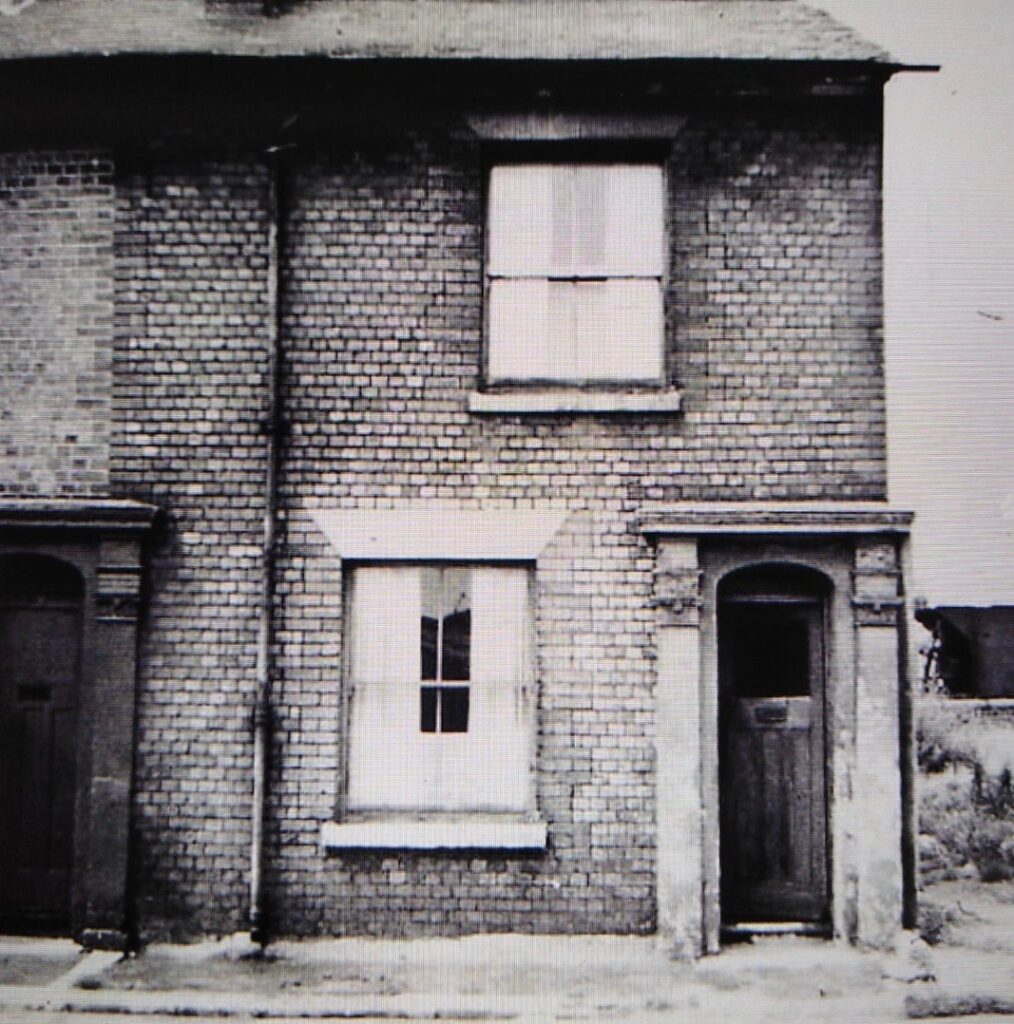
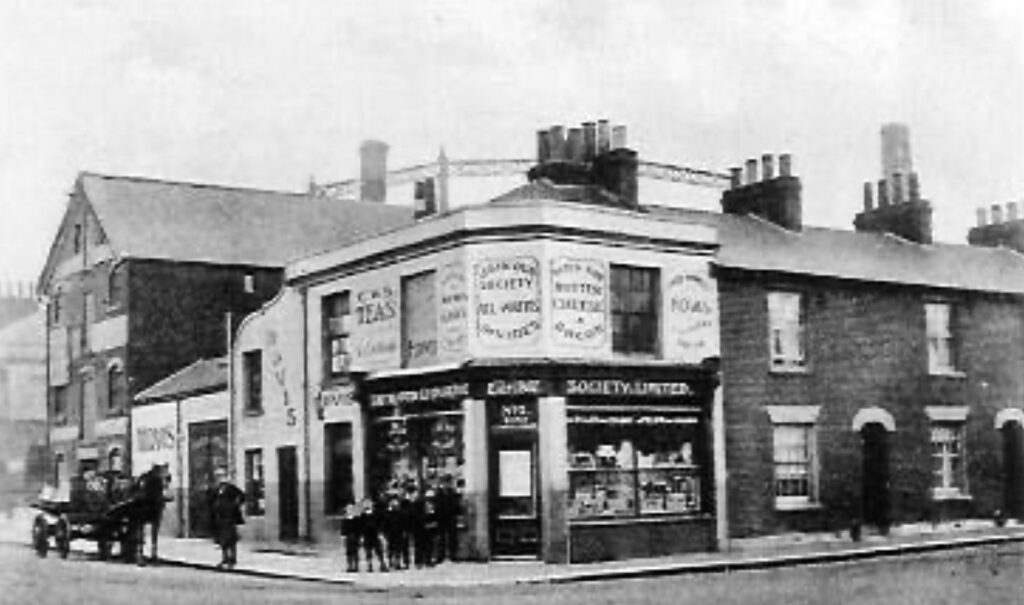
The Melbourne Street houses are long gone, what the Luftwaffe didn’t flatten, the slum clearance got rid of, so there wasn’t a great deal of photographic evidence to go on. A plea on several Facebook groups did turn up a couple of pictures that gave me a good idea what the houses were like before they were bombed. One, on the Southampton Memories People and Places page, showed the Co-operative Society shop in Melbourne Street with the gasworks clearly visible in the background.
Then I had a message from a lovely gentleman called Roger Stevens. It proved to be a real godsend. He had had family in Melbourne Street and used to visit regularly as a boy. The house he visited was number 80, where my grandparents Leonard and Laura once lived. This happy coincidence was a real godsend. Although Roger’s memories date from after WW2, I learned that the house had the railway line behind and the gasworks in front. He remembered it as dark with a strong and distinct smell of gas. There were two bedrooms upstairs and a kitchen and two rooms downstairs. The picture he painted tied up with other snippets I’d read and some vague memories my Mum had told me about her early childhood. It also confirmed the poverty and depravation those poor dockers had to contend with. This was certainly not the ‘land fit for heroes’ the returning soldiers had been promised.
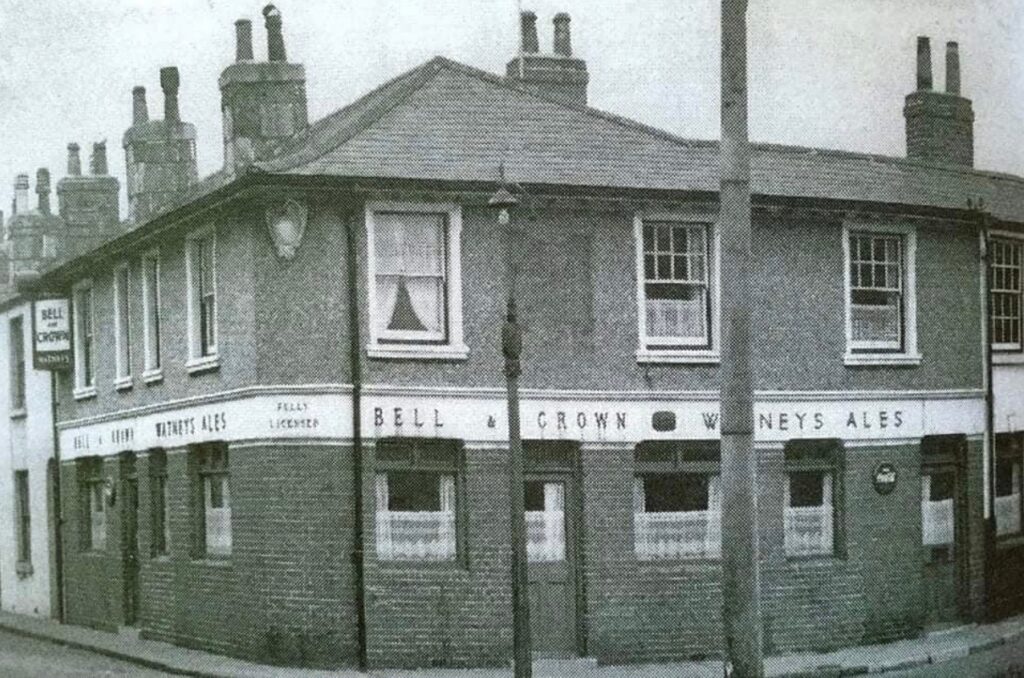
With the railway on one side and the gasworks on the other, it would have been a noisy, dirty existence, but there were some saving graces. On the corner of Melbourne Street and Stanford street was a pub called the Bell and Crown. As far as I can tell it was a typical spit and sawdust docker’s pub and it is likely that Leonard and Laura (who did like a glass of stout or two) would have been patrons. I was even lucky enough to find a photograph of the place, taken before it was demolished in the 1960’s. It probably brought a little joy and laughter into their lives and it certainly played an important part in my story.
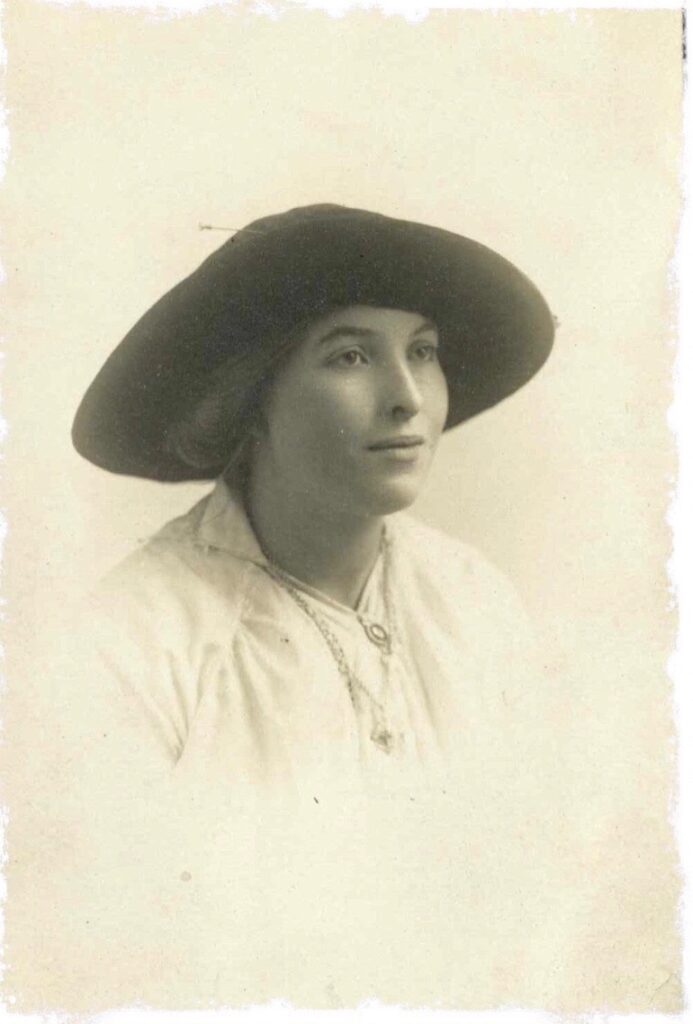
Sadly, I don’t have any photographs of Leonard, or Percy, but I do have some very vivid memories of Laura. Like her daughter, she was quite a character. She was also a very strong woman, although, given the life she lived, I suppose she had to be. There is only one photograph of her as a young woman, taken in 1915, when she was 16. It was a great inspiration as I slowly put my story together.
If I’ve piqued your interest for my second book you will have a little while to wait. It is currently with the editor but it should be available on Amazon in the spring, all being well. Watch this space for further updates.
If you like what I write and would like to help me keep doing it, you can now buy me a virtual coffee by clicking on the little orange coffee cup at the bottom right. If you’re interested in my historic novels, Plagued is available now on Amazon.
Really looking forward to your second book, which reminds me that I need to leave a review for your first.
Im glad you enjoyed the first one. The second is with the editor now. Hopefully it won’t need too much work and will be out in the spring. Watch this space.
Back in 1978,I was working in ST.Mary’s Road,Co-Operative shop.An elderly lady customer often would chat to me.She had lived in Southampton all her life,and lived in Melbourne Road as a child.She told me about the CO-Operative shop there.Until reading your excellent story,I didn’t know where Melbourne road was.Reading this this morning reminded me so much of the Lady I spoke to.
A mystery solved and a memory rekindled. St Mary’s is still such an interesting area.
Yes,it is,although it has changed a lot sine I was working there in the late 70’s.
I have been told that dock workers were employed on a daily basis they would turn up for work early in the morning and they were taken on as many as were needed for the day especially cargo ships as some ships were carrying cargoes like lamb carcasses or banana stems which were carried off one by one
This is correct. They went to the stand each day and hoped to be picked. My husband’s grandfather was one of them. Also, during the war, they were sent to whichever dock needed them, anywhere in the country.
In the early 30’s my grandad had to stand outside the docks and hope he would be one of the lucky ones to be picked for a day’s work. He lived in Northam with my grandma and my Dad. Rochester Street I think also Millbank Street. Dad’s stories were hilarious about his antics as a lad in Northam. He loved it there and had happy memories
It must have been a hard life, never knowing if you’d get a days work, or enough money to feed the family. We don’t realise how lucky we are today. My father in law also had some stories about his father and life as a docker’s son. My mother lived in Melbourne Street as a small child.
What wonderful old photographs and the one of Laura as a young girl must be a real treasure. We are certainly lucky in the way we live today. Most of us have clean, comfortable homes and enough to eat as well as a huge choice of food! Workplaces are much safer too.
The photo of Laura is a treasure. I was lucky enough to be given a bundle of other old photos recently, along with some letters and documents. I’m slowly going through them all so there may be posts about them later. We are luckier than most people realise to live as we do today. My grandparents would never have imagined such luxury.
Marie, I am asking your permission to use some of your old photos of the docks, dockers etc.,
I post as a hobby on ‘Hampshire in Historic photographs’ and there is quite a circulation in the Hampshire area + ex Hampshire participants. I would acknowledge your good self and your publications on any postings.
If acceptable please confirm with, info you would like to accompany pictures/postings.
Please feel free