
By mid may 2020, the lockdown restrictions were slowly being eased. It had been a strange couple of months. Many people had worked from home, others had been furloughed and were being paid to stay at home. Non essential shops were closed, as were pubs and clubs. Some people had been self isolating and not going out at all and the supermarket suddenly felt like a dangerous place. Despite all this, lots of unsung heroes had been working through it all.

In spite of the eerily quiet roads and streets, there were places where life was going on as usual. In fact, some people found their lives busier than ever. NHS staff were facing the most difficult of times, not only dealing with many of the things they were used to, but also coping with an influx of patients suffering with this strange new virus. NHS rainbows were springing up everywhere, chalked on walls and pavements and on posters stuck in house windows. Every Thursday, people stood on their doorsteps and clapped for the NHS heroes to show their appreciation for the sacrifices they were making.
The NHS staff were not the only ones working though. For all the emergency services, the Fire Brigade, Police, Ambulance drivers and the Coastguard, it was business as usual. Many factories, including Commando’s aircraft factory, were still open, warehouse workers, delivery drivers and postmen were busier than ever with all the online orders being made. The supermarket staff were on the front line, especially when the panic buying started and odd things like loo rolls, yeast and flour suddenly seemed more valuable than gold. These were the forgotten heroes of the pandemic.
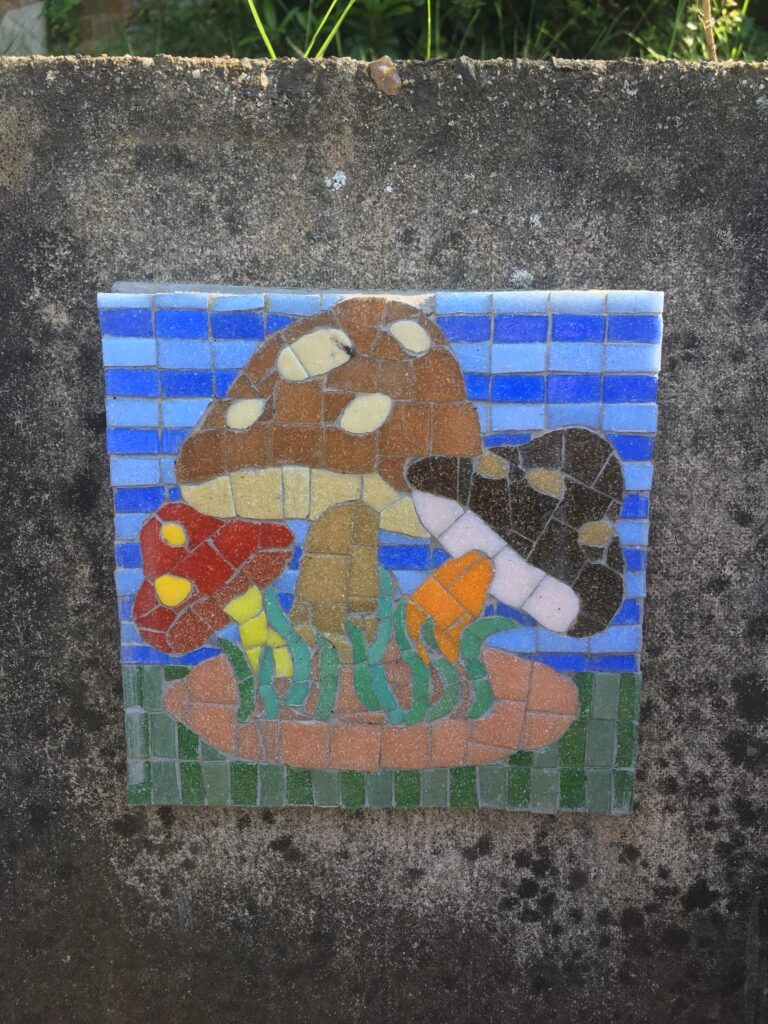
For those who didn’t have to work, the lockdown had been a chance to pause and take stock. For the first time ever, they had time on their hands. This was one of the reasons the parks and pretty places were all so crowded. People who’d never gone for a walk before, began exploring their neighbourhoods on foot for the first time. Others took up running and could be seen huffing and puffing along the streets. Half forgotten crafts like sewing, knitting and crochet saw a revival, as did baking (hence the lack of yeast and flour in the shops). Art began to appear in the strangest of places. If there was a positive side to the pandemic, it was this self sacrifice, appreciation and the return to quieter, gentler times.
The change of pace pushed me to knuckle down and work on a writing project I’d been dipping in and out of for over a year. Finally, all the research, indecision and false starts began to look as if they might actually turn into something real. When I began, I had no idea how relevant the subject matter, 1918 and the Spanish flu, would become. It certainly gave me a different perspective, both on my writing and on the current pandemic.
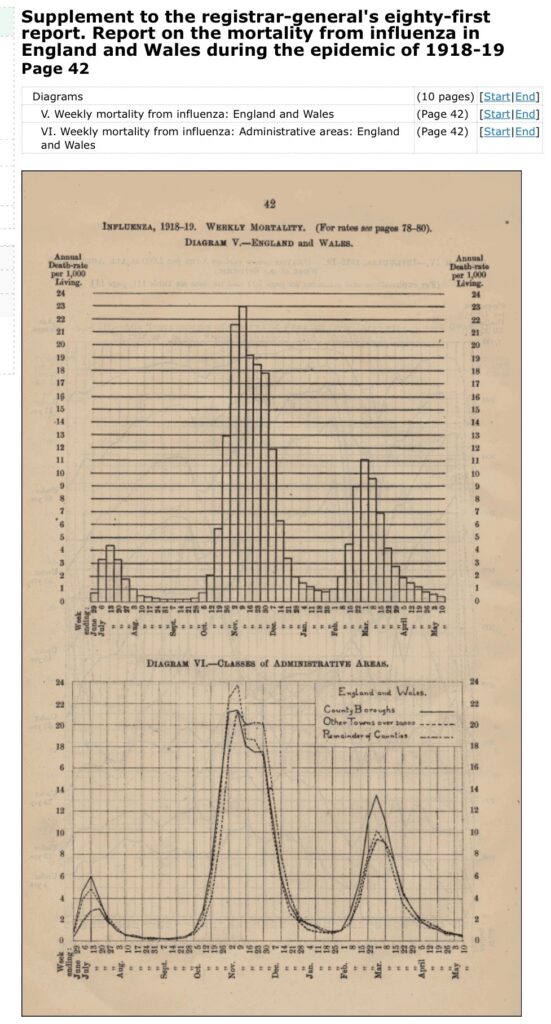
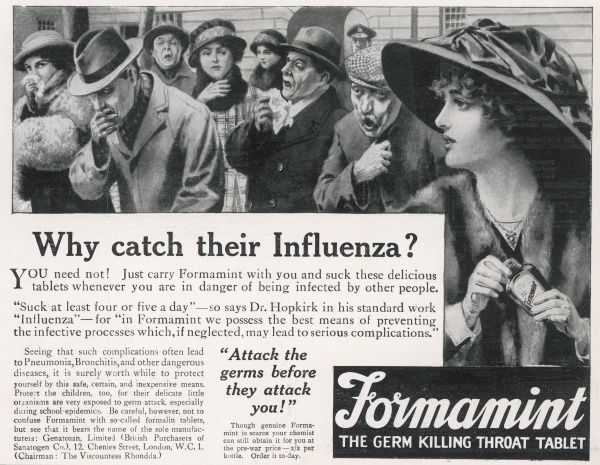
While I’d seen many parallels between the twentieth century pandemic and the modern one, the old disease sounded far worse, especially the second wave. In August 1918, the flu became more sinister. Not only were the symptoms worse, but more and more people developed bacterial pneumonia and this was what caused the majority of the deaths. Patients developed mahogany coloured spots on their cheekbones, within hours, their whole faces were red. Then the red began to turn lavender, or blue and the outlook became bleak. This ‘heliotrope cyanosis’ was the sign that death was imminent. The blue darkened to black, starting with the extremities. Death could be watched entering at the fingertips, stealing up the arms and into the torso. There were no antibiotics, no drugs to stop it.
Death came within days, sometimes within hours. Some people showed no signs of illness at all, they simply collapsed and died where they stood, unaware they were even sick. Pregnant women who caught the flu suffered miscarriages and premature births. People, lost their teeth, or their hair and bled spontaneously from the nose and mouth. Victims died by drowning in their own bodily fluids. One of the peculiarities of the illness was phantosmia, or olfactory hallucinations. Many sufferers reported smelling a strange scent, like musty straw. Some reported dizziness, insomnia, loss of hearing, taste, smell, or changes to their vision as their optic nerves became inflamed. Lots of people said their vision had become blurred, or that the world had turned to black and white.
The illness arrived without warning, like a thief in the night, and even those who recovered were not completely safe. After the fever had broken many became delirious and threw themselves about. Others had a strange feeling that the end of the world was nigh. Depression was common and there were many suicides. The changes to the senses often remained long after the flu had gone. To them the world looked washed out and dull.
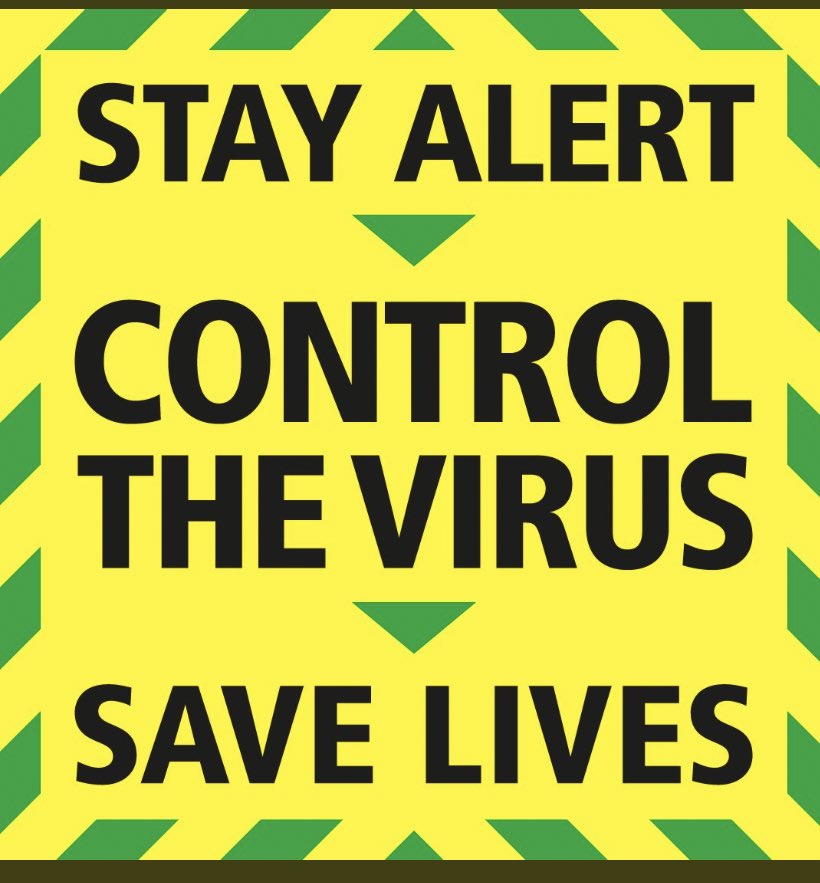
None of this made me especially confident that we were looking towards the light at the end of the tunnel in mid May 2020. The government might be slowly lifting restrictions but I, for one, was certainly going to ‘stay alert,’ and I had no plans to rush to the pub, cinema, museum or any other indoor hospitality venue now they were open. There was one change to the restrictions I was glad about though. After two months of walking alone, I was finally able to walk with a friend.
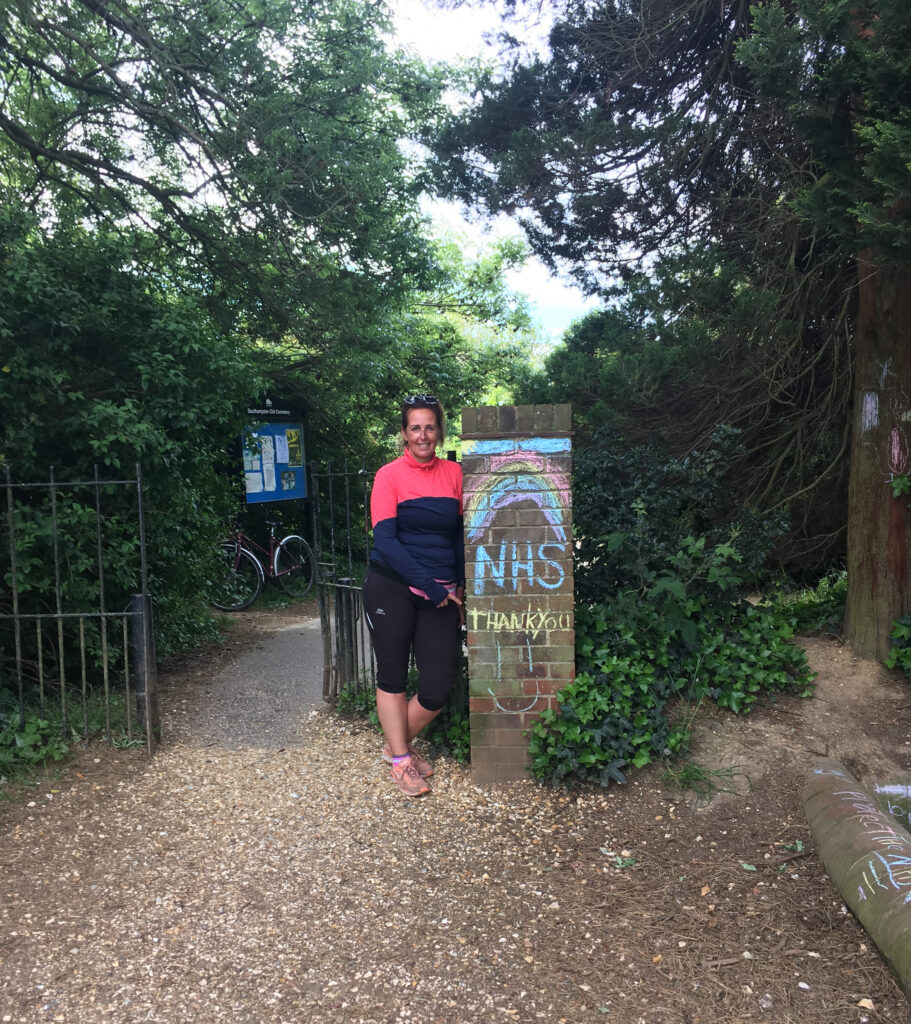
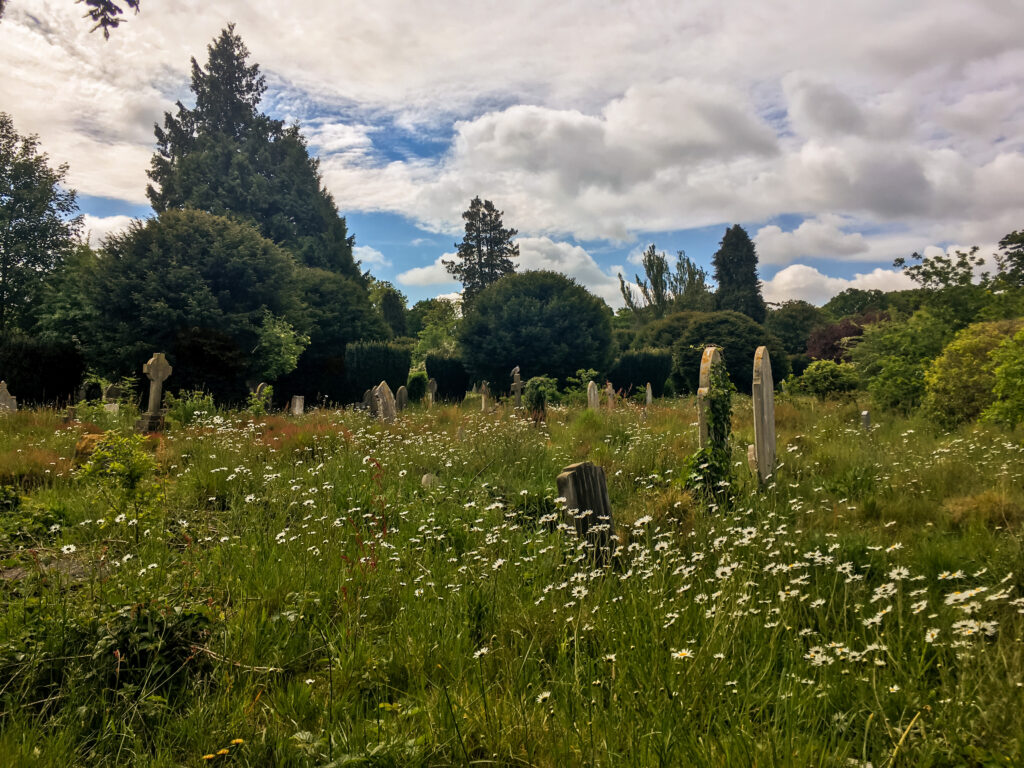
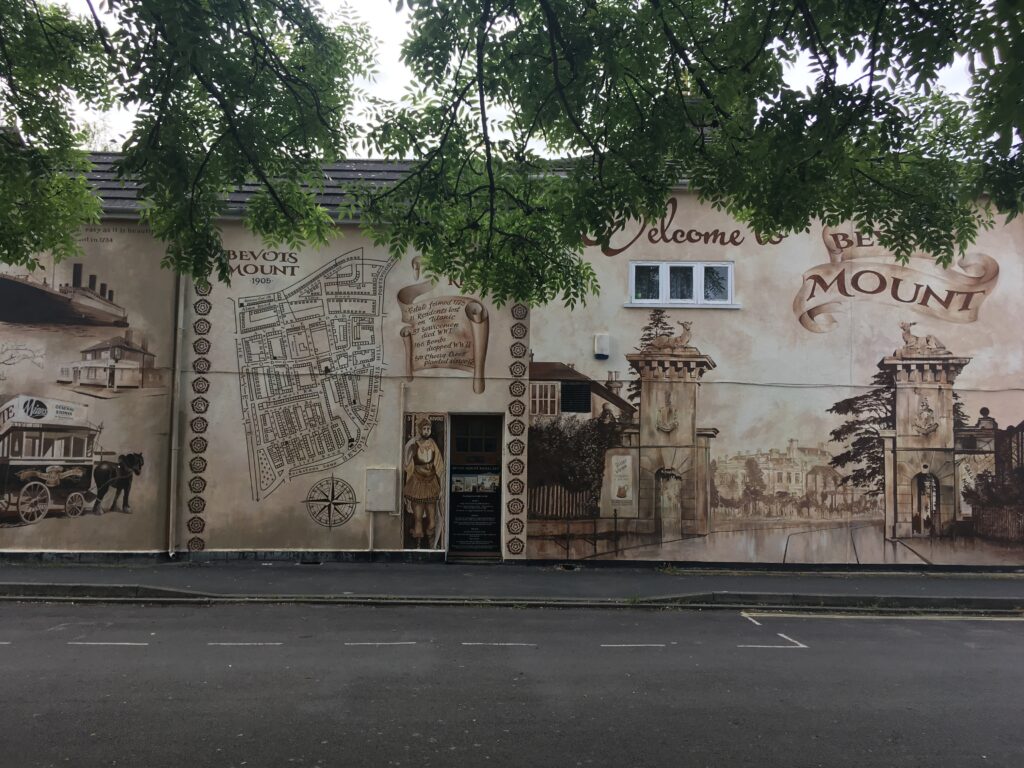
So, on 17 May 2020, with a tiny bit of trepidation, I met Kim for a walk. It wasn’t the longest walk in the world, just a wander around the Old Cemetery and a look at the Bevois Mount murals, but, after two months, it felt wonderful to be walking together and speaking face to face.
Fascinating to read about 1918 and that pandemic. We’re not through this one yet but the vaccinations are undoubtedly making a big difference.
I think the vaccinations will be the key. Modern medicine has made all the difference. Without it, i think we might have seen the number of deaths we did back then.
As always, enlightening, informative and an enjoyable read. However, is it possible that you could attach descriptions to your pictures rather than have us trying to guess where they are or what they depict?
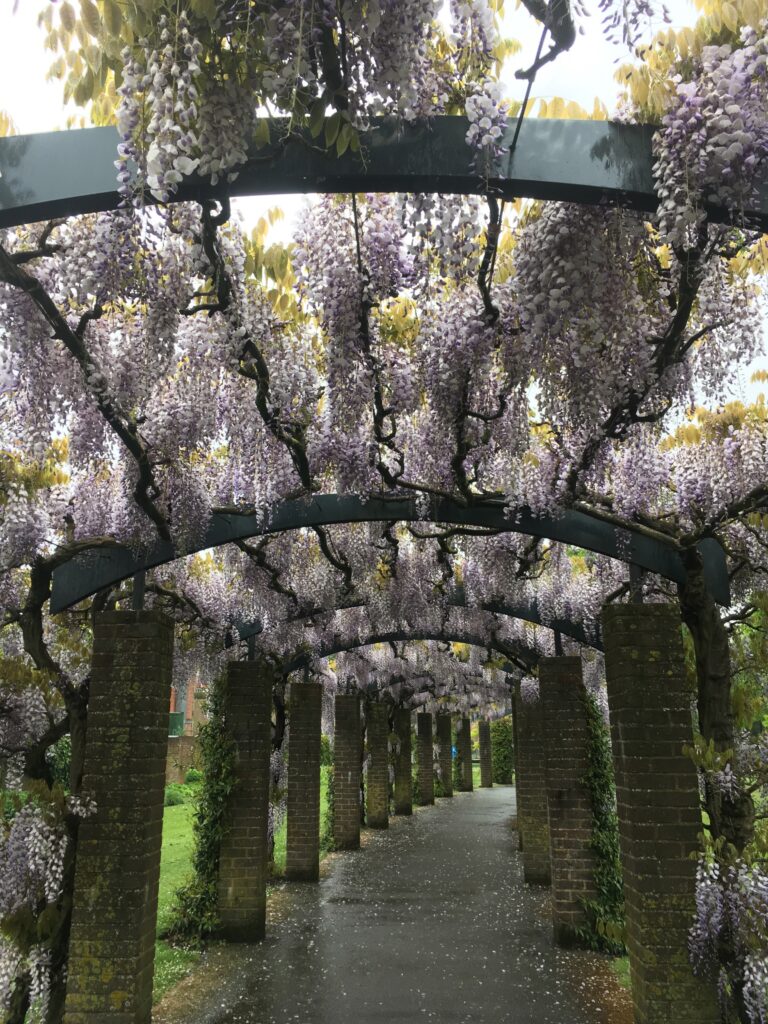
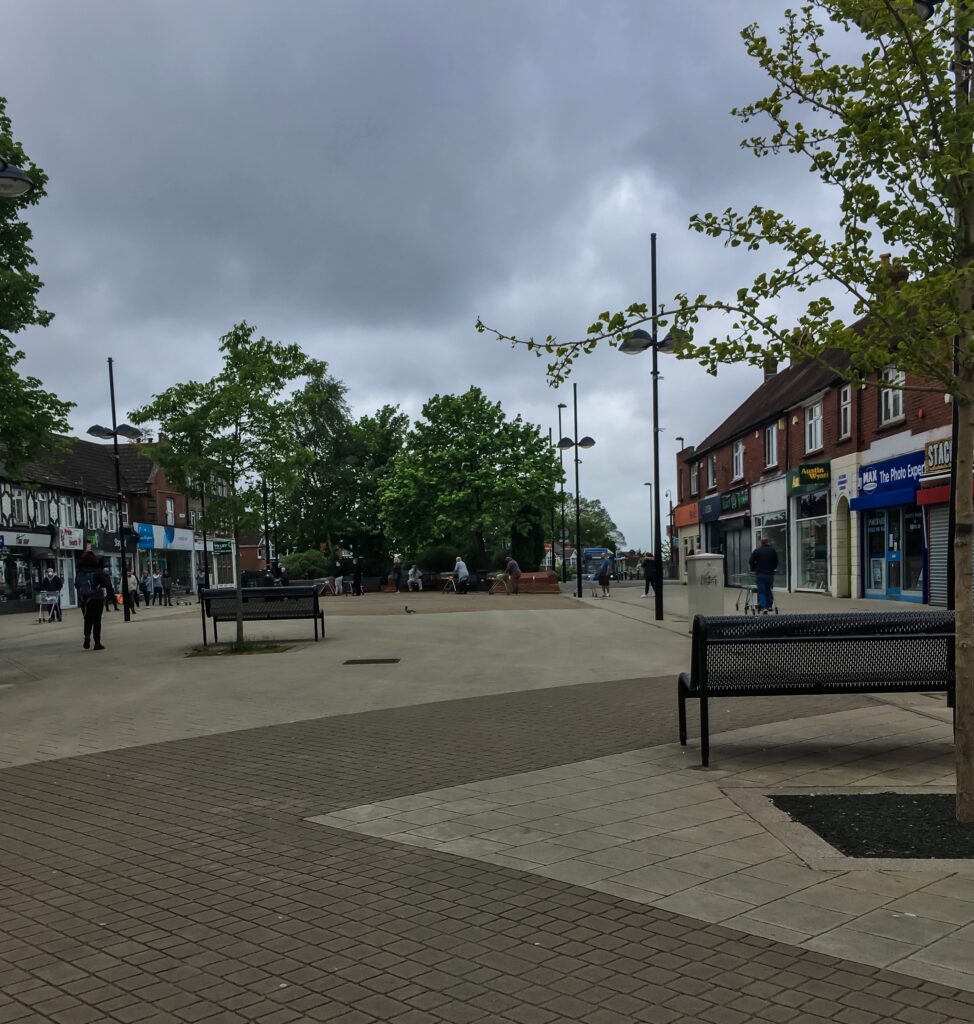
I’m glad you’re enjoying reading Steve. I will bear your comments in mind. In this post the first photos are the wisteria arch in Andrews Park, the next one is Bitterne precinct, the mosaic is on the bridge in Bitterne (I think) the final three are the Old Cemetery and the murals at Bevois Mount. I hope that helps.
Great, many thanks Marie, appreciated.
Steve Davis
I absolutely loved that time.Hardly any cars on the road meant the air was cleaner,many more children riding their bikes.It was a great time to walk,as I did everyday.I just kept my distance from everybody,and if I met someone I knew,We would chat about 5 feet apart and not think it was strange.Just the bad news on the TV about Covid was the only negative thing