
When I set off for a walk on 14 May 2020, I was not in the best frame of mind. A vague feeling of doom hung over me. The news should have been reassuring. Boris Johnson was back on his feet after his brush with the virus, the number of people being hospitalised was falling, the NHS had not been overwhelmed and five Nightingale hospitals had been built. At the end of April Boris had said we were past the peak and on the downhill slope. He even had a conditional plan for slowly lifting the lockdown. Best of all Oxford university had announced a partnership with Astrazeneca to develop a vaccine and researchers from University Hospital Southampton were involved in vaccine trials.
Since the incident near Mansbridge two weeks earlier, I’d limited my walks to quick loops of local streets and mad dashes into the supermarket. In between these I’d been working hard on a writing project but I’d hit a wall with it. I needed a real walk, with trees and interesting things. With the river out of the question I decided on a loop through my local common to Peartree Church and back via Peartree Green. Thankfully, when I reached the top of the hill, the common was empty. It felt like a good start.
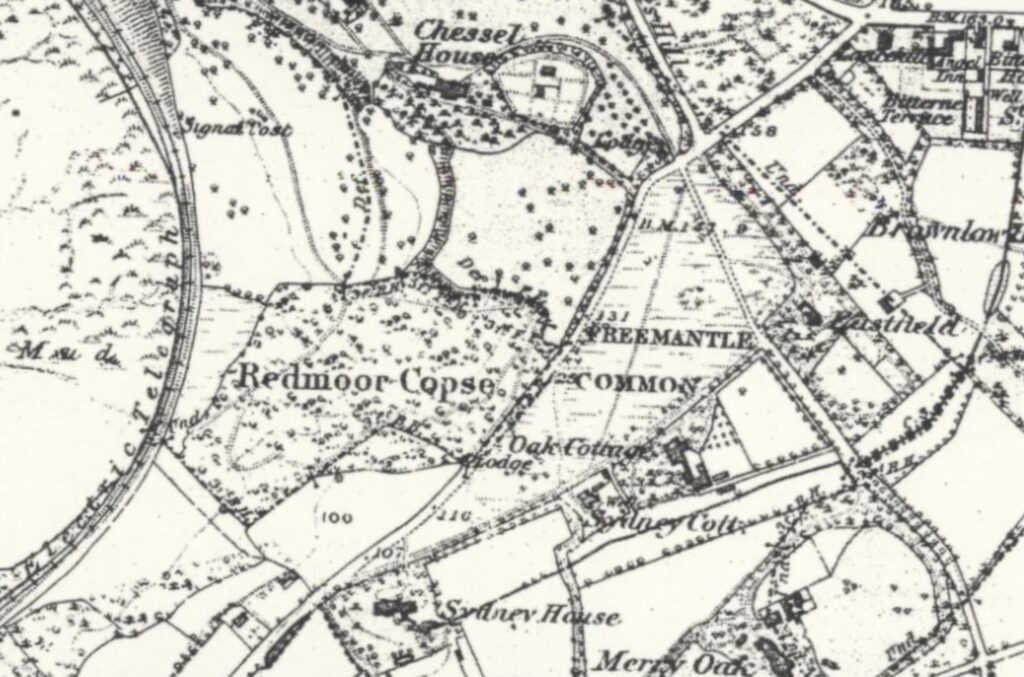
Freemantle Common is a small triangle of woodland that was once part of the manor of Bitterne. For centuries it had been held by the Bishops of Winchester and was designated as common land. In 1814, under the Bitterne enclosure award, Thomas Freemantle was allowed a piece of land on the opposite side of the road to the existing common, but when he died in 1834, this land was incorporated into the Chessel estate, belonging to David Lance, who was instrumental in the building of Northam Bridge. At some time over the next few years, the little triangle of land opposite was named Freemantle Common, perhaps in honour of Thomas Freemantle, and this is what it is called today.
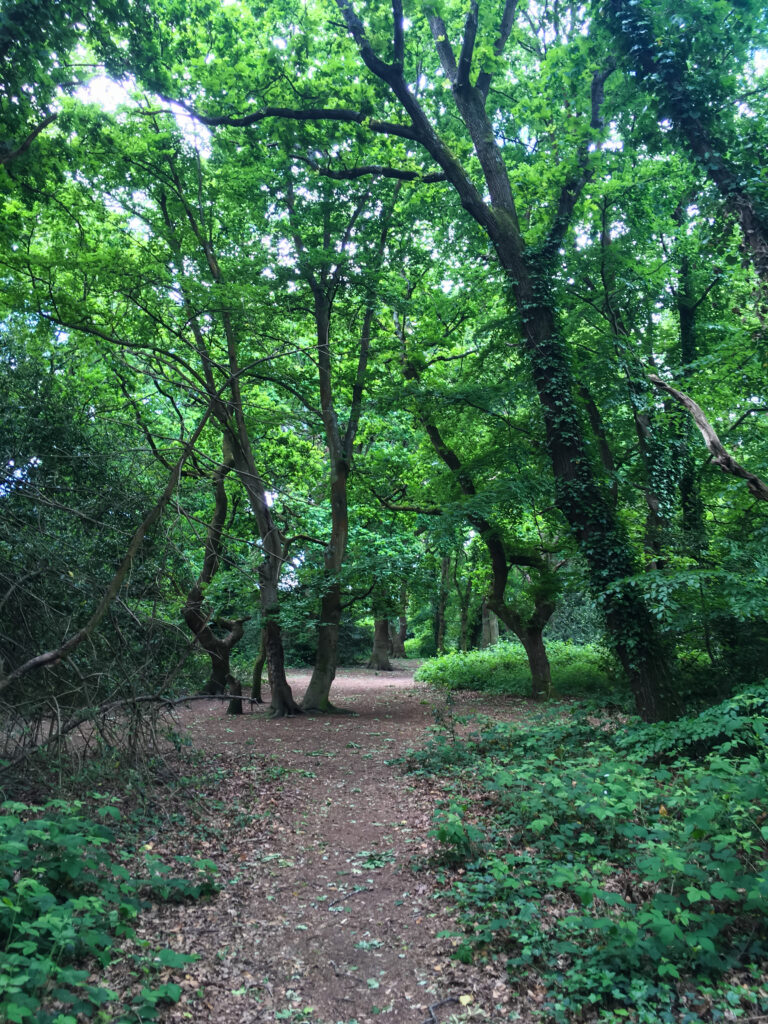
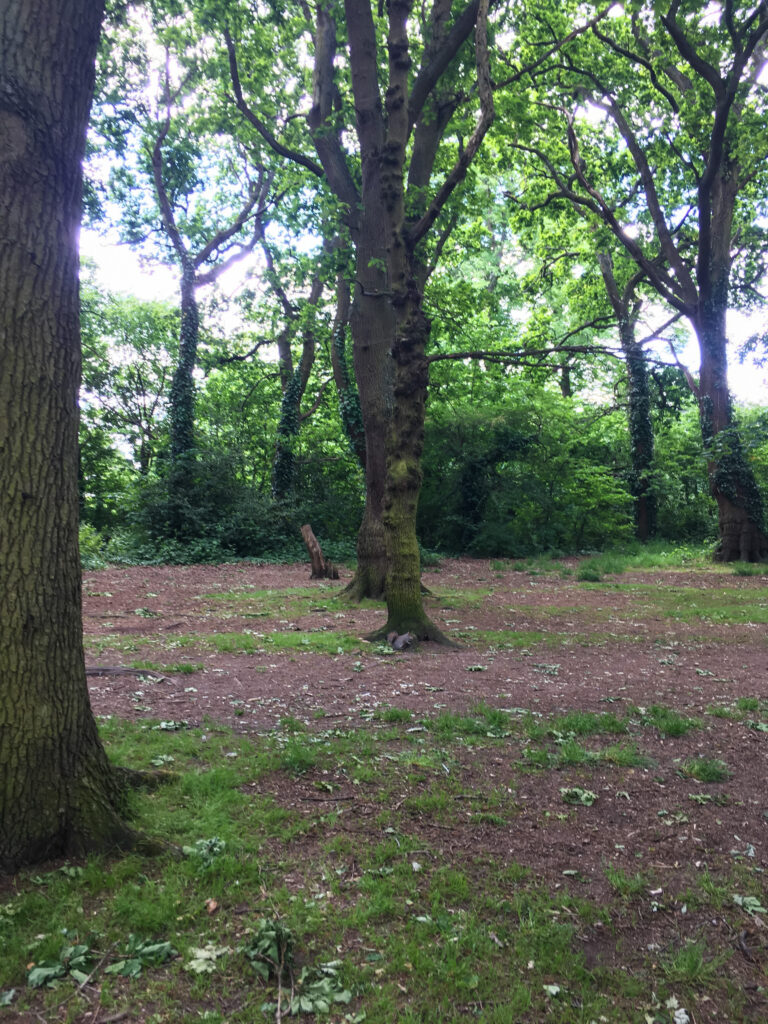
It is a very small piece of land but the woodland provides some welcome shade on a hot day. Usually there is a gentle hum of traffic from the nearby road, but, during lockdown, the road was blissfully empty. I dawdled through, accidentally scared a few squirrels and began to feel a bit better. The healing powers of woodland are surprising, even teeny, tiny triangles of woodland.
Sadly, I was soon back on the road and the quiet of the streets reminded me that these were unusual times. More than twenty six thousand people had died. Shops, schools, pubs, gyms and many other places were still closed. My wedding anniversary and birthday at the beginning of May had been strange affairs with no celebrations, no family visits. It may have been a landmark birthday with a zero on the end but, in the great scheme of things, a lack of celebration was a minor issue. Nonetheless the strange feeling of despondence wouldn’t quite go. This virus was an unknown quantity. It wasn’t the same as Spanish flu at all but all the research I’d been doing still played on my mind. The 1918 pandemic had come in waves and lasted into 1920. There had been many false dawns then, was this a modern day equivalent?
The distance between the top and bottom of the common and the stretch of road from there to the church is about the same. In it I’d gone from feeling positive to feeling negative again. It seemed waves were not just for viruses. Perhaps a little wander around the churchyard would put things into perspective.
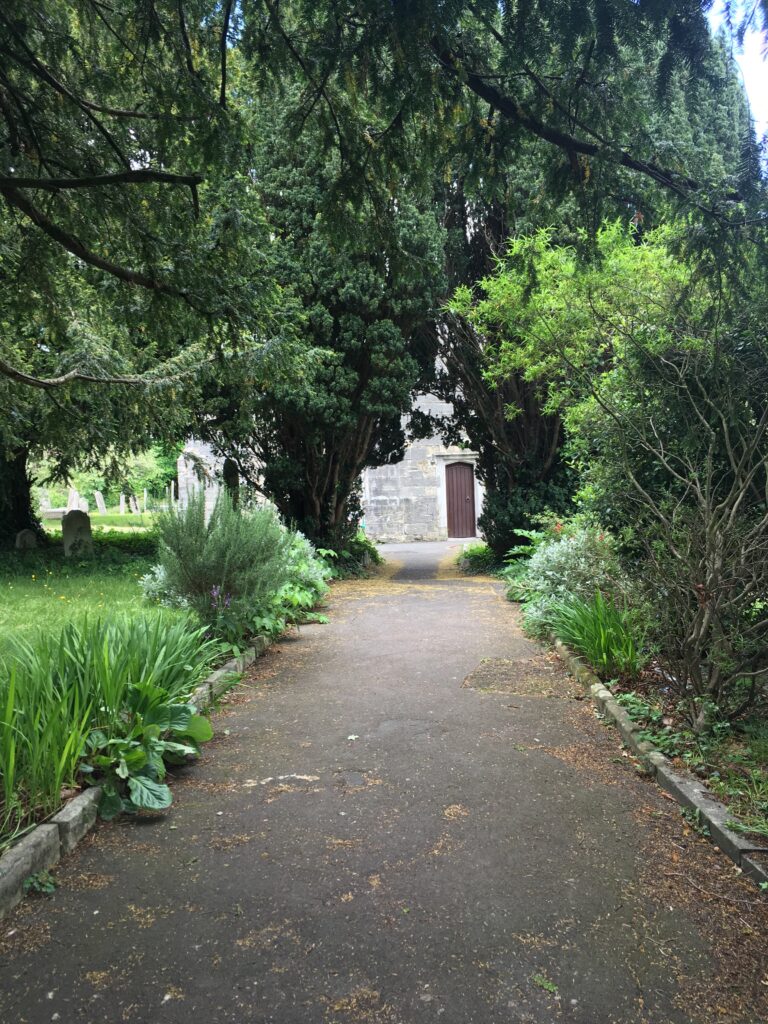
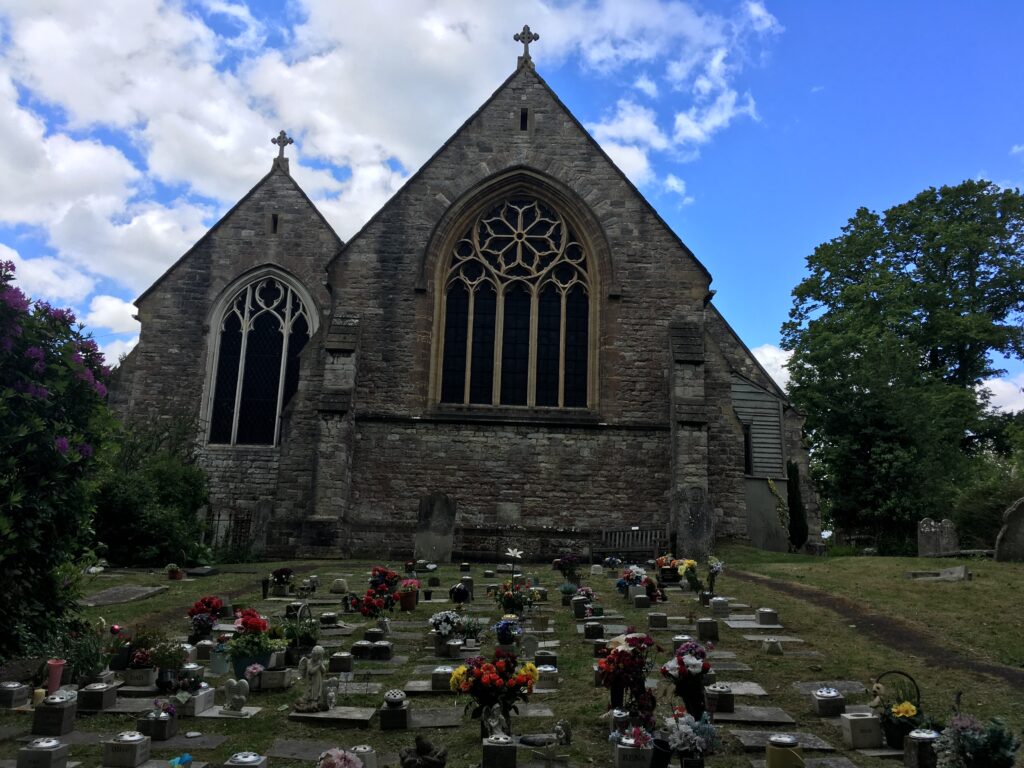
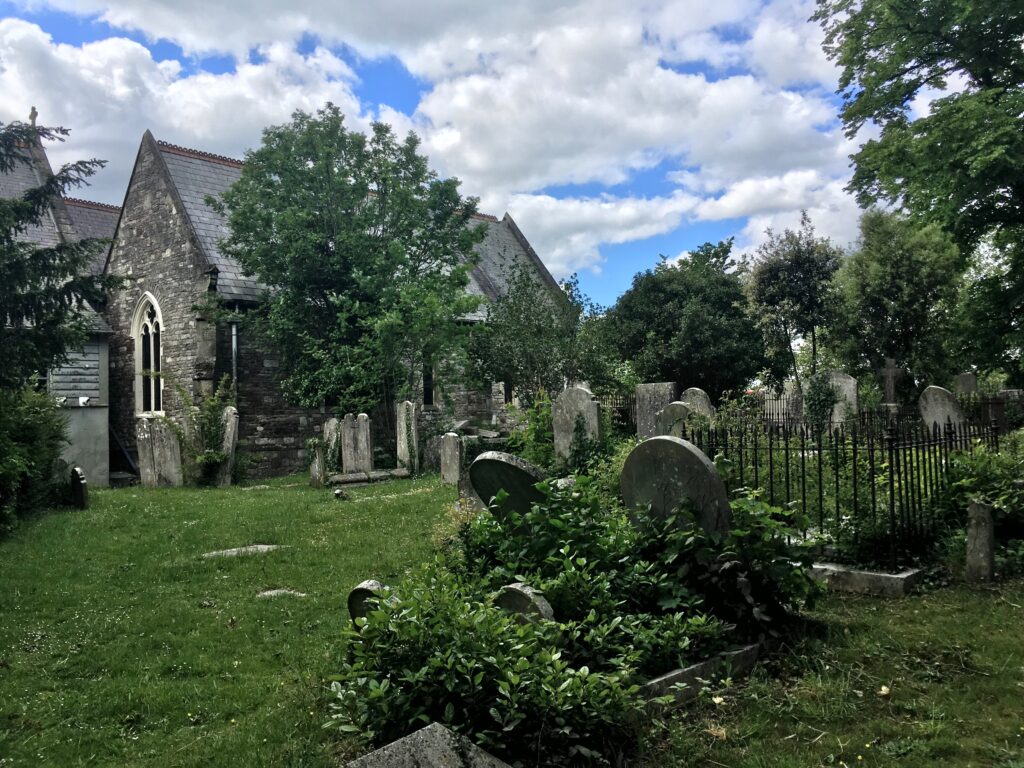
The pretty little church, also known as Jesus Chapel, or St Mary Extra Church, was built in 1618 and in 1620, was the first in England to be consecrated after the reformation. Sadly, the lockdown meant celebrations of its four hundredth birthday, had been put on hold, much like my own special birthday. At least I was in good company.
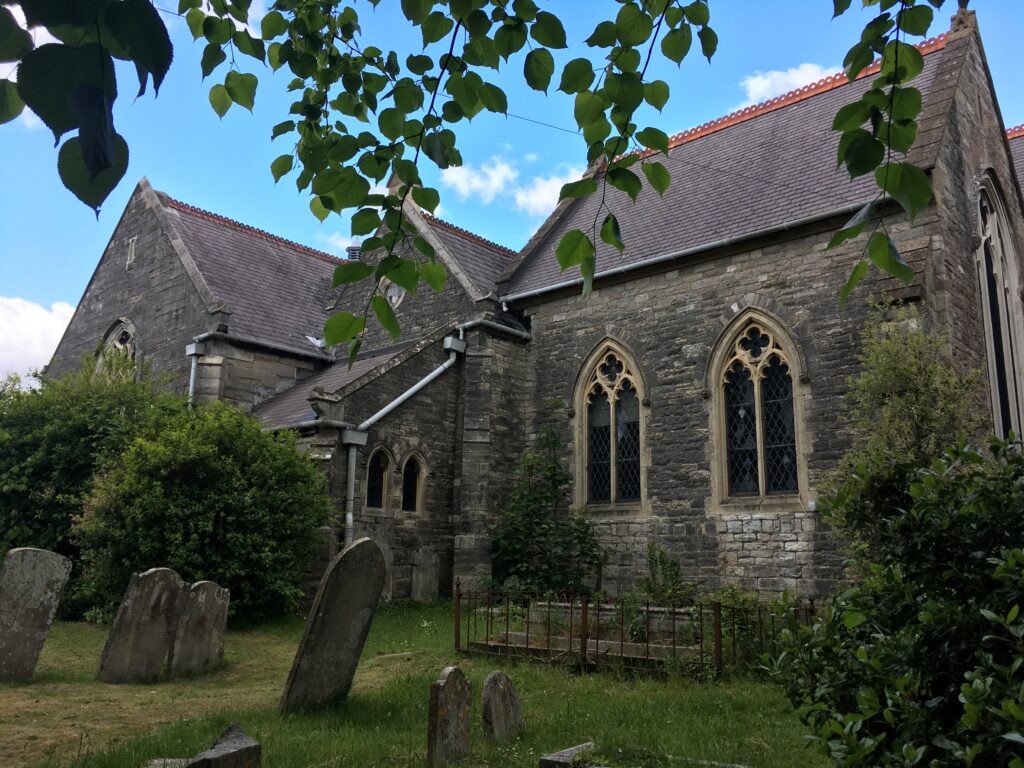
The chapel was originally built to save the people of Itchen Ferry from crossing the river to visit St Mary’s Church in Southampton, hence the name St Mary Extra. In winter and in bad weather, this would not have been a pleasant, or a safe crossing. In 1849, the church was described by Philip Brannon as, ‘beautifully embowered by ancient oak and yew.’ This is still true today. In fact, when the trees are in leaf, it’s quite difficult to see the church at all from the road.
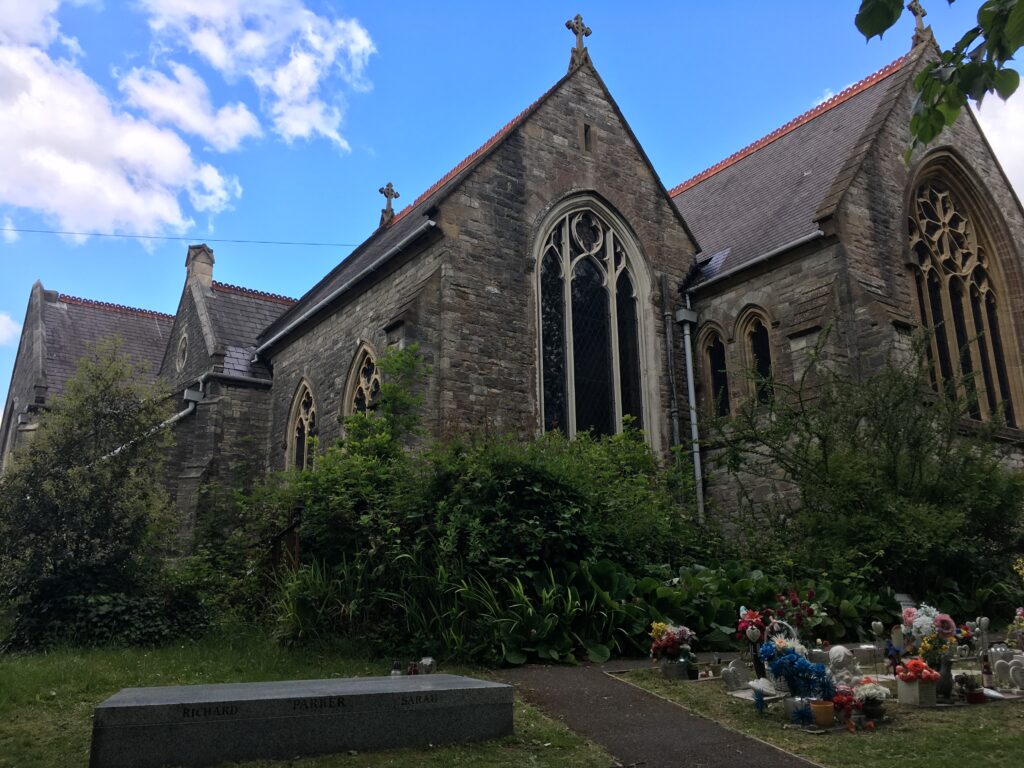
There are some very interesting graves in the churchyard, not least of these the grave of Richard Parker, the poor cabin boy who was killed and eaten by his shipmates after their ship, the Mignonette, was wrecked. I have told his story before, so I won’t repeat myself but you can click the link to find out more. This did not feel like a day for reading gravestones somehow, so I just wandered around the churchyard slowly, enjoying the greenery and the peace.
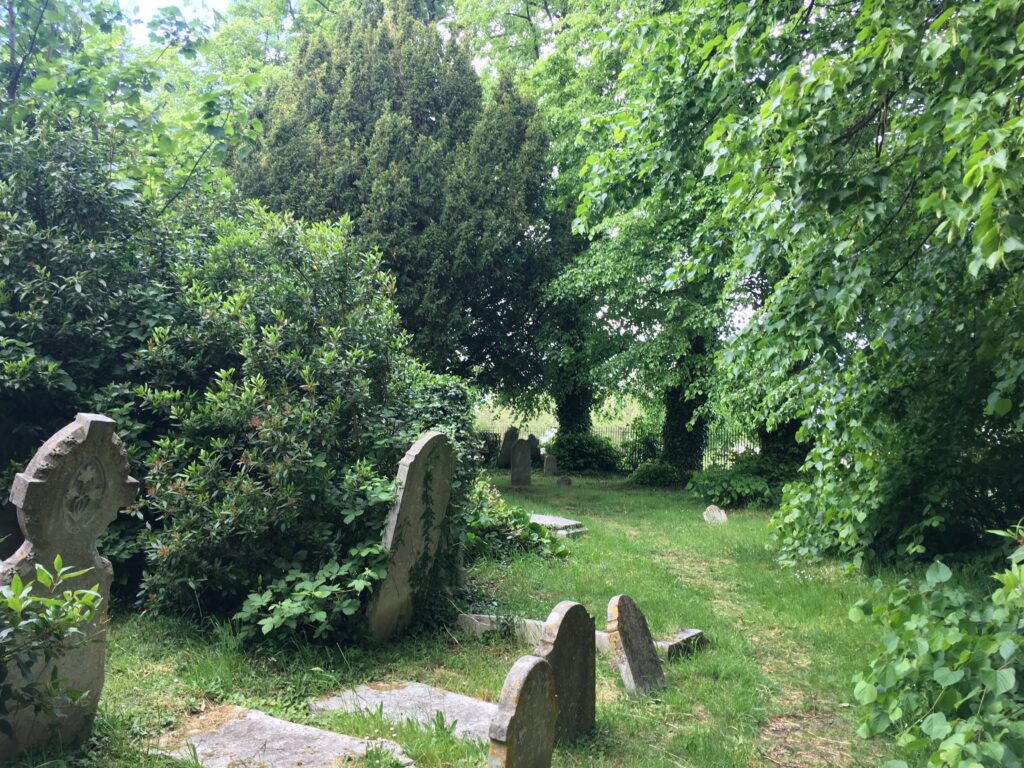
There is something soothing about an old graveyard. Maybe it’s the way nature tries to reclaim everything, the grass growing up through every little crevice and greenery colonising every space. The old stones, leaning this way and that, with their words slowly eroding are a reminder of the impermanence of all things. Everything passes in the end, even a global pandemic.
Most of the graves in the Peartree churchyard are humble affairs, representing the people who lived in the nearby ferry village. A few are more elaborate, like the Rosoman memorial, erected in the 1860’s to commemorate a prominent local family. Richard Robert Loane Rosoman in particular, was active in preserving Peartree Green as an open space. Thankfully, he got his wish and two roads in nearby Sholing are named after him, Rosoman Road and Loane Road.
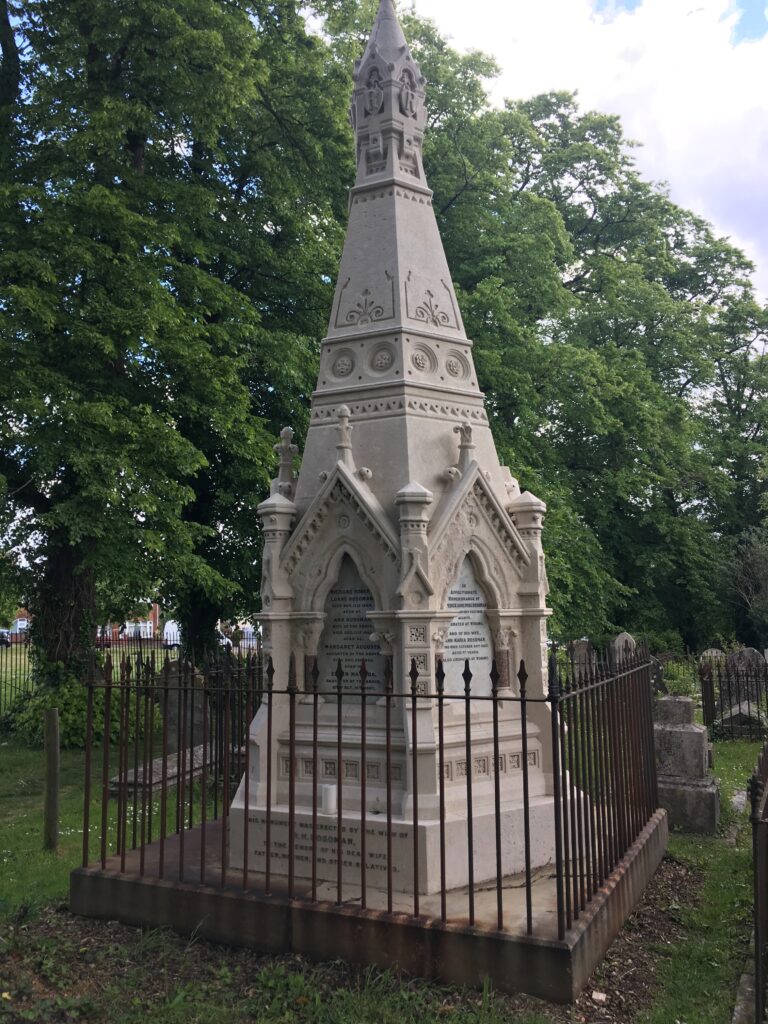
Sadly, Richard Robert Loane Rosoman met an unhappy end. He was one of the eighty six passengers and nineteen crew lost when the SS Stella sank. On 30 March 1899 the steamship was heading for the Channel Islands for a special Easter excursion. It was a sunny morning when she left Southampton, but, in the early afternoon, banks of fog slowed her progress. By the time Captain Reeks saw the Casquets lighthouse, it was too late. At four o’clock the Stella hit a submerged granite reef. It took eight minutes for her to sink. There was no panic. The men, including Rosoman, waited patiently while the women and children were put safely on the lifeboats. Four boats were launched. A fifth, fully laden, capsized. The wreck of the ship was finally discovered south of the Casquets in 1973.
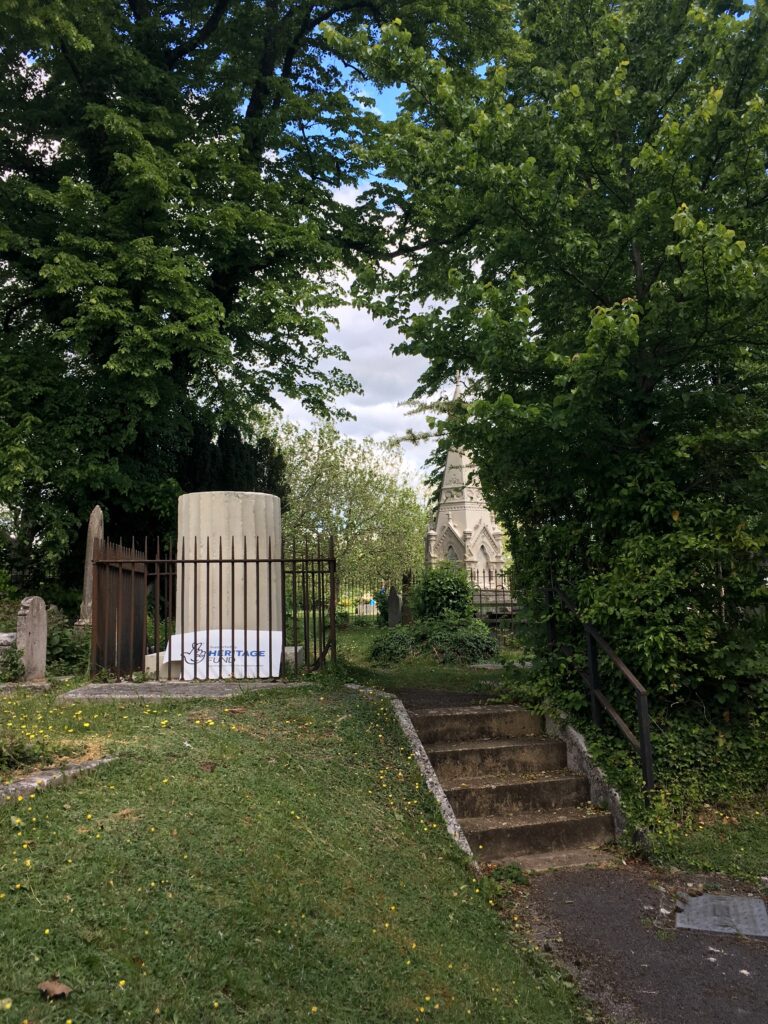
Disasters are often catalysts for change and the institution of new safety measures. The inquiry into Stella’s sinking focused on whether the she had been racing against a Great Western Railways ship rather than the fact that her lifeboats did not have the capacity to carry all the passengers and crew on board. Perhaps if it had, lessons would have been learned and the sinking of Titanic thirteen years later would not have been quite such a tragedy.
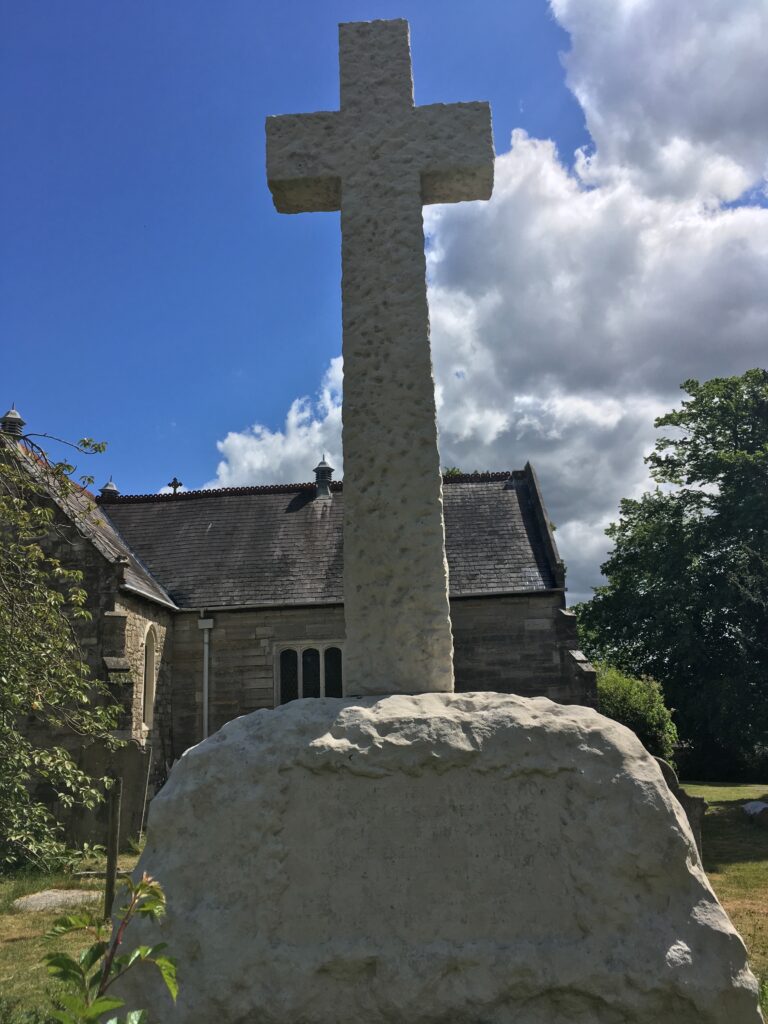
As I left the churchyard and walked across the green towards home my mind turned back to the pandemic. Whether we really were past the peak, or just at the crest of one of many waves, it would end eventually. I couldn’t help wondering what lessons we would have learned when it did?
An interesting and thought-provoking post, Marie. Sad to reflect on the shipwreck and how the opportunity to learn lessons was lost. I sincerely hope we have an official reflection on this pandemic – one which isn’t designed to apportion blame, but to prevent another disaster.
It would be nice if there was some kind of memorial to all those lost but, as the Spanish Flu dead were never remembered, I doubt it. The way things are politically right now, I imagine it will all be about blame and nothing about what was done right, or lessons we could learn. Perhaps I’m being too pessimistic though.