
The years of the Great Depression were hard for the working classes of Southampton. They had no control over what was happening, and most had little understanding of the causes. The Roaring Twenties had bypassed them. Men working in low-paid, insecure jobs, had no money for frivolity or playing the stock market. They lived from hand to mouth at the best of times. Sadly, the depression, when it came, did not bypass them. Lives that had always been hard became harder. There was little for it but to carry on as best they could. This is the world the characters in Seventh Daughter inhabited, and researching the political and economic climate in 1931 led me down some interesting rabbit holes.
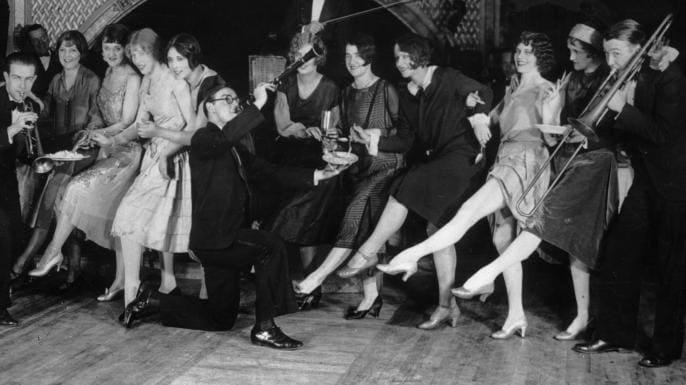
It had begun three and a half thousand miles away on Wall Street. In 1920s America industry flourished, money flowed, and everyone wanted to get in on the act. It was a time of decadence, speculation and plenty. It looked as if the good times would never end, but behind the glitter and prosperity lurked a catastrophe waiting to happen. People were playing the stock market and making fortunes in a fever of fiscal optimism. It was a fool’s paradise. Men borrowed money to buy stocks and shares, hoping to get rich quick. Banks used their customer’s personal savings to speculate and increase their profits. The cycle couldn’t continue. By late 1929, things were so out of control that banks had loaned more money than was circulating in the country.
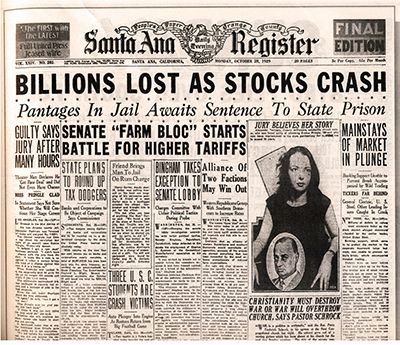
Then the share prices began to fall. People panicked and sold, desperate not to lose all their money. Before long, so many were selling and so few buying that the economy was teetering on the brink of collapse. The shares people had borrowed money to buy were no longer worth what they’d paid for them. They couldn’t repay their loans. On Black Thursday, 24 October 1929, America saw the largest sell-off of shares in history. Five days later, on Black Tuesday, investors traded sixteen million shares in a single day. Billions of dollars were lost. The stock market had crashed.
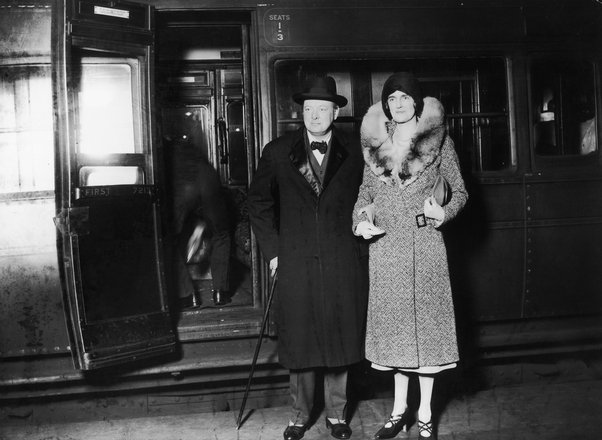
Rumours circulated that hundreds of distraught investors and bankers had leapt from tall buildings, having lost everything. Desperate as the times were, these were gross exaggerations. Reports of incidents that did happen gave the urban myth the ring of truth. Winston Churchill, out of office after the defeat of the Conservative government, was in New York on a lecture tour. He was there to witness the crash that lost him a fortune, along with an event that perpetuated the myth. In an article in the Daily Telegraph on 19 December 1929, he wrote, ‘Under my very window, a gentleman cast himself down fifteen storeys and was dashed to pieces, causing a wild commotion and the arrival of the fire brigade.’
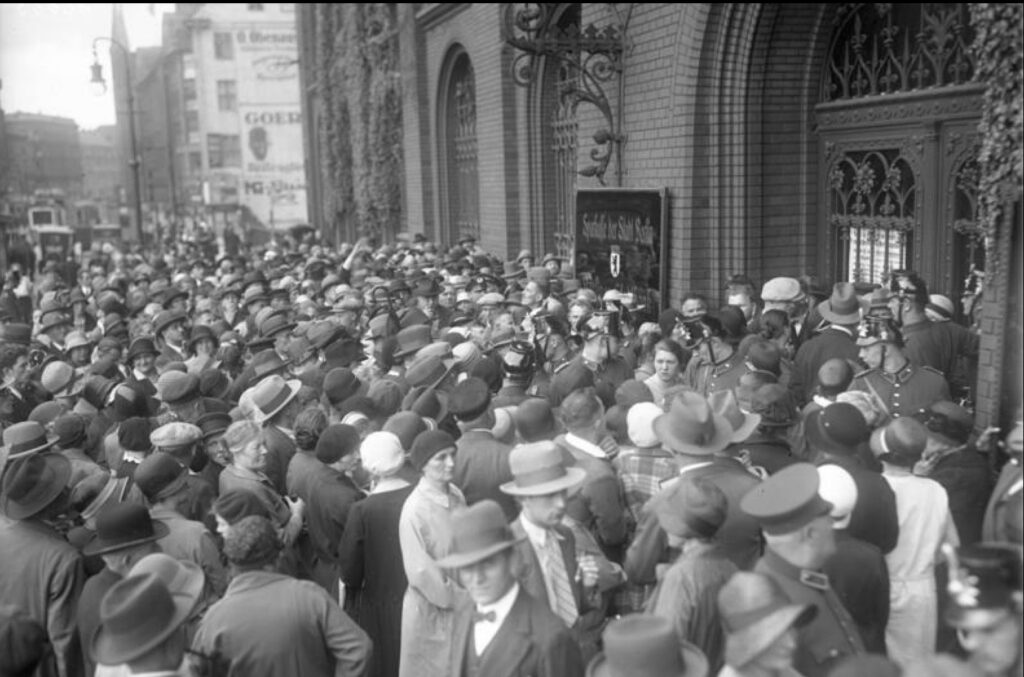
The fallout spread across the world. American lenders recalled their foreign loans and capital, causing a currency crisis in Europe. At the same time, Americans, impoverished by the crash, stopped spending on European luxury goods. Unemployment followed, and Germany was terribly affected. Industrial output fell by more than a quarter, unemployment soared, and, in the summer of 1931, a large textile firm defaulted on its loans and the first German bank, Dantabank, collapsed. More banks followed. People lost confidence in the banks and withdrew their money. In July, Germany abandoned the Gold Standard. As the Gold Standard was linked to countries worldwide, the crisis spread.
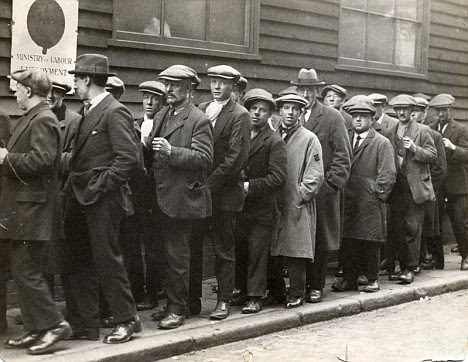
As a major exporter, Britain was also affected by the American Crisis. Exports halved in the first years after the stock market crash. Consequently, unemployment rose, especially in the coal, iron, steel and shipbuilding industries. Poor families were starving. Scurvy, rickets and TB were rising. When Britain felt the pinch of the German banking crisis too, the government looked at spending cuts and, in July 1931, suggested decreasing the unemployment benefit by twenty per cent. For those living on the poverty line, this would have been a disaster.
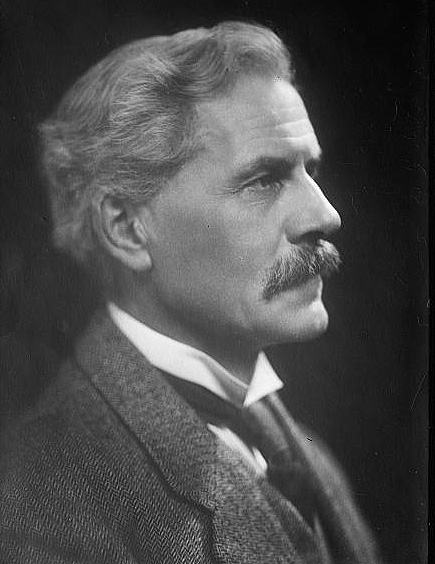
By August, the government was deadlocked over the budget crisis. Some Labour members refused to support budget cuts, especially the cut to the unemployment benefit. The Labour government collapsed, and as an emergency measure, the King encouraged Ramsay MacDonald to form a coalition government of all the political parties. Some Labour MPs, including Southampton’s Tommy Lewis, refused to team with the Conservatives, but Conservative leader, Stanley Baldwin, agreed, and on 24 August, the National Government was formed.
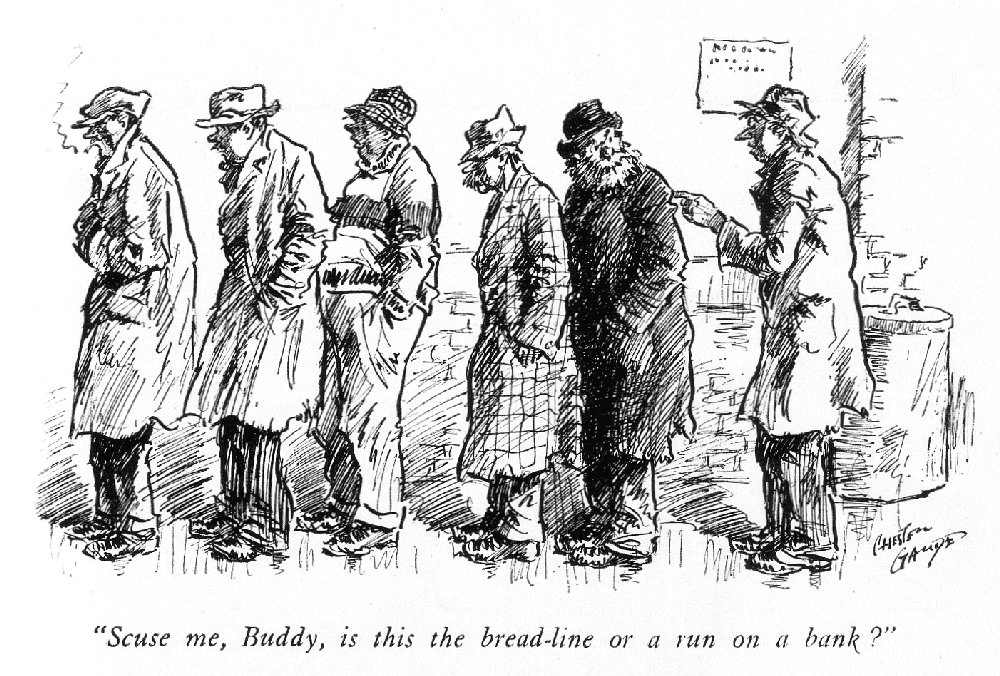
On 28 August, the unemployment benefit was cut by ten per cent, and a means test was instituted. Out-of-work men were forced to prove they deserved the dole. The test was intrusive, and the officials who carried it out were insensitive. My father-in-law remembered it well from his childhood. If a family of three had four chairs, they would have to sell one before they could claim. He also remembered his mother pawning her shoes to get money for food and walking home barefoot.
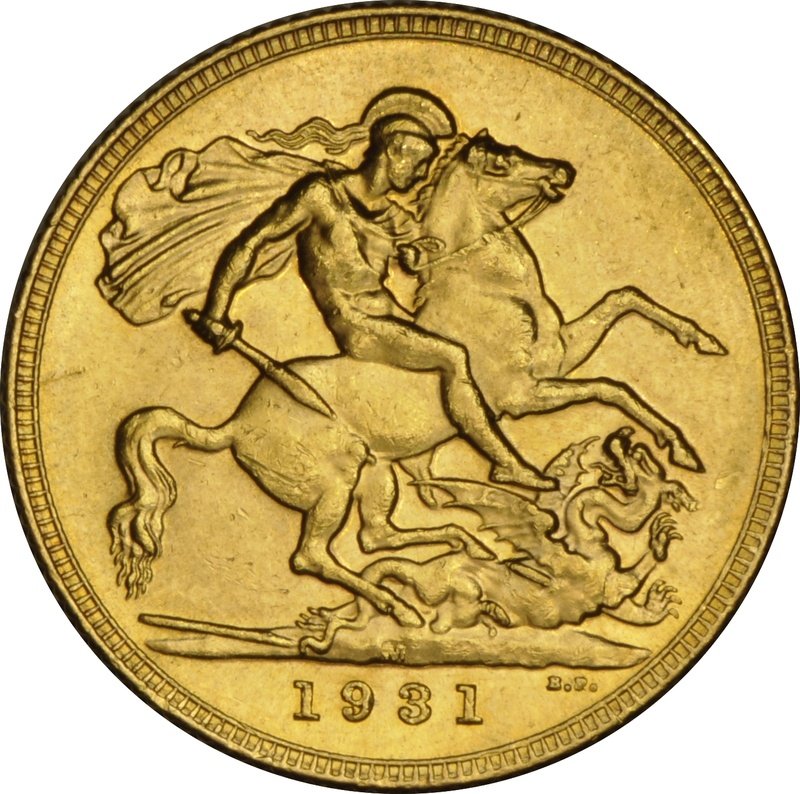
On 21 September, the British government abandoned the gold standard. The sterling exchange rate immediately fell by twenty-five per cent, which made British exports more competitive. If you’re wondering what the Gold Standard was, as I was when I was researching, Albie Joyce explains it to Sam in Seventh Daughter far better than I can.
‘It means the value of our money is linked to gold.’ Albie wiped the spokes of one of the pram wheels with an oily rag. ‘So, in theory, you could take your pound note to the bank and ask for its value in gold.’
‘Why would you want to do that?’ Sam sat with his paintbrush poised and surveyed the upturned chassis of the pram with a look of concentration. He had a smear of black paint on his cheek.
‘Well, people did. Rich people got scared about the depression and started going to banks with their paper money, demanding gold. It got so bad the Bank of England was running out, so now they’ve abandoned the Gold Standard.’
‘Oh.’ Sam began painting again. ‘I don’t suppose it makes much difference to men like us, though, do it? None of us has spare money to turn into gold, and you can’t eat it, wear it, or burn it on the fire.’
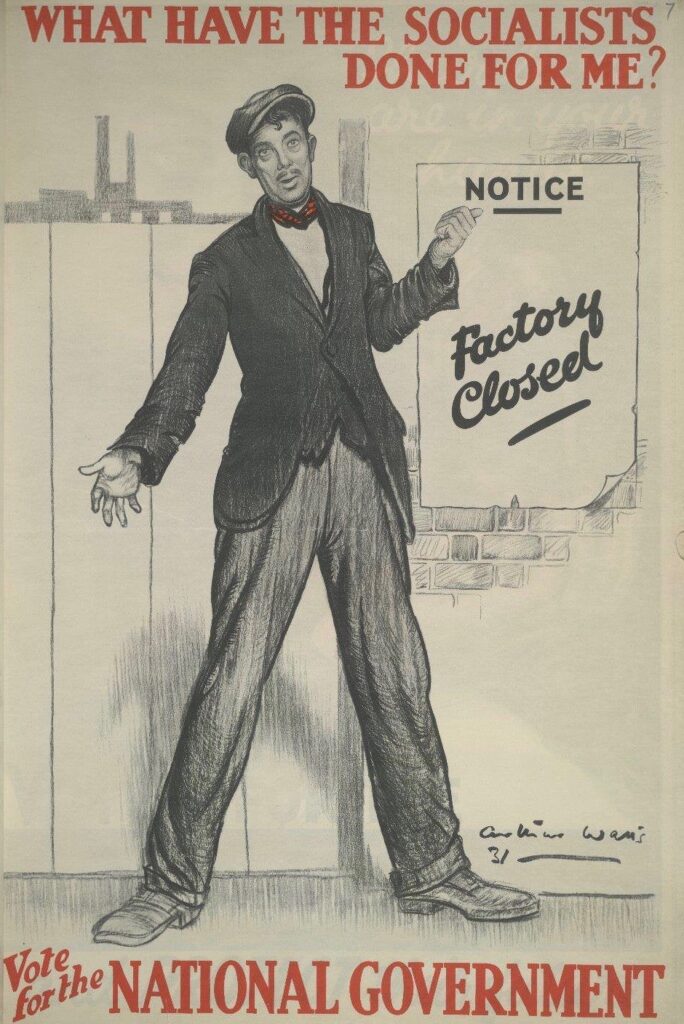
On 27 October, an election was called, and the National Government won a landslide victory. Tommy Lewis was among the Labour MPs who lost his seat. Ramsay MacDonald remained Prime Minister, but the mismanagement of the crisis had damaged his party. It was the beginning of the end of the depression, but it would take several years for the impact to take effect. Until then, the working classes suffered. It would be nice to think that lessons have been learned, but I’m not sure they have.
If you like what I write, and you’re interested in my novels are available now on Amazon in paperback, on Kindle and via Kindle Unlimited. Check out my Amazon page here and my Goodreads page here. If you would like to help me keep writing, you can now buy me a virtual coffee by clicking on the little orange coffee cup at the bottom right.
A very interesting post. I don’t think those in power have learned much at all.
Me neither.