
Daisy Woodman, the inspiration for my third book, Seventh Daughter, was the seventh daughter of a seventh daughter. She was one of nine children, and her mother, Florence Weaver, was one of eleven. Large families were nothing out of the ordinary in the early 1900s, but family sizes decreased dramatically in the first half of the twentieth century. Today, a seventh daughter would be a very rare thing indeed, and this is, in part, due to a book, Married Love, written by Marie Stopes in 1918. Marie Stopes’ book didn’t contain any new or revolutionary information about contraception, it simply made it available to the masses.
Women had been trying not to get pregnant since biblical times, with various degrees of success. Some methods seem laughable now, like Roman women tying leather pouches filled with cat’s liver to their left foot, spitting three times into a frog’s mouth, or turning a mill wheel backwards at night. Another slightly more successful method employed in ancient times was douching using substances such as alum, quinine, lemon juice and baking soda. Some of these were more effective than others. Many were decidedly unsafe and caused serious burns.

Many women relied on knowledge of herbs and plants, passed down from generation to generation. They used the concoctions they made as douches, suppositories or teas with varying degrees of success as either contraceptives or abortifacients. One of the most important plants was silphium, a giant fennel-like plant found in the coastal city of Cyrene. Its success as a contraceptive was so great it was reported to be worth more than its weight in gold and was even depicted on the four-drachma coin. The seeds of the plant were heart-shaped. Some historians believe they are the origin of the heart shape as a symbol of love. Because of its widespread use, it was over-harvested, and the plant became extinct in around 2 BC.
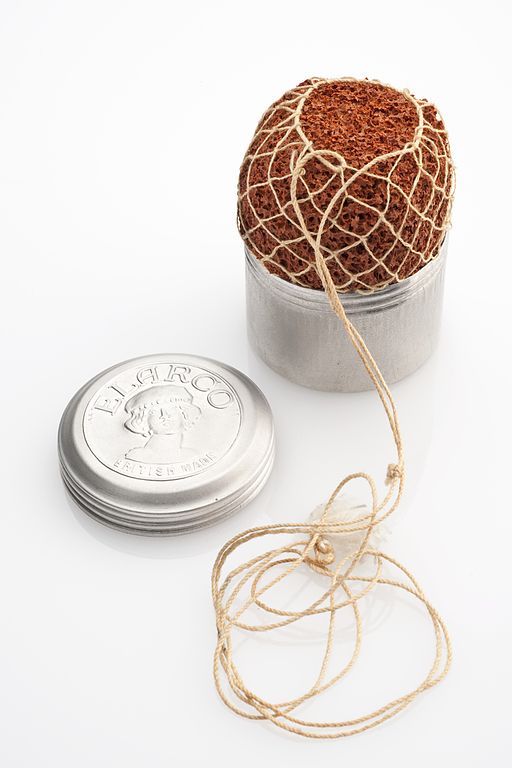
A more successful method, mentioned in the ancient Jewish texts of the Talmud, was the sponge. Historical Islamic, Greek and Jewish culture favoured cotton sponges, Slavic women used linen rags, and Japanese women used balls of bamboo tissue paper. They often soaked these sponges in substances such as iodine, alcohol, quinine and carbolic acid to make them more effective.

The first documented use of the condom was by King Minos of Crete. The story is that this bronze-age king had serpents and scorpions in his semen that killed his mistresses. He used the bladder of a goat to protect his wife, Pasiphae. The Ancient Egyptians used linen sheaths, while the Ancient Romans used linen and animal intestines or bladders, and the Chinese used silk paper. They were primarily used to prevent disease but had the added advantage of preventing pregnancy. By the eighteenth century, brothels sold condoms made of linen or animal skin to their customers. They were expensive, but when vulcanised rubber became available in the 1850s, the price dropped and made them accessible to the lower classes. The advent of vulcanised rubber also led to the development of the Dutch Cap by anatomist and physician C Haase in 1870.
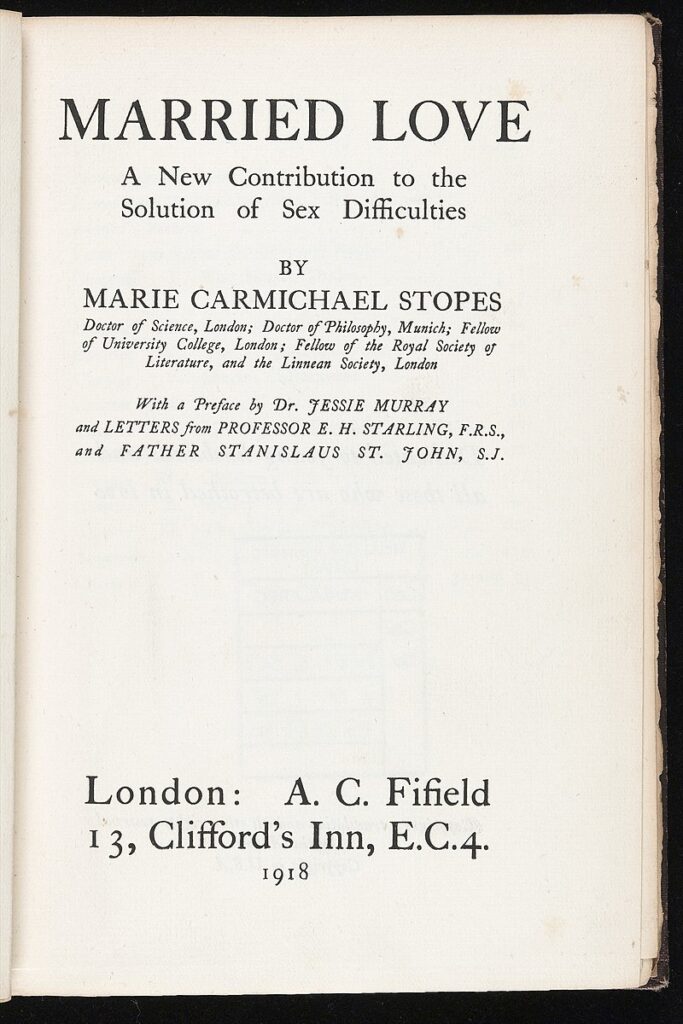
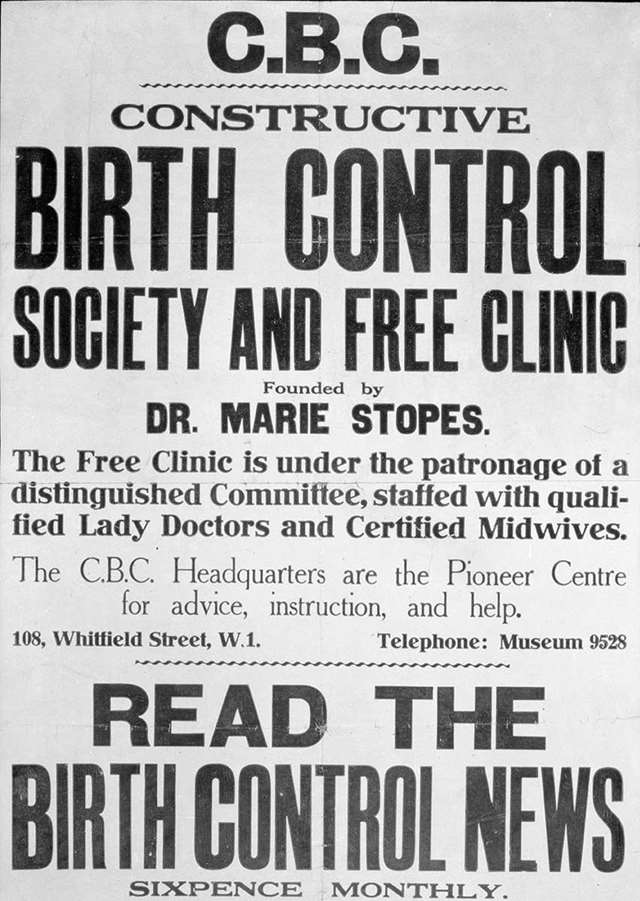
Marie Stopes’ aimed her book at respectable married women, who had, until then, nothing but old wives’ tales to help them avoid the never-ending cycle of pregnancy and birth. By the 1930s, it had sold over 800,000 copies. Even so, the responsibility for contraception remained mainly in the hands of men. An oral history investigation I found in the National Library of Medicine when I was researching Seventh Daughter gave an interesting insight into birth control in the early part of the twentieth century. If you have time, it is well worth a read. Interviews showed that women may have wanted to limit their families, but working-class women were not keen on caps and pessaries. While over half the middle-class women interviewed used female methods and a third used them solely, the working-class women found them difficult and ‘at odds with their expectation that they should play a relatively passive role in sex.’ Many of the working-class men in the study were not keen on ‘French letters,’ once they’d tried them and resorted to abstinence, or withdrawal, euphemistically called ‘getting off at Mill Hill,’ by some interviewees.
The inevitable failure of such risky methods forced desperate women to take desperate action. Abortion had been illegal in England since 1803, and abortionists faced several years in prison or even the gallows. Prosecution was rare, though, unless a woman died or became seriously ill. Polite society didn’t discuss abortion, and if they did, it was usually associated with prostitutes and seen as a form of infanticide. During the depression, the working-classes couldn’t afford to be sentimental about these things. They had living children they couldn’t feed and condoms, costing 3 shillings a dozen, were out of the reach of families whose income was less than 30 shillings — if they had work at all.
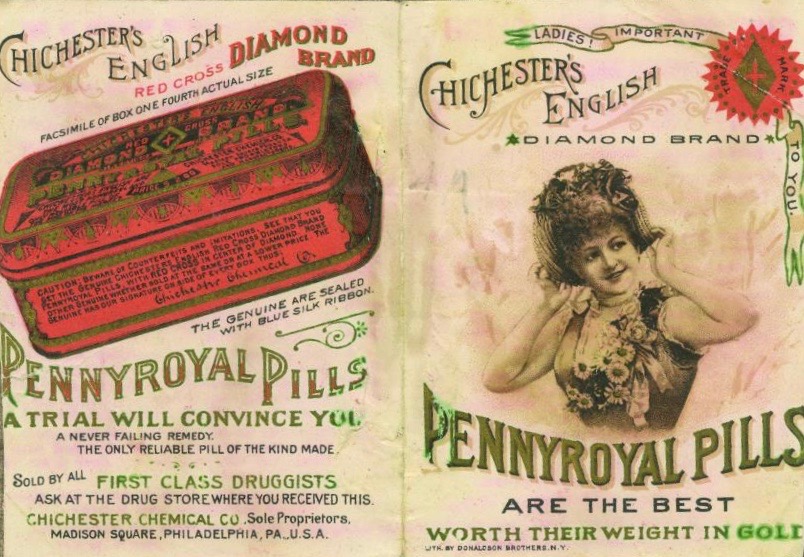
Patricia Knight’s book, Women and Abortion in Victorian and Edwardian England, provided me with some useful facts about the methods used and the likely results. Women favoured drugs because going to a handywoman or midwife was more expensive and probably more painful. They could buy a wide variety of herbs cheaply and legally from chemists, herbalists or through the post. Amongst the most popular were colocynth, known as ‘bitter apples,’ hiera picra or ‘hikey pikey,’ tansy, pennyroyal, gin and gunpowder or salts, iron and aloes, turpentine, washing soda and quinine. One midwife in Birmingham told of copper coins being boiled up and the resulting liquid drunk. In the 1890s, taking lead pills became popular. Many women took large doses. Some were successful, and others died.
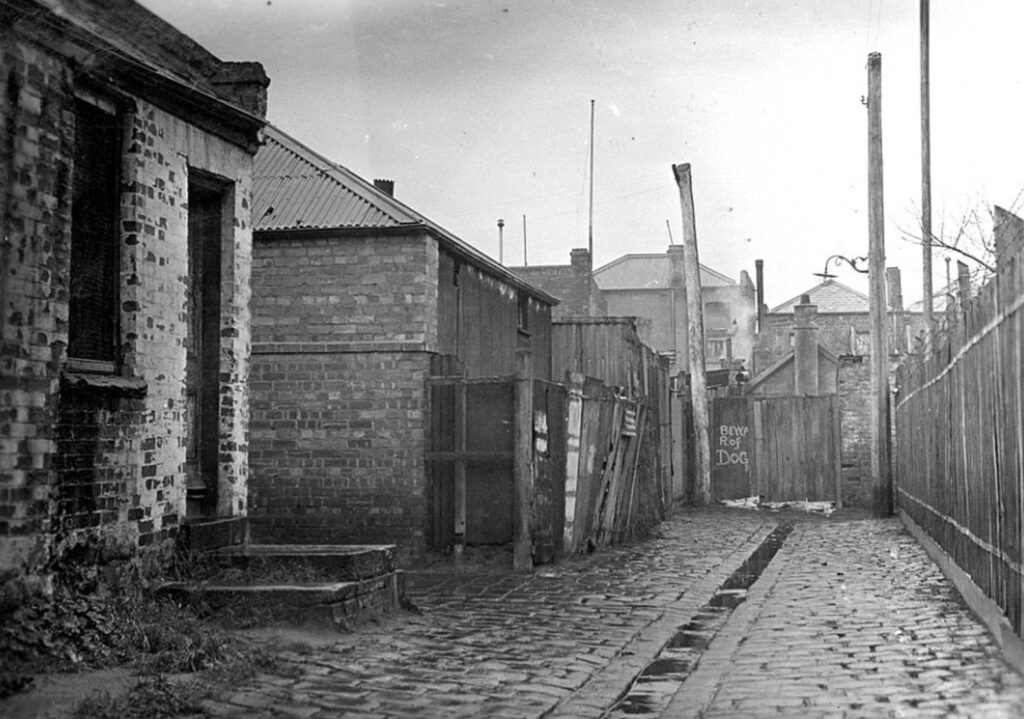
Those who did visit the handywoman, midwife, or, in some cases, a doctor, didn’t necessarily fare any better. Crochet hooks and knitting needles were often employed, or medical instruments were used inexpertly without being properly sterilised. Women bled to death, died from sepsis, or were terribly injured, but rarely did anyone point the finger at the woman or man who had caused the damage. They paid their money and suffered operations with no anaesthetic, makeshift implements and unsanitary conditions, often on someone’s kitchen table. They accepted the risks because the alternative was even less palatable. When the Abortion Act made abortion legal in 1967, it didn’t mean it happened more often. It simply meant fewer women suffered and died.

Today, with many forms of effective contraception readily available and abortion legally accessible when these fail, it’s hard to imagine what the women who came before us had to endure. Some may look back on them in disapproval at the choices they made, and the women who helped them. I wonder, though, if we lived in those times, with no National Health Service, the dangers they faced in childbirth and the grinding poverty they had to suffer, would we have done things any differently?
If you like what I write, and you’re interested in my novels are available now on Amazon in paperback, on Kindle and via Kindle Unlimited. Check out my Amazon page here and my Goodreads page here. If you would like to help me keep writing, you can now buy me a virtual coffee by clicking on the little orange coffee cup at the bottom right.
Horrific times and terrible choices for those poor women. I fully agree with your last paragraph. We can’t judge decisions made by folk living a hundred or more years ago by today’s standards and opportunities. Today’s attitudes to the past are very strange, with some people seemingly wanting to remove some of the terrible things in our past, not just from public view, but not teaching children about them in schools either.
If we don’t learn from history, we are doomed to keep repeating it.