
People often ask me how I come up with the ideas for my books. Usually, I say research into my family tree inspired them, but that’s only part of the story. Inspiration comes from many strange places. Sometimes I stumble upon intriguing things by accident, like the story of Eugenia Falleni, and they spark parts of a story or a character. Other times, the idea is there, but the research brings the characters to life. In Seventh Daughter, one character, Mabel, was an unqualified midwife, known back then as a handywoman, and another, Winnie, was a midwife. Researching the role of midwives and handywomen in the 1930s really helped me develop the characters of Mabel and Winnie.

Until the Midwives Act of 1902, most working-class women used handywomen, unqualified midwives with no formal training, to attend them when they gave birth. They paid a nominal fee, 5 shillings or so, and often the handywoman would take the payment in instalments. The new act changed all this. Birth attendants had to be certified, and a Central Midwives Board was established to issue certificates, keep a register, and supervise them. For a while, the handywomen were allowed to carry on practising, as there weren’t enough qualified midwives. By 1910, though, they were banned from attending births unless a certified midwife or doctor supervised them. Of course, this meant the mothers had to pay more. The qualified midwife charged about 30 shillings, and a doctor charged around 4 guineas. This kind of money was out of the reach of working-class women.
Handywomen carried on delivering babies well into the mid-1930s because working-class women continued to use them. They were cheaper, well known to the mothers and trusted by them. Unlike the more expensive doctors and certified midwives, they also looked after mothers during their ten days of lying in and helped with the housework. All but the poorest mothers remained in bed for between ten days and two weeks after giving birth, so the handywoman’s role was vital.
This lying in period is the origin of the modern day description ‘confinement,’ and before the end of the second world war, it was thought to be crucial. Lying in was literally confinement to bed. Lucinda McCray Beir’s article, Expertise and Control: Childbearing in Three Twentieth-Century Working-Class Lancashire Communities, provided some interesting quotes showing attitudes of the time.
“They wouldn’t let you get up because they said that your bones, the backbone where the child is, they have to knit together.”
“You never put your feet to the floor for ten days, and the old wives’ saying was that if you put your feet to the floor you drop down dead.”
“They used to keep them in bed a long time as well and they used to bind them up, you know, afterwards, very tight to get the stomach flat.”
An interview with Handywoman, Lily Goode, in The heritage blog of the Royal College of Midwives gave me more insight into the work these women did and helped me visualise the character of Mabel. The handywoman lived within the community she served. As well as acting as a midwife and helping after the birth, she gave health advice and may even have helped poor women deal with unwanted pregnancies. Despite the Midwives Act, handywomen continued to deliver babies. Some assisted qualified midwives and doctors, and others risked a fine of up to ten pounds and carried on working alone. The mothers in question were unlikely to report them, and the courts didn’t fine women if they believed the ‘attention was given in a case of sudden or urgent necessity.’
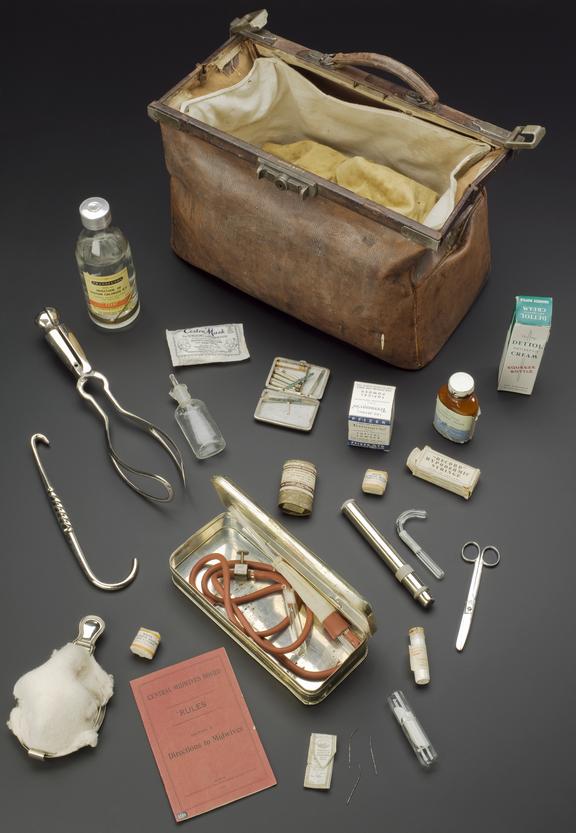
Handywomen like Lily Goode learned their trade from their mothers and passed their knowledge on to their daughters. Some became qualified midwives, but lack of education and money meant they were few and far between. After the 1902 Midwives Act, handywomen who’d been working for twelve months could apply to become ‘bona fide’ midwives if they could prove that they were of good character. To become a qualified midwife, a woman had to undertake months of training, usually away from home, and pass a competence examination, which included a knowledge of medical Latin. They also had to provide specific clothing and equipment, which would have been out of reach to most handywomen.
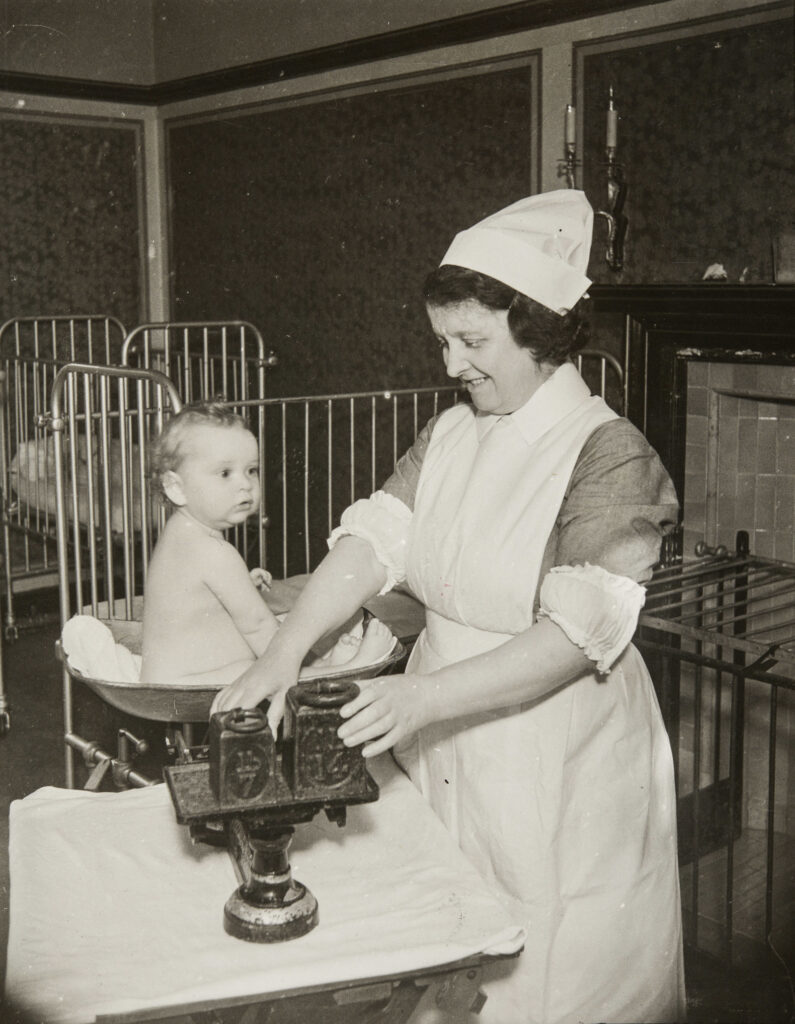
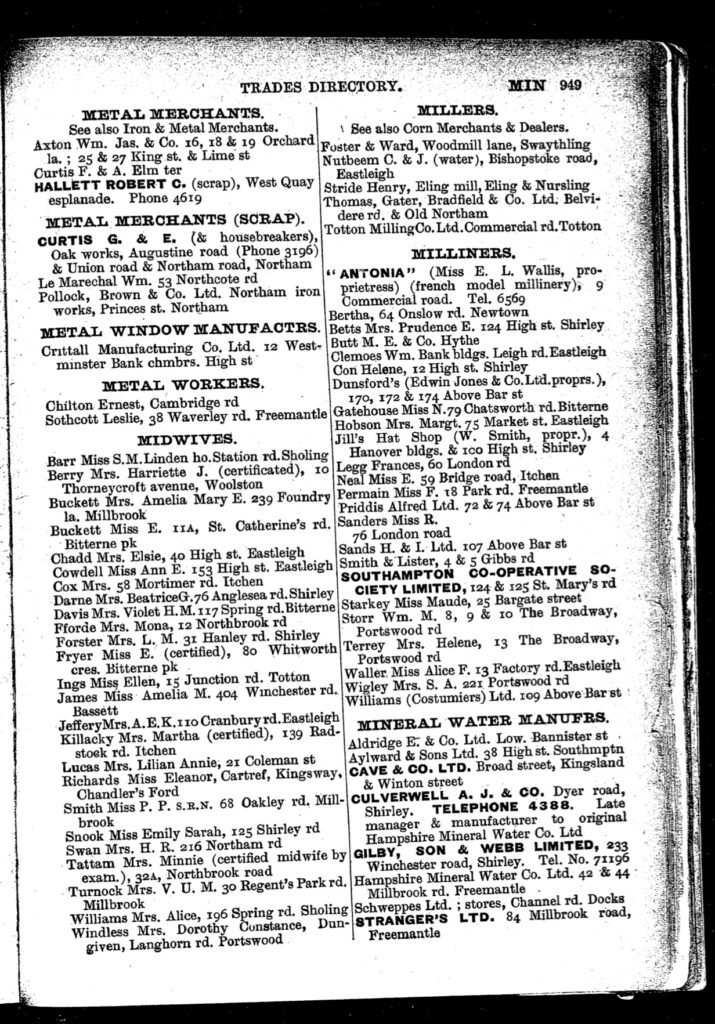
Qualified midwives were often middle-class women or at least upper working-class. Some, like Winnie in Seventh Daughter, came from nursing backgrounds and went into midwifery when they married. Nurses were expected to remain single, but a married woman could become a district midwife. In 1931, most women still gave birth at home, and the district midwives, like the handywomen, lived in the areas they served, although further afield. Most travelled around on bicycles. In 1931, there were twenty-five midwives in Southampton, sixteen of them married.
A midwife like Winnie may have been more skilled and probably safer, but working-class women of the early 1930s rarely felt she was one of them. They saw midwives as a class above, overbearing and expensive, and were far more likely to listen to and trust the familiar handywoman who lived like them and wouldn’t judge them. It was the coming of the NHS that finally put paid to handywomen for good and changed how and where women gave birth completely. That, though, is a story for another day.
If you like what I write, and you’re interested in my novels are available now on Amazon in paperback, on Kindle and via Kindle Unlimited. Check out my Amazon page here and my Goodreads page here. If you would like to help me keep writing, you can now buy me a virtual coffee by clicking on the little orange coffee cup at the bottom right.
Nurse Tatum of Northbrook road Southampton delivered my brother at 48 Derby road Southampton In 1950 Nurse Buckett of St Catherine’s road delivered my eldest daughter Carol and my son at Aberdeen road St Denys a few years later.
The midwives back then were well-known in their communities. Today, you’re lucky if you meet the person who delivers your baby before you give birth.