
It has been a long time coming, but finally, the big project I have been working on for the last few years has come to fruition. All the research, head scratching, procrastination, imagining and working late into the night have finally paid off. My first novel, Plagued, has now been published and I can call myself an author rather than just a writer.
Back in 2019, I decided that it was time to listen to all the people who kept telling me I should write a book. It wasn’t as if I hadn’t thought of it myself. Writing has been in my blood since my grandfather first put a pencil in my hand and taught me how to write my name. For as long as I can remember, it has been my work and my hobby, a way to express myself and share all the curious things I find on my walks. I always meant to write a book but life got in the way. Well that and choosing what to write about.
I have to be honest, there have been many false starts. Tales have been written and abandoned, half ideas have turned into dead ends and some have never even made it as far as the page at all. It seems quite fitting that the story that eventually turned into this book was inspired by the man who first put that pencil in my hand and the stories I heard at his knee. It might have been yet another half explored trail, had it not been for Commando, who gave me membership of Ancestry.co.uk as a gift. It set me on a journey that uncovered enough intriguing stories to fill a dozen books.
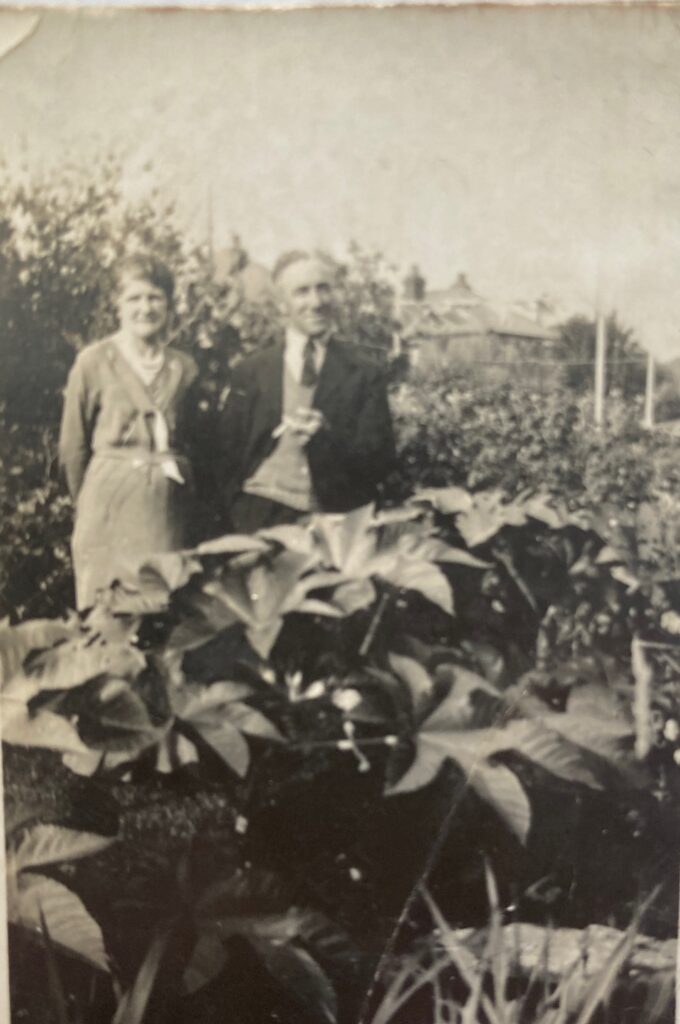
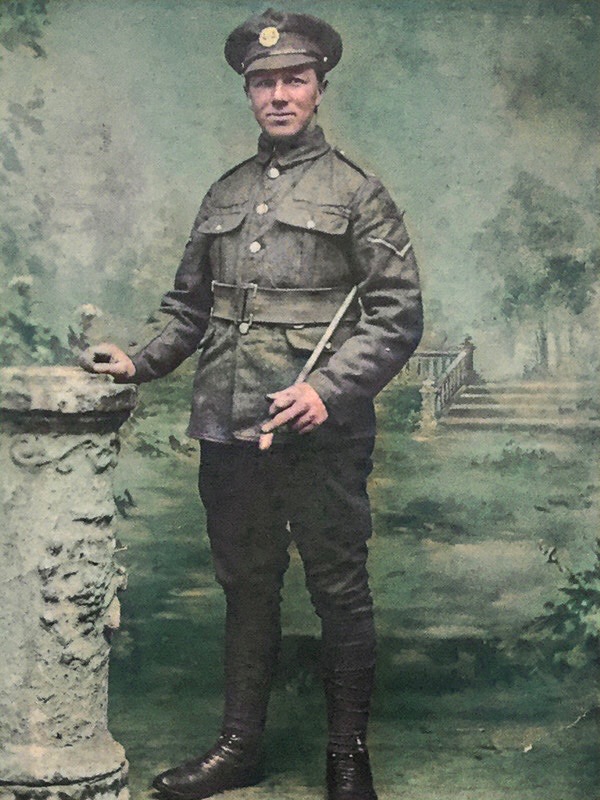
Ancestry also put me in touch with Kevin, Lynn and Katrina, Australian cousins I’d never met. The memories they shared of Thomas and my grandmother, Mary, made me more determined than ever to tell their story, or something very like it. Then Brenda Findlay, of Netley Abbey Matters, found Thomas’s name on a list of the wounded and Kevin sent me a photograph of Thomas in his uniform, confirming it was really him. An idea for a story began to take shape and my research began in earnest.
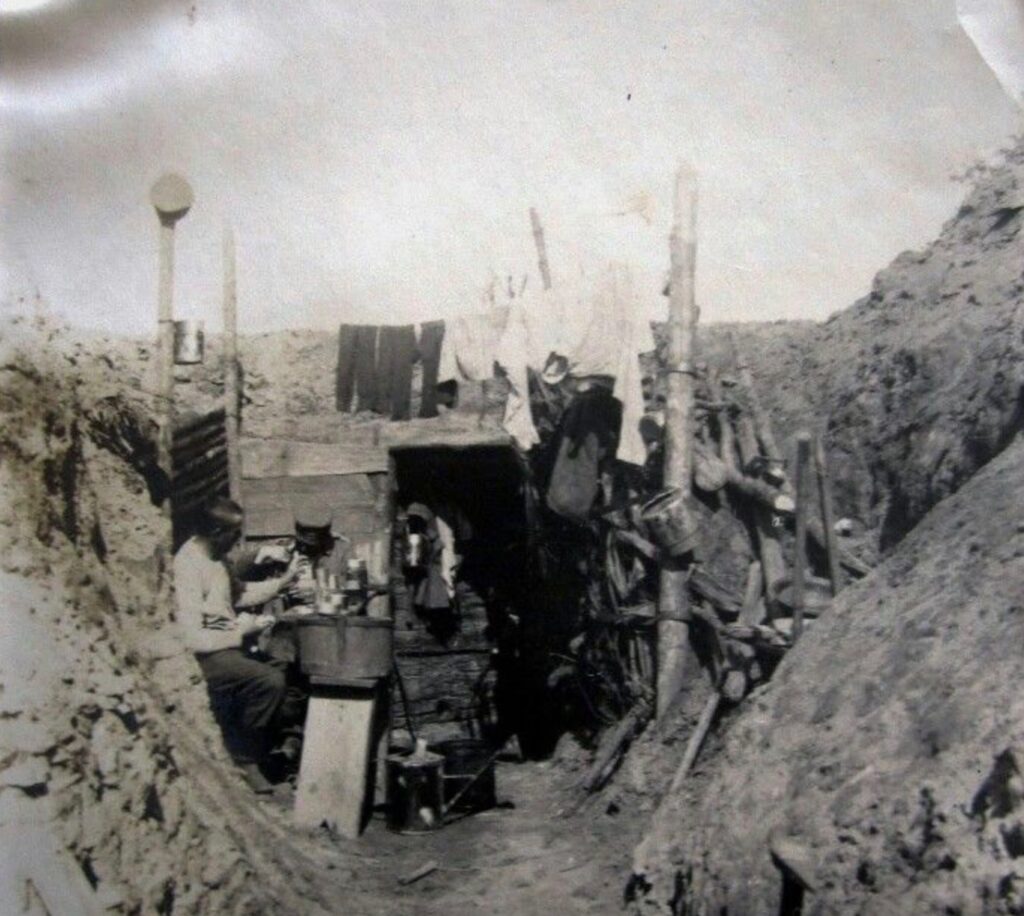
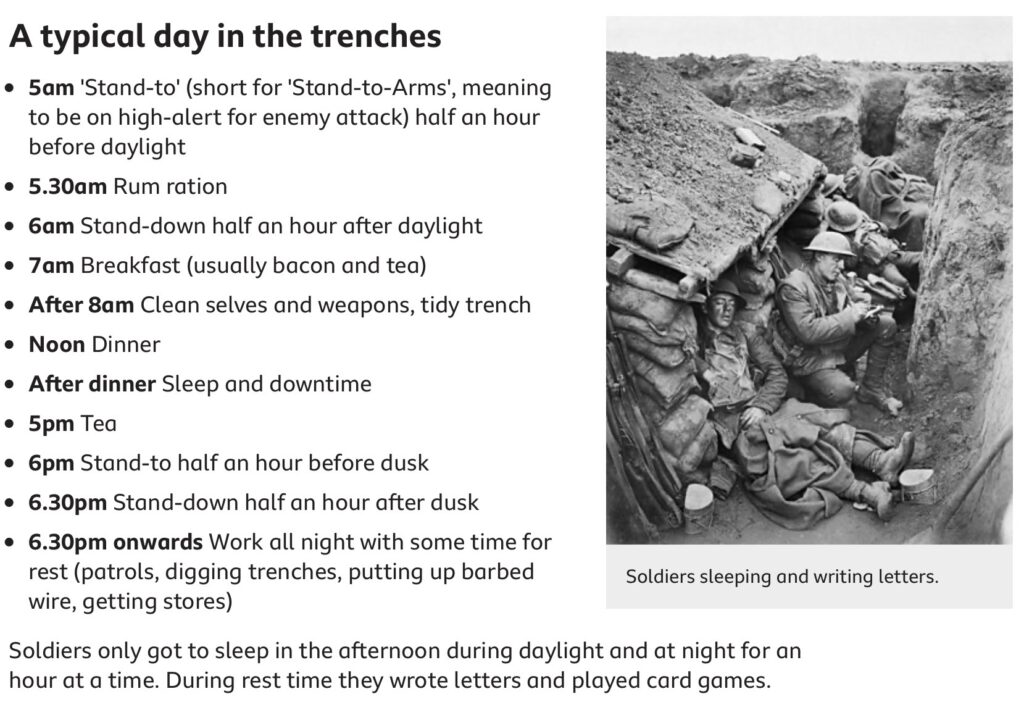
The Royal Hampshire Regiment website told me where Thomas might have been and what battles he might have been involved in. I immersed myself in Richard Van Emden’s wonderful books of first hand accounts from the Great War. They were not easy reading, but they gave me an insight into what those soldiers endured, what they saw and how they felt about it. I also read Kate Luard’s memoirs of her time as a nurse on the western front and countless articles and papers about the wounds the solders suffered, how they were treated and how they were evacuated. I gathered snippets of information wherever I found them, even though most never made it onto the page.
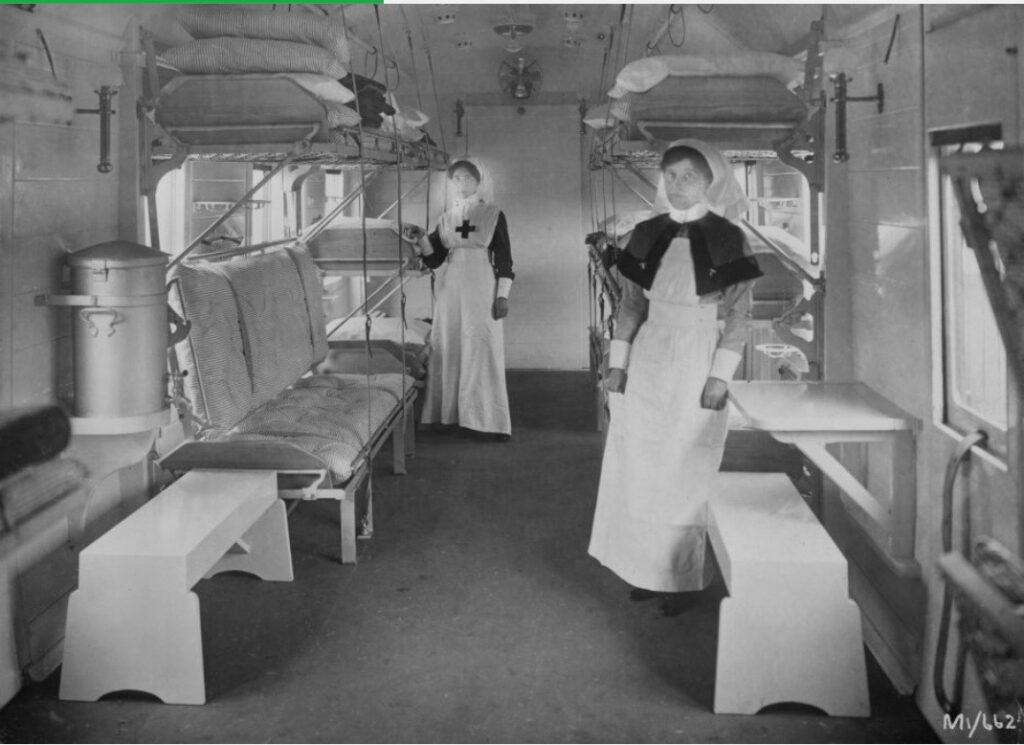
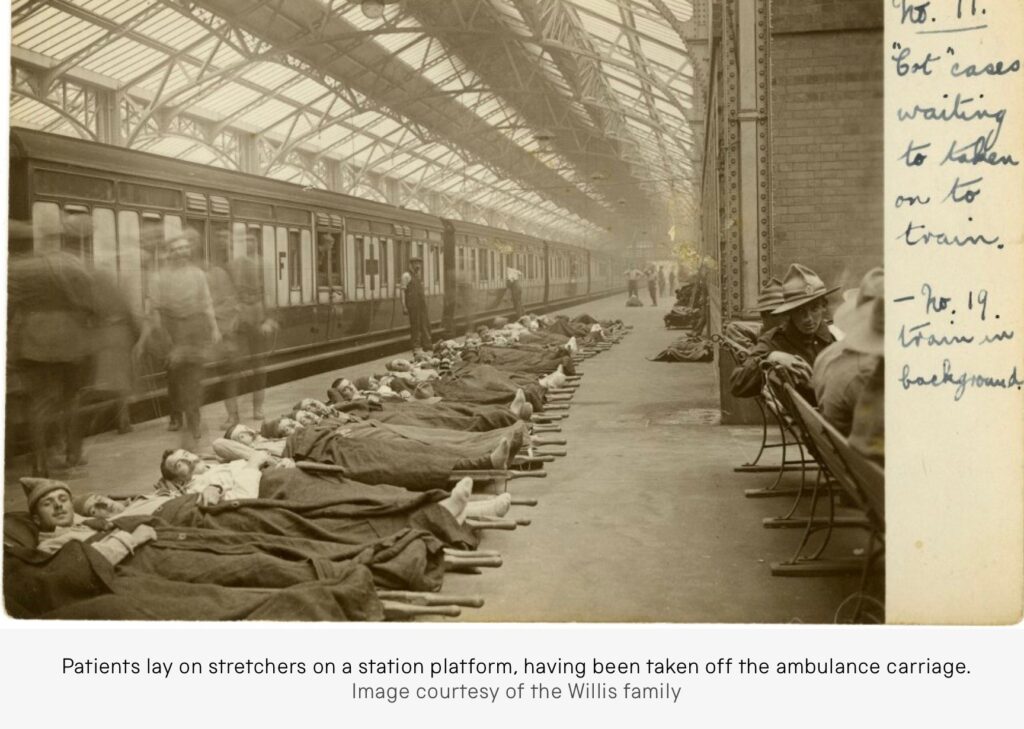
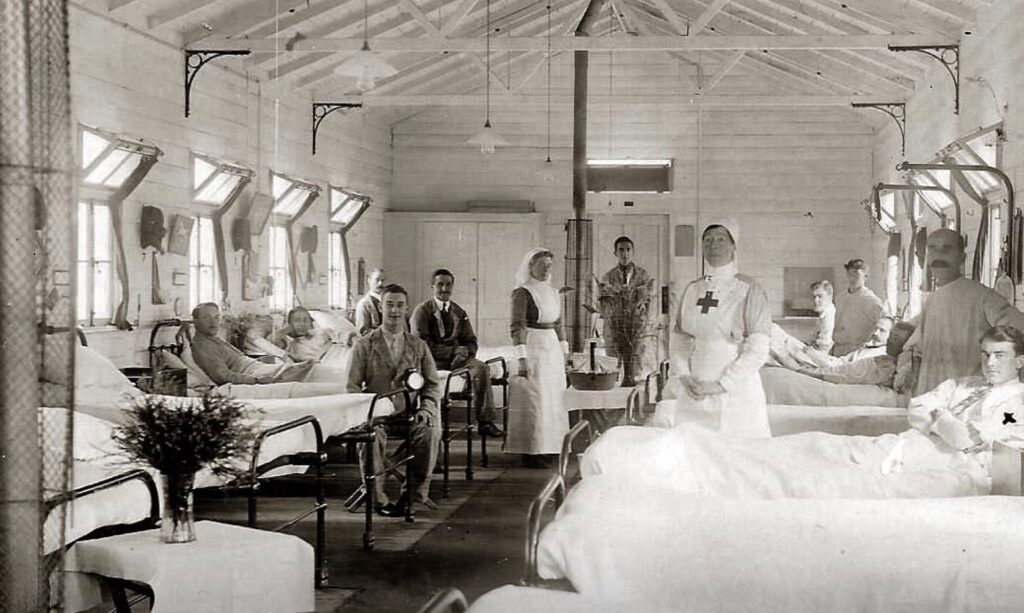
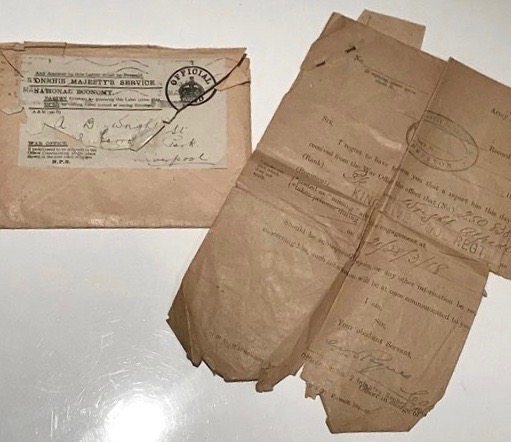
It was soon clear that the story in my head was more than one man’s tale. Every returning soldier was plagued by the memories of what he’d seen and done. They all must have struggled with the changes that had taken place in the four years they’d been at war. The women at home had suffered too. They’d lived through years of uncertainly and worry, their hopes, dreams and fears pinned on letters, and if they were lucky, sporadic home leave. They kept the home fires burning and took over jobs in factories, offices and railways, never knowing if their men would return, or the dreaded war office letter would plop onto the mat. In the Northam area of Southampton, where my story is set, the people were still reeling from the Titanic disaster, just six years earlier, and that too plays a part in the tale.
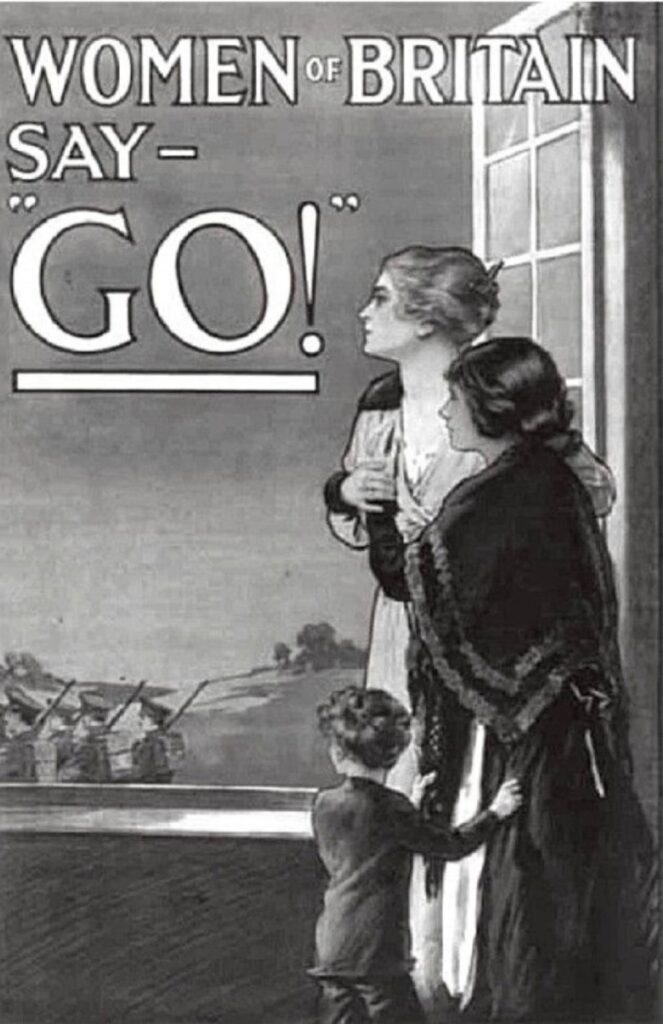
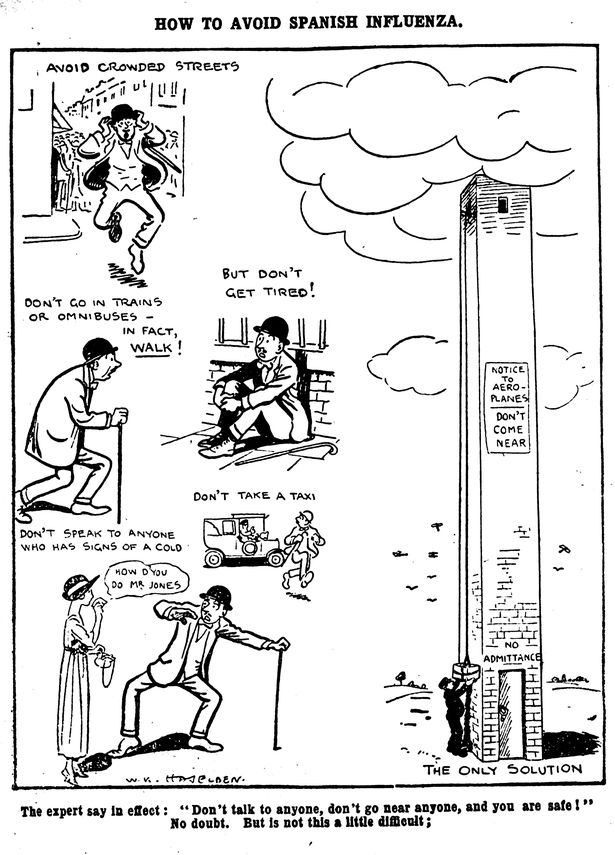
Thomas returned to Blighty at almost the same time as the Spanish Flu first reared it’s ugly head, so the flu was always going to play a major part in my story. Apart from Pappy’s account of how it touched his family, I knew very little about it. Information was hard to come by. Even the people living through it were kept in the dark. The governments of the countries involved in the war censored the news for fear it would harm the war effort. Only Spain, a neutral country, reported on the flu outbreak that began in the spring of 1918 and slowly got more and more out of hand. Because of this, it was known as the Spanish Flu, even though it most likely originated in France.
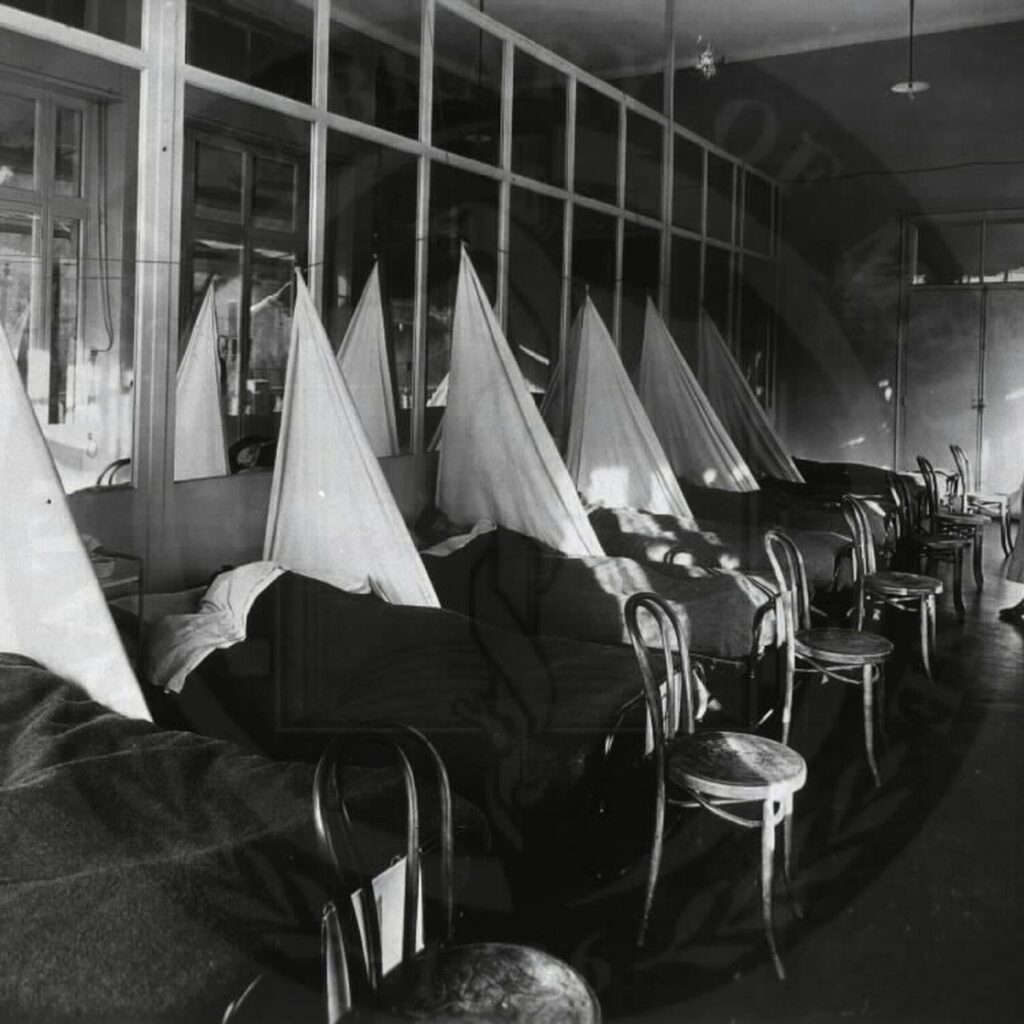
Catherine Arnold’s book Pandemic 1918, was a great help and I devoured every little snippet of information I could find in the National Library of Medicine to build up a picture of this forgotten disease. The more I learned the stranger it seemed that most people had never even heard of Spanish Flu. That all changed in January 2020. My heart sank when the news broke about COVID 19 and the parallels between 1918, and 2020 became clearer by the day.
The book had begun as a tribute to Thomas and Mary, but the more I wrote, the more it became the story of all the men and women who lived through those dark days. The fictitious extras, created to bring the tale to life, took on lives of their own and sent the story in directions I hadn’t planned. In the end, this book of mine is a fictional account of the last months of the Great War, the forgotten pandemic and how the people of Southampton dealt with it. It was a proud moment when I held the first proof copy of Plagued in my hands. Hopefully, Thomas and Mary would approve.
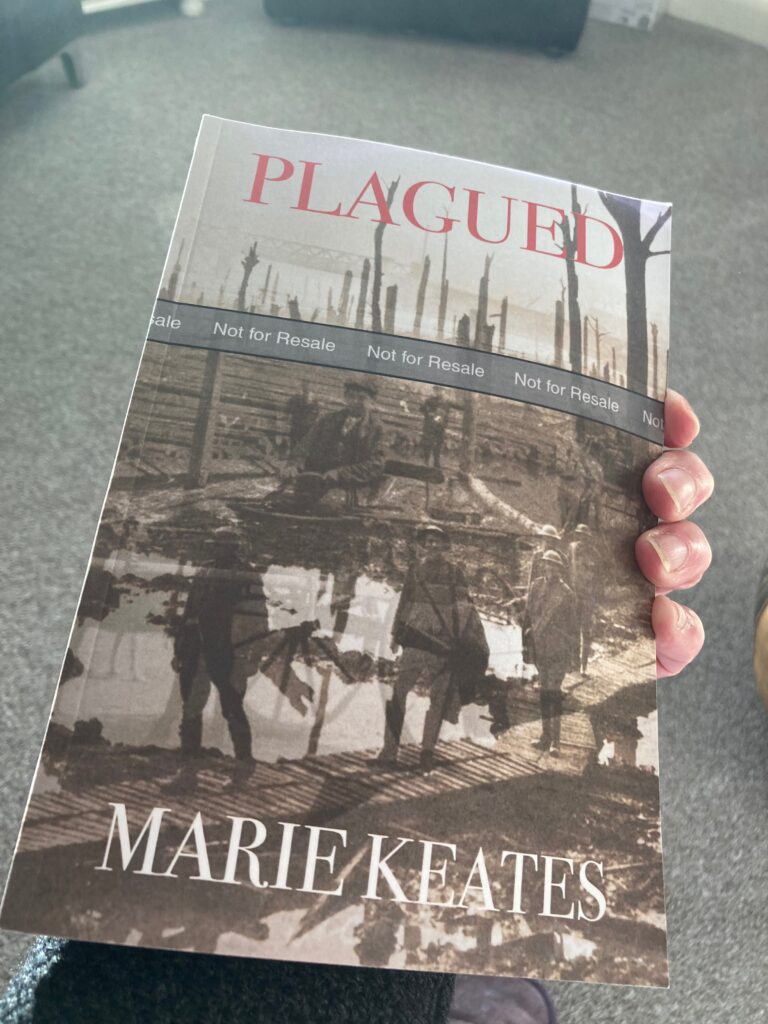
Plagued is available on Amazon, both in Kindle format and as a paperback. If you like what I write and enjoy a bit of history, you can have a copy in your hands in a couple of days, or on your Kindle almost instantly. If you read it and enjoy it, tell your friends and write a review. Plagued is not the only thing I’ve been writing during these mad couple of years either. The next book, A Land Fit For Heroes is with my lovely editor Danielle Wraite as we speak and Aleks and Hayley at Hangar47 will be working their magic to bring it to you in 2022.
Wow I’d love to read this – even better could you organise an author talk at October Books and I’d come and listen and buy your book then? Or could there be a stack of books to click and collect at October Books? Better than Amazon. Keep writing in 2022.
At the moment it is only available through amazon as it’s independently published. You can buy it in paperback or download a kindle version though. I’m currently working with my editor on the second book in the series and there are several more in the pipeline so watch this space.
Your storytelling sound’s fascinating, can’t wait to get It , I grew up in Northam .
Thank you. I hope you enjoy it. My grandfather lived in Radcliffe Road, and later Northam Road near the Plaza where he had a fruit shop. My father and his brothers were probably some of the boys climbing about on the logs.
Congratulations – you have done what many say they will do but never complete. I will try to get a copy & then tell you what I think. Incidentally my daughter is a voice over artist & records books for ‘Audible’
Thank you. I hope you enjoy it. You never know, your daughter could end up reading it if I sell enough.
Congratulations Marie – I look forward to reading this book (and the upcoming one) about those interesting times! The Spanish flu has all sorts of myths attached to where it actually started (I read it was in an American Barracks, and they brought it to Europe). Like our present plague, we will never get to the bottom of the start of it – but what is important is to get it under control, which we don’t seem to be doing a very good job of!
Vera
Thank you. From my research I’m inclined to believe the real problem began in the hospital at Etaples. There was flu in the spring of 1918 in the trenches but it was mild, lasting just 3 days, and that may have originated in America. I think it probably mutated in Etaples, to become something much more damaging. The hospital was a perfect breeding ground with wounded men, dead bodies, medical waste (amputated limbs etc), animals (pigs, chickens etc) kept to provide food and an unending stream of men coming and going. Of course we will never really know and that same flu is still with us in a much milder version today. The flu continued into 1920/21, so I was fully expecting this virus to hang about. I think it is likely to go the same way, getting milder but staying with us. Sadly, I don’t think it’s really possible to control once the genie is out of the bottle.
I hope you enjoy the book. If you do all reviews are very welcome.
I look forward to reading your book Marie. My great grandparents ran the paper shop in northam Road, opposite st.augustines church. The Goldings. Luckily I knew the into my teens.
I hope you enjoy the book. Reviews very welcome.
My Grandfather eventually moved from Radcliffe Road to Northam road, between Summer Street and Union Road, near the Plaza, and ran a fruit shop for a while. Then he moved to Steuart Road, possibly because he saw that World War 2 was coming and it was a bit safer away from the docks. I always feel privileged that I got to spend so much time with him, because he moved in with us after my Nanny died.
Fantastic news that your book is published. What a brilliant achievement.
Thank you. It has been a long time coming.
Marie, I have every intention of obtaining a copy of your book but if it’s more beneficial to you for me to buy directly from you rather than through Amazon let me know and I’ll mail you a cheque from my UK account to cover all costs including mailing. Amazon delivery rates are very high here. Your call. Hope your Christmas was a good one!
Thank you. It is probably easier to order through Amazon as I think they can get better delivery rates than I can and I get the same royalties either way. I do hope you enjoy it. Reviews always welcome. Merry Christmas by the way.
I have just ordered ‘Plagued’ from Amazon Australia (I live in Perth WA). It will be shipped from Australia. The postage is less than AUD$4 (Zero with Membership)
Thank you. I hope you enjoy it. Good to know the postage isn’t too bad outside of the UK. I have family in Australia who have ordered copies. All reviews welcome.