
Plagued was never going to be a standalone book. Even as I was writing and researching it, other characters were clamouring to have their stories told. Their voices were so loud, it was hard to decide who to listen to at times. Three voices were especially loud, Lenny, Laura and Percy, who’d all had bit parts in Plagued but demanded their place in the spotlight. It took a while to quieten them enough to work out their story, and even longer to research and write it. Now it’s done and thanks to all the wonderful people who helped me along the way, Land Fit For Heroes is now in print.

Lenny and Laura are inspired by my maternal grandparents, Leonard Arthur and Laura May White. Sadly, I never met the real Lenny, he died long before I was born and there aren’t even any family photographs of him. Physically, I based him on my mother’s brother Robert, because I guessed he must have got his blonde good looks from somewhere. Lenny appeared in Plagued, as Lofty, one of the men fighting in France with Thomas. The real Leonard White wasn’t ever in France as far as I can tell. He joined the Devonshire Regiment in 1914, aged sixteen, and was later transferred to the Hampshire Regiment but would have served in Gallipoli, Egypt and Palestine. He was the second of Harry and Ada White’s six children. When he was a child they lived in Standford Street, Northam and later they moved to Hillside Avenue in Bitterne Park, but not before they’d lost one child, Jesse, to the filthy air around the gasworks. They lost another child, Gladys, not long after they moved. Harry was a porter in the docks’ stores. After the war, Leonard followed in his father’s footsteps and became a warehouse porter.
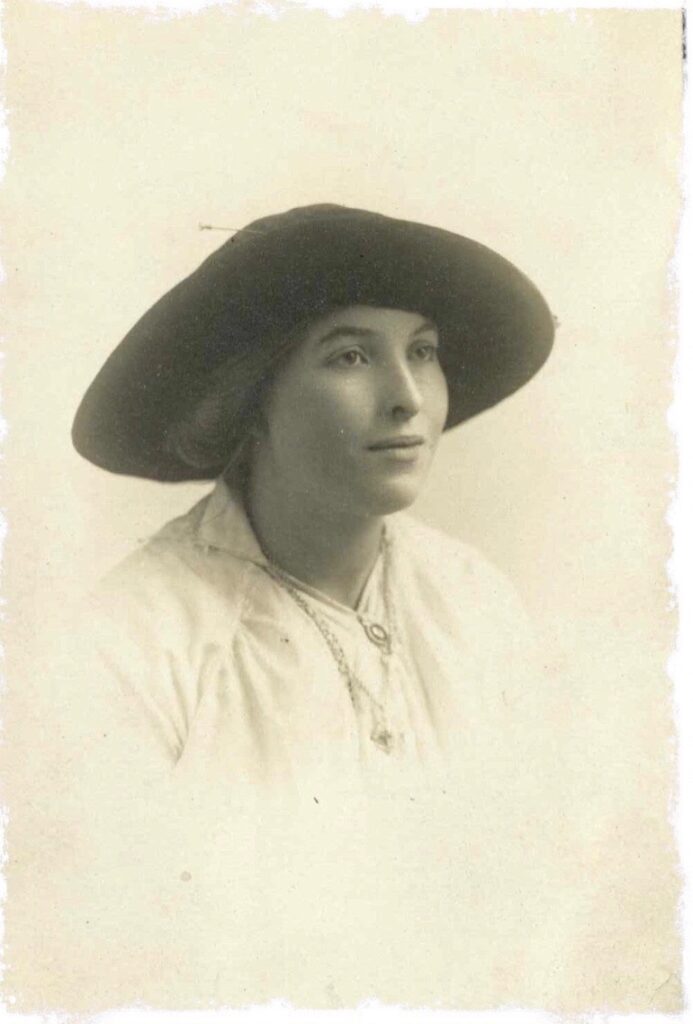
After a brief time living in Adelaide Road, St Denys, Leonard and Laura moved to a house in Melbourne Street, right next to the gasworks in Northam. This is where Lenny, Laura and Percy live in the story. The real Laura was the youngest of six children born to Frank and Emma Hebditch of Kent Road, St Denys. She died when I was just four, but I remember sitting on her knee listening to the story of the three little pigs, and the tin of sweets she always kept filled for me. She was larger than life, always laughing, and fond of a bottle of stout and a cigarette. In later life she lived in Carnation Road, where the locals all knew her, and her door was always open to her friends and family.
Laura appeared very briefly in Plagued, as Percy’s sister and Lofty’s new wife. Percy also appeared as the soldier blown up when collecting bodies on the Somme. He was loosely based on the real Laura’s older brother, Percy Hebditch. The real Percy wasn’t ever in France either. He joined the territorial force before the war, aged 17, and was later in the Hampshire Regiment in India. He was discharged from the army in March 1917. His Silver War Badge records mention, amongst other things, delusional insanity, a condition that would later be recognised as shell shock, or PTSD. Like his sister, I imagine he was quite a character, although perhaps not quite like the one in my story. Sadly there are no photographs of him, at least none I have found, so his looks are entirely a figment of my imagination.

Interesting characters need a backdrop of challenging times and the General Strike of 1926 certainly provided that. I remember my mother talking about the strike, although she was only five at the time so her memories were vague. In Southampton, the main players in the strike were the dockers, some of them men who’d come home from the trenches eight years earlier hoping to find the land for for heroes they’d been promised. What they got was something very different. The strike began because the miners, many of whom had risked their lives digging tunnels in France, were being asked to take a pay cut and a rise in hours. They, and the men who came out on strike in solidarity with them, were ultimately betrayed by the unions who were supposed to represent them. This was partly because of very real fears of a Communist revolution. Both communism and fascism were on the rise in England at the time and there were many violent clashes in some parts of the country. In Southampton, for the most part, things remained relatively peaceful. Even so, the dockers and their families suffered terribly during those long spring days, and many men never worked at the docks again because of the part they played.
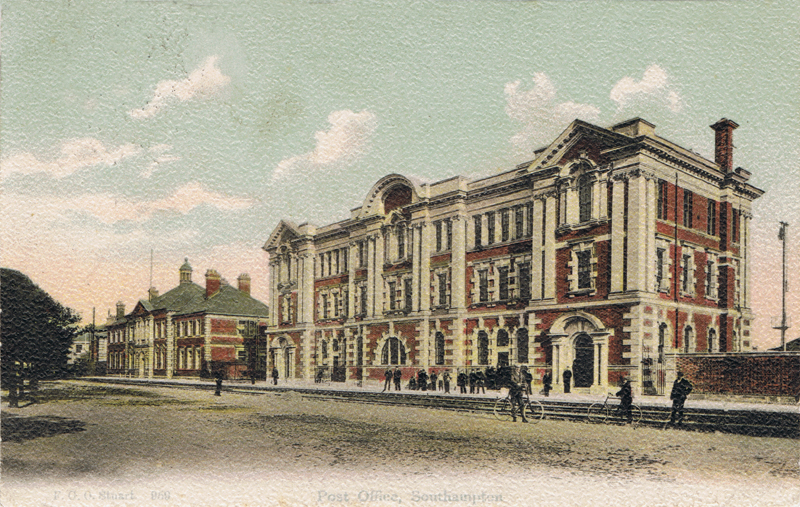
The book may owe a lot to Laura, Leonard and Percy but it is really a story about the lasting brotherhood between the men who came back from the Great War, and the struggles faced by the working-class people of Northam and Chapel between the wars. It is a tribute to their spirit, and the tight knit community they built, even though they never saw the land fit for heroes they were promised. The story is set in Northam and Chapel, with a few little excursions to the Common and through St Mary’s and St Denys, areas my characters would have known well. There are also a couple of brief trips to Winchester, to the assizes and the prison, but you’ll have to read the book to find out who ends up there.
Of course, the book wouldn’t have been possible without a lot of help from wonderful people like Danielle Wrate, of Wrate’s Editing Services, and proofreader Abby Sparks, who gave me the advice and encouragement I needed to bring this story to print. Aleks Kruz, and Hayley Yates of Hangar47, provided the technical expertise to make the book a reality. Last, but definitely not least, I have to thank my long-suffering husband, Dave Keates, for his patience in listening to the story, believing in me, and giving his feedback.
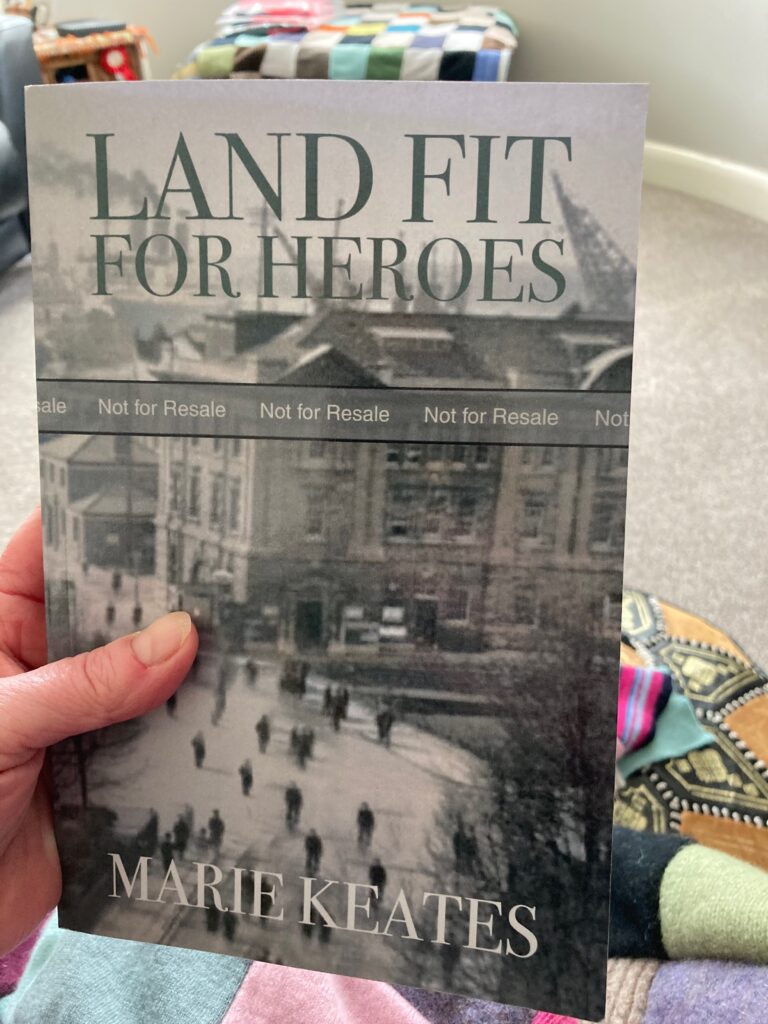
If you like what I write, and you’re interested in my novels are available now on Amazon in paperback, on Kindle and via Kindle Unlimited. Check out my Amazon page here and my Goodreads page here. If you would like to help me keep writing, you can now buy me a virtual coffee by clicking on the little orange coffee cup at the bottom right.