The art of conversation and great escapes

What did people talk about in 1918? This was a question very much on my mind when I began writing Plagued. Dialogue is a key element in any work of fiction, what the characters say, or don’t say, often tells the story. When it comes to historic fiction, the conversations also help set the scene, and the tone and content needs to be right. If it isn’t, readers will notice, or at least they will find it increasingly difficult to suspend their disbelief. Obviously, modern terms and phrases have to be avoided, and I spent a great deal of time Googling the origins of certain words and phrases (like Heath Robinson) to make sure I didn’t let any anachronisms slip in. Reading works written at the time helped with vocabulary too, but the content was another matter.

Continue reading The art of conversation and great escapes
An Omicron Christmas

Twelve days before Christmas 2021, Kim and I were wrapped up against the cold, up to our ankles in mud and taking photographs of yet another cross country race. Meanwhile, the media were doing their best to whip up a storm about the new COVID variant, Omicron. It was spreading like wildfire, but everyone I knew who’d had it described it as a mild cold. Most only knew they had it at all because they’d taken a routine test. Some had no symptoms other than a positive test result. Even so, there was plenty of hype about cancelling Christmas and locking the country down again.

Continue reading An Omicron Christmas

April, birds, books, stories and flowers

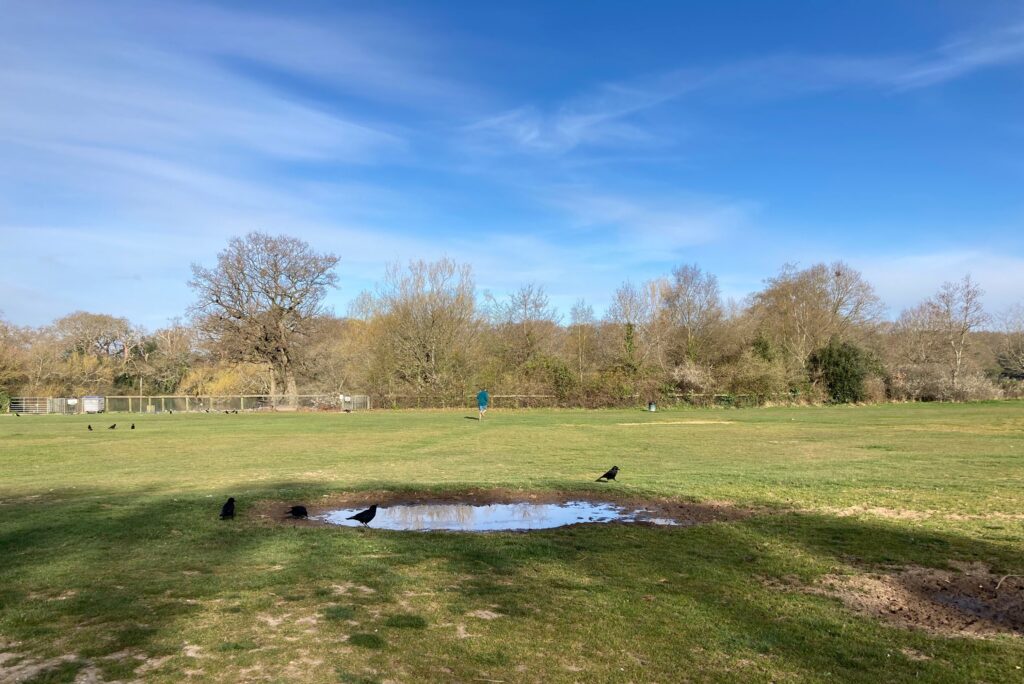
The first parkrun of April 2022 began with puddles, crows and a walk in the Old Cemetery. In a strange way, it felt like an echo of the December parkrun I told you about last time, except it was far warmer and the book hurtling towards publication was a different one. Land Fit For Heroes was with Hayley at Hangar47, just as Plagued had been in December. The only difference to my thoughts about the process was that it now felt as if I’d handed over my second born child. A walk in the cemetery in the early morning light was just the thing to take my mind off all the things that could go wrong. To be honest, I had no idea exactly what could go wrong, but that didn’t stop me worrying about it.

Continue reading April, birds, books, stories and flowers

The little details

The view from the huts at Netley

When writing historic fiction, the little details are the things that bring the story to life. At the beginning of the pandemic I was writing Plagued and I was totally immersed in the world as it was in 1918. I’d read several books of soldiers personal accounts of their time in the trenches, books written by a nurse on the Western Front, details of the chain of evacuation, information about Netley Hospital and about the Spanish Flu. The photographs I found helped me get the feel for what it would have been like, both in France and in England, but it was the little details about the era that made all the difference.

Continue reading The little details