
They say a picture is worth a thousand words. This may be true, but when it comes to writing historic fiction, a picture can conjure a thousand words, at least for me. My stories might be inspired by family and odd things I’ve read here and there. The details might be sharpened by research using resources like JSTOR, old newspapers, Radio times archives, old OS maps, archived weather reports and local history pages on Facebook. The old photographs and postcards give me a feel for the era I’m writing about, though. They capture the essence of the time and place like words never can.
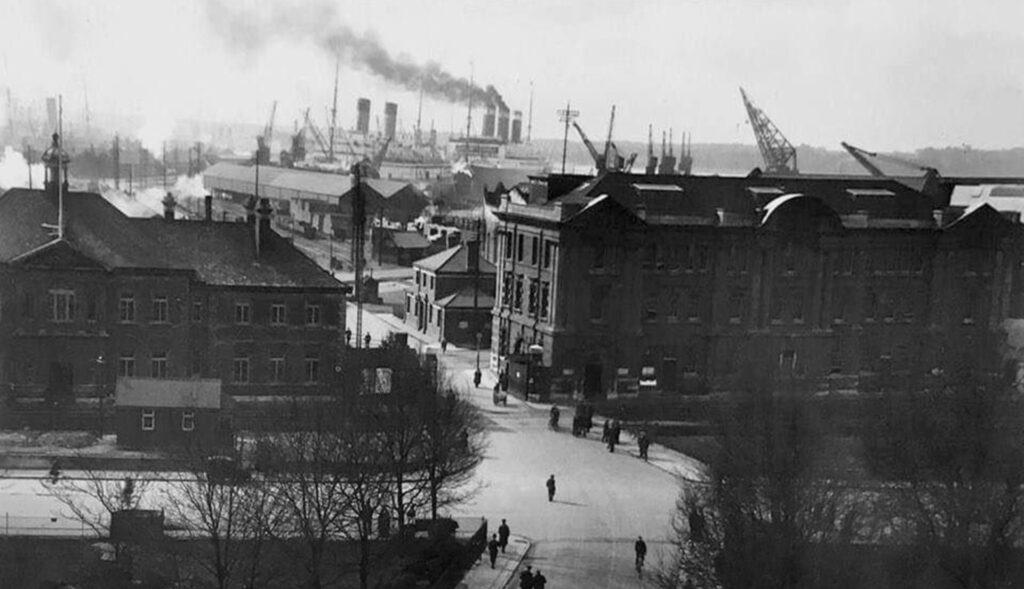
The old OS maps can show me how the streets have changed, Kelly’s Directories can tell me about the shops, pubs and businesses, but photographs allow me to immerse myself in the atmosphere. When I wrote Land Fit For Heroes, I scoured the internet for pictures of Southampton Docks in the 1920s, as close as I could get to 1926. They helped me envision the world as Lenny and Percy would have seen it and let me step into their shoes.


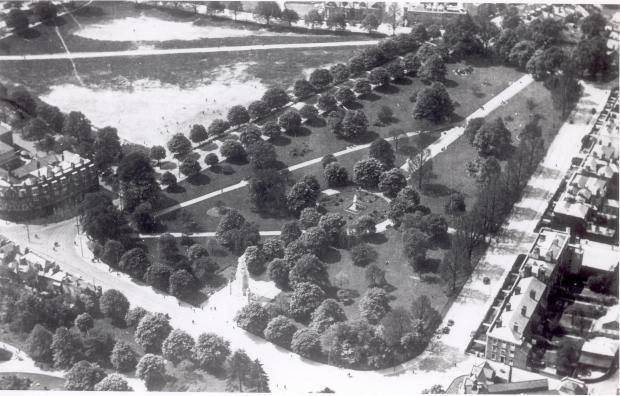
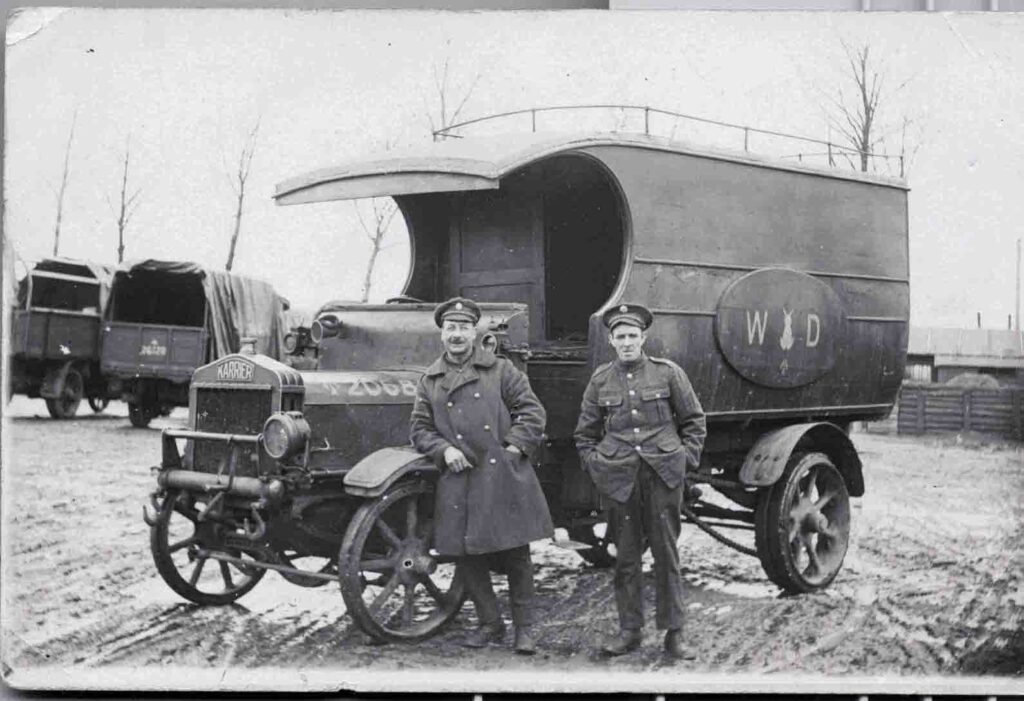
Old photographs also helped me understand how other familiar places have changed. Without pictures I found of Southampton’s parks on the Historic England Archive, I could never have imagined West Marlands Park, before the Civic Centre was built. My description may have ended up as just two sentences – ‘From the cab, he looked across at the park. According to Winnie, there’d been a leper hospital here once. Now it was just a shabby park of balding grass surrounded by a line of trees that at least had the advantage of hiding him from view.’ — but without the photograph the pivotal scene might never have existed. Even the lorry Percy was sitting in owed a great deal to photographs I found.
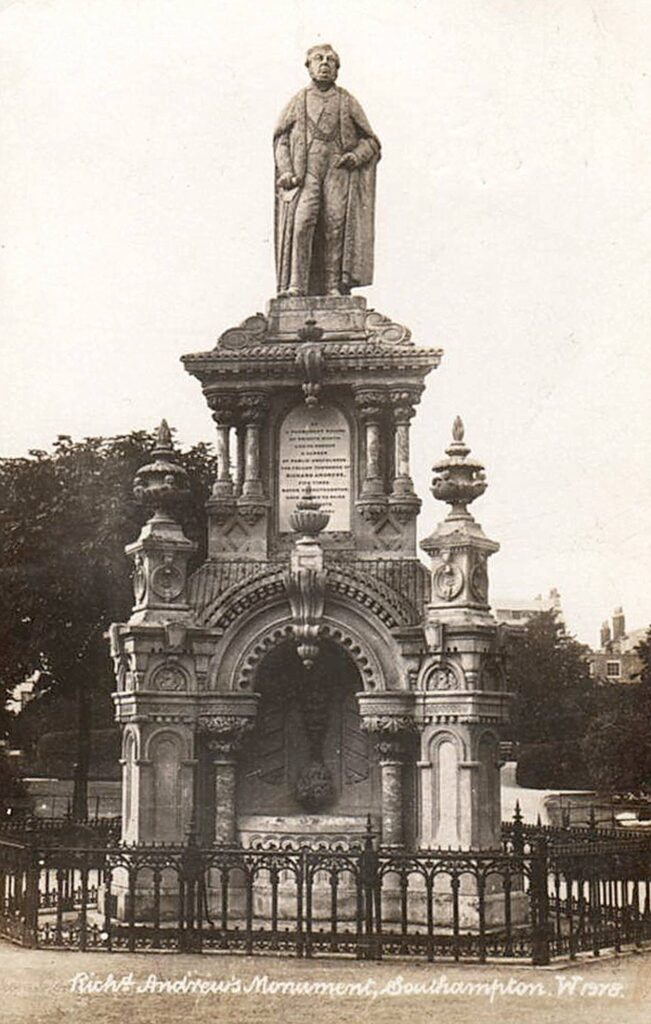
Another scene that might not have been written if it wasn’t for old photos, was Percy’s meeting with Winnie in Andrews Park. ‘Her hands were on the railings and her attention on Richard Andrews’ statue, or rather the arches, pillars and ornate stonework of the plinth. The statue could only be seen properly from a distance.’ Andrews’ statue still stands in the same spot in East Park, but the plinth it stands on is nothing like the one Winnie would have admired. Photographs showed me what it used to be like and allowed me to imagine that meeting.

The cattle market off Terminus Terrace was something else I’d never have envisioned without photographic evidence. I knew it was there, because I saw it on the old maps, but today it’s a small industrial estate. An old postcard brought it to life, even if it only rated a few words in the book. ‘He walked a little further and caught the stench of the cattle market.’

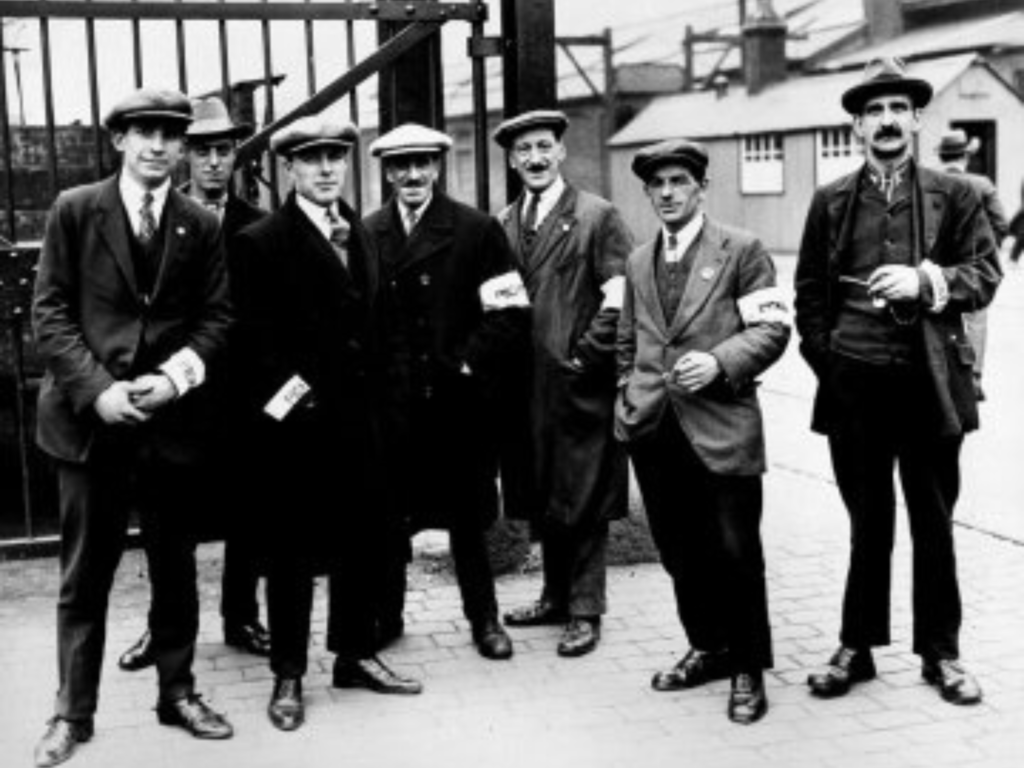
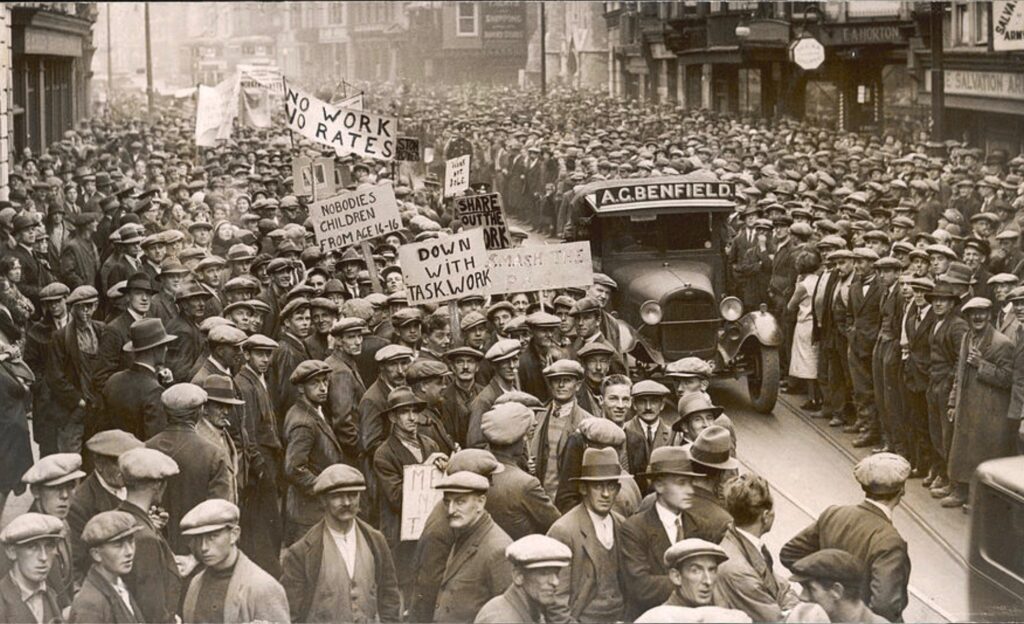
Photographs helped me see how people dressed too. Laura would never have had money to follow fashion, but she would have done what she could with her sewing machine and knitting needles to emulate them, much like I did in the 1970’s. The men, either on the streets or on the picket line, probably cared little for fashion. Even so, their clothes spoke volumes. The working men wore cheap suits, collarless shirts, waistcoats and flat caps. They were easily picked out from the men with money or aspirations, who wore trilby hats, collars and ties. I loved seeing the expressions on their faces, looking into their eyes and trying to imagine what they were thinking.

When it comes to writing historic fiction, photographs and postcards really do set the scene. Every picture I find tells me something and adds something to my story. Without them, my job would be so much harder. Of course, the further back you go, themore difficult those pictures are to find, especially when you want to see ordinary people and ordinary houses. I often think writers of the future will have a much easier job thanks to the sheer number of photographs available since the advent of camera phones.
If you like what I write, and you’re interested in my novels are available now on Amazon in paperback, on Kindle and via Kindle Unlimited. Check out my Amazon page here and my Goodreads page here. If you would like to help me keep writing, you can now buy me a virtual coffee by clicking on the little orange coffee cup at the bottom right.