
18 January 2015
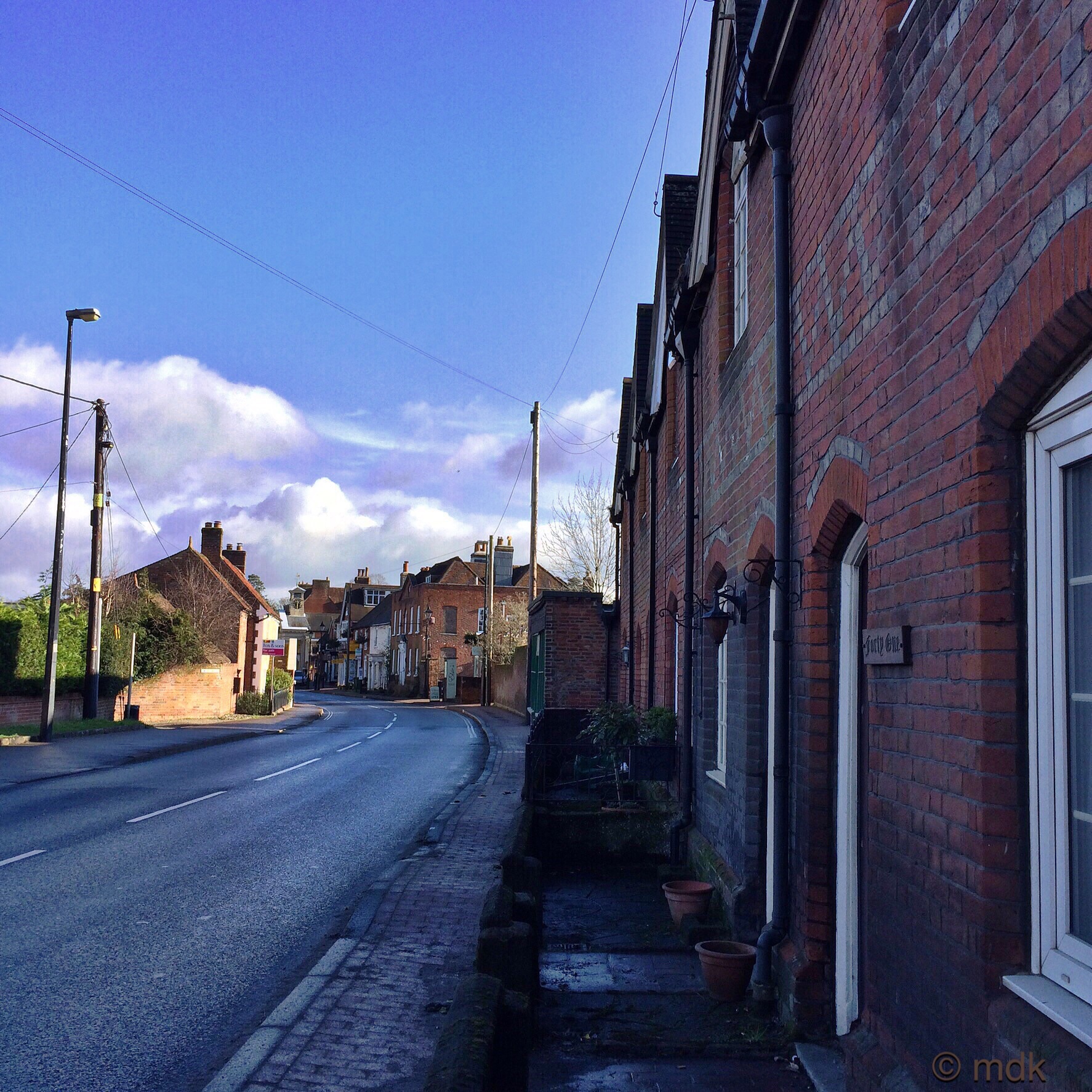
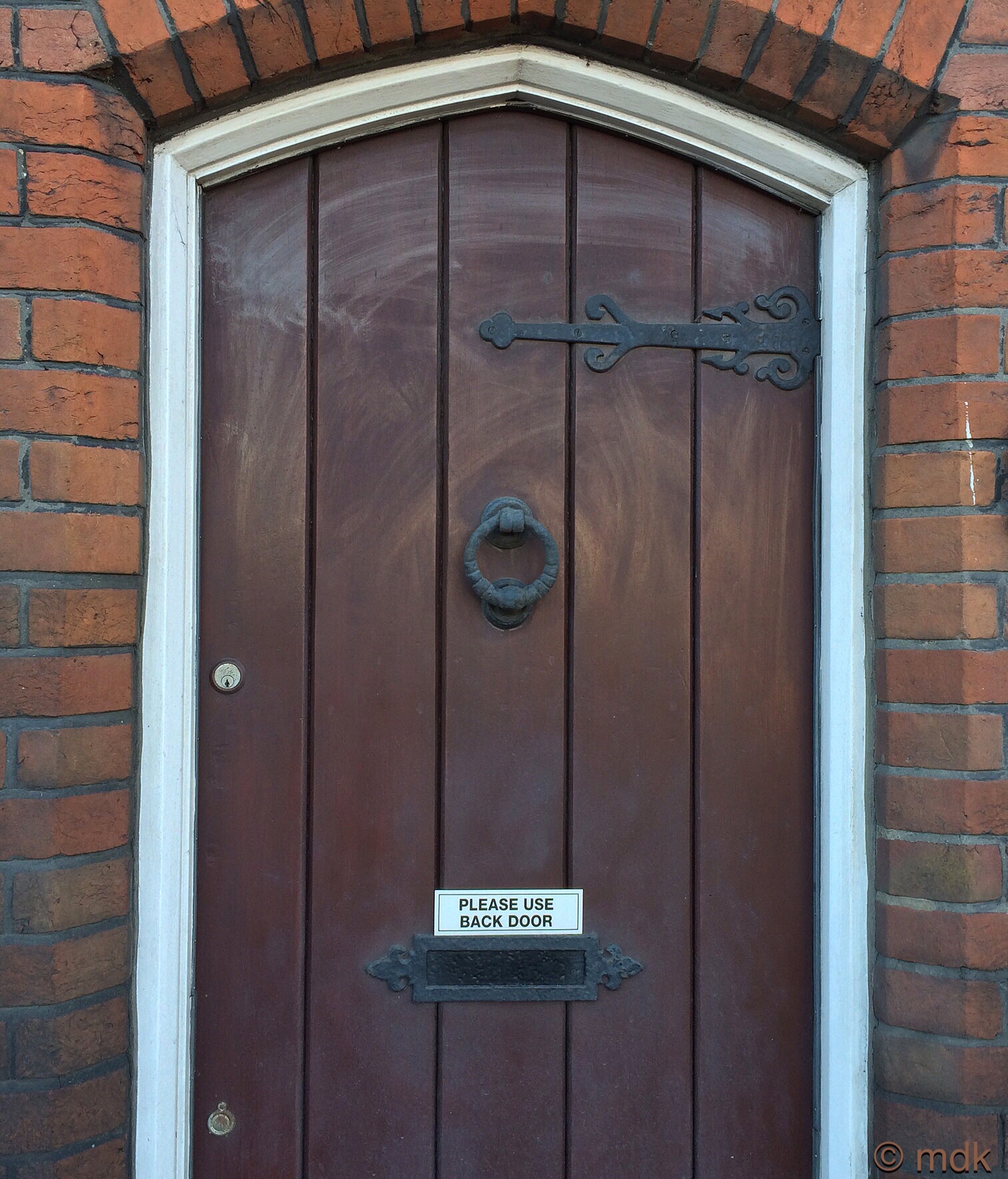
When I left the church I had warming coffee on my mind and a hope that I’d find some somewhere in the village. Botley is a village of quaint old buildings that have been standing for centuries. Many are a little crooked and, although some of the businesses are modern, the place has an old world feel to it, like stepping back into another, gentler time. Next to the church was a terrace of red brick cottages, all the same except for their doors, which opened almost onto the street. For some reason nearly every door had a sign saying ‘please use back door,’ and I wondered why. Beyond them I could see an A frame sign on the street, maybe it was a coffee shop.
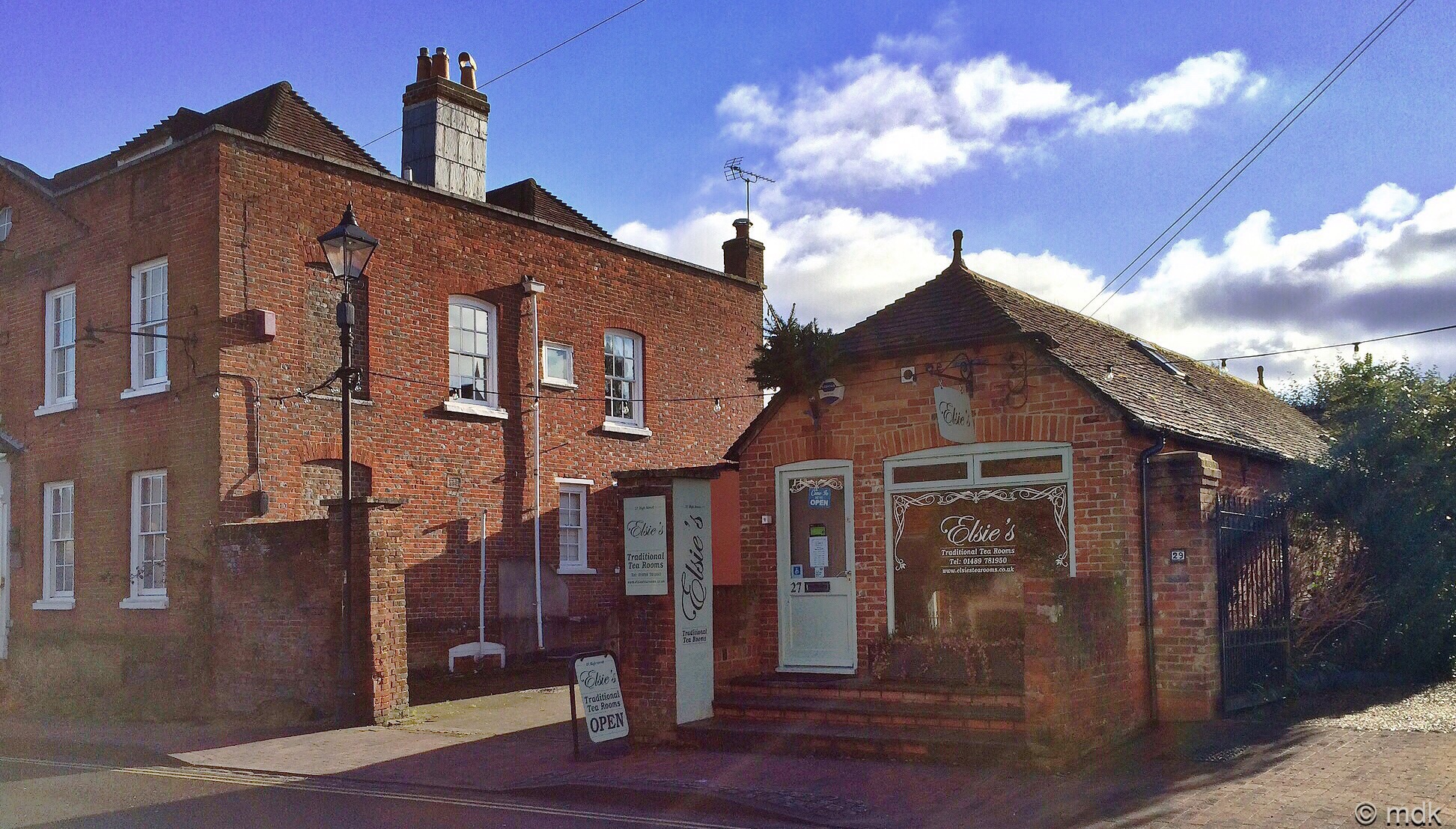
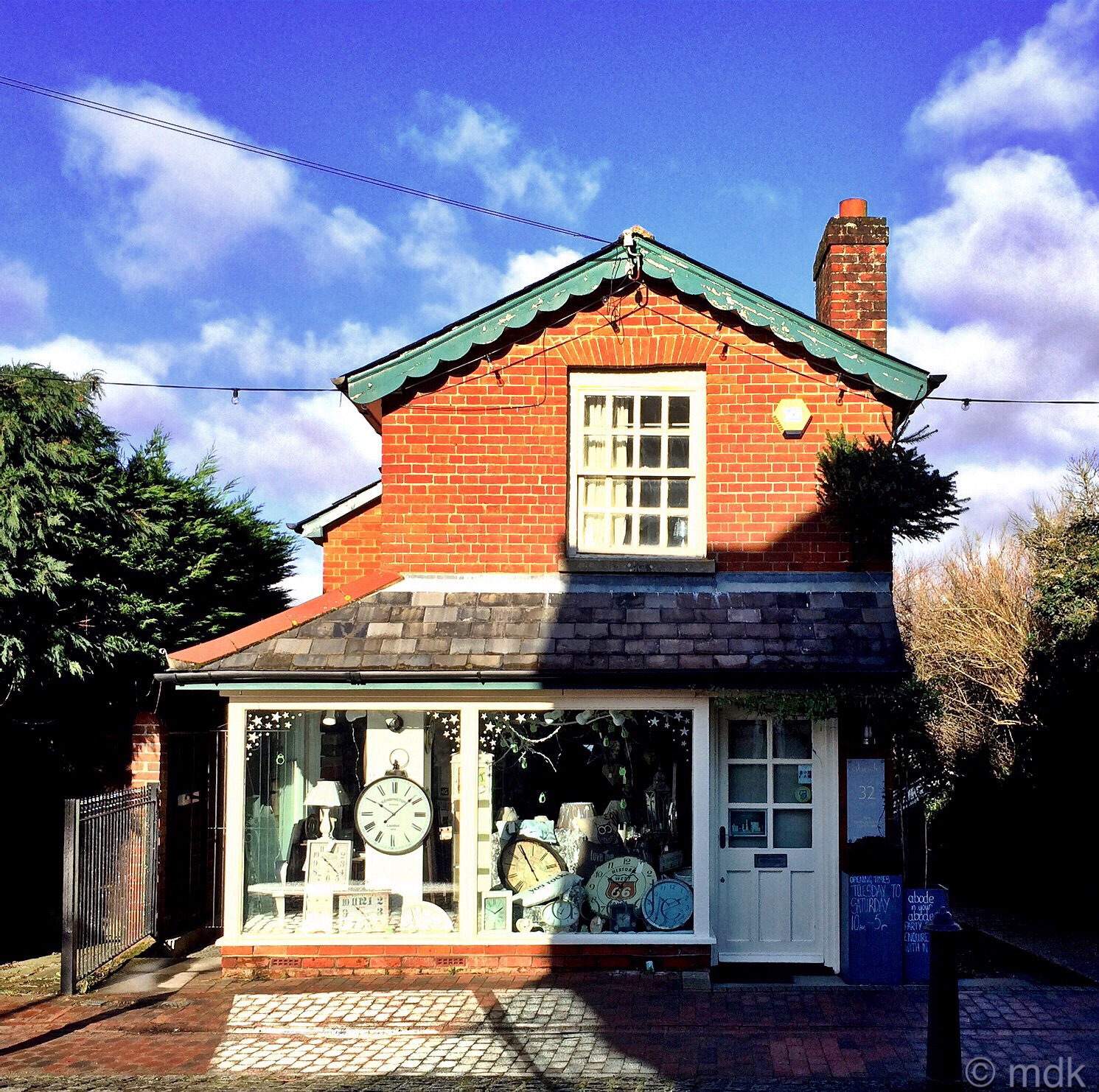
As I got closer I could see the tiny little building was actually a tea room. They probably would have made me a coffee if I’d asked but, looking in the window, it was full to bursting, so full the windows were steamed up, and I didn’t fancy a long wait. Across the road was a shop that looked so intriguing I had to cross for a closer look. The window was full of clocks of every kind, including a branch hanging with fluorescent green alarm clocks. Being Sunday it was shut but I’d have liked to go inside and explore further.


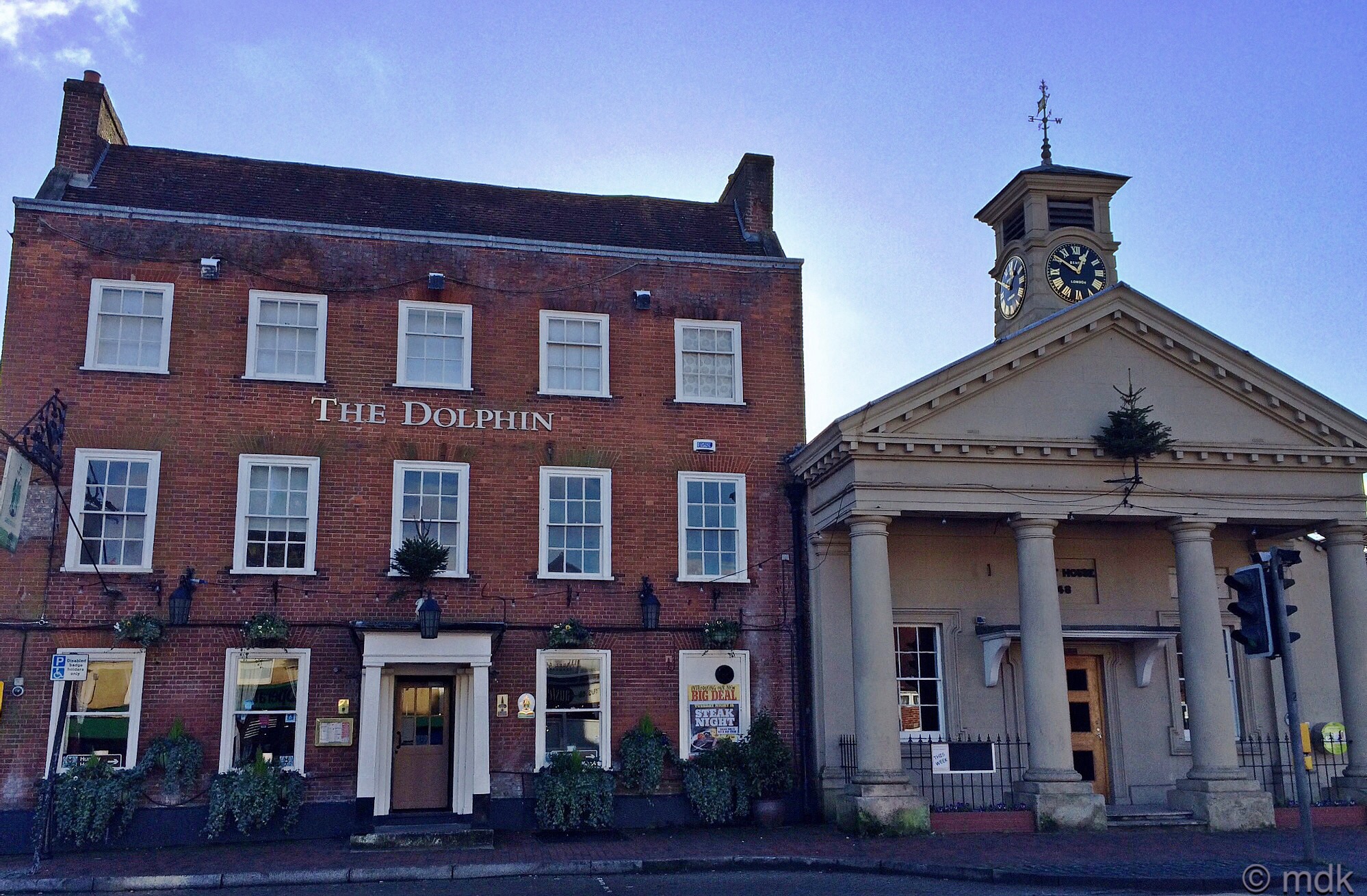
In 1267 Henry III granted a charter for a weekly market in Botley. This was a big deal for the little village as, in those days, there were few shops and buying or selling almost everything required a trip to a market. The Market Hall, built in 1848, still stands in the middle of the High Street. In fact the impressive building dominates the square, with a portico supported by four columns and a tower and gilded clock topping the roof. Beside all the old red brick buildings with their sagging roofs and twisted windows, it looks a little incongruous to me.

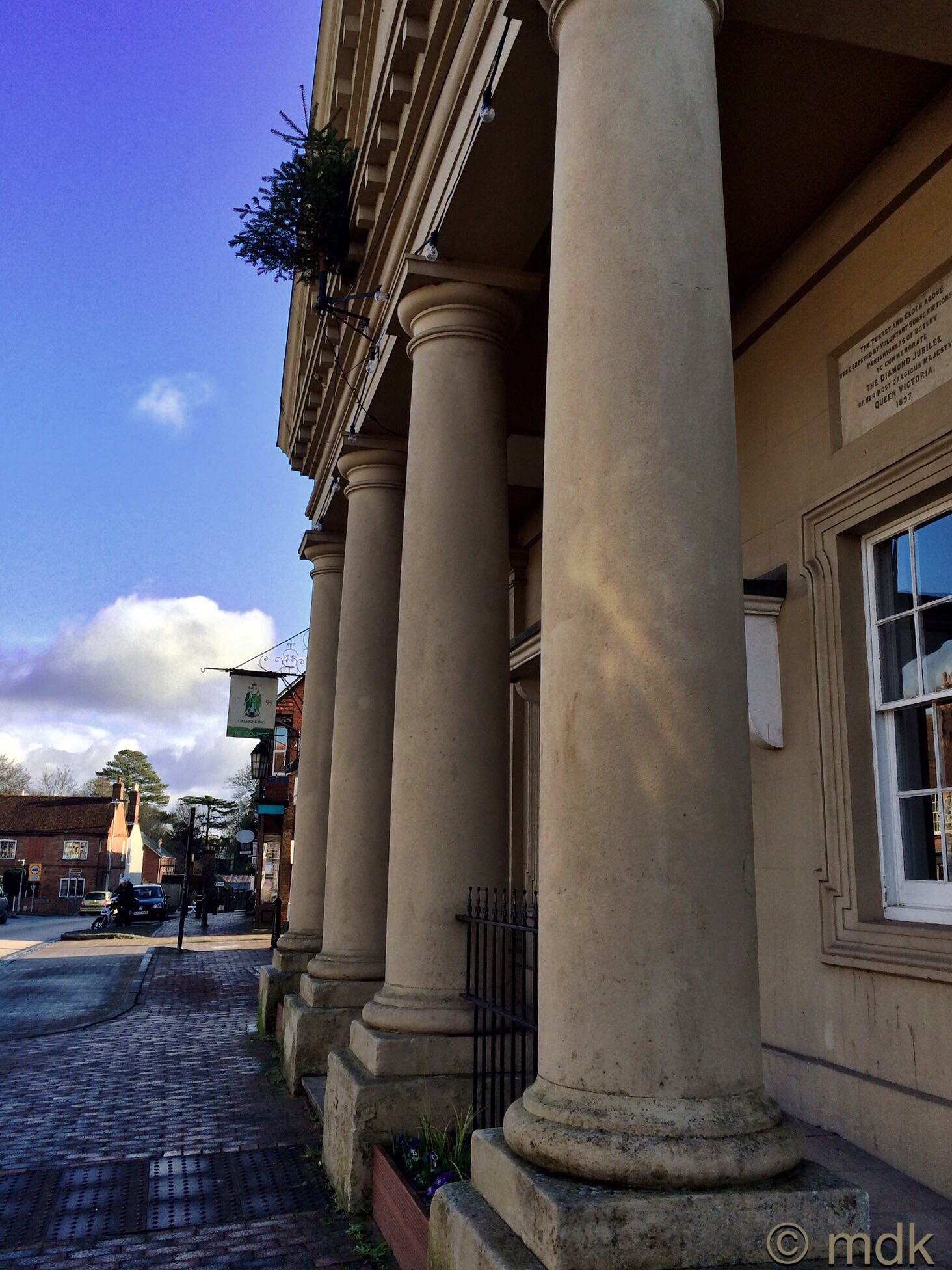
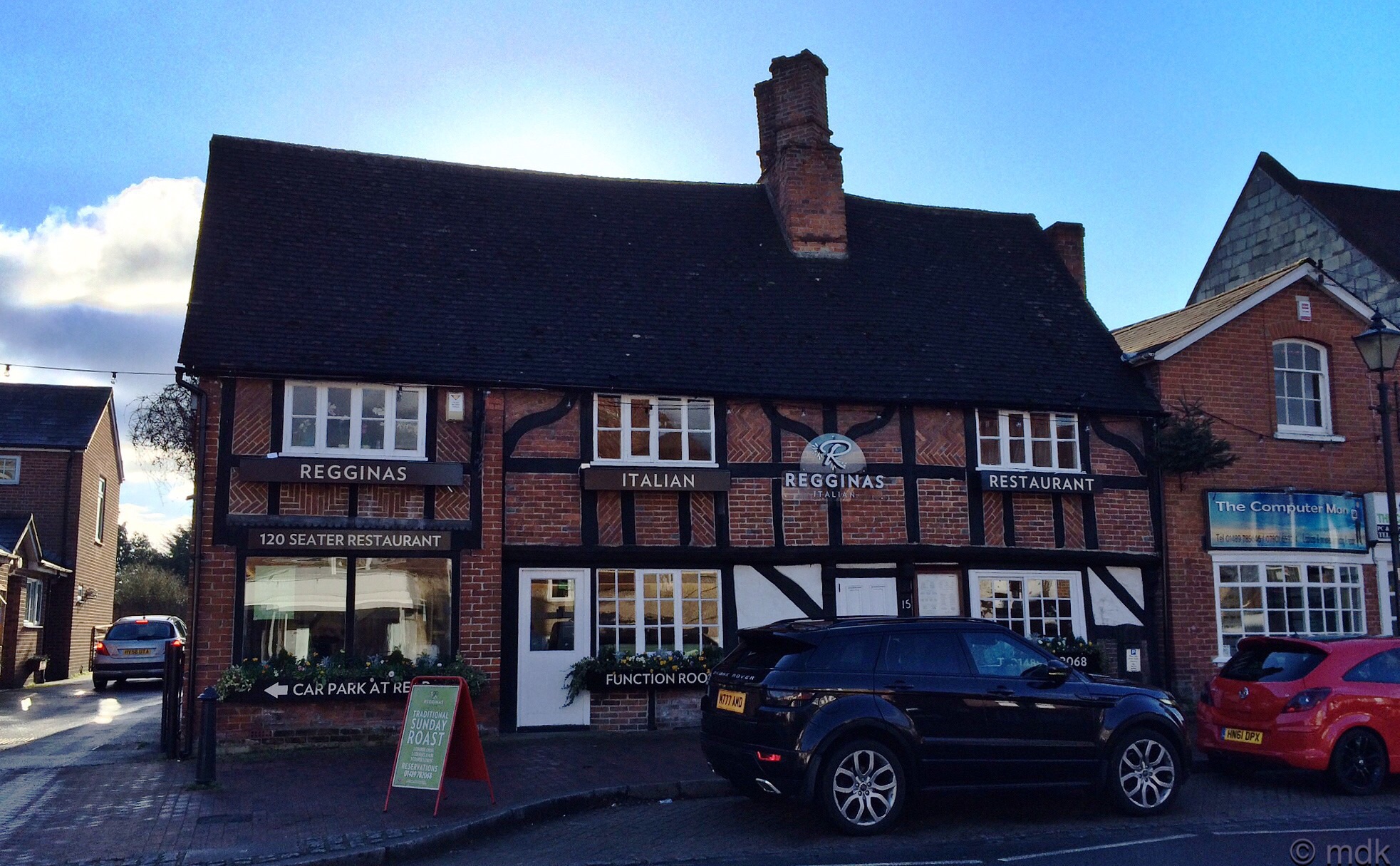
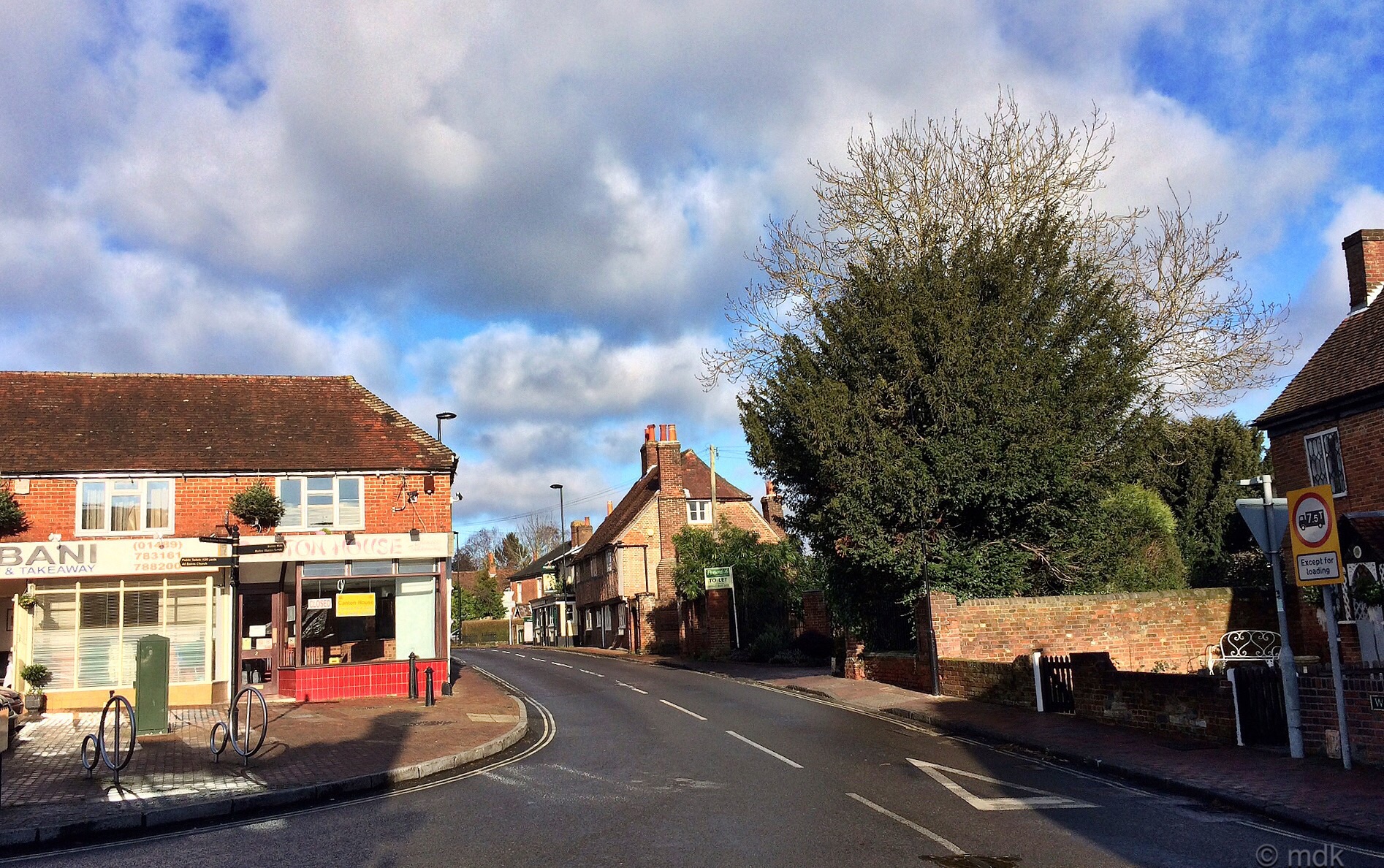
There’s nothing down market about Botley, no tacky souvenir shops or Pound Shops and, for such a small village there are a surprising amount of places to eat and drink. Apart from the tea rooms there’s an Indian restaurant, Purbani, and a rather swish Italian restaurant, Regginas, in a beautiful old building of herringbone brick, dark beams and crooked doors, all it lacks is a thatch on top. Sadly, the café, Delicieux, was closed on Sundays.

There are also three pubs almost within sight of each other, The Bugle and the Dolphin both dating from the seventeenth century and the Brewery Bar. The Dolphin is supposed to be haunted by a man hanged in the pub after a mock trail went wrong. Once or twice I’ve spent an evening there but I’ve never heard the ghostly noises from the cellar or the echoing footsteps. The pubs were coaching inns for travellers back in the days when getting from place to place took a lot of time plus a coach and horses. The archway through to the back of The Bugle shows where the coaches would have passed through. Three pubs in such a small village may seem excessive but, back in the eighteenth century, there were fourteen! Both the Bugle and the Dolphin date from the seventeenth century so would have been among their number.


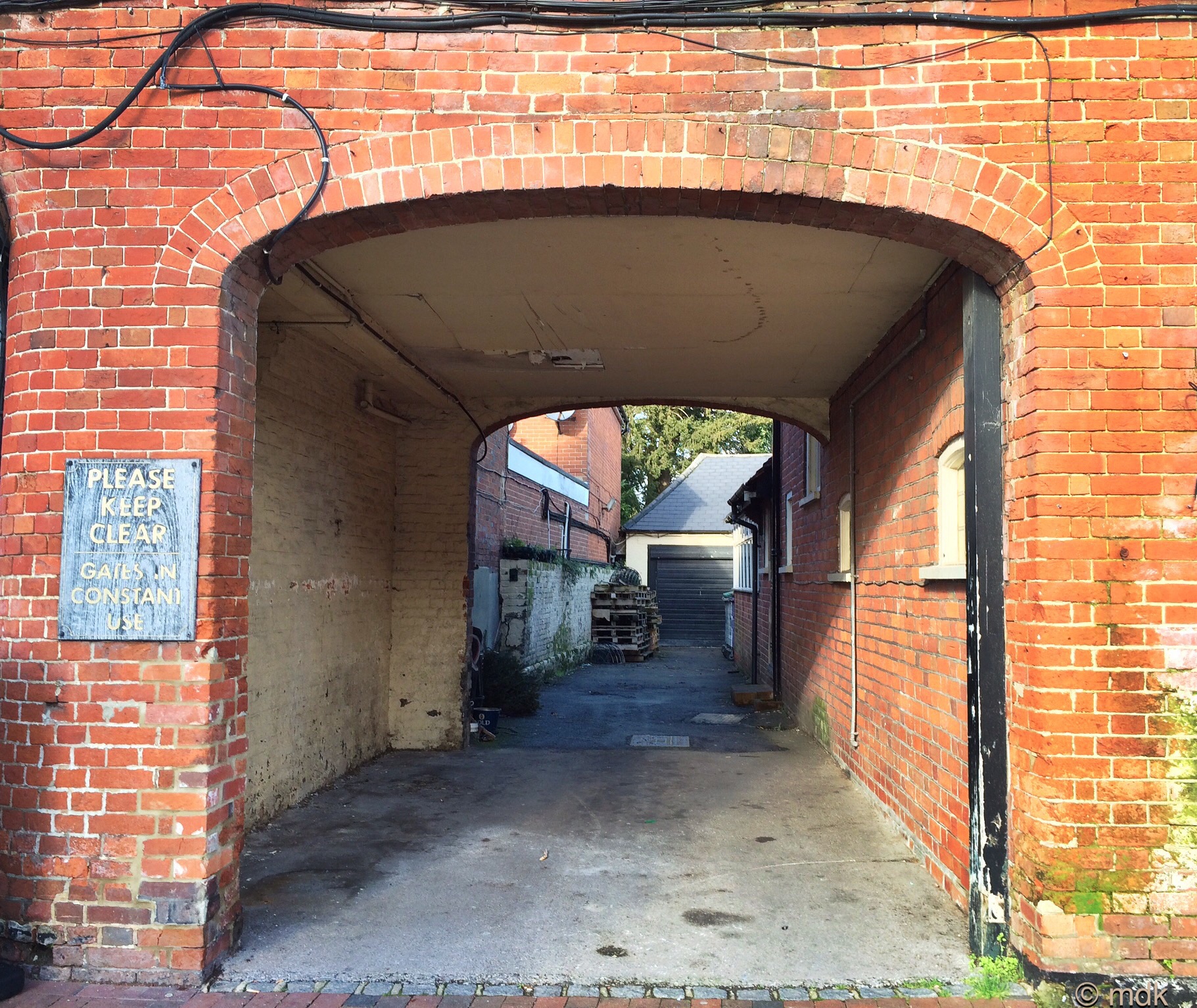
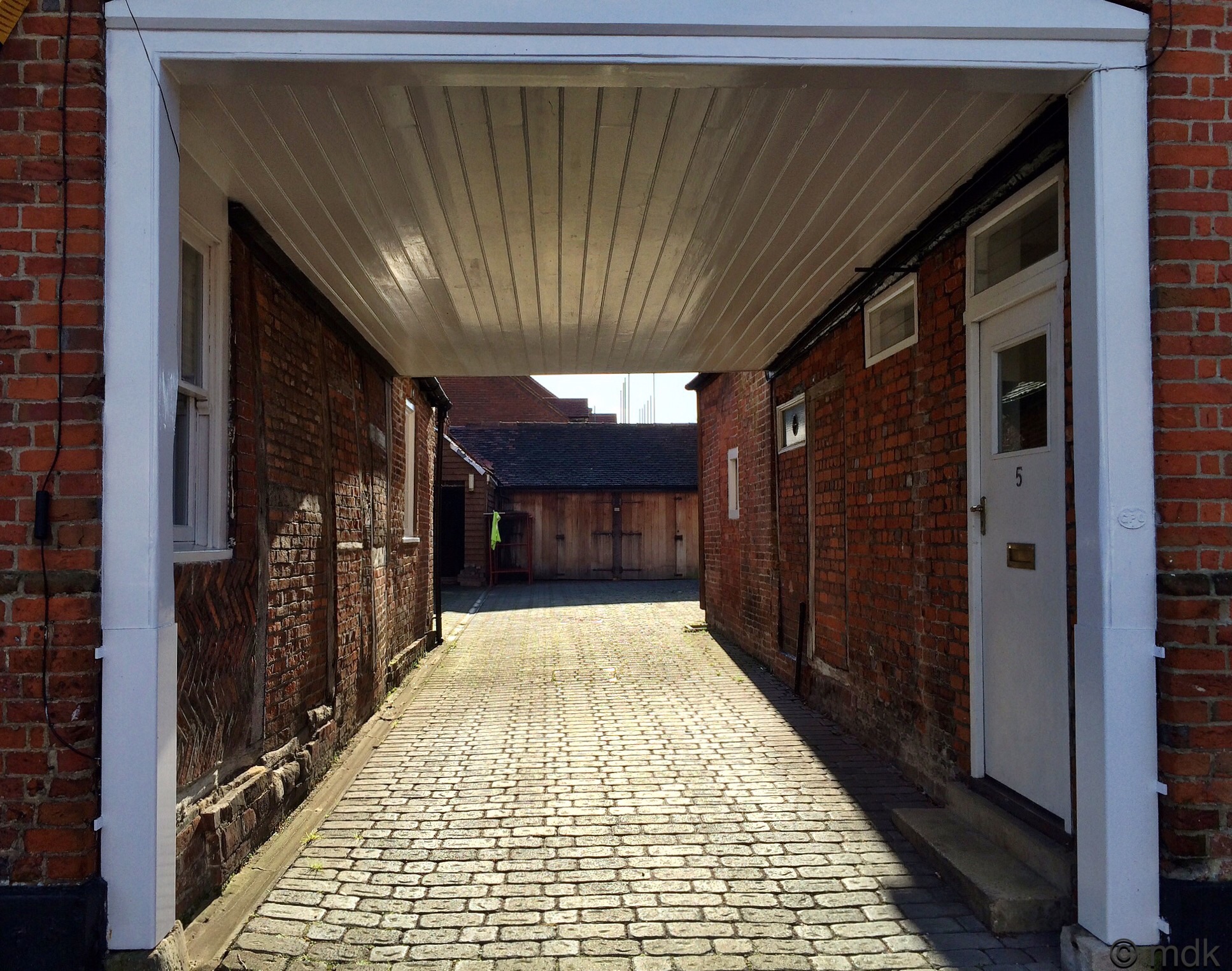
There was once a third coaching inn on the High Street, The Catherine Wheel. Probably the first public house in Botley, it was mentioned in records as far back as 1545. In 1882 it was turned into a temperance house and hotel serving coffee rather than beer. That sounds like a great idea to me. Now it has been taken over by lots of small shops, including several boutiques and a toy shop. The archway where the coaches used to enter is still there to this day, all wobbly walls of uneven bricks, and, through it, something that looks remarkably like stables.
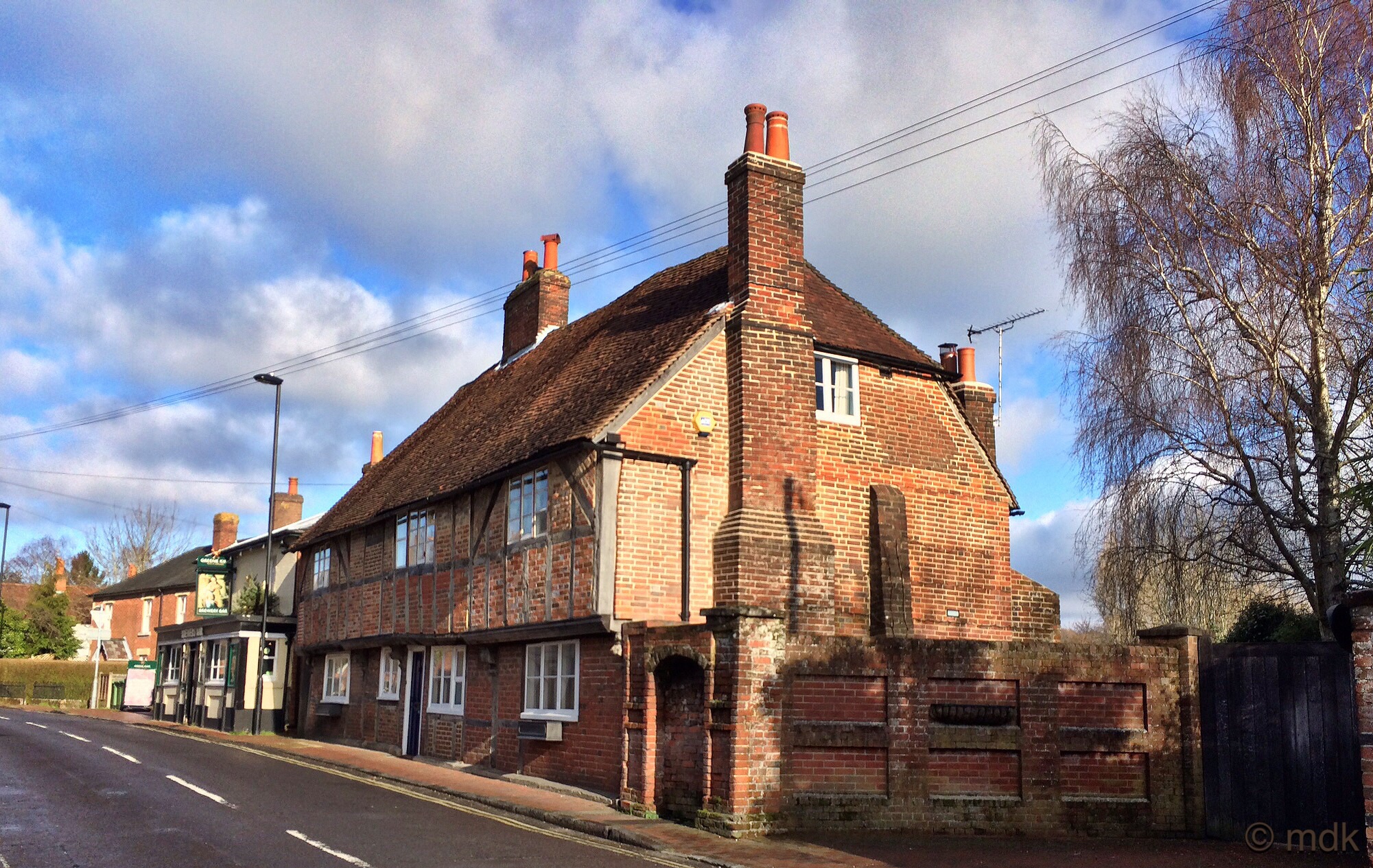
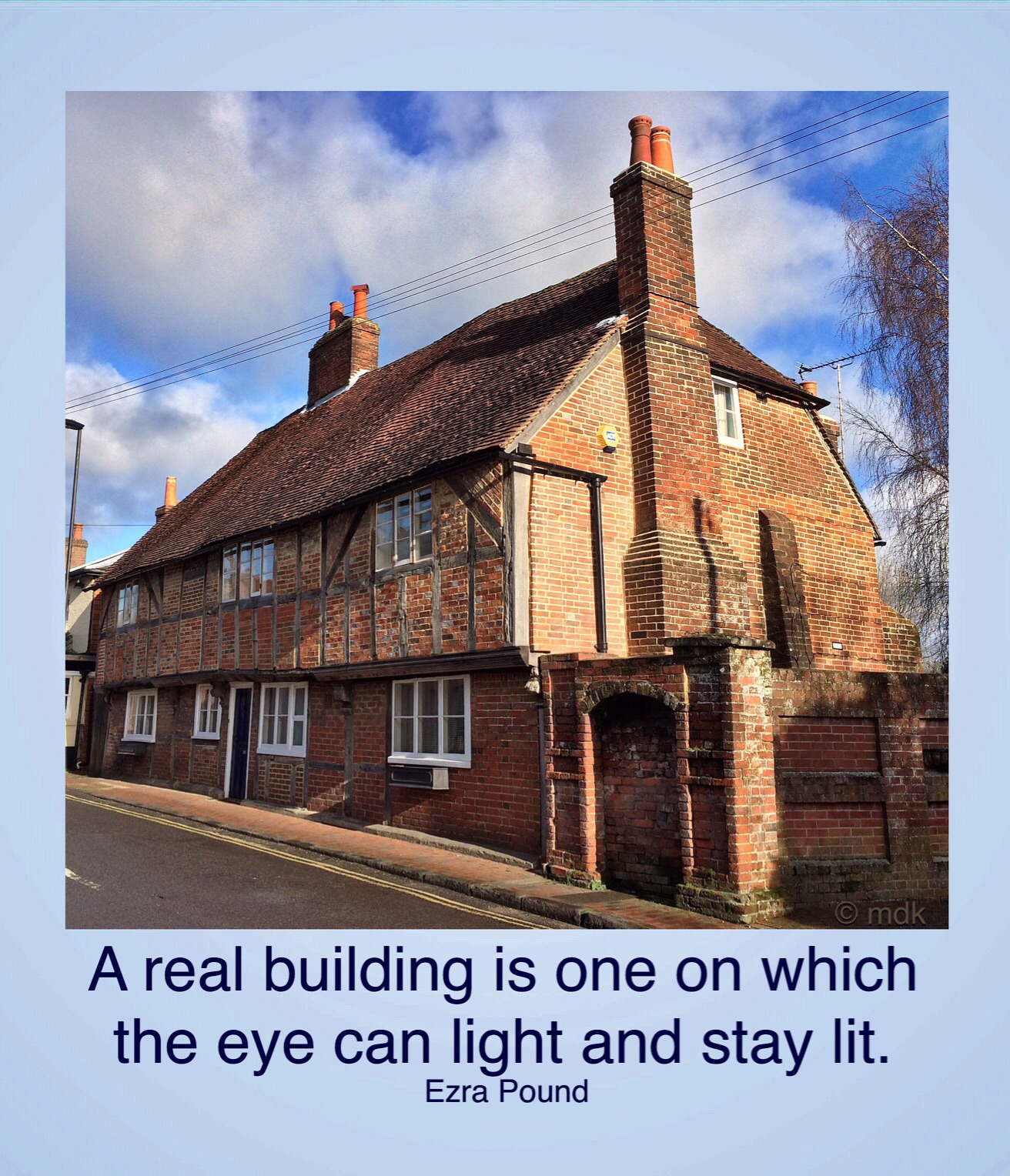
When I came to the end of the High Street I was planning to carry on down Mill Hill to Botley Mills but, as I looked left to cross the road, I saw a building I just couldn’t ignore. The beautiful old timber framed and brick house in Winchester Street put me in mind of Tudor House in Southampton, although it is actually a couple of hundred years younger and nowhere near as grand. Even so, by most standards, it’s pretty ancient having been built in 1610. It seems to be being used as a residential property and, despite my curiosity and extensive Googling, I couldn’t find anything out about it apart from the fact it’s a grade II listed building. Next door is the Brewery Bar, which must make it quite handy if you fancy a drink or five.
Walking back towards Mill Hill I passed two cottages that, anywhere else, would have been considered pretty interesting. They were built in the eighteenth century and, like half of Botley, they are also listed. Something about them appealed to me, maybe it was the lovely leaded windows or the pretty little porch on one house. Then again it could have been how well cared for they seemed, the heart shaped wreath on one door, the wrought iron seat and cider jars planted with bay trees in front of the other. When I see houses like this I can’t help imagine living there.
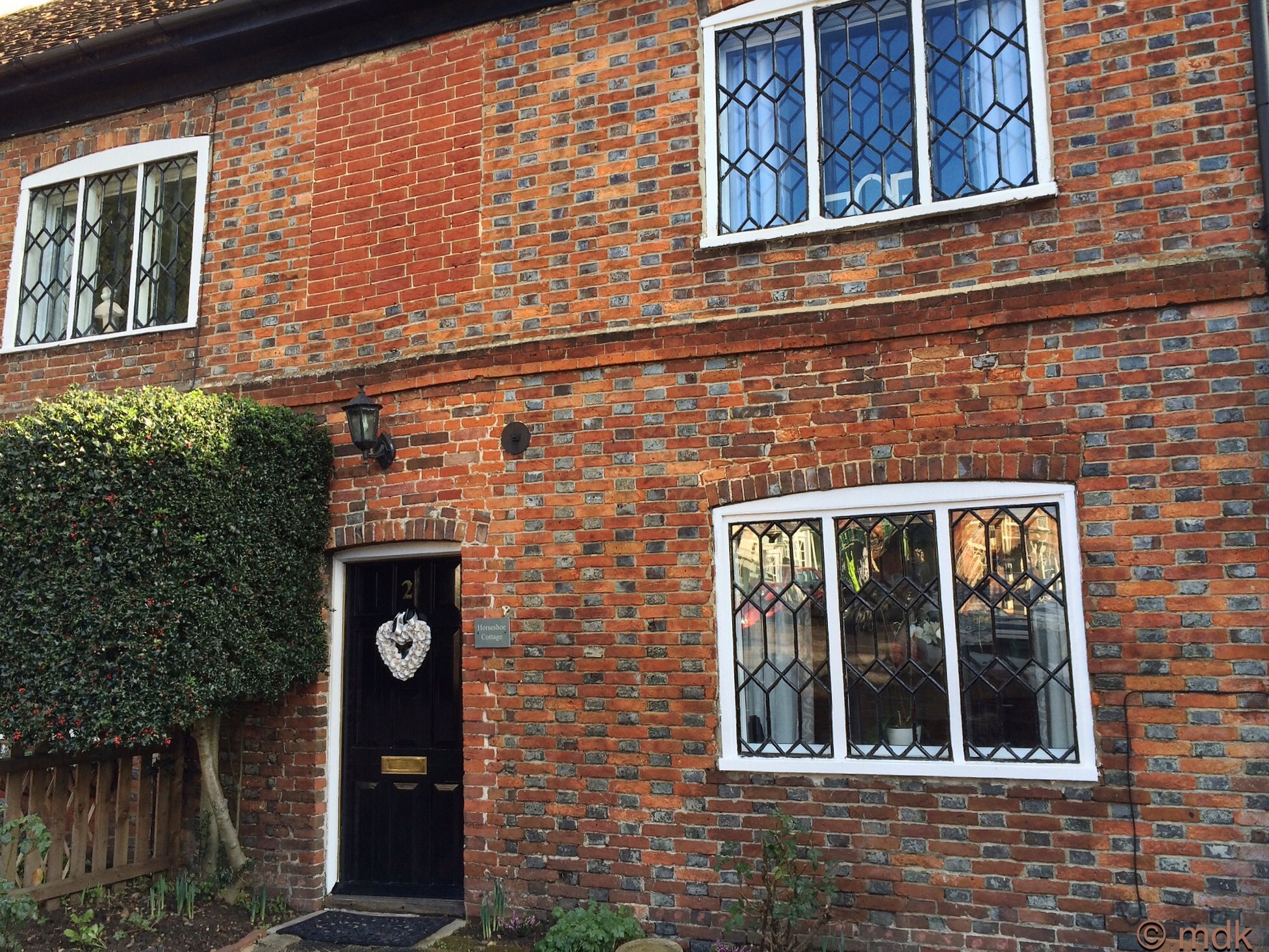
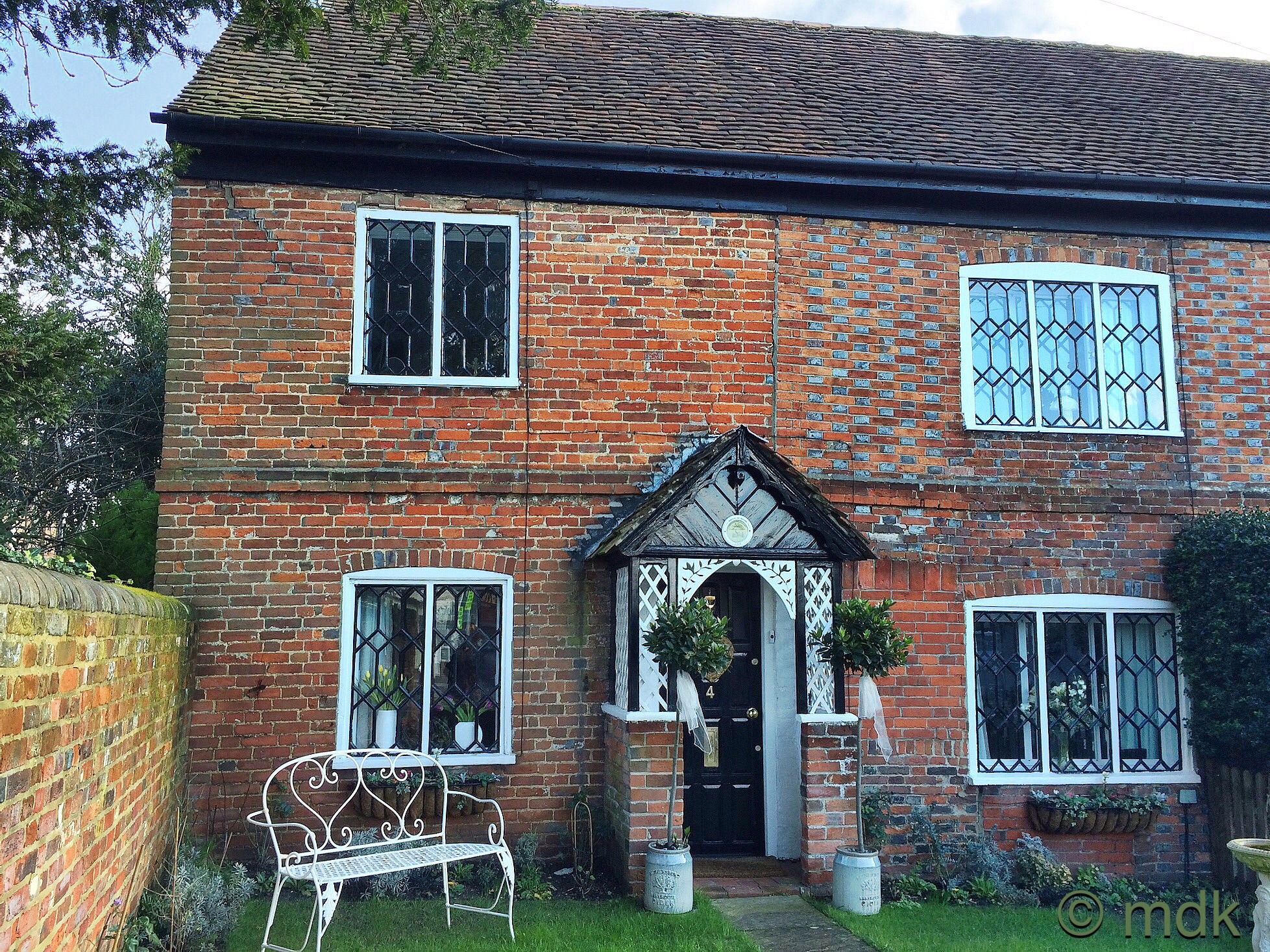
With so many amazing old buildings it was easy to get distracted and I could easily have spent all day wandering about taking pictures. There are only so many hours in a day though so, before I ran out of time altogether and had to walk home in the dark, I thought I’d better get a move on and make my way to the mills. Botley obviously needs further exploration but the houses will still be there another day.
I very much enjoyed the tour round Botley, it has some very interesting buildings which you photographed well.
It was more interesting than I expected. You really don’t get the feel by driving through.
A picture postcard village.
It certainly is. So many of the little villages here have been spoiled by modern developments and tacky shops. Thankfully Botley isn’t one of them.
This must have been a relatively wealthy town with all the brick, I would think. Wasn’t it unusual to build with brick in the seventeenth century?
In any event it’s a pretty little place that I wouldn’t mind living in.
In England brick was considered to be inferior to stone but, often there wasn’t enough local stone and transporting it was expensive. Here in Hampshire we have a lot of clay, if you dig in my garden you’ll find lots of it, and there were many local brickworks. There was one in my village and I belive there was one in Botley. Brick was a very popular building material in the seventeenth century around here although the big houses were often made of stone.
I wouldn’t mind living there either by the way 🙂
love seeing your photos of Botley,lived there ’79-88,loved it ! 2 daughters christened in the church & in 2012 a grandson as well.Different shops,the “clock” shop was a lovely wool shop.Next time you’re there,make time to visit Elsie’s Tearooms,fantastic place only been there once but it was lovely xx
I’m glad you enjoyed it. Next time I will visit the tea room as long as they’re not too busy. It looked like standing room only when I passed but I’d have liked a warming cup of coffee.
I want to visit here!! This is amazing!
Hi Paula. I thought you’d like it. We do have some lovely little unspoiled villages in Hampshire and Botley is one of the prettiest.