
In late October 2020 the news was depressing. COVID cases and deaths were rising. Despite local lockdowns and a new, tiered system of restrictions, there were murmurings about another total lockdown. Businesses were going bust, and unemployment was rising fast. Everywhere I looked there were rumblings of discontent, conflicting information and vociferous opinions that made me wonder if the virus had affected peoples’ capacity to reason. To my mind, no one had definitive answers and, no matter what the government did, or said, they couldn’t win. In the end, I decided the only thing to do was ignore it all, worry about my own health and safety and concentrate on the second big writing project I’d recently started.
Letting my mind wander back in time to the mid 1920’s felt like a release. It was an interesting period with a climate of conflict reminiscent of current times. Back then soldiers who’d returned from the Great War didn’t feel they’d got the land fit for heroes they’d been promised. In truth, they hadn’t. Unemployment was rising. For the working classes, poverty and poor housing were a perpetual problem, and in the midst of this, the opposing factions of bolshevism and fascism began to cause huge divisions. Then the threat of a cut to wages and a longer working week gave rise to the general strike.
In Southampton the strike was centred around the docks and this was the focus of my story. Thanks to my time working for a cruise company I knew the area well but, on 19 October, I decided to take a little walk around it to jog my memory. The swans who’d been missing the last time I took a walk along the boardwalk had returned. When and why I couldn’t tell. Fairly soon I felt as if I’d stepped back in time and was retracing my walks to work at the cruise company.
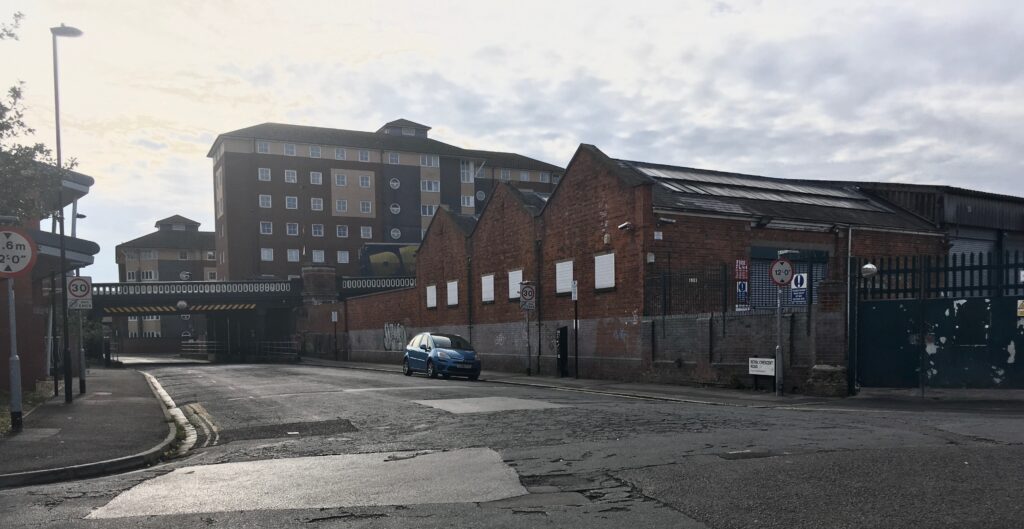
I smiled as I passed Central Bridge and the old red brick warehouse buildings that have been on the corner of Royal Crescent for a century or more. The railway bridge itself has been around since 1882. It was built to carry the Floating Bridge road over the new railway line towards Terminus Terrace. William Jacomb, the chief engineer for the London and South Western Railway Company designed it to avoid the inconvenience of a level crossing. It is a testament to his work that the bridge carries the road from the Itchen Bridge into town to this day. Of course, in the 1800’s it didn’t have such a volume of traffic to contend with.
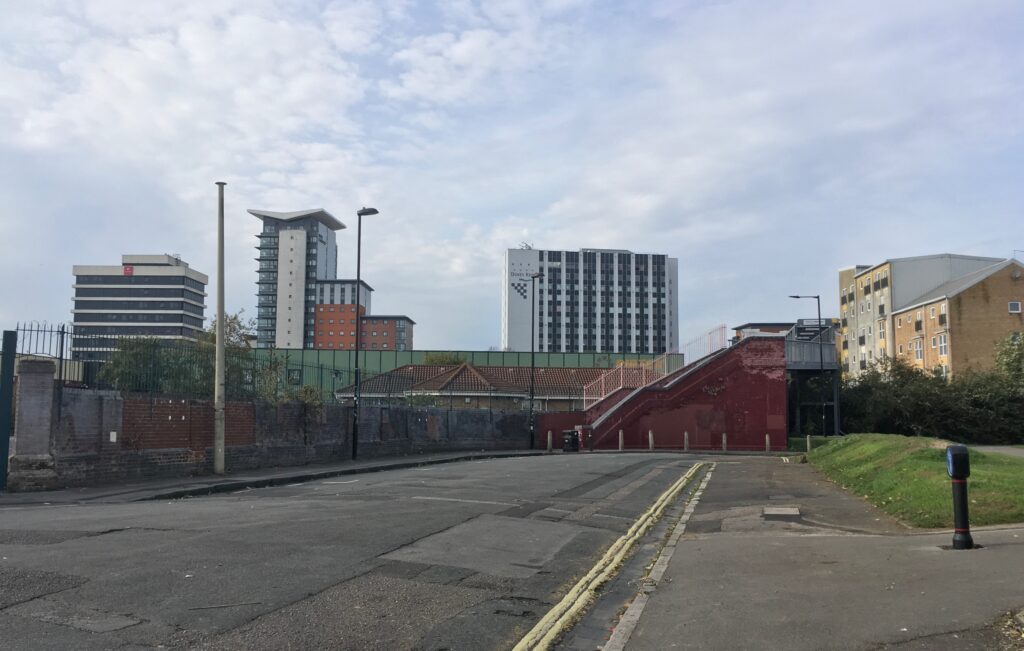
The next bridge on my journey was right ahead. Chantry Bridge is a footbridge just a few hundred yards from Central bridge and, once upon a time, I crossed it twice a day to get to and from work. The bridge itself is a modern metal affair but the steps leading to it look as if they have been standing since the original bridge was built. The red bricks have been painted a reddish pink and the paint is faded and peeling but this doesn’t detract from the beautiful curve of the brickwork and the pride the original bricklayers obviously took in their work. Despite its dilapidated state I always think of it as a thing of beauty.

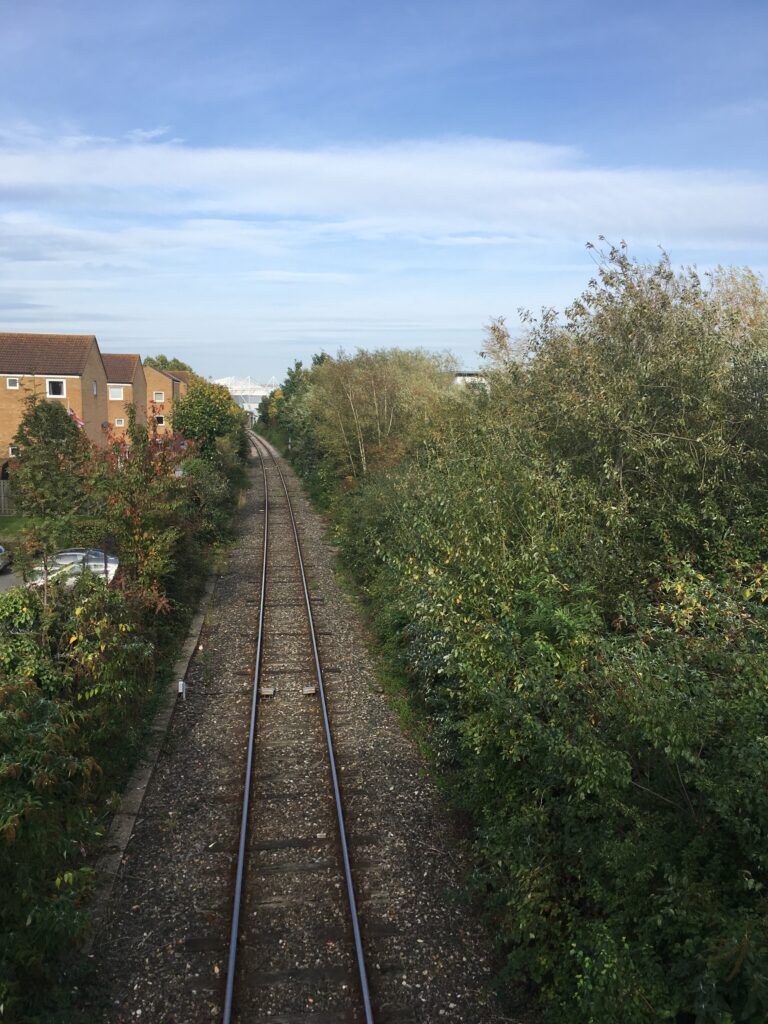
The original bridge was almost certainly brick, much like the bridge I cross so often at Chessel Bay. At the beginning and end of each working day it probably echoed with the sound of the docker’s hobnail boots as they went to and from work. Now my footsteps clanged as I walked across the modern, metal bridge. It has high sides and is enclosed with a kind of wire cage, probably to stop people jumping. Sadly, this means that the view isn’t as good as it could be but I pressed my camera up against the wire squares and took a photo anyway. In the distance I could make out the white struts of the football stadium. Back in 1926, my grandmother’s house would have been just around the bend in the track.
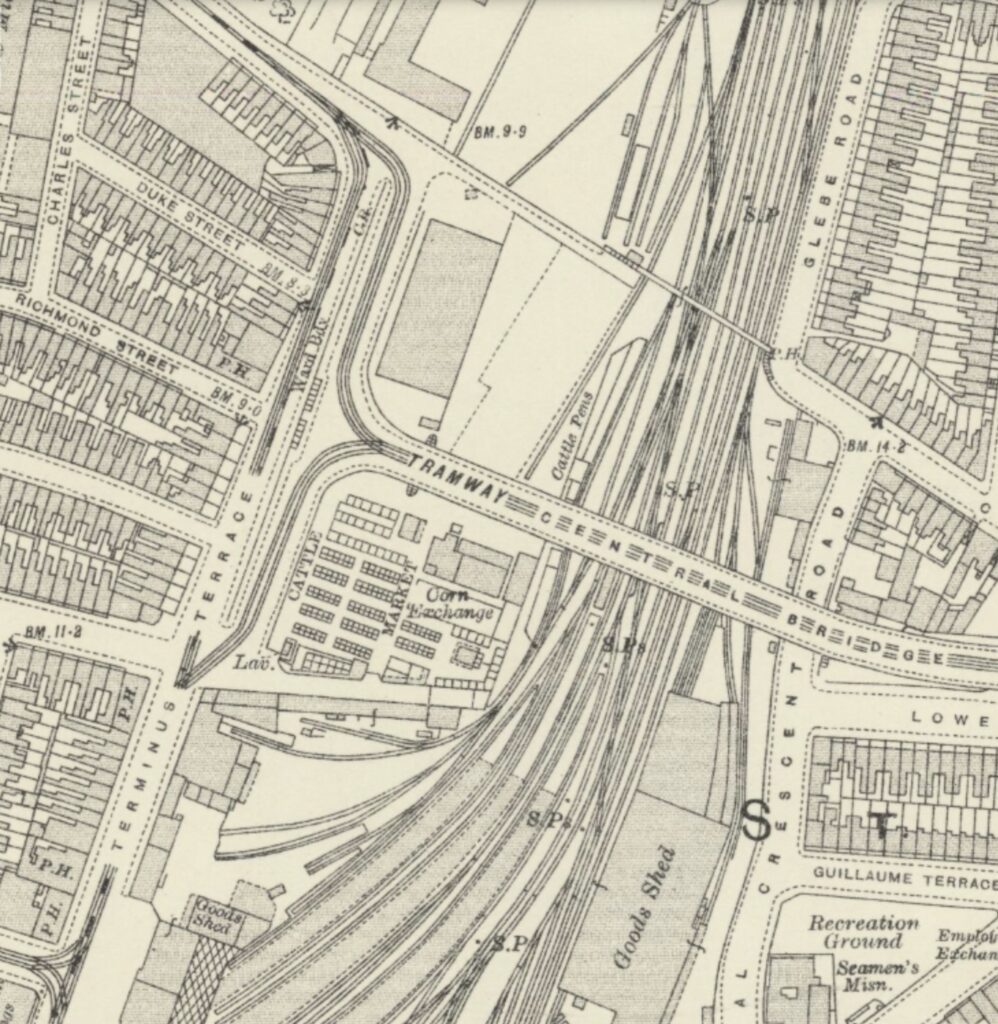
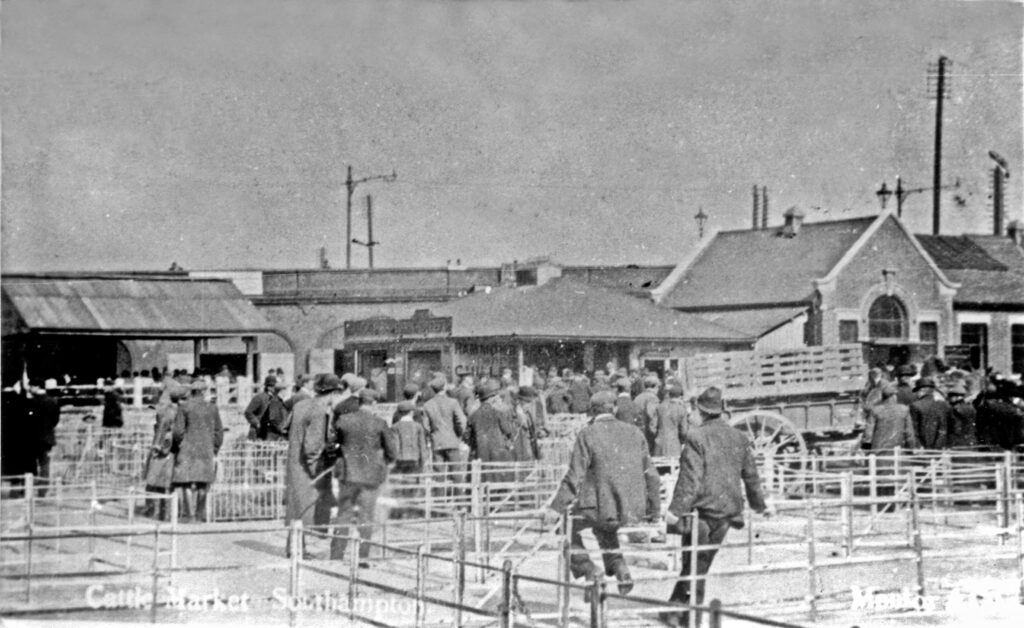
Back in the 1920’s and 30’s there was a cattle market on the other side of Chantry Bridge, right behind Terminus Terrace. There were cattle pens beside the railway line and I imagine the smell and noise made it an unpleasant place to linger too long. These days the old cattle market has been replaced by box shaped industrial units.

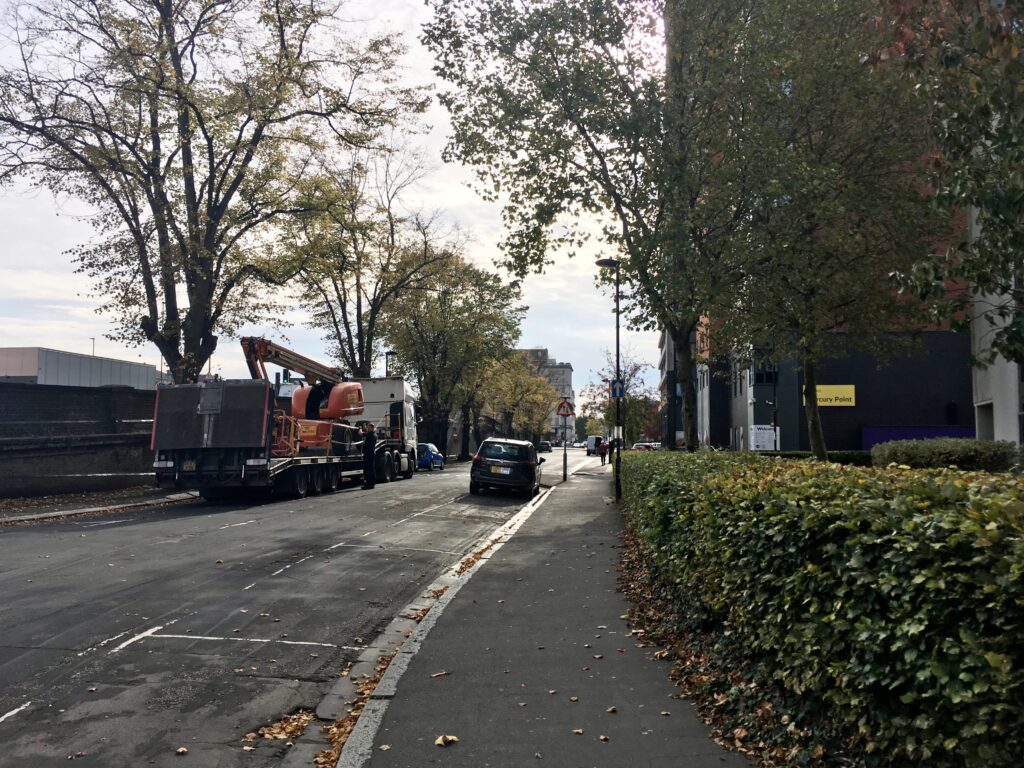
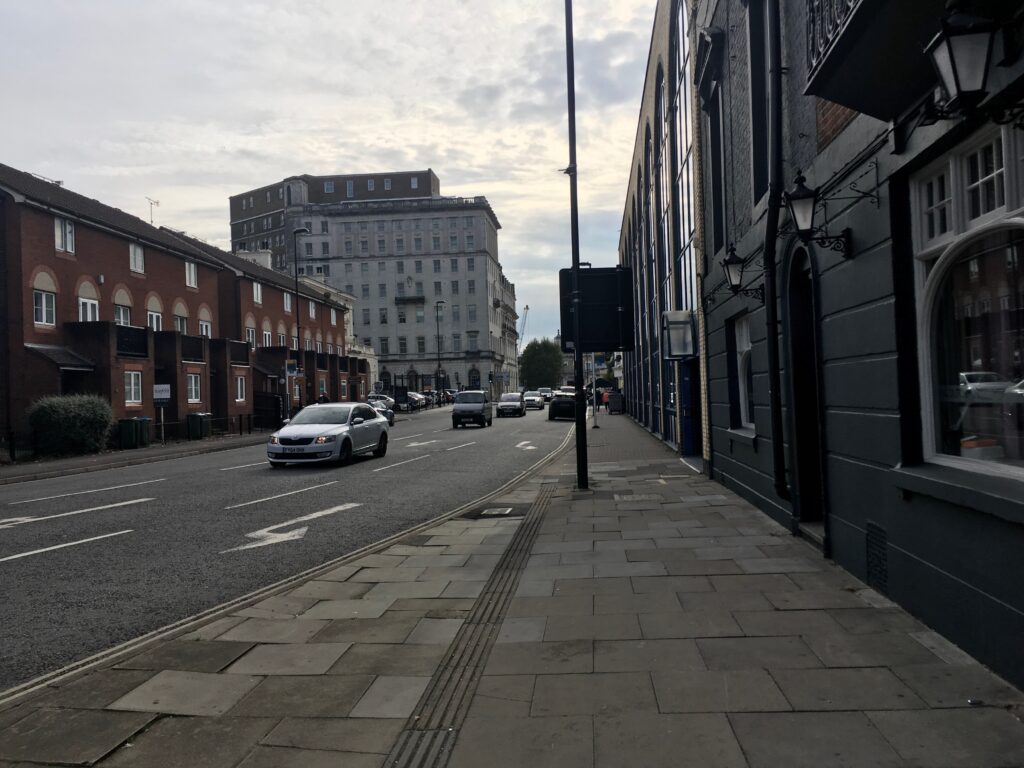
The main reason for my walk was to take a closer look at the odd little units in the arches underneath the end of the bridge on Terminus Terrace. My old office was right opposite them and I vaguely remembered there being a barbershop in one and a recording studio in another. These peculiar premises had given me an idea for a pivotal moment in my tale and I wanted to check them out. Unfortunately, when I got to Terminus Terrace a big articulated lorry was blocking part of the view.
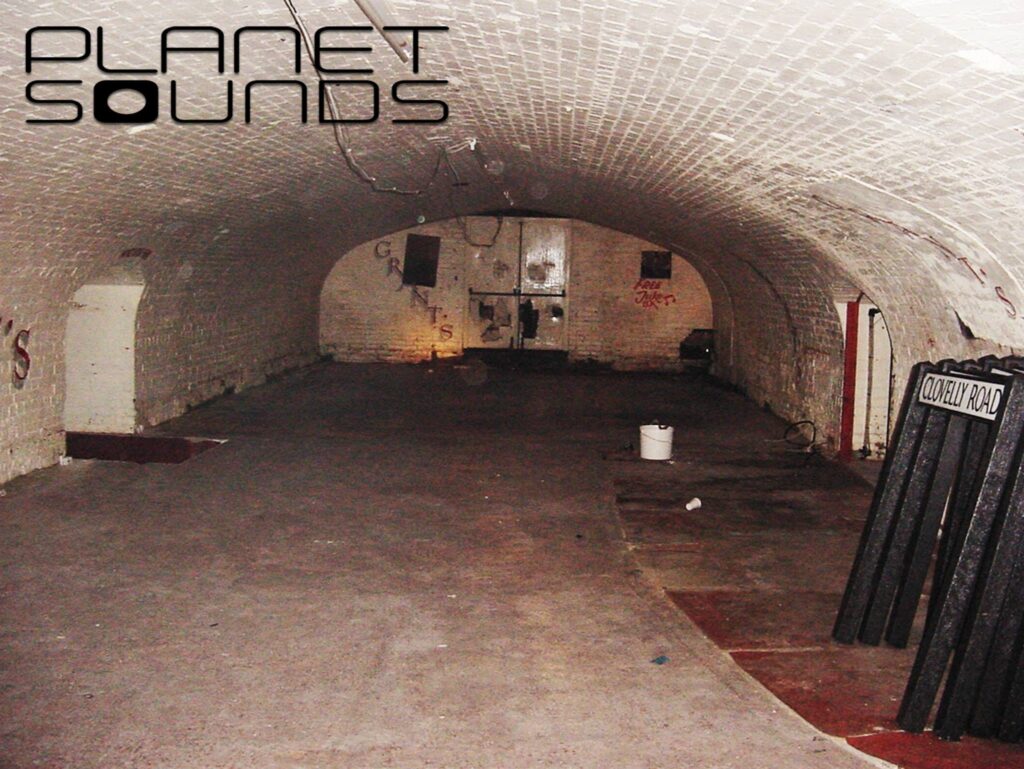
I remembered getting glimpses of arched cavern like spaces through the open doors, but it was clear I wasn’t going to get a peek at them that day. All the doors were firmly shut. In the end I had to resort to some internet searching to find more information. The best image I found was on the Planet Sounds Facebook Page. It was just how I’d imagined it and perfect for my purposes. Of course, it will be a very long time before those purposes are revealed but research is vital. The acoustics are probably perfect for a recoding studio. Just imagine a gunshot in such an enclosed space.
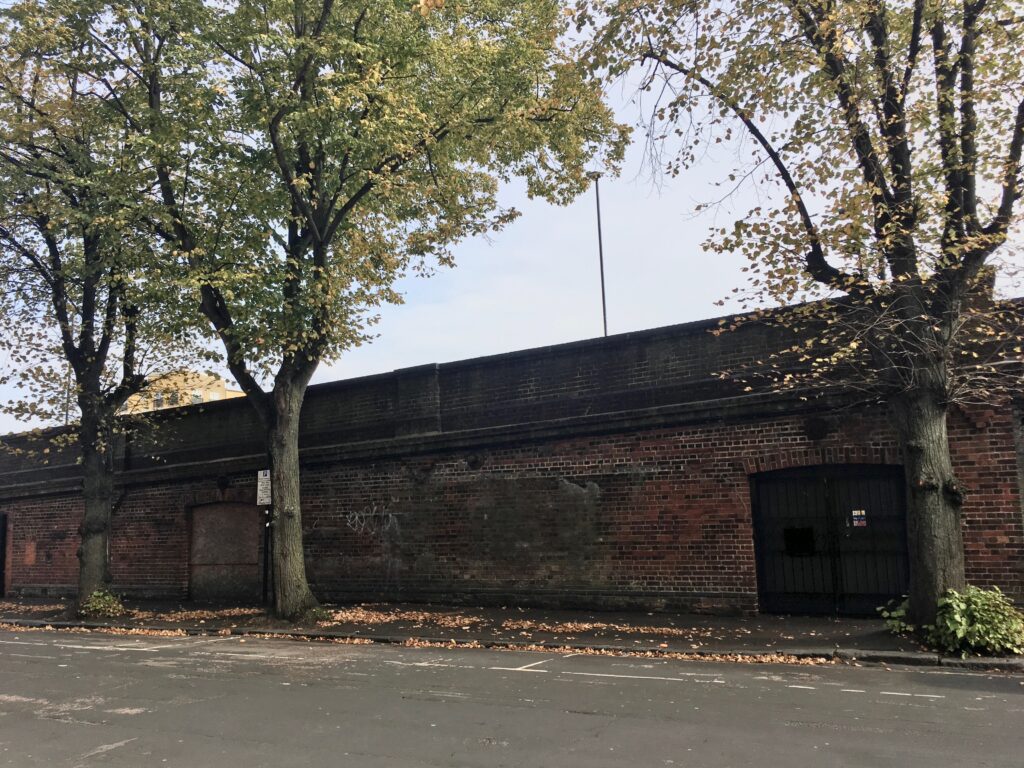
Memory is an odd thing. Whenever I thought about those units under the road I saw them as arches. Now, when I stood looking at them, they were much less arch-like than I’d remembered. This revelation proved that my walk had not been in vain and reinforced the value of thorough research. The eddies of autumn leaves and the whistling wind were exactly as I remembered though. Terminus Terrace really is a wind tunnel.
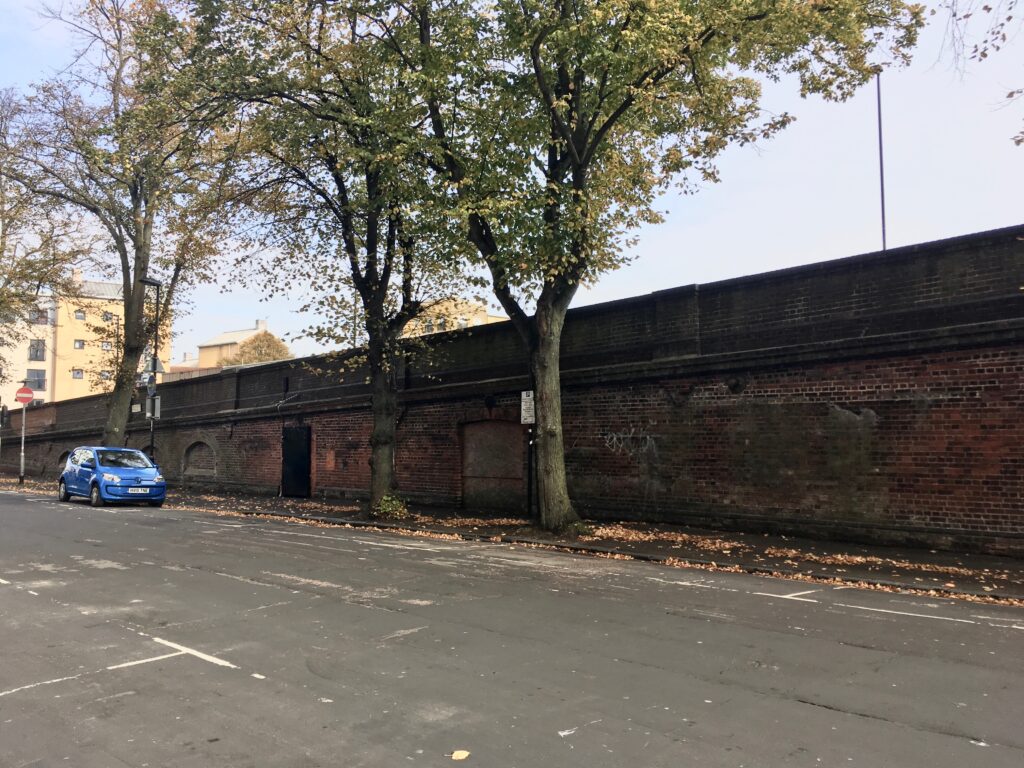
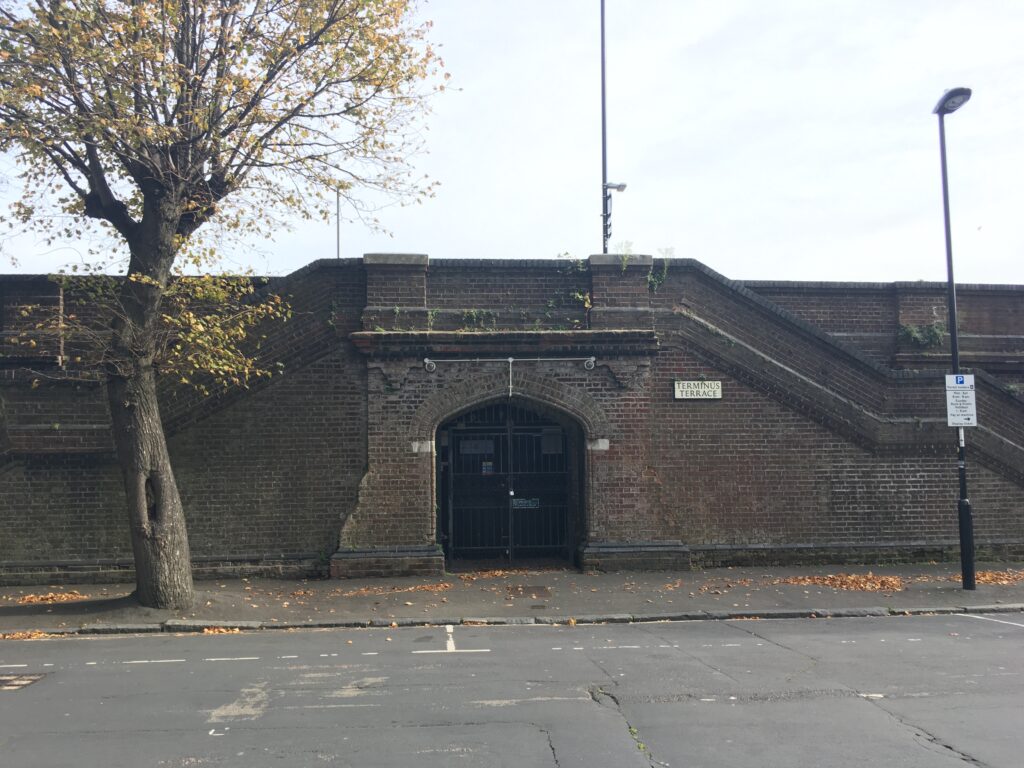
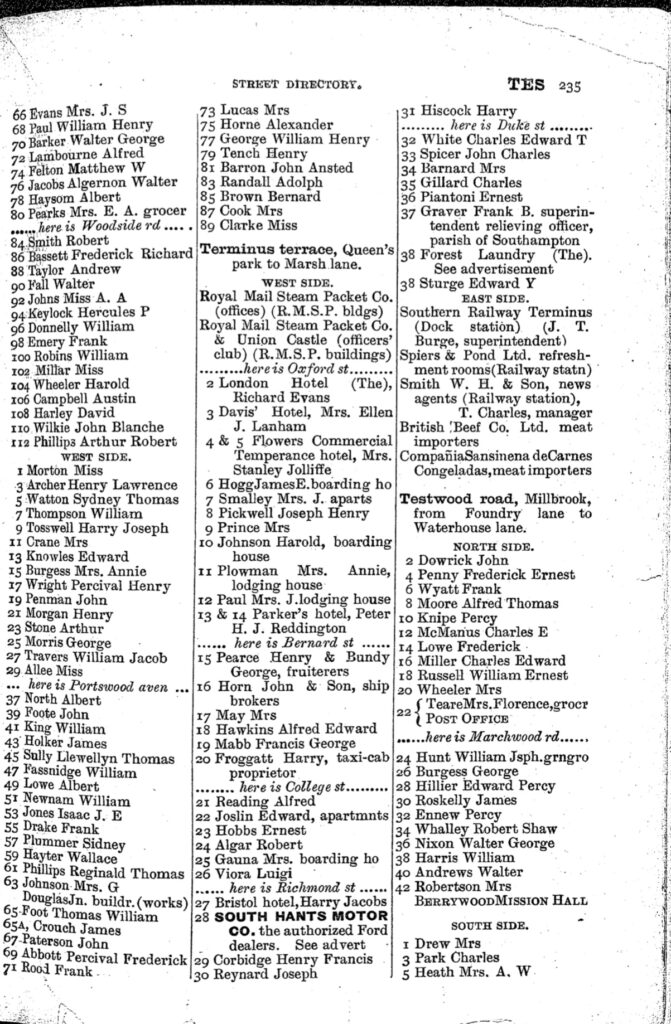
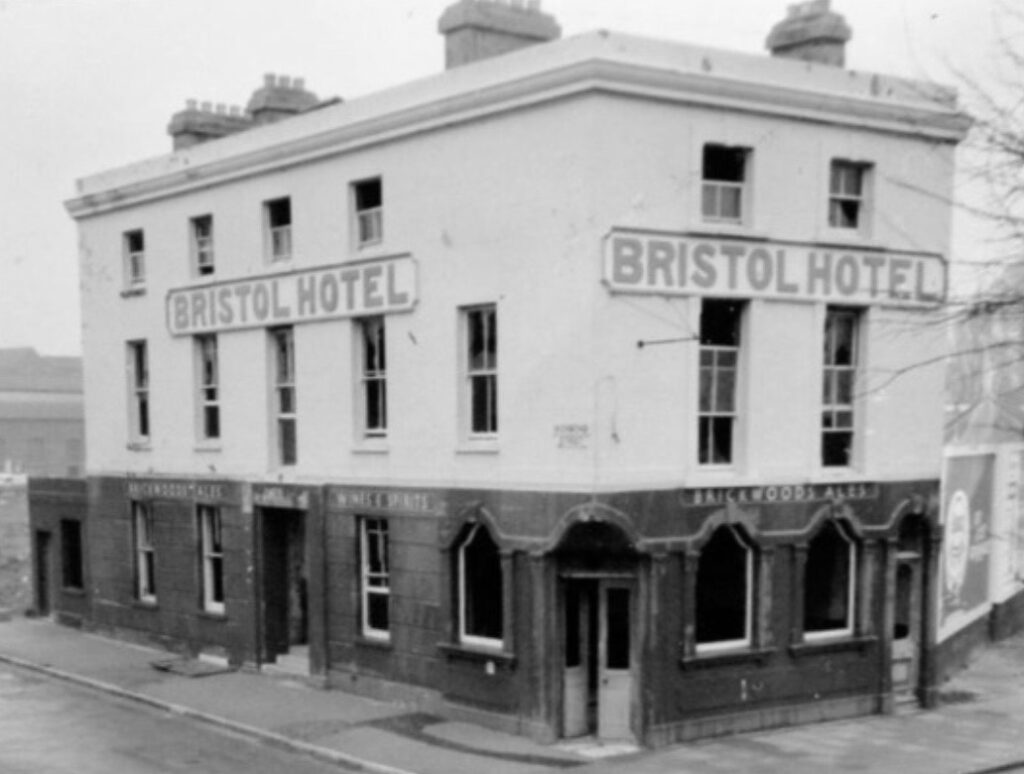
Most of the buildings on Terminus Terrace these days are modern office blocks, shops and student accommodation, so it wasn’t easy to get a feel for the place as it would have been in the mid 20’s. Luckily, Kelly’s Directories gave me an insight as did, old photographs and the handful of original buildings that still remain. My tale called for a pub, opposite the arches. Kelly’s provided one and www.closedpubs.co.uk gave me a photograph and more information. Today a small convenience store stands in its place.
At the end of the road, just beyond the old terminus station, now a casino, and the South Western Hotel, I could see the cranes of the docks. Often, when I was working there, huge cruise ships would be visible, looking as if they were parked at the end of the street.
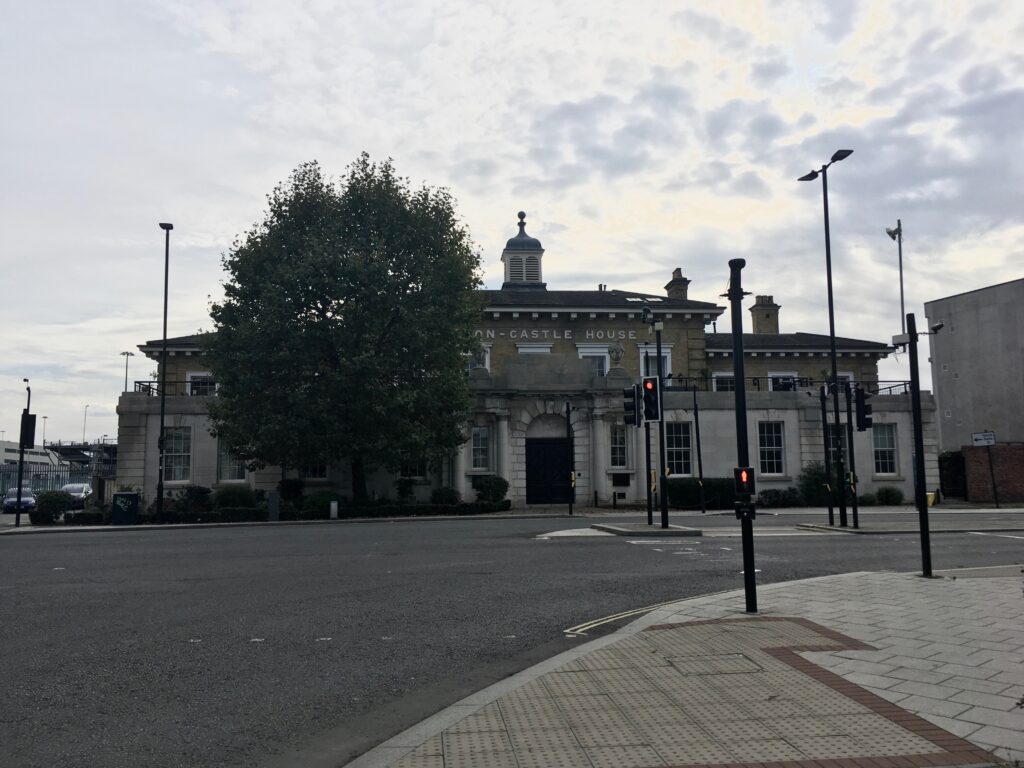
Right at the end of Terminus Terrace, opposite South Western House and Queen’s Park is Union Castle House. The grand old building was built in 1846 by Alfred Giles and was first used as a customs house, replacing the one that stood on Town Quay. The original building was yellow brick but the Portland Stone frontage was added later, possibly when the building became the offices of the Union Castle Line. Now it has been converted into apartments, like so many of these wonderful old buildings. At least this has saved it from demolition and it is now Grade II listed.
The main entrance to the docks back then was a little way up the road opposite Queen’s Park. Today it is dock gate 4. It was also the dock that Titanic sailed from and I have written about it before here. Back in the 1920’s the customs offices stood on one side of the gate and the docks post office on the other. Today the customs offices are long gone but the beautiful old docks post office remains, although it too is now apartments. Unfortunately, the building was swathed in scaffolding that day so getting a closer look was out of the question. Luckily, an old F.G.O. Stuart postcard gives a good view of both buildings.
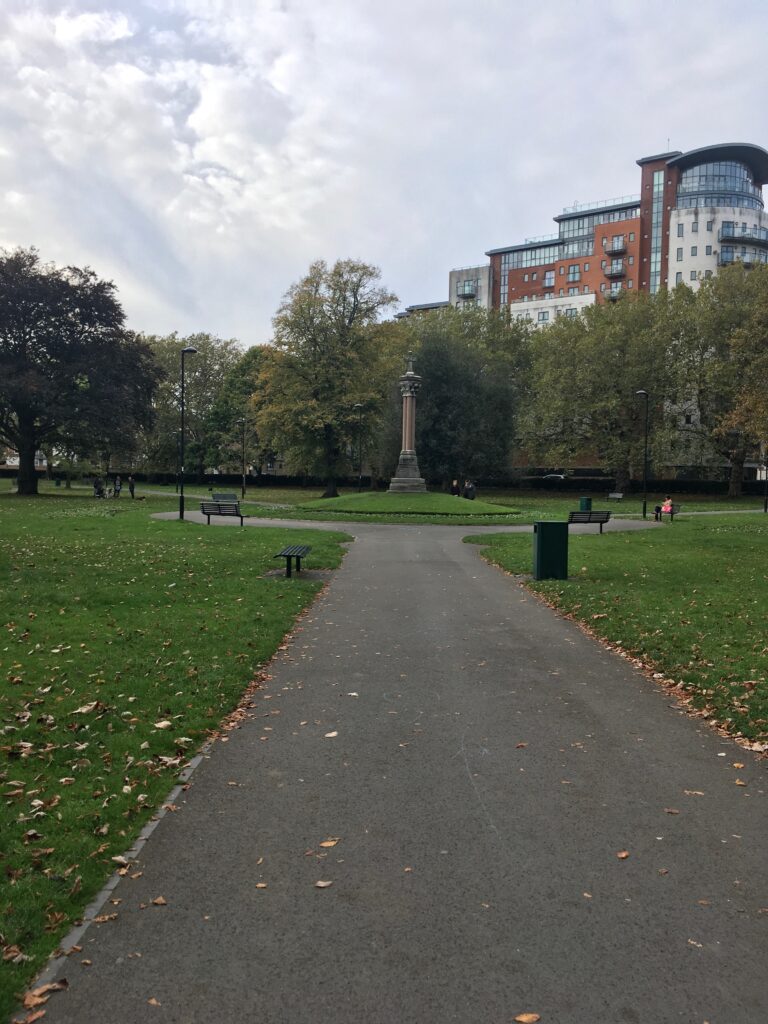
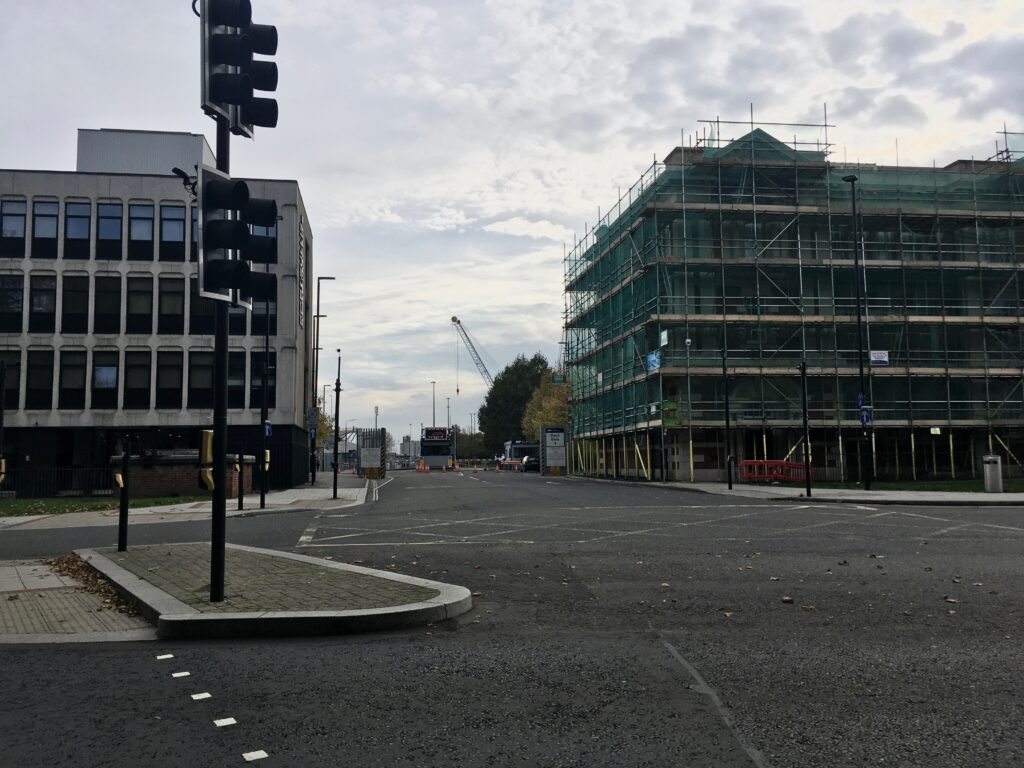
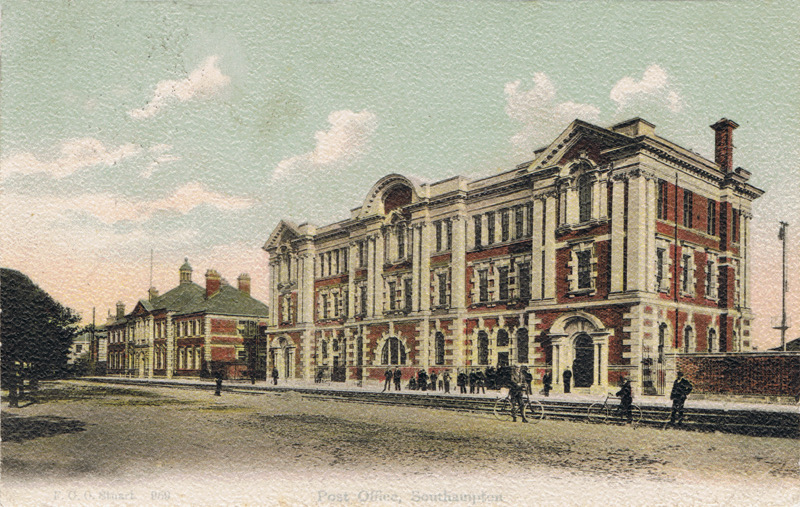
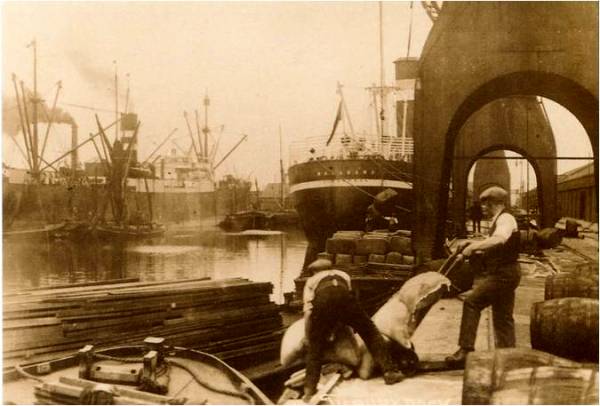
So, my little wander back in time had more or less come to an end. If I screwed up my eyes I could imagine the dock gate as it had been back in 1926. I could see the old cars, the horse drawn carts and the dockers in their shabby suits with flat caps and collarless shirts. If I tried really hard I could almost see the big ships with their funnels belching acrid, coal laden smoke. The cranes I didn’t have to imagine. There was one right in front of me. Some things never change I guess.
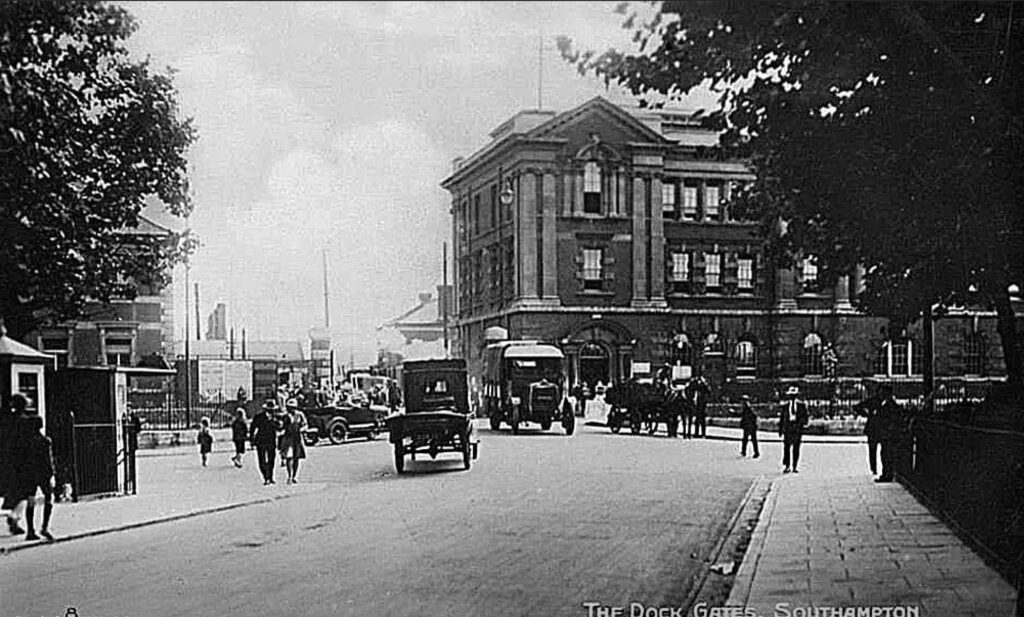
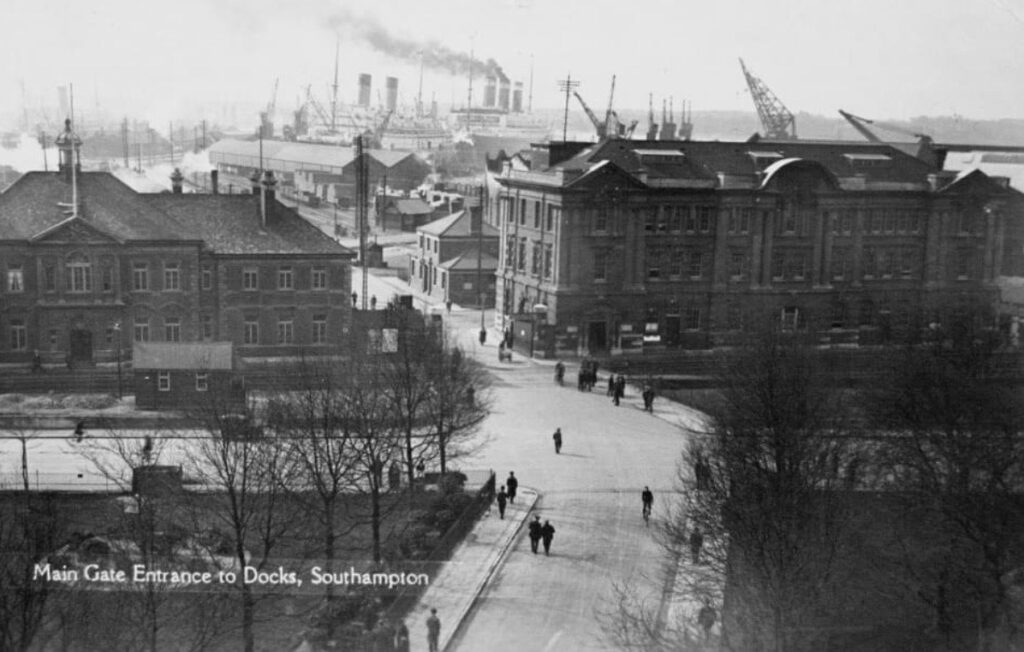
Writing about history requires a lot of imagination. Thankfully, the internet is full of very helpful photographs, not to mention a wealth of information. Sometimes though, there is no substitute for a nice long walk and some half closed eyes.
If you like what I write and would like to help me keep doing it, you can now buy me a virtual coffee by clicking on the little orange coffee cup at the bottom right. If you’re interested in my historic novels, Plagued is available now on Amazon.
When I worked in Duke’s Keep, Terminus Terrace was where we went when the fire alarm went off. I never really thought about the arches, as they didn’t seem to have enough height to be useful to anyone.
I was working in Duke’s Keep too. What a small world. I often used to sit on the benches on a nice day and eat my lunch. Sometimes the doors would be open and I’d catch a glimpse inside. They always intrigued me.
I was only there part time in the 2010s. I was based in Watford, but I was allowed to work remotely in another office a couple of days a week. It was nice not to have to fight my way round the M25 every night.
I was there 2012/13. Wonderful job but the office closed and we were all made redundant. it still breaks my heart when I walk past that building now. We were on the top floor, penthouse suite. The best views across the city and porthole windows on the mezzanine floor where my boss had her office. Such a beautiful building inside, like a cruise ship.
I think we were on the 8th floor. We had lovely views as well. I remember watching some of the huge liners come in from there. These days, of course, they’re even larger.
I used to love the sunsets. I worked odd hours because of turnaround days and because my boss was only in the office a couple of times a month, so I was given free reign as long as I got the work done. I loved the early mornings and late nights, watching the sky out of the window. We also watched with interest as the old East Street Centre was demolished. We thought we’d be there to watch the new buildings go up but, sadly, we weren’t.
What a super post. I get my hair cut at the hair salon on Queen’s Terrace so your later pictures are very familiar. South Western House is one of my favourite buildings, also the two opposite, Union Castle House and the old P.O. Also, I worked just up the road in Friary House back in 1987/88. I often take photos of this area. As always, I love the peek into earlier times and the mood you create.
Thank you. It’s an interesting area. I used to work in Duke’s Keep. Oddly, my first job after college was for British Rail, in the Data Input Centre. They moved from South Western House to Overline House just before I started but they were always saying what a great building it was.