
May 2021 was mostly spent aimlessly wandering around local streets, and even my next big adventure, on 26 May, didn’t take me very far from home. In fact, it took me to Shamrock Quay, the scene of many happy post football match drinks. Once upon a time I could usually be found outside the Old Waterfront on a Saturday afternoon, with a burger in one hand and a drink in the other, chatting to Bernie and Kath who ran the place in those days. This particular adventure was prompted by a need to research something I was writing. I was particularly interested in the wharves and boat building yards around William Street.
Walking through Northam, it was hard to believe that this had once all been farmland. Of course, that was centuries ago, before John Winter purchased the manor and built a shipyard to land goods from the Itchen Navigation. Then the bridge was built in 1796 and the area quickly became industrialised with the gas works and housing for dockers and seamen. Then the Northam Iron Works and the Summers and Day shipyard arrived in the 1830’s. They launched their first iron ship in 1840, and not long after, John Rubie opened another shipyard a little way downstream. The railway brought even more industry and, by the early 1900’s the area was crowded with boatyards, wharves and other industries, including two yacht building yards along William Street, Camper and Nicholson and Thorneycroft.
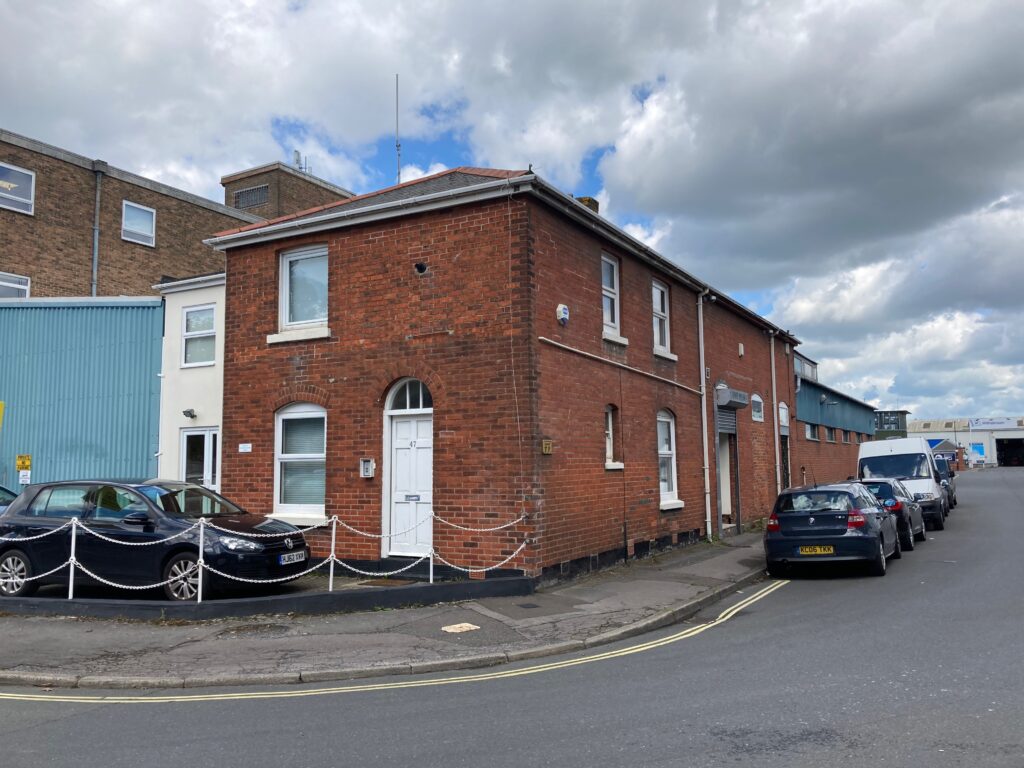
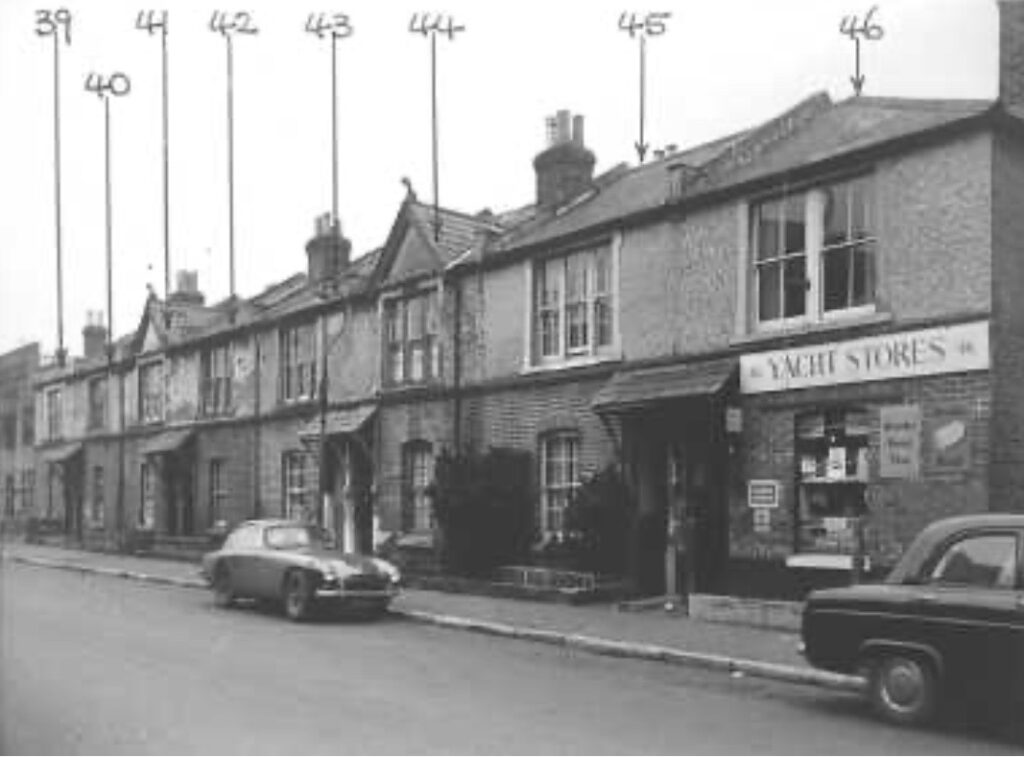
The day had turned out far warmer than I’d expected, so by the time I got to William Street I was already rather overheated. I stopped for a moment to look at the the few original houses still standing on William Street and to try to imagine what it must have been like back in the 1920’s and 30’s. There are very few photos available of William Street as it was, but the houses were mostly terraced, many with doors opening straight onto the street and they tended to flood during high tides. It was never the nicest place to live by all accounts. Back then, the houses would have looked right out over the water and the boatyards too.
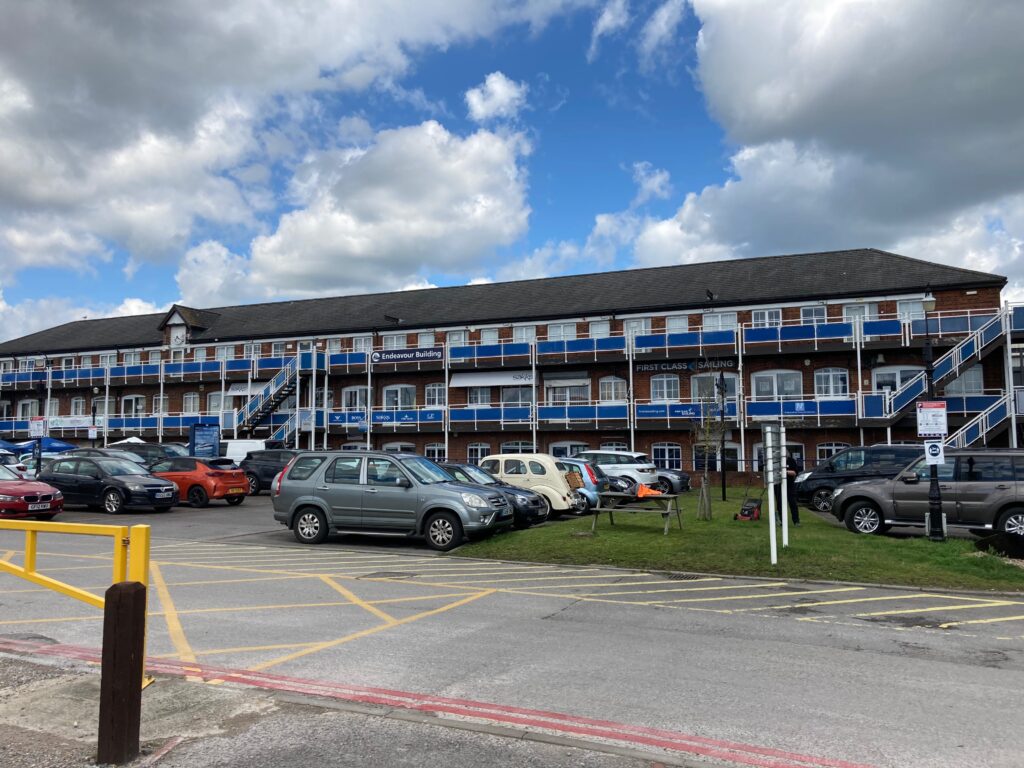
These days the mishmash of old boatyards and businesses have become a marina. The name Shamrock Quay is a nod to the J-class yacht, Shamrock V, the first yacht to be built to the J-class rule and the only wooden J Class classic sailing yacht ever built by Camper & Nicholson. The modern marina has 225 berths and is a major centre for boat building and refit. There is little left to show what it would have been like in the 20’s and 30’s, although a few of the old brick buildings may well have been around at that time.



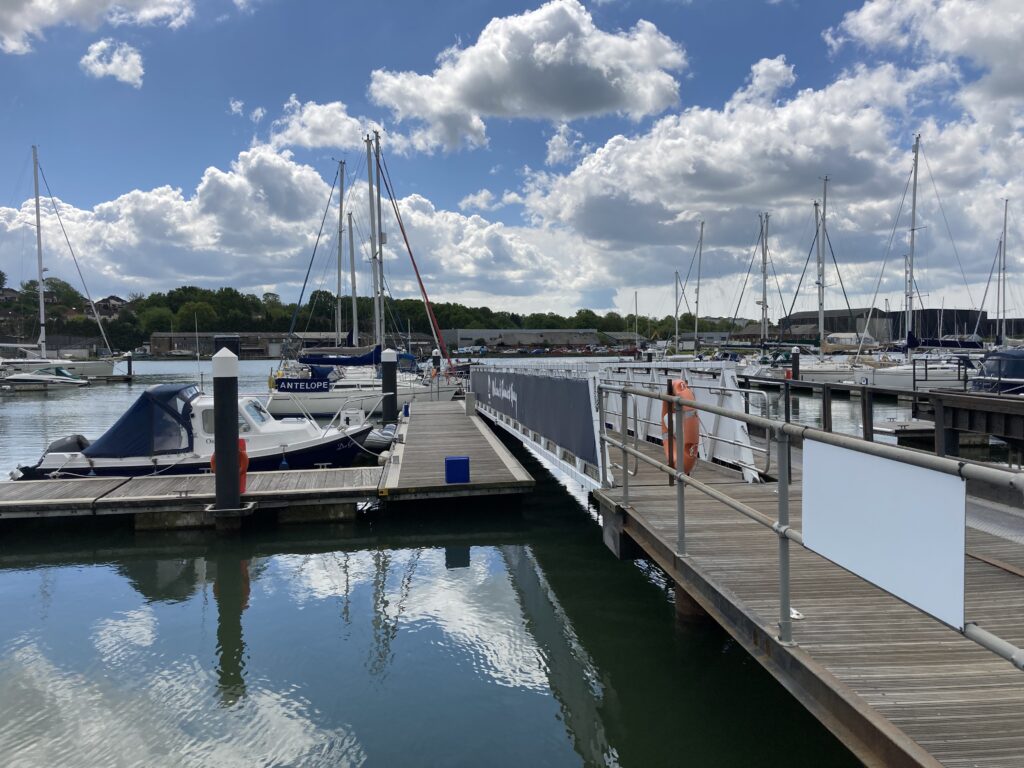
My real interest was the water, particularly the views across the Itchen towards Peartree. It was certainly a wonderful day for looking out across the river. The blue sky and fluffy clouds were reflected in the water like an impressionist painting and the place was full of little yachts. A hint of breeze cooled my warm cheeks. If only the pub had been open I might have been tempted to go in for a cup of coffee.

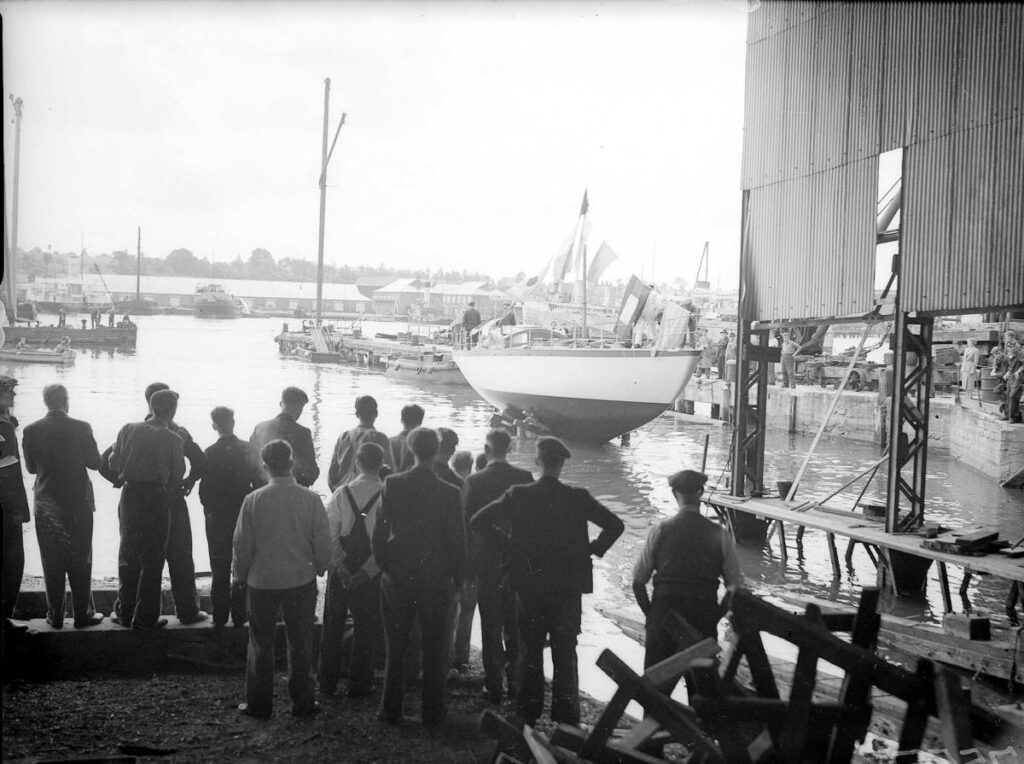
Of course, in the 20’s and 30’s it would have looked nothing like this. It would have been a far more ramshackle affair, bustling with shipwrights and other workers. There are no photographs, or none that I’ve been able to find, but I imagine the yacht building yards being big wooden sheds, piles of timber and a mass of half built boats. Many of the houses visible between the trees on the hill across the river wouldn’t have been there either; Gainsford and Bryanston Roads were built in the late 1930’s, but the boatyards in Hazel Road, including Supermarine were operational back then.
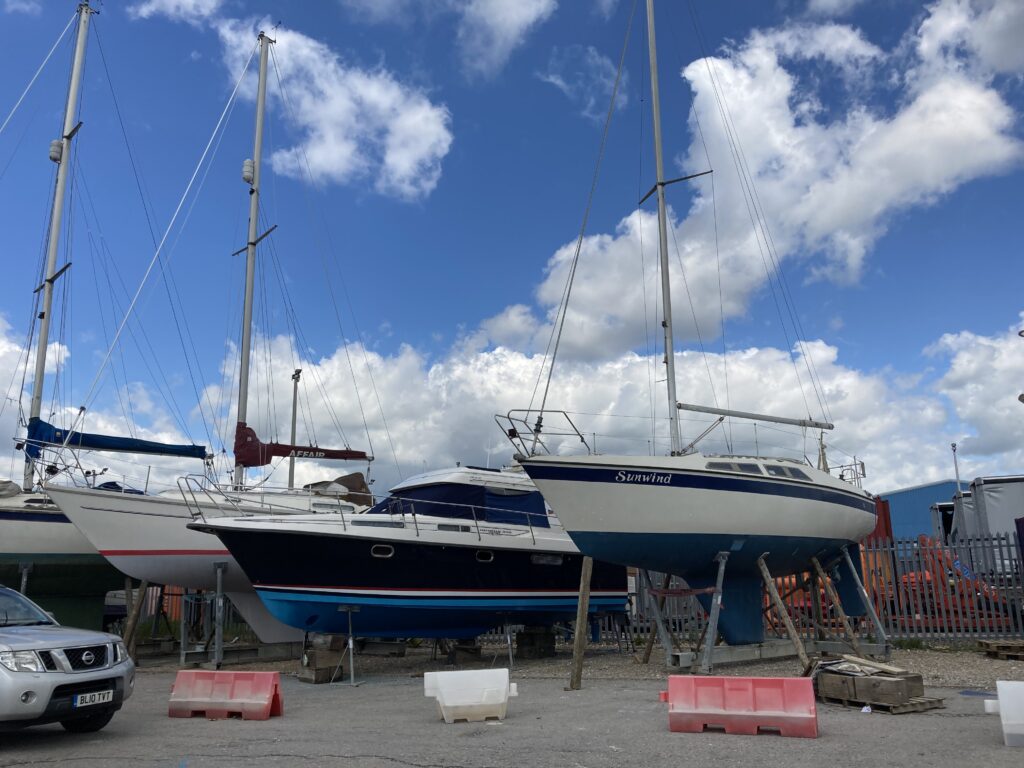
There were no half built boats on the quayside that day, but there were several yachts propped up on cradles and lifts. The shapes of the yachts may not have changed much over the years but the materials they are built from certainly has. These modern yachts are almost certainly fibreglass whereas, in the time I was researching, the yachts would have been made from wood, which would explain all the timber yards on the banks of the Itchen at Northam. Whether the former is better than the latter I couldn’t say, but I think I like the idea of wooden ships better myself.


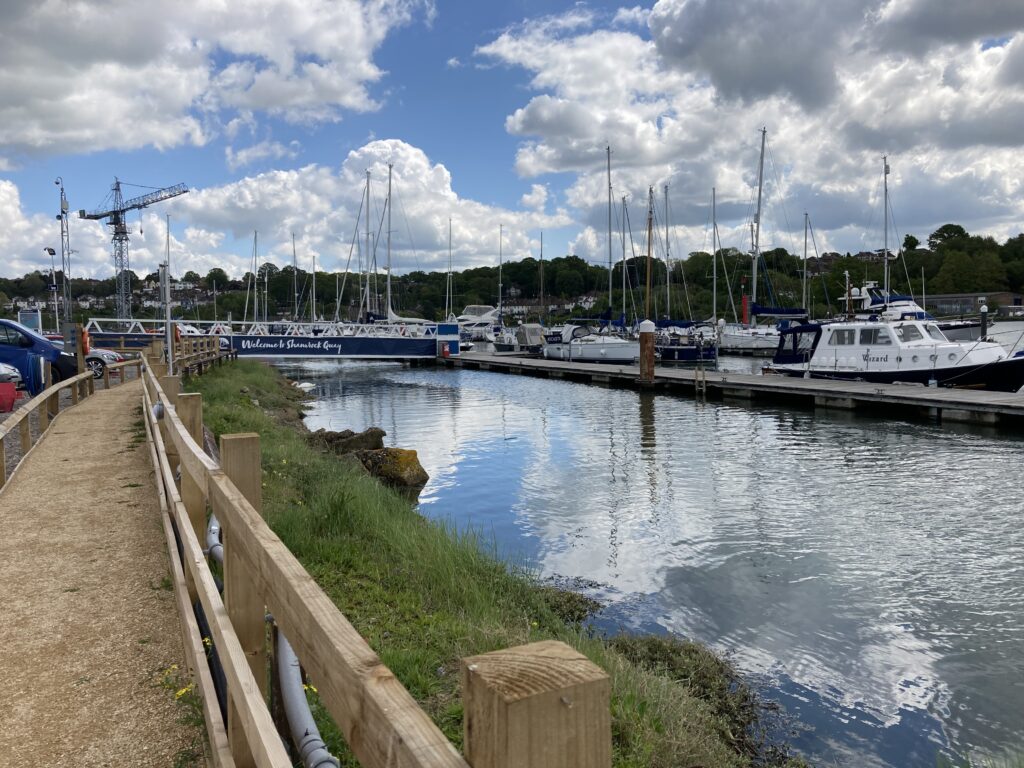
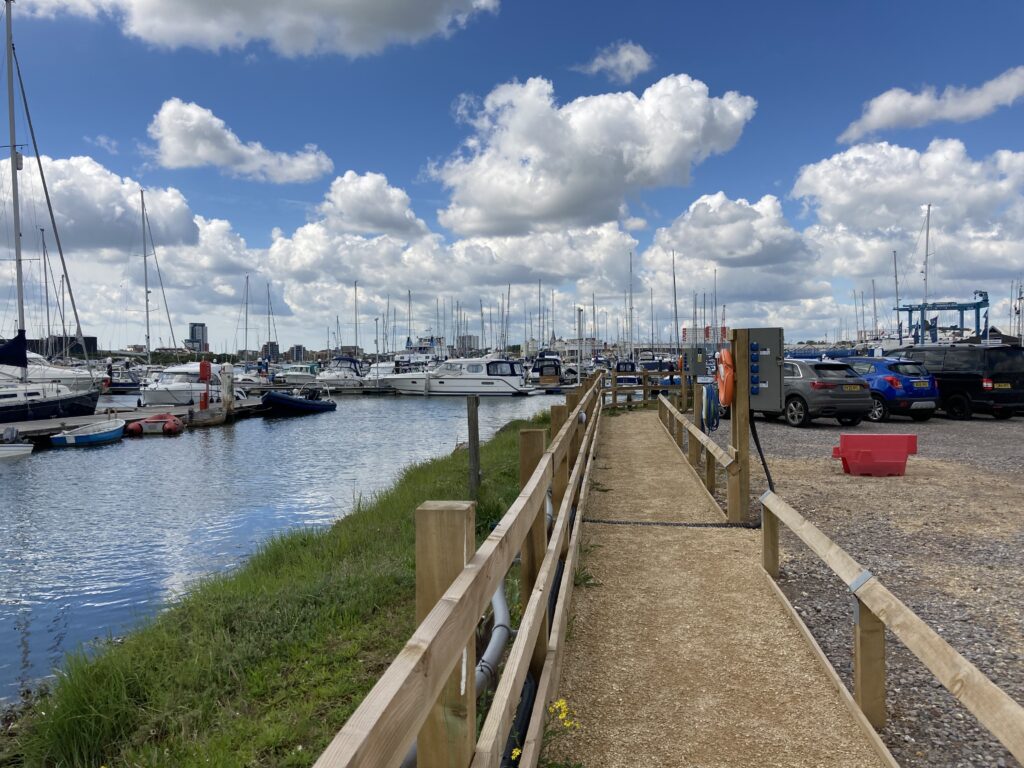
Enjoying the breeze from the river, I wandered slowly along the quayside looking at the boats and the buildings across the river, trying to get my bearings and understand what I was seeing. Very little of what I saw would ever make it into the manuscript I was working on but the smell and the feel of the place was what I was after, along with those tree lined banks. I could imagine my characters looking out at those same views and working on the same slipways.


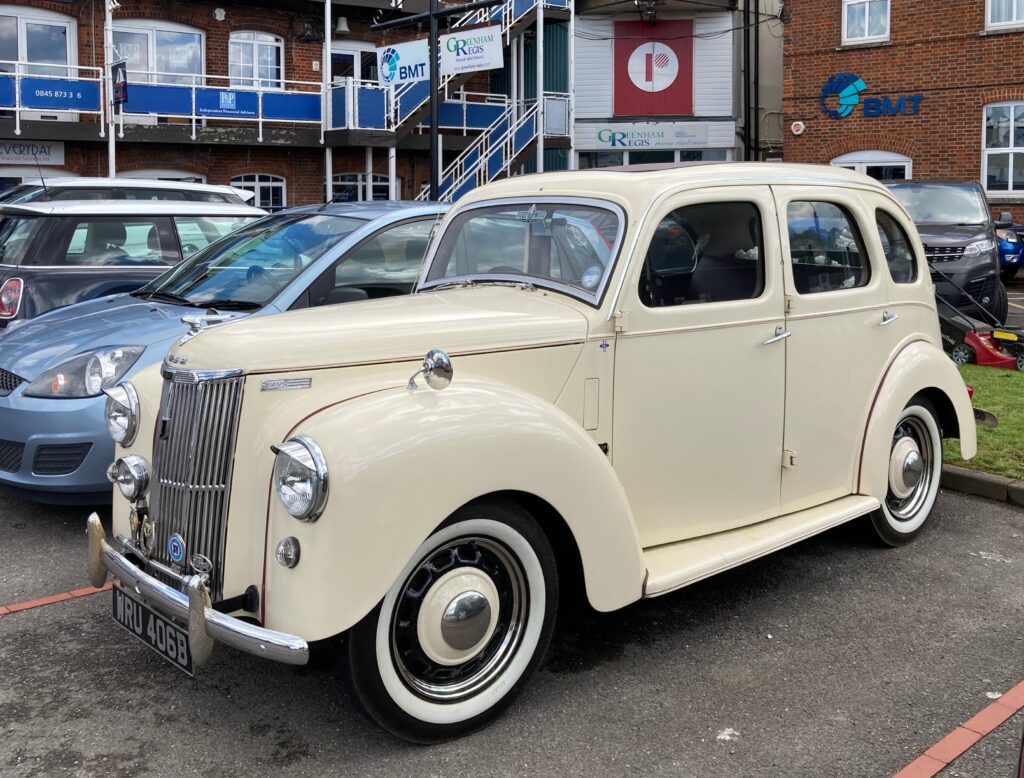
As I’d reluctantly passed the closed pub earlier I’d noticed a vintage car parked in the car park. Before I left the quayside and returned to William Street, I decided to take a closer look at it. It turned out to be a Ford Prefect, not quite as vintage as I’d thought at first, and not really in keeping with the era I was thinking of. Even so, it put a smile on my face, especially as it made me think of Hitchikers Guide to the Galaxy.


Now it was time to retrace my steps, go back through the gate and head back to the road. There is very little left on William Street that would have been there in the time I was researching. The terraced houses have mostly been replaced by warehouses and business premises now and the area has a very industrial feel rather than residential.

There was one building still standing from the beginning of the last century though. On the corner of William Street and Millbank Street the old pub is still in business. These days it’s called Browns but, when it opened in the 1860’s it was called the Coopers Arms. In fact it was called the Coopers Arms until relatively recently. Back in the early part of the twentieth century, this whole area regularly flooded at high tide and it was said that locals would row boats in the street. I even managed to find a photograph of this happening right outside the Coopers Arms.


The area may have changed a great deal in the last hundred years, but some things remain the same. Not so many years ago, my walk to work used to take me along Milbank Street and high tides combined with heavy rains still saw the road flooded. Of course, the floods are nowhere as bad in modern times, perhaps because of better drains, or the land reclaimed around the old wharves. I’d loved to have seen men rowing down the street though.