
31 March 2015
Making my my way up towards Holyrood Church and the next stage of the Titanic trail, I couldn’t help thinking about all those passengers. How lucky they must have felt to secure tickets for the maiden voyage of this wonderful ship and how unlucky most turned out to be. For two days Titanic sailed through calm waters and good weather while passengers enjoyed the luxurious facilities, fine dining and entertainment.
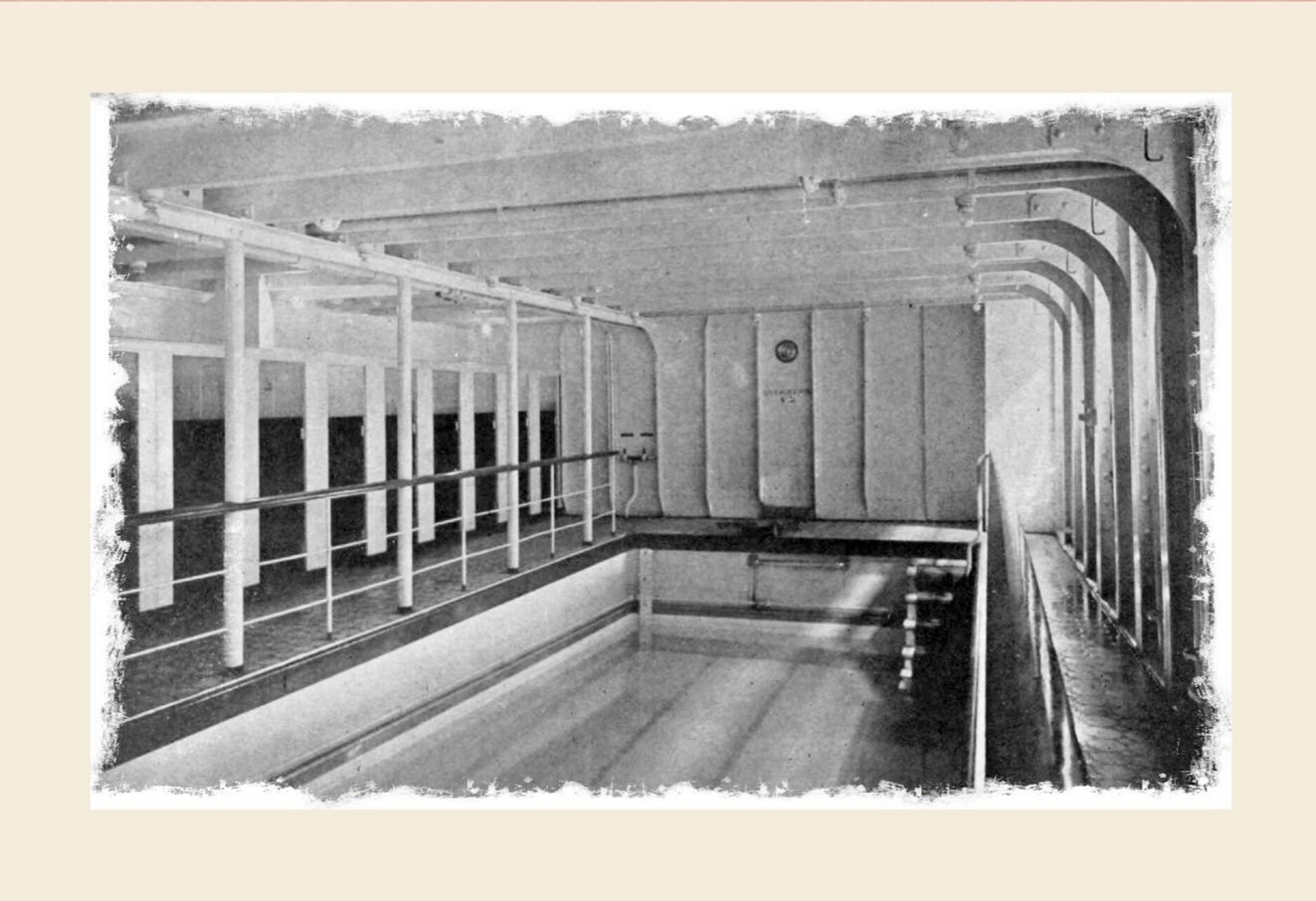
The energetic in first class exercised in the innovative heated swimming pool, the state of or the art gymnasium and had Turkish baths. Others strolled the promenade deck, slept on loungers, listened to the ship’s orchestra in the public rooms or composed letters and telegrams in the quiet of the reading room. Second class passengers played deck games, like quoits or shuffleboard, or sat inside enjoying chess or backgammon. For the steerage passengers these amenities were out of bounds and they made their own entertainment, playing music and dancing into the night. The Poop Deck was a favourite place for third class passengers to meet, with spectacular views of the ship’s wake spreading across the blue green waves.


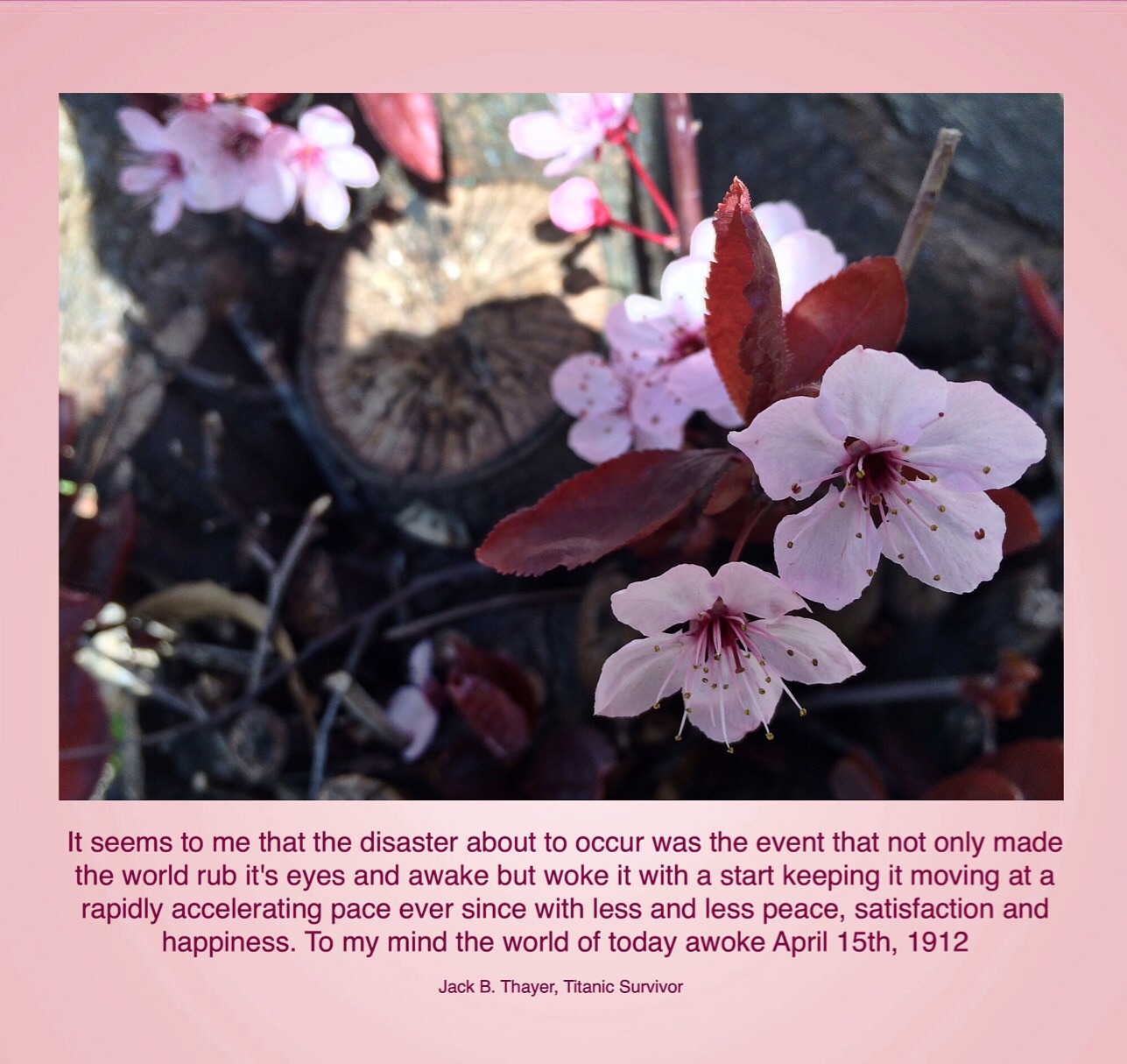
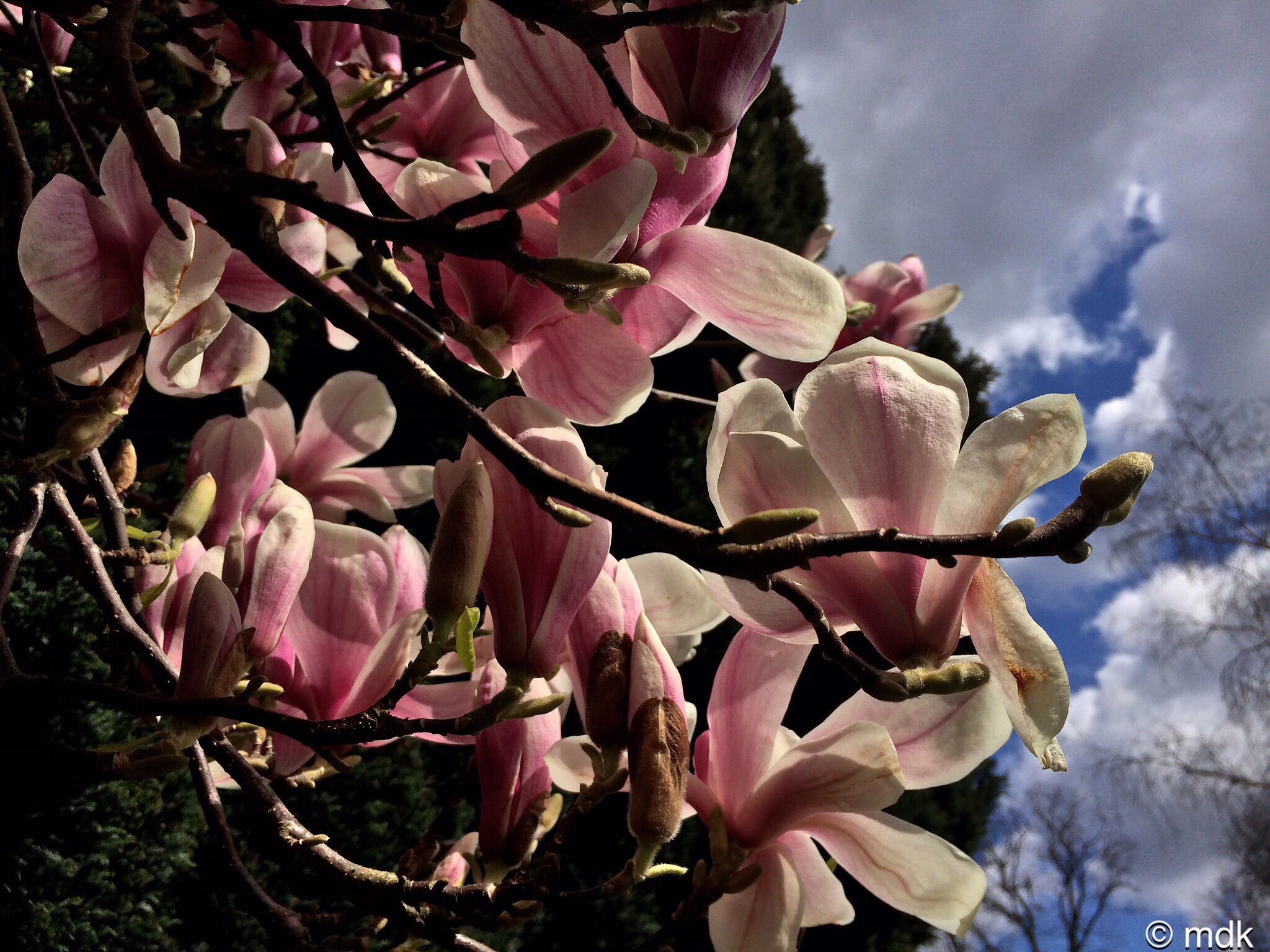
In the ruins of Holyrood church the tree was smothered with blossom and I stopped to take a photo of the delicate pink flowers. All the way from the shore I’d been looking forward to the bombed out church dedicated to the men of the merchant navy, and a little peace and reflection in the bustle of the city. It wasn’t to be though. When I came round the corner, the gate was locked. This threw me a little because I’ve never seen it closed before and I had to content myself with photos snatched through the bars.
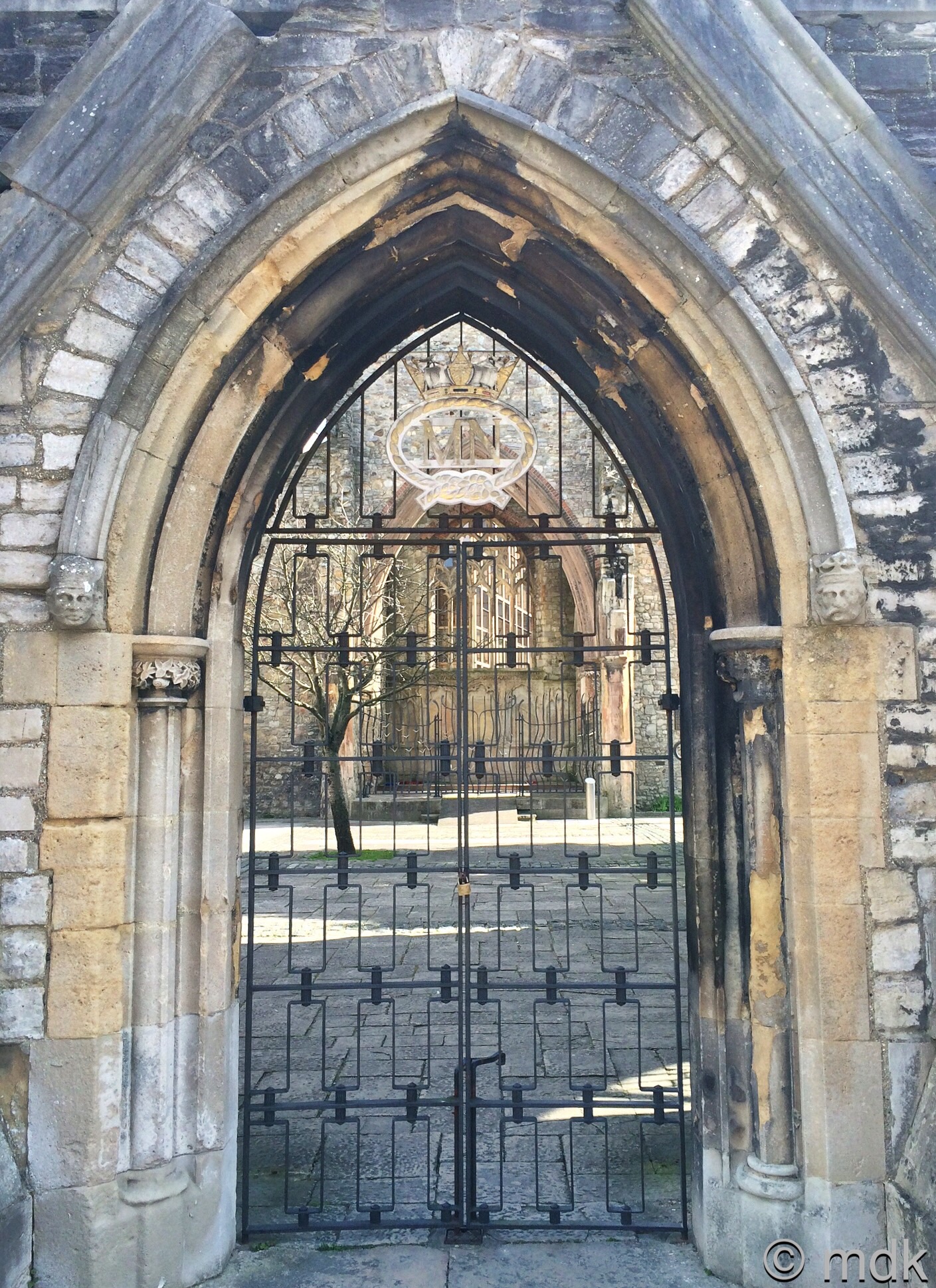
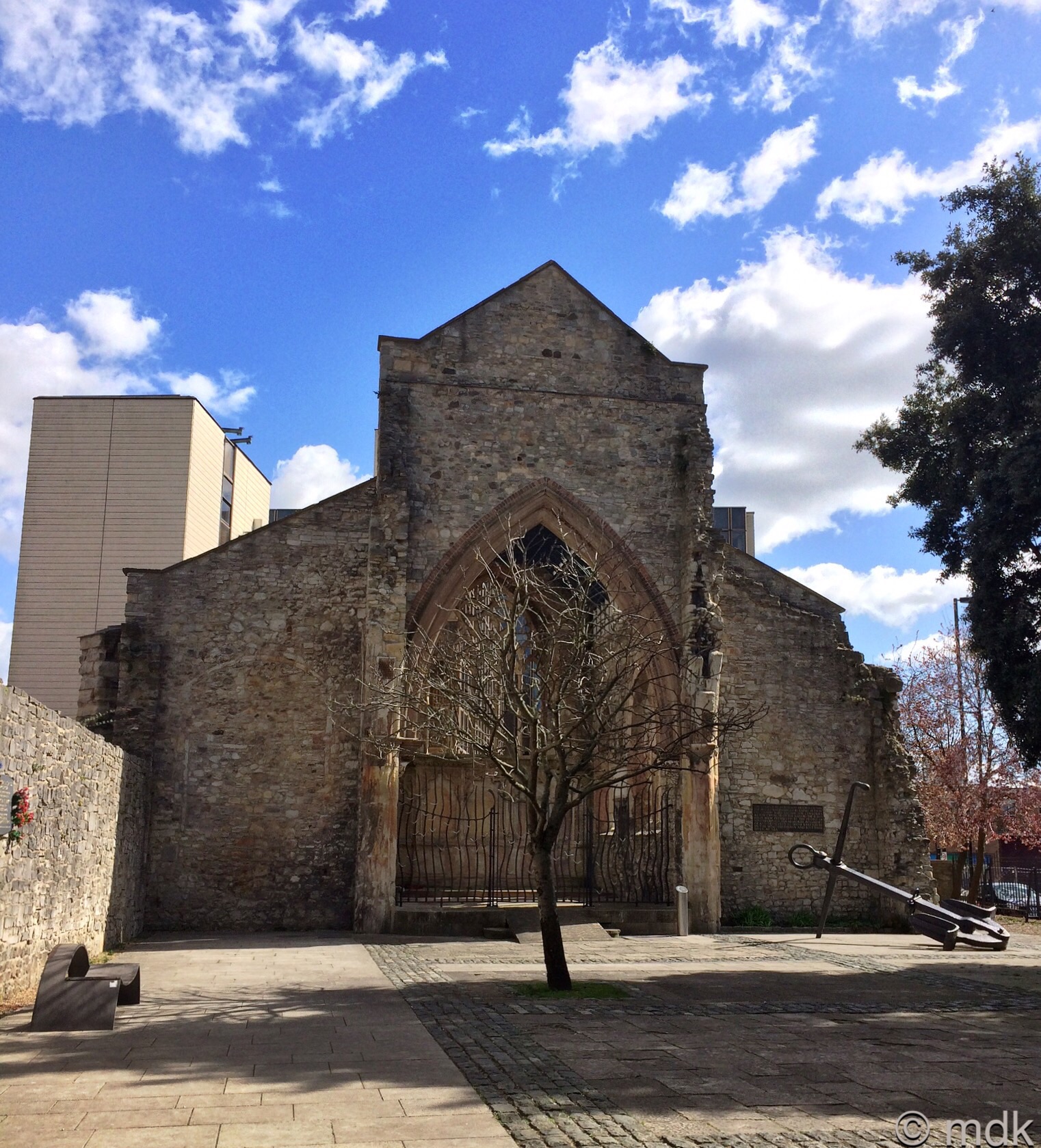
What I really wanted was a photo of the Titanic memorial fountain which was built just after the disaster and originally stood in Cemetery Road on Southampton Common. This church seems a more fitting place to remember those who lost their lives. Through the wrought iron of an arch I did snatch a shot but, sadly, not of the carvings of the ship. Feeling rather disappointed I carried on up the High Street towards Costa. Walking against the strong gusts of wind was tiring and I needed a coffee and a rest.
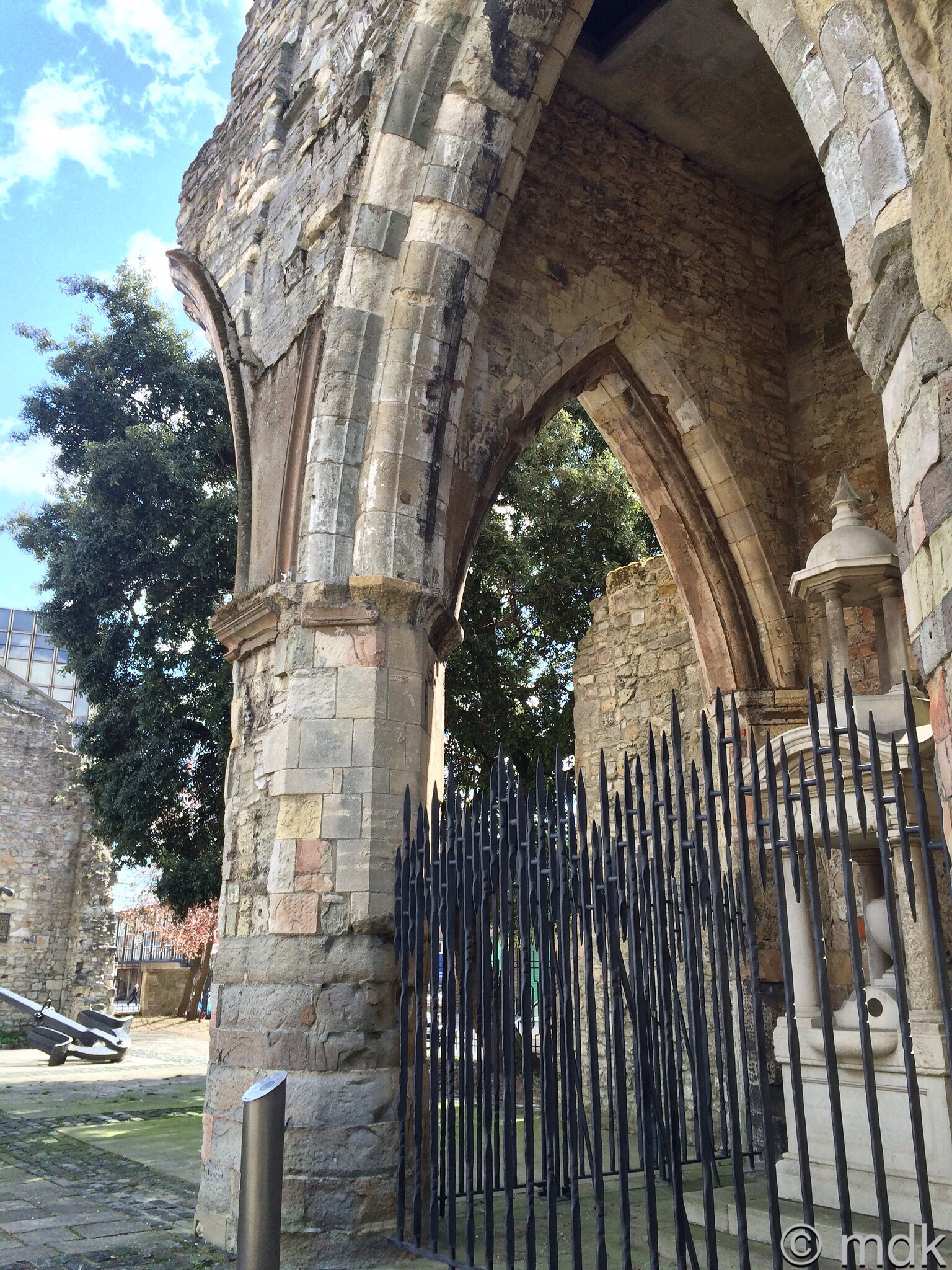

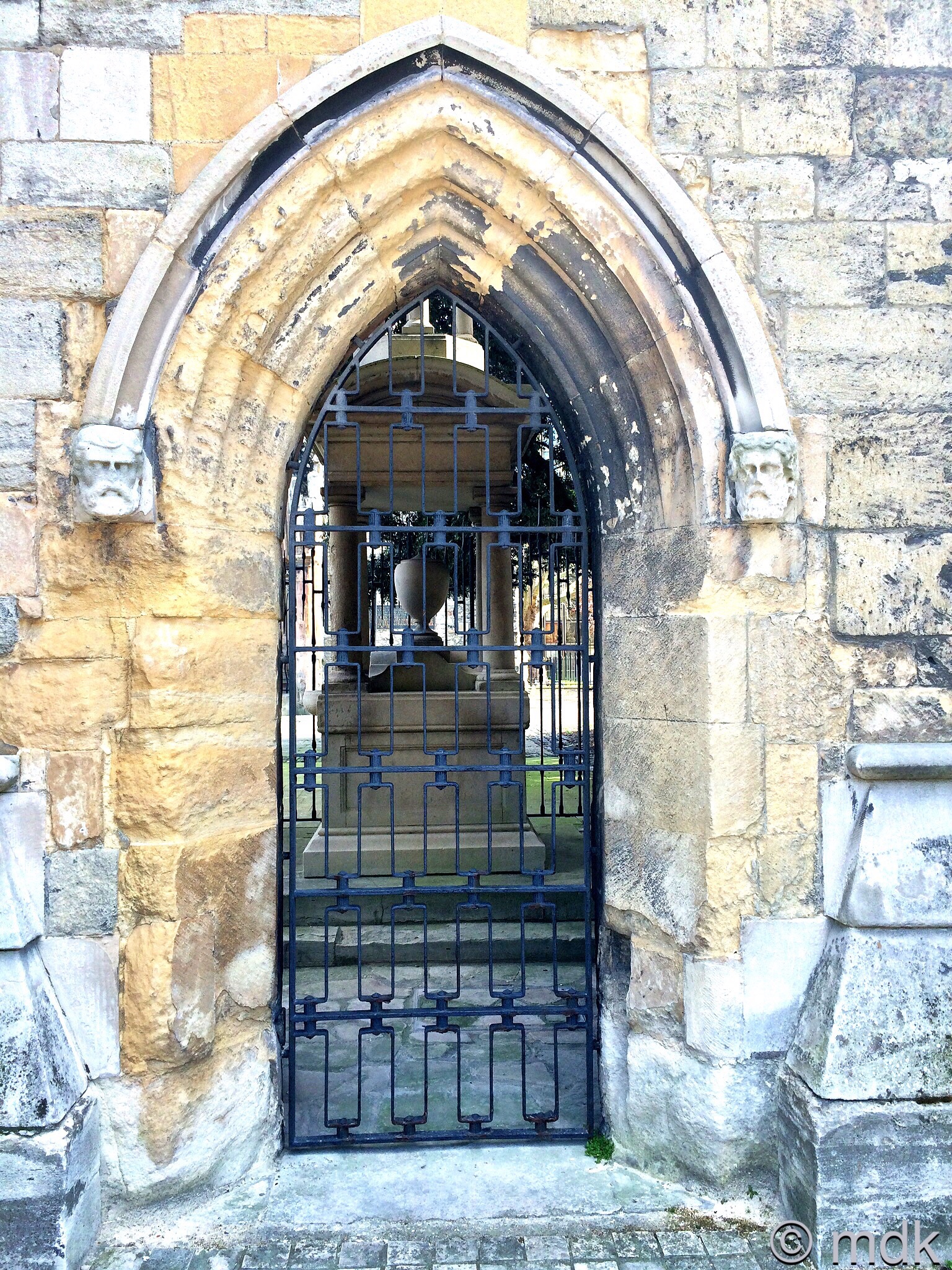
For the Titanic crew there was no chance to rest. On Sunday 14 April, while the passengers attended church services, Harold Bride and Jack Phillips were busy in the wireless room sending a backlog of telegrams that had built up after the wireless broke down the night before. They had worked all nIght to fix the machine and, tired as they were, they had to get the passenger’s messages sent. In the early afternoon they began to receive more of the ice warnings they’d been getting since Friday from other ships in the area. Perhaps, if the wireless had not broken and they’d received more warnings, or they hadn’t truly believed the ship was unsinkable, they might have taken them more seriously.
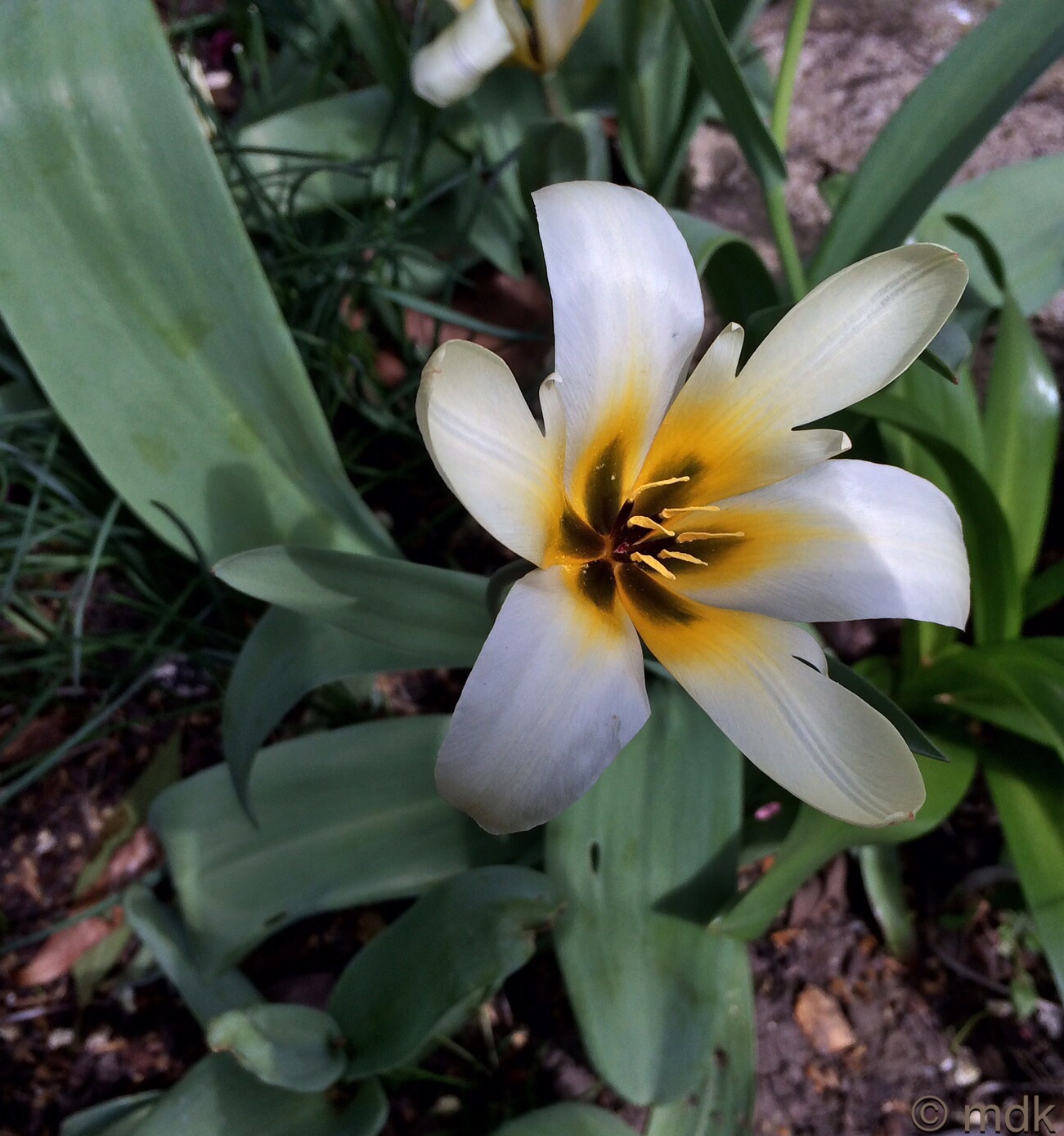

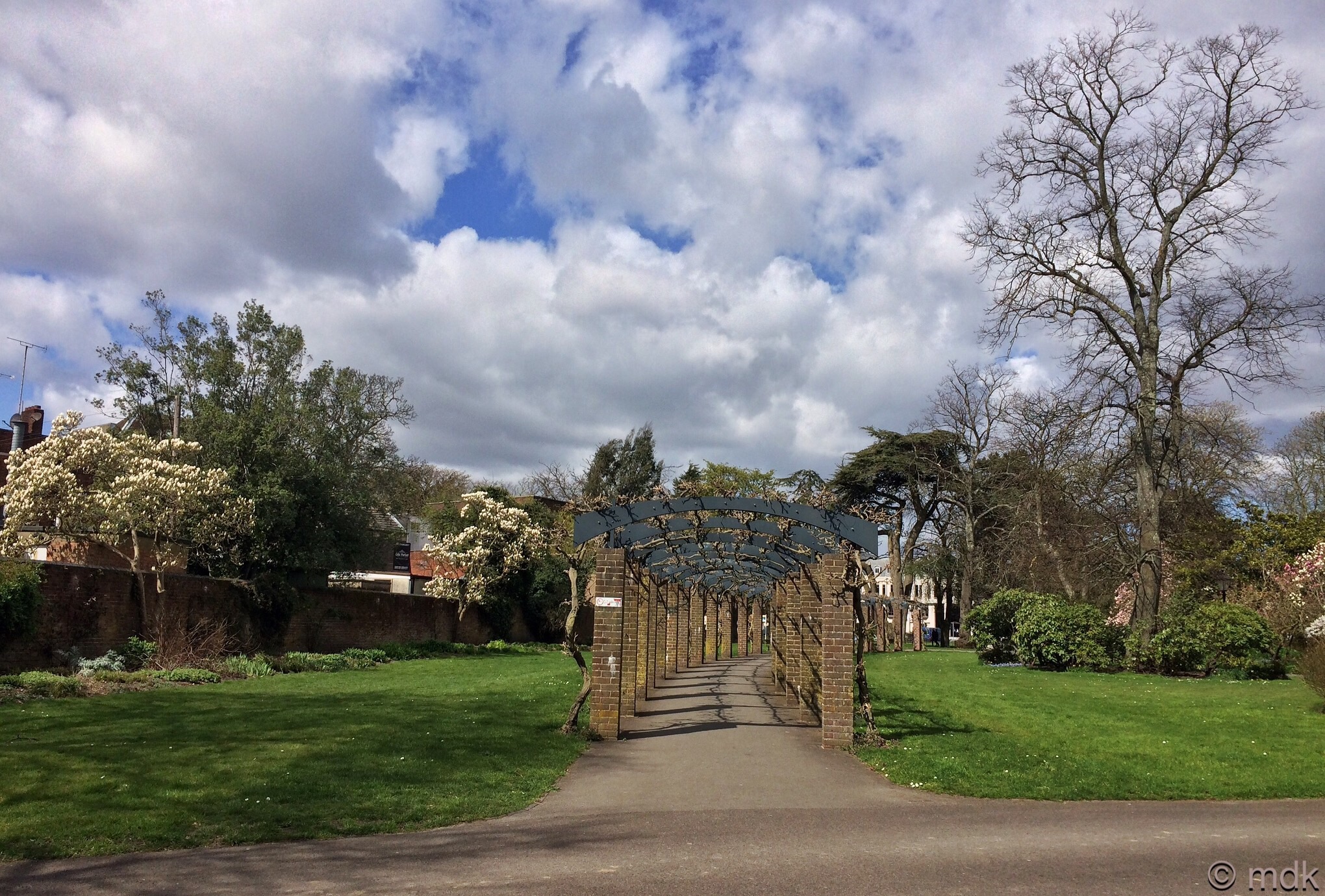
Fortified by caffeine I strolled up through the parks towards my next memorial. Despite the wind, it was a beautiful day and I couldn’t help hoping that some of those doomed passengers and crew had taken the time to walk through these very parks before they set sail. If they did, perhaps the memories of the trees heavy with blooms and the little flowers scattered beneath them might have given them some comfort in that icy sea.
The Titanic Engineers’ Memorial on the edge of Andrews Park is a thing of beauty, a curved granite seat and pedestal with a towering depiction of Nike, the Greek Winged Goddess of Victory, created by Romeo Rathmann, wings and arms outstretched on the prow of a ship. Beside her, marvellously detailed bronze carvings of Titanic’s engineer officers leave no doubt as to who this memorial honours.
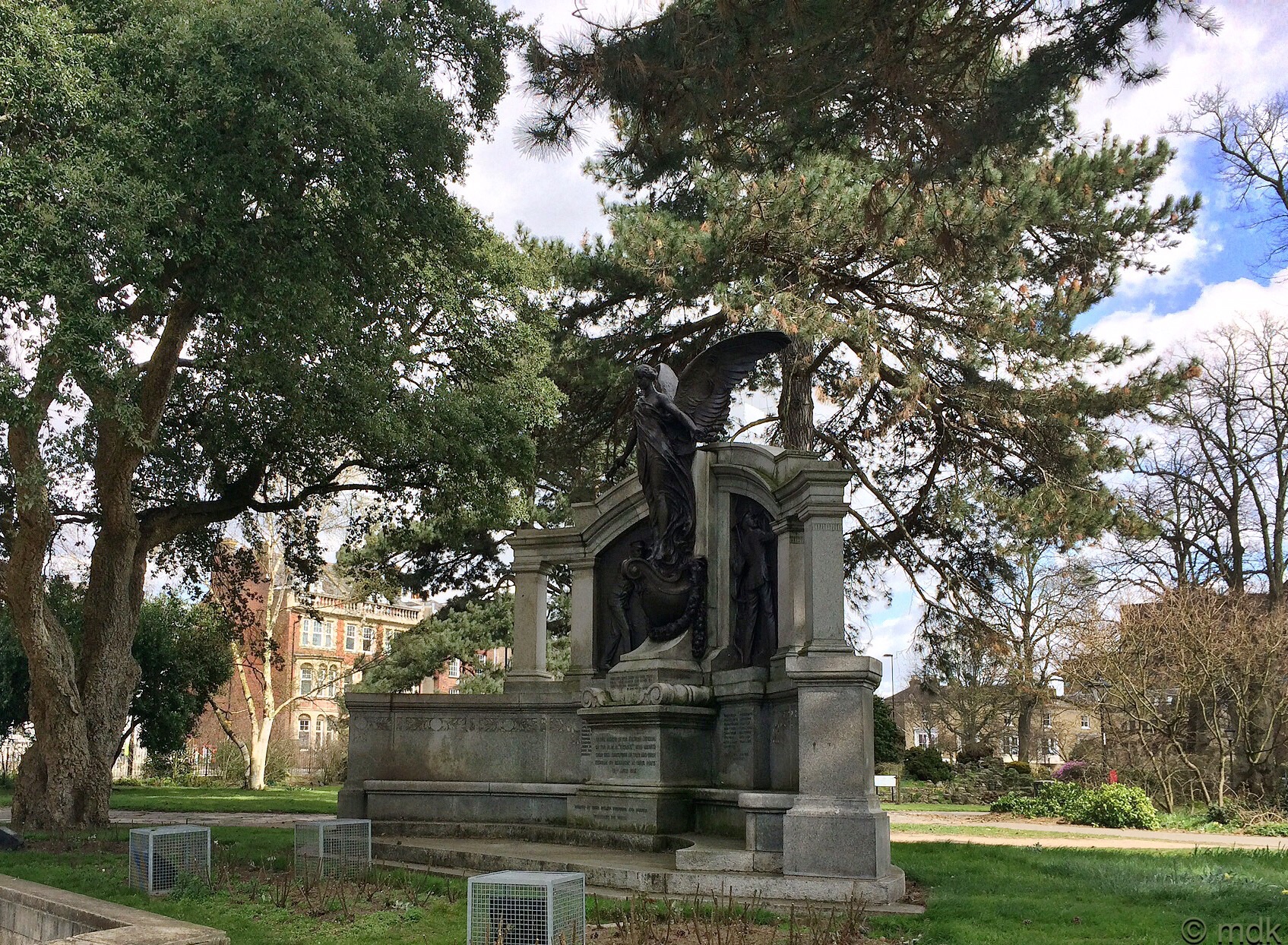
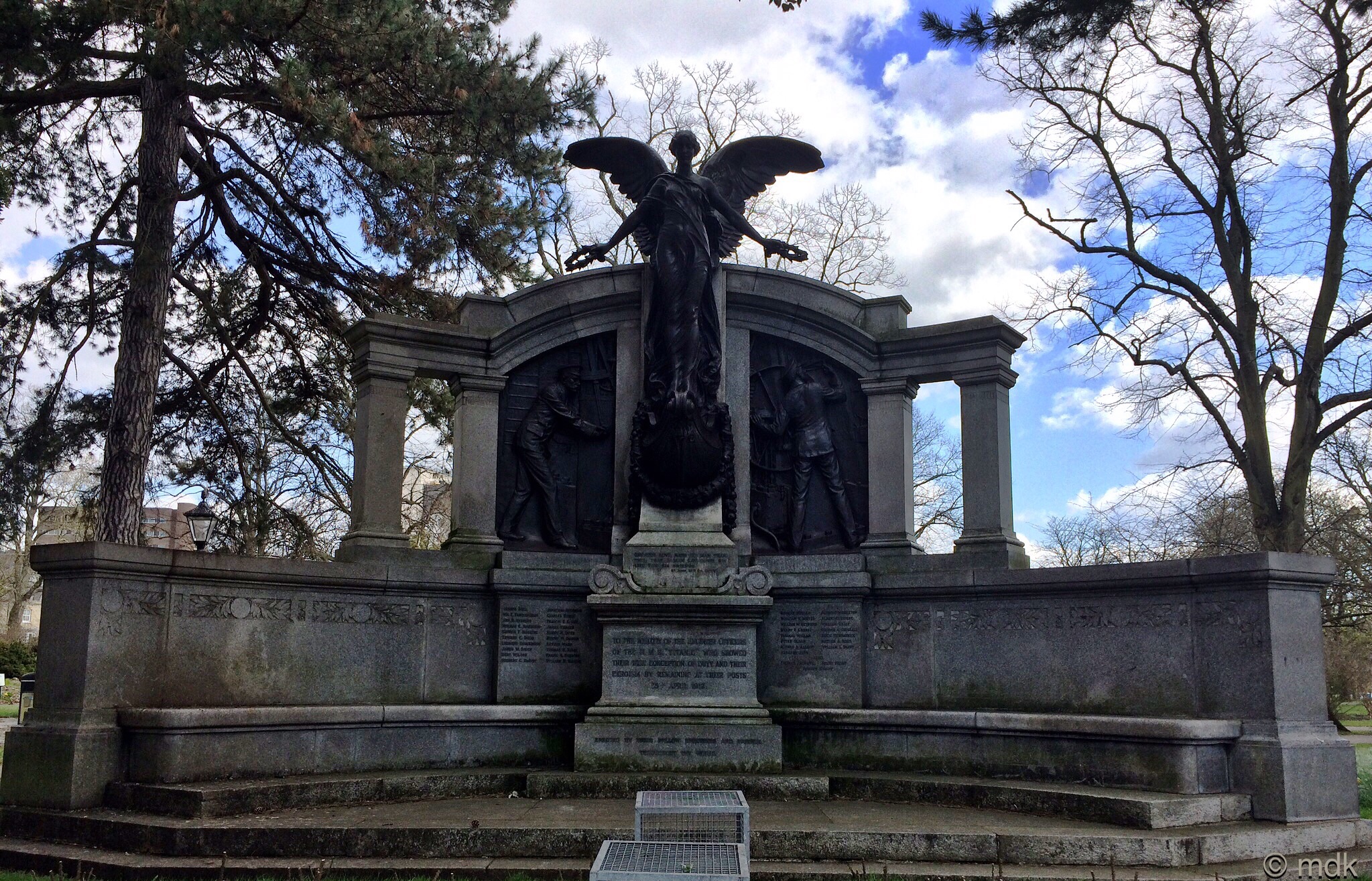
The memorial was unveiled by Sir Archibald Denny, president of the Institute of Marine Engineers on 22 April 1914. The feeling of Southampton’s residents was clear when more than a hundred thousand people turned out to watch the union flag removed to reveal this tribute to brave men who worked to make the ship sail, full steam ahead, to her destiny.
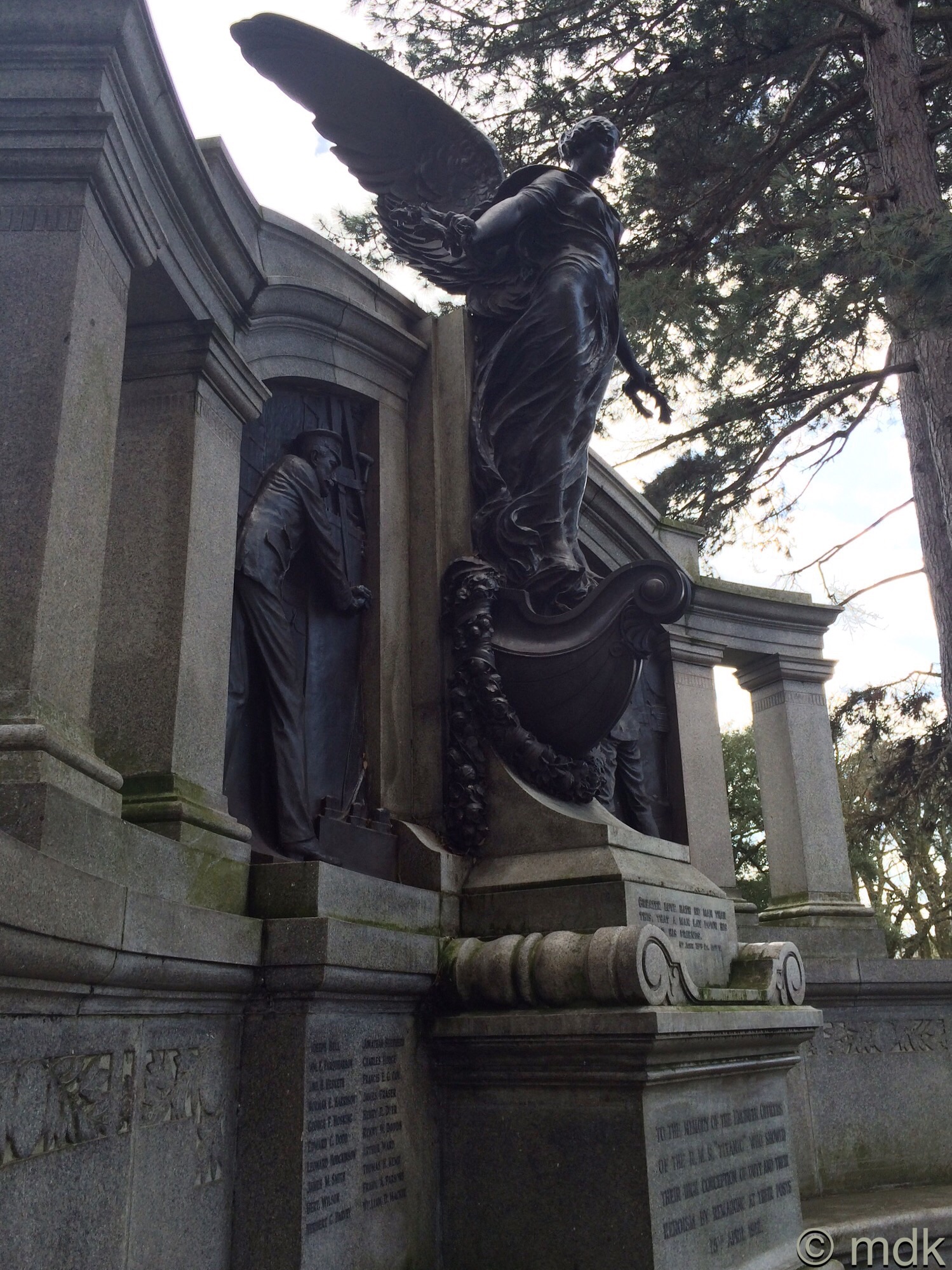
The engineers, working deep in the bowels of the ship were true heroes. On Sunday morning the last two boilers had been lit and, throughout the day, brawny stokers furiously shovelled coal in the searing heat because Ismay wanted to beat Olympic’s record and reach New York a day early. Meanwhile, on deck, the temperature began to drop as the sun slowly sank into the sea. Passengers retired inside and ladies pulled furs about them against the chill. The third class general room was filled with singing and dancing. They were all unaware of the danger ahead.
Captain Smith was beginning to be a little conceremed by all the ice warnings and, after discussion with his officers, erred on the side of caution and took a more southerly route than usual. On the bridge he spoke to Second Officer Lightoller about the increasing cold and the unusually calm, moonless night. Both agreed the conditions would make it hard to spot icebergs and Smith left with a warning to call him at the slightest sign of haziness. Not long after, at about 9.30, an exhausted Jack Phillips took another message about ice. This time large ice bergs had been seen ahead. Still busy sending passenger telegrams, he did not pass this information on. Half an hour later First Officer Murdoch took over watch from Lightoller. Both were unaware of the ice ahead.

In the bitter cold of the crows nest, lookouts Frederick Fleet and Reginald Lee were hampered by a lack of binoculars. Somehow they’d disappeared before the ship left Southampton and no one had thought to fetch the other pair from the bridge. Perhaps they thought longingly of warm beds back at the sailors home in Southampton. By 11.30 a slight had haze appeared on the horizon but neither thought to report this indication of icebergs to the bridge. Ten minutes later, Fleet noticed a dark shape directly ahead and, ringing the crows nest bell, finally telephoned the bridge. It was too late. The ship was moving too fast.
On the bridge there was a frantic turning of the wheel but all they could do was watch as the bow of the huge ship slowly turned to the left and the mountainous iceberg grew larger. They must have all held their breath for those agonising seconds, praying to miss the mass of ice but it slid along the starboard hull and huge chunks of ice fell onto the deck. Those who lived to tell the story would recall the impact as a mild unexpected vibration of no major significance at the time. Some passengers came out onto the deck to see what had happened and picked up the ice that had tumbled from the iceberg. They played snowballs with it and put it in their drinks. No one was the least bit alarmed, after all this was an unsinkable ship. Below decks metal had buckled, rivets below the waterline had popped water was flooding into the watertight compartments. The watertight doors closed, quickly drowning the sailors inside. Four, five, six compartments filled with icy sea water.
By midnight Captain Smith knew the unthinkable would happen. Thomas Andrews, head of the drafting department of Harland and Wolff and in charge of a titanic’s plans, believed the ship could stay afloat for an hour and a half at the most. Pumping out the water would be a Sisyphean task, in an hour the pumps could move about as much water as was pouring in every five minutes, but it might buy a little time. In the engine rooms, Joseph Bell and his staff of thirty three pumped for all they were worth, driven from boiler room to boiler room by the tumultuous stream. They never gave up although they knew it was hopeless. They were buying the passengers time to get to the lifeboats with their own lives. Every one of them perished.

A distress signal was sent, probably by Jack Phillips. The lifeboats were uncovered at 12.05. There was room in them for just half the people on board. Twenty minutes later the first women and children climbed into them. The Carpathia picked up the distress signal and turned to come to the rescue, it was almost four hours away. Another twenty minutes passed and the first lifeboat was launched, less than half full. The first distress flare was fired. Still many passengers did not believe the ship would sink and chose to stay on board rather than risk the icy Atlantic in a small lifeboat. The boat decks were cold, crowded and noisy as the build up of steam in the now lifeless boilers was released to avoid an explosion.
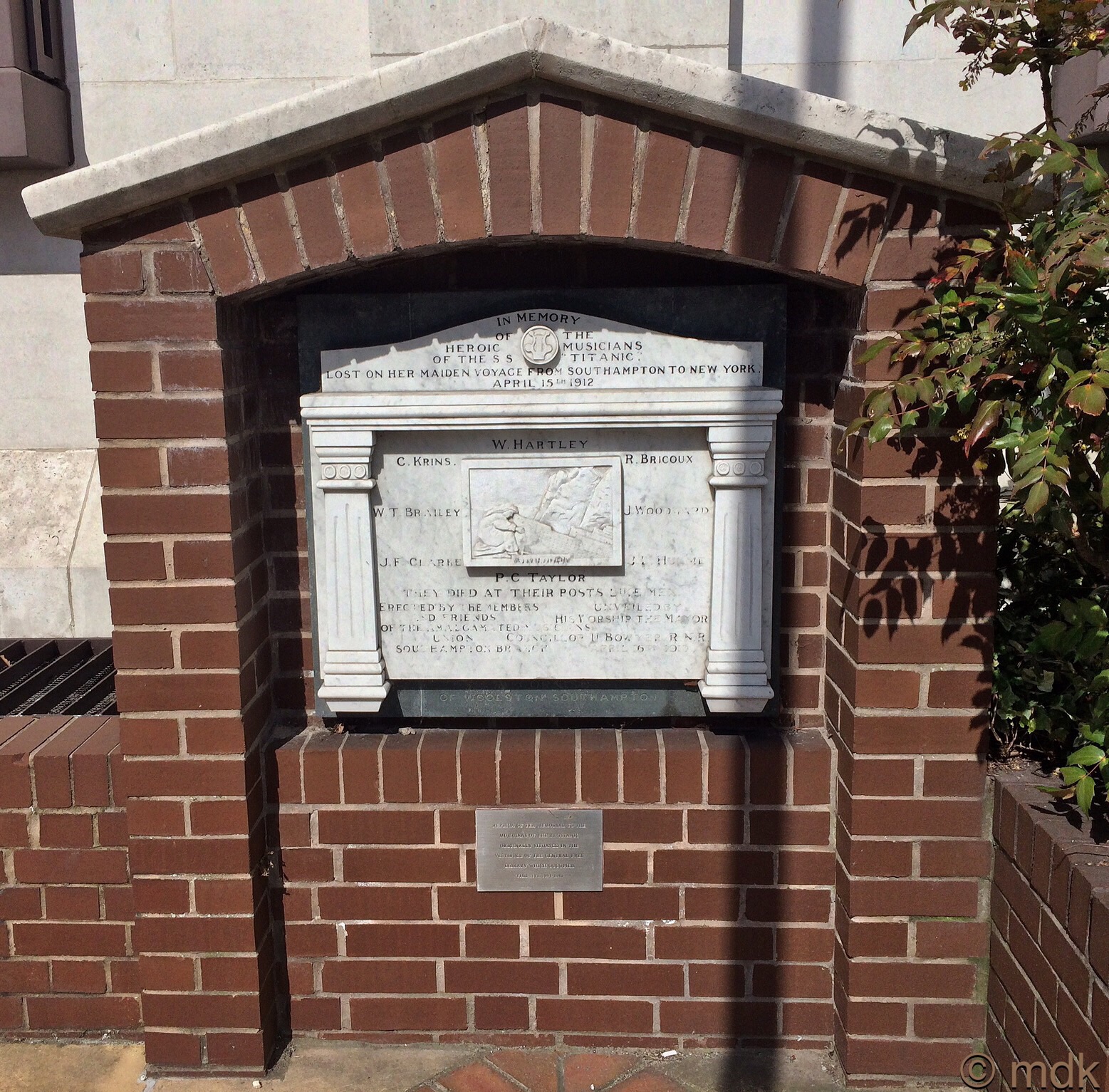
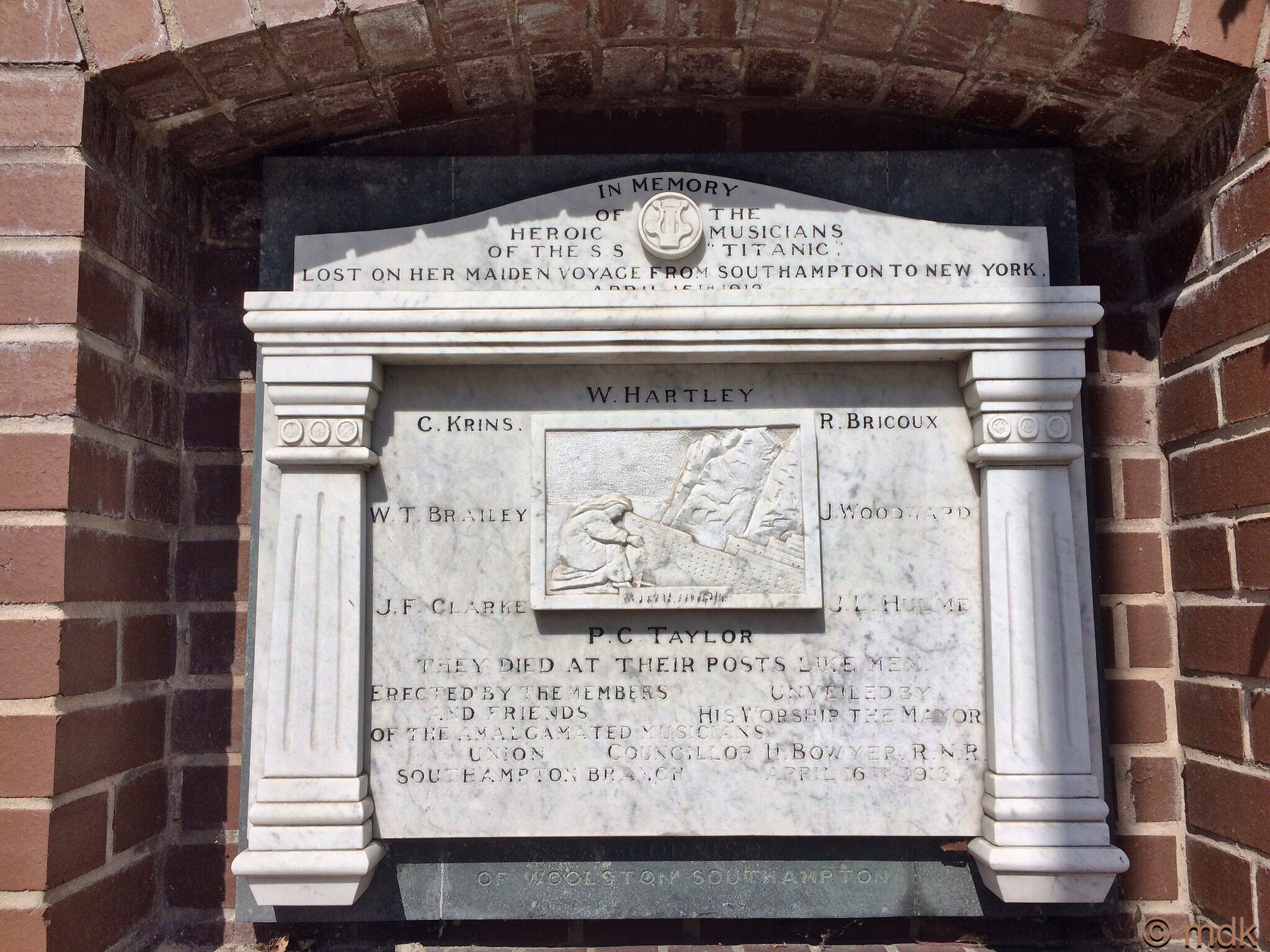
The eight piece ship’s band, led by Willaim Hartley, assembled in the first class lounge and began to play in an effort to keep the passengers calm and upbeat. Even when it was obvious the ship was going to sink and they were forced to move to the boat deck they continued to play as the ship sank lower and lower. Across the road from the Engineers Memorial near the junction of London Road is the final memorial of my walk, the Titanic Musicians’ Memorial. The original was unveiled by Southampton Mayor H Bowyer on 19 April 1913 in the Southampton Library. Unfortunately it, along with the library, was destroyed in the blitz. The memorial I stood in front of on Tuedsay was a replica erected in 1999. The beautiful carving by Sarah Flower Adams shows a grieving woman’s and an iceberg and the opening bars of Nearer My God to Thee, purportedly the final song played before the ship disappeared under the waves. None of the musicians survived.
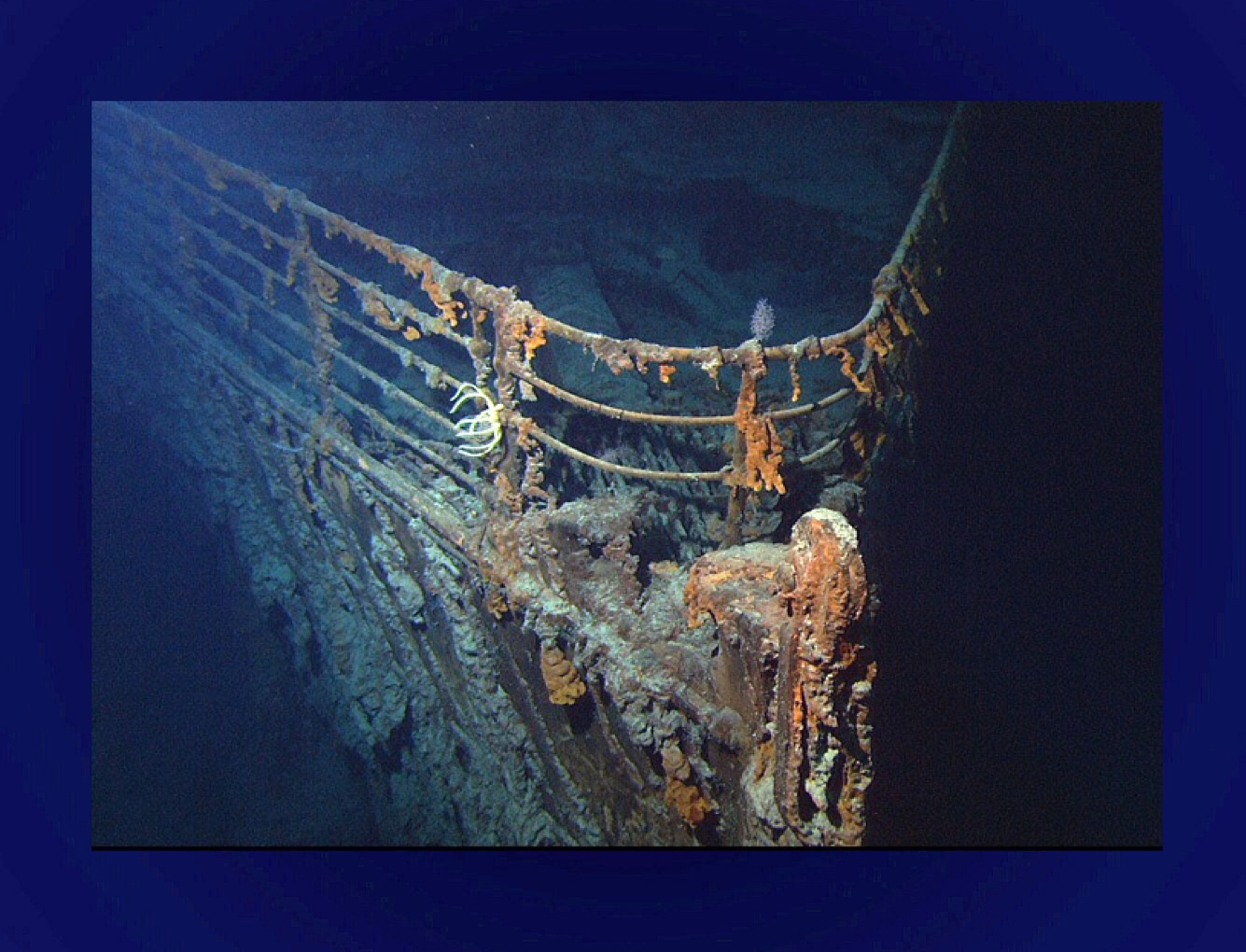
Just after one o’clock water flooded through the holes for the bow anchor. The bow lurched suddenly downwards as the bulkhead in boiler room six, weakened by the coal bunker fire, collapsed. By 1:25 the boat deck was in chaos. By now most passengers had realised there were far more people on Titanic than a positions on lifeboats. It began to occur to them that the ship might really sink. Panic began to break out amongst the mainly first and second class passengers trying to get into the lifeboats. Very few third class passengers made it to the boat deck, many were lost in a maze of corridors while water swirled about their feet or came up against locked gates designed to segregate them. No one had thought to unlock them.
Things became increasingly disorganised and rushed, lifeboats more and more overloaded. The short lifeboat drill in Southampton was inadequate and the crew were losing control of the situation. One lifeboat was almost lowered directly into water being pumped from the ship. Shots were fired in the air as desperate people tried to jump into lifeboats while they were being lowered. All the while Jack Phillips and Harold Bride were in the radio room sending distress signals.

At 2.05 the last two lifeboats were launched. J Bruce Ismay was aboard one of them. There were over one thousand five hundred people still on the ship and four hundred and sixty six empty seats in the lifeboats. The water reached the forward boat deck and it slowly tilted at a steeper and steeper incline. At 2.17 Smith announced ‘every man for himself.’
On the water those lucky enough to have made it into a lifeboat shivered under the dark sky where witnesses say the stars shone like sparking cut diamonds, brighter than any had ever seen on a sea as still as glass. Around them there was a continuous wailing of those struggling in the freezing water. As Titanic’s stern rose into the sky and slowly sank clusters of people tumbled into the sea. It was 2.20. Slowly, over the course of half an hour the screams and cries died away as those in the sea succumbed to the cold water. Of the seven hundred and ten survivors, just forty of those who were thrown or jumped into the sea were rescued. More than five hundred and forty of the dead came from Southampton.
I never knew there was a Titanic memorial like that. So many interesting things in that story, it’s hard to pick one…but I think the fact that it was dubbed “Unsinkable” — and people chose to hang on to that shred of hope kind of boggles the mind.
There are so many memorials to Titanic in Southampton I couldn’t visit them all in one day. The cemetery on the Common has many Titanic related graves too so I will write another post one day to share some of their stories.
So Awful, it doesn’t bear thinking about.
It was a terrible tragedy, especially for the people of Southampton which lost so many men. It did make cruise ships far safer for future generations though.
I hope from then on that every ship was made to carry more than enough lifeboats for everyone aboard, “unsinkable” or not.
The cruise industry changed drastically after Titanic. These days every ship has to have enough lifeboats for everyone on board. They also have to have drills before the ship sails. I’ve been on board for enough of them to know they really do happen. The huge cruise ships of modern days are far more unsinkable than Titanic ever was, although, sadly, like Costa Concordia, they do occasionally sink.
All the tie-ins here are fascinating. Not to mention you worked for a cruise ship company! This series of posts is your best ever, or so far? No, my point is I love this!! Regardless if someone knew the story from the movie or books, your telling of it was fascinating.
Thank you Martha. I’m glad you liked reading it. I think working for the cruise company gave me more of an insight into what it would have been like on board, although our ship was much smaller and less opulent than Titanic. I did once have experience of the water tight doors though. During a drill, Gigi and I got locked in a passageway for about ten minutes, so I could imagine all too vividly what it must have been like for those drowning sailors.
Ugh! My worst nightmare!! Not a fan of boats, the sea is just to unpredictable!!
I only tend to go to Southampton when I’m picking up or delivering to the station (but that was years ago) or to go to the Mayflower theatre (once in a blue moon) or even Ikea (again, once in a blue moon) so really must make a concerted effort to visit these Titanic memorials, they fascinate me. Love your photos Marie, a beautiful tribute to those who lost their lives in this terrible tragedy.
There are some wonderful walks around the city and the parks are worth coming here for all on their own. If you do come this way let me know and I’ll give you a guided tour 🙂
I will Marie, and thank you, that sounds great!!
The church is so beautiful!
I will have to. Isit again when it’s open. It was one of my favourite spots to have some lunchtime contemplation when I worked in the centre of town.