6 April 2015
On Bank Holiday Monday, when Commando suggested going for a walk, you could have knocked me down with a hummingbird feather. Commando is a confirmed runner and, while he understands my love of walking, he doesn’t share it. It’s all too slow and sedate for him and he gets cross when I keep stopping to take photos.
“We could drive out to Lymington,” he said.
I was already getting my coat so I wasn’t sure I’d heard him properly. I hoped I had though because Lymington has been on my list of places to visit for a long time. The only reason I hadn’t already been was the appalling bus and train service.
It took us a while to find somewhere to park. Mostly this was down to the fact that neither of us could scrape together enough coins for the parking machine and it didn’t take notes like the ones we’re used to in the city. Eventually we found an empty street with no yellow lines and a sign that said we could stay for three hours for free. As long as we could find our way back to it we were laughing. I took note of a few landmarks as we made our way to the main road.
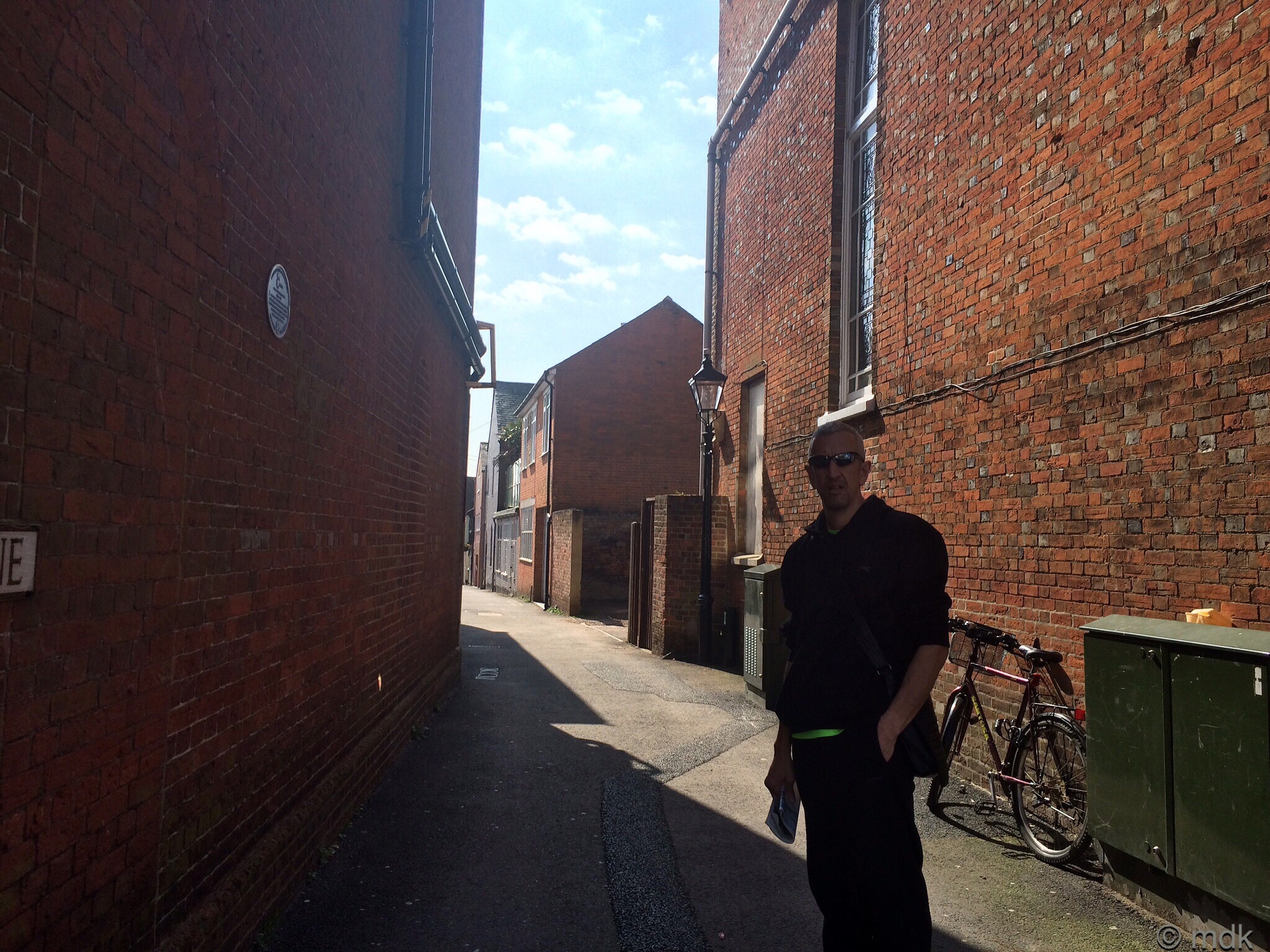
The Echo Saturday supplement had an article about a walk in Lymington a few weekends ago and I’d squirrelled it away for future reference. Commando had dug it out and we used it like a map. Of course he was in charge of it, mostly because he didn’t trust me not to get us hopelessly lost. He was probably right. We started by walking up the steep high street. On my own I’d have been taking photos of all the Georgian shop fronts and pubs but I’d been warned before we started out and Commando was marching ahead already. He forcibly dragged me away from the coffee shop. Sometimes I don’t like him very much. This was one of those times.
For those who don’t know it, Lymington is a pretty little town based around a harbour on the edge of the New Forest. Following the instructions from our ‘map’ we turned between two shops down an alleyway called Ashley Lane. It didn’t look all that inspiring but soon we were passing a large recreation ground and I could see masts in the harbour in the distance. Personally I was itching to get to them. Commando was already steaming ahead and I had to put on a spurt of speed to catch up.
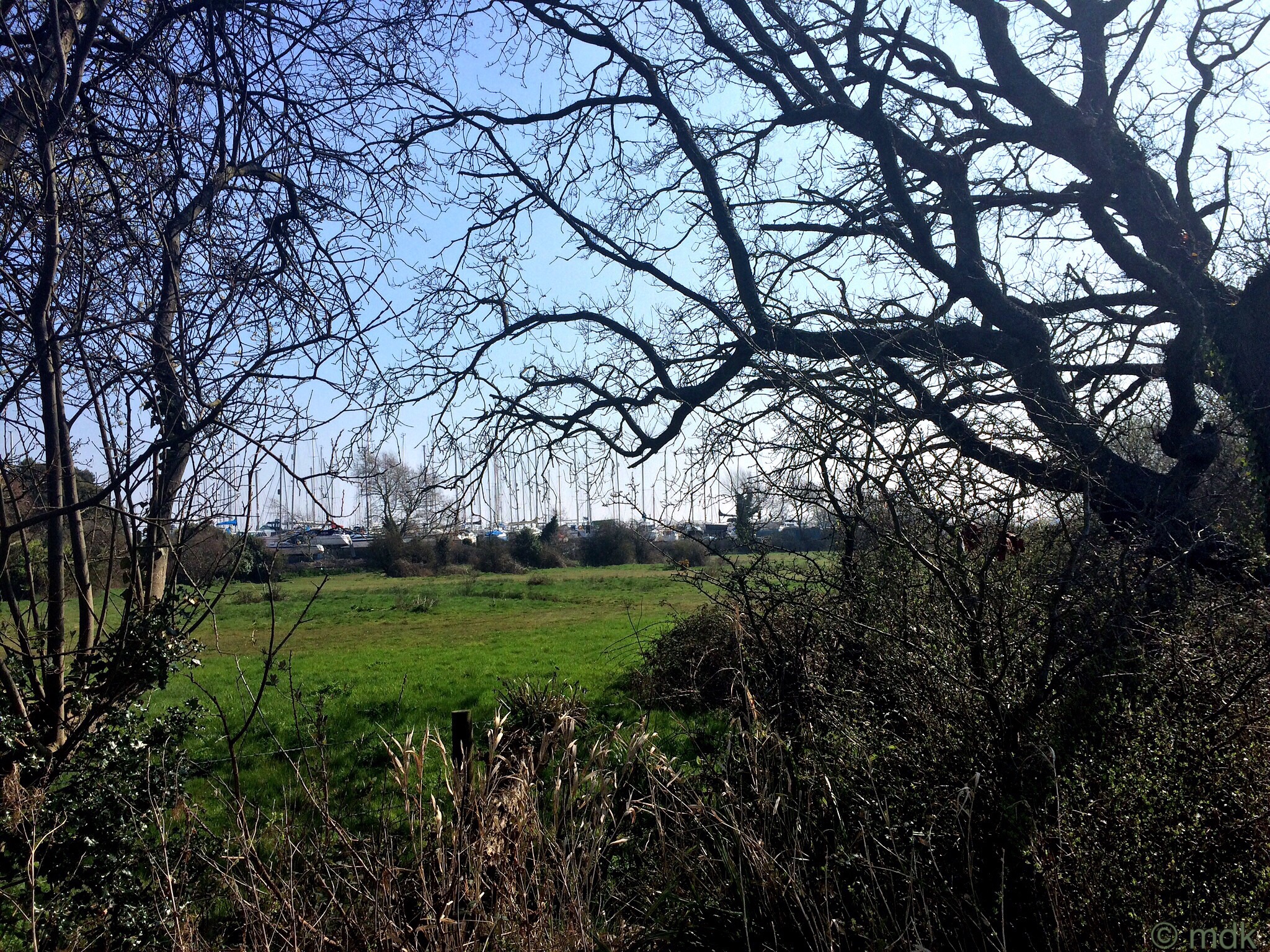
The article said there’d be ‘attractive and varied houses’ on the next stretch. In fact they were all disappointingly modern and uninteresting to my mind, Commando agreed. Once we turned onto Normandy Lane things started to look up. Tree lined, winding and bordered by fields it was my kind of place. If there had been footpaths it would have been perfect but there were no cars while we walked so I shouldn’t complain. A pretty little cottage caught my eye. The sign said Normandy Farmhouse. I think we both had a touch of house envy for a moment.


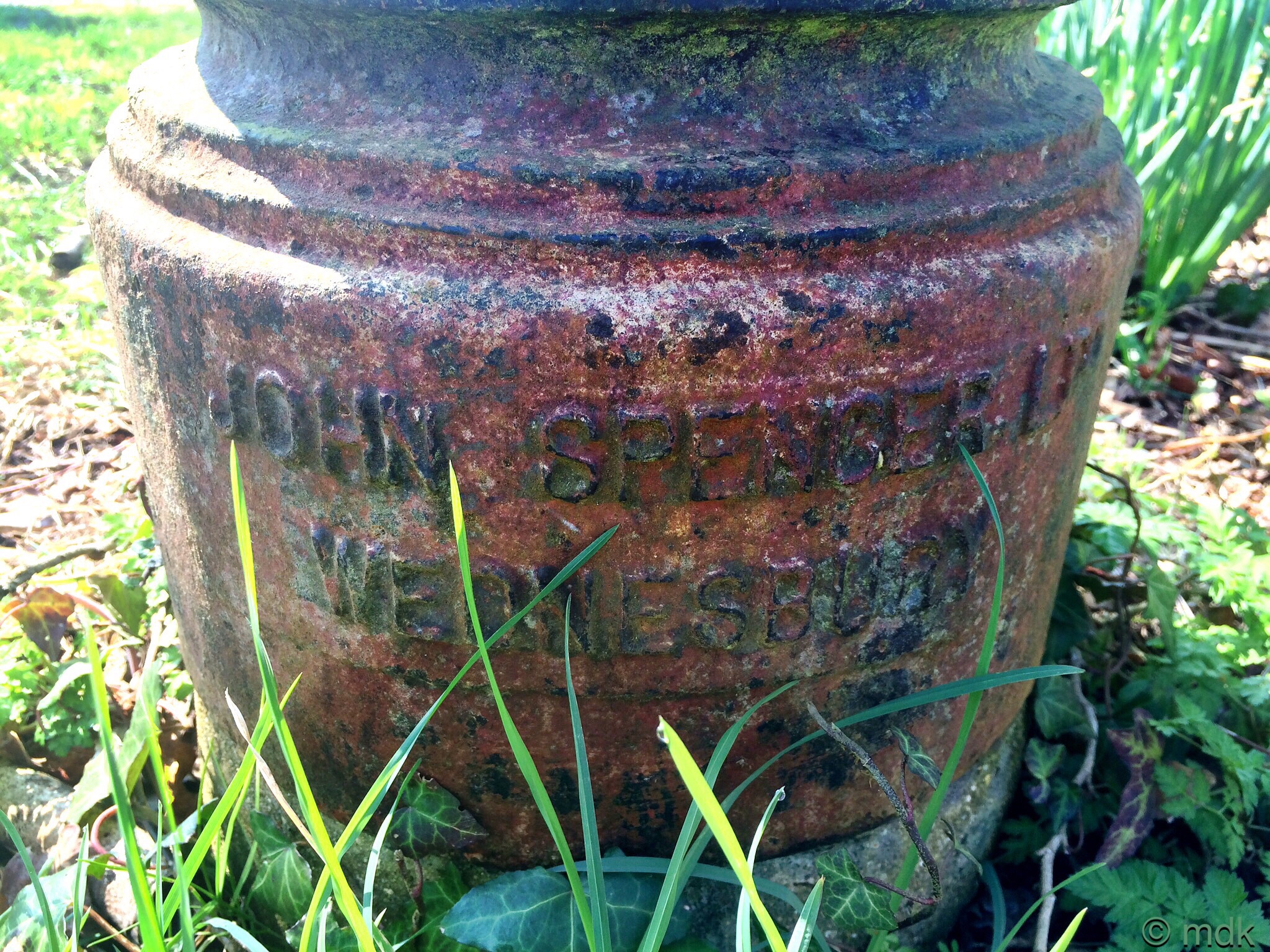
Further along Commando spotted what looked to be the base of an old street light, but it seemed a rather odd place to have one on the edge of a field with no houses in sight. When I went to look closer there were deer in the field beyond. Sadly, they were too far off for decent photos but it was good to see them nonetheless. Later Googling of the inscription on the bottom of the strange metal post revealed it be be part of a gas lamp, at least I think so. The John Spencer tube works in Wednesbury certainly produced fittings for gas lamps.
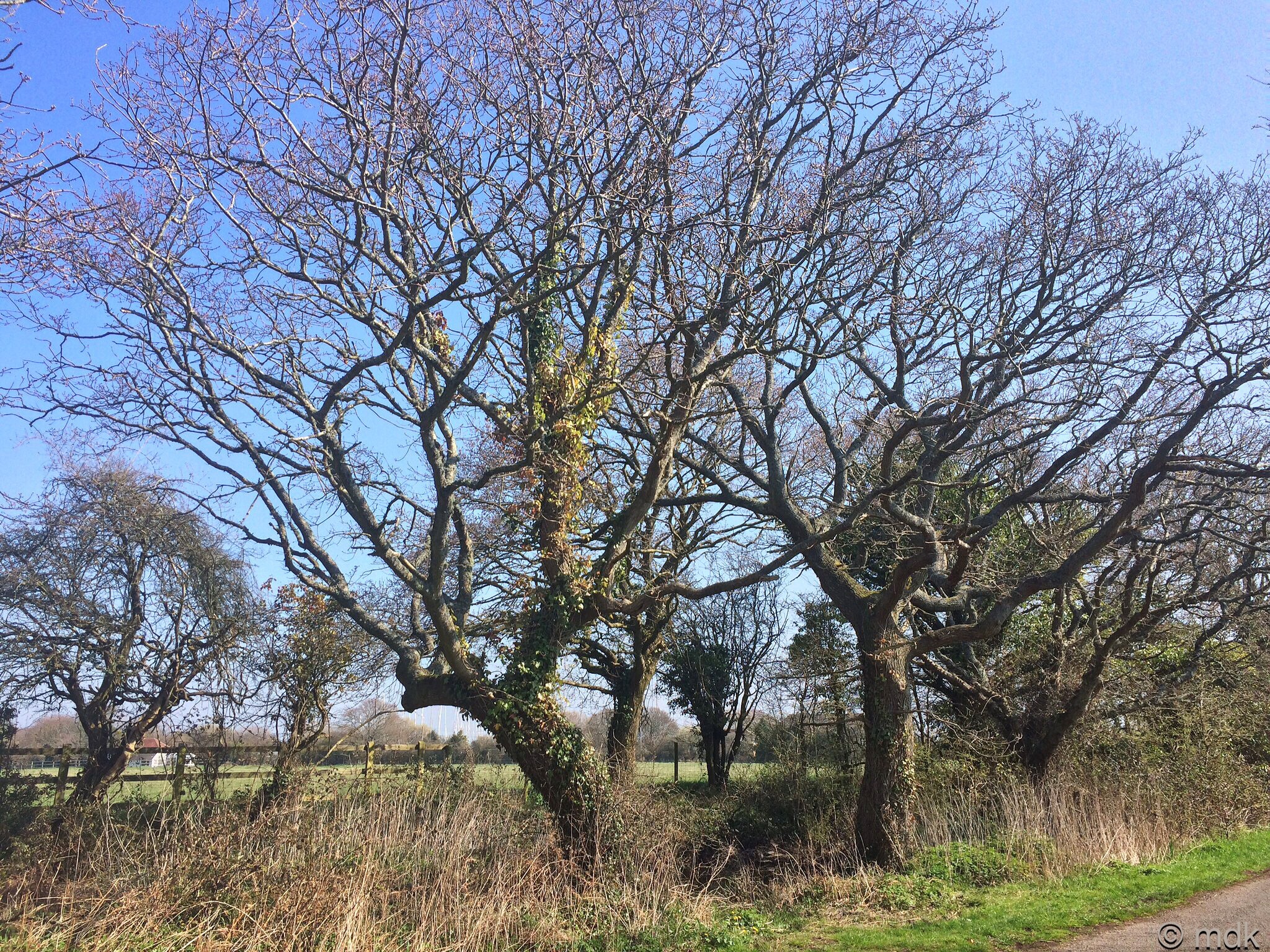


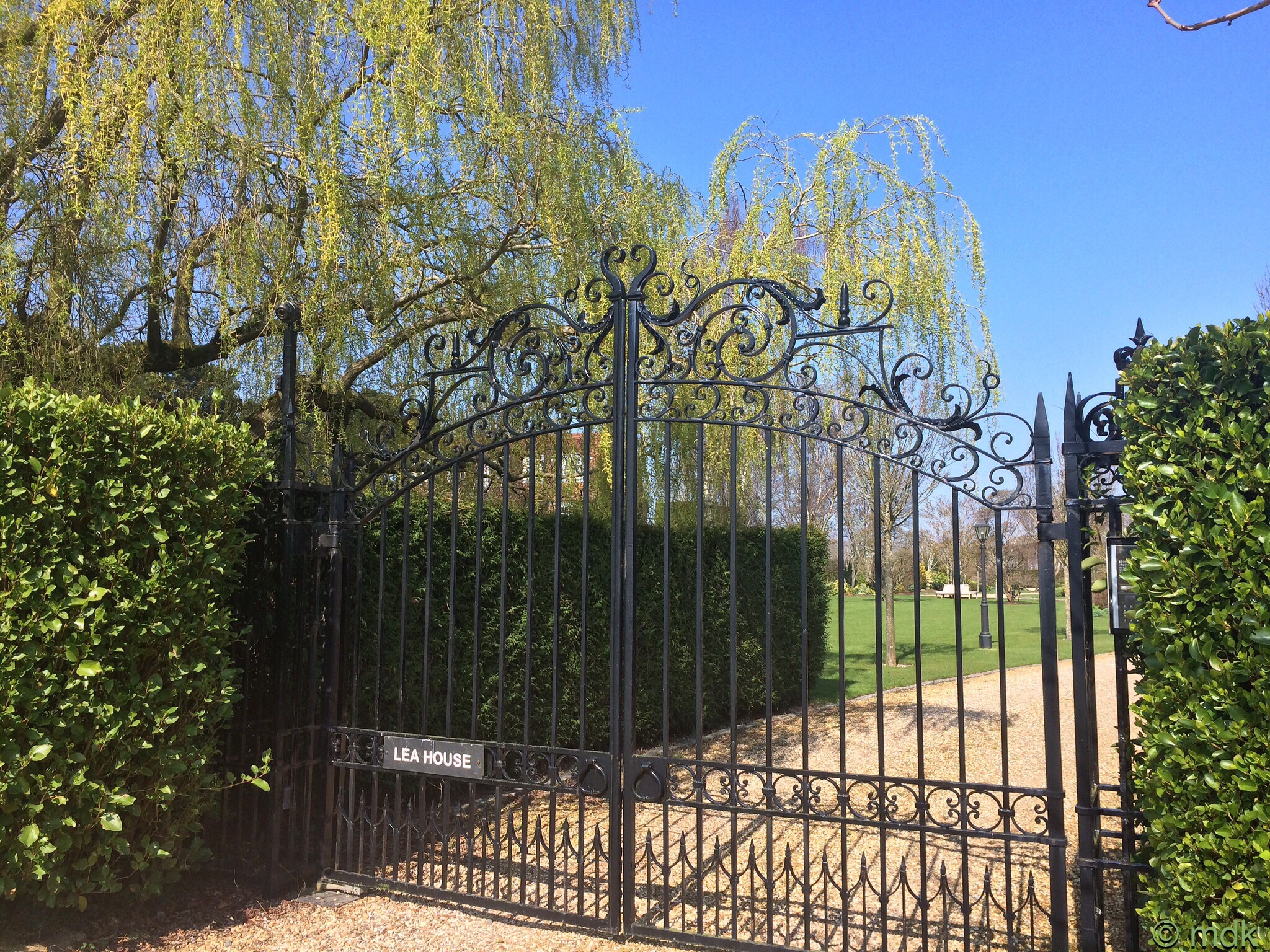
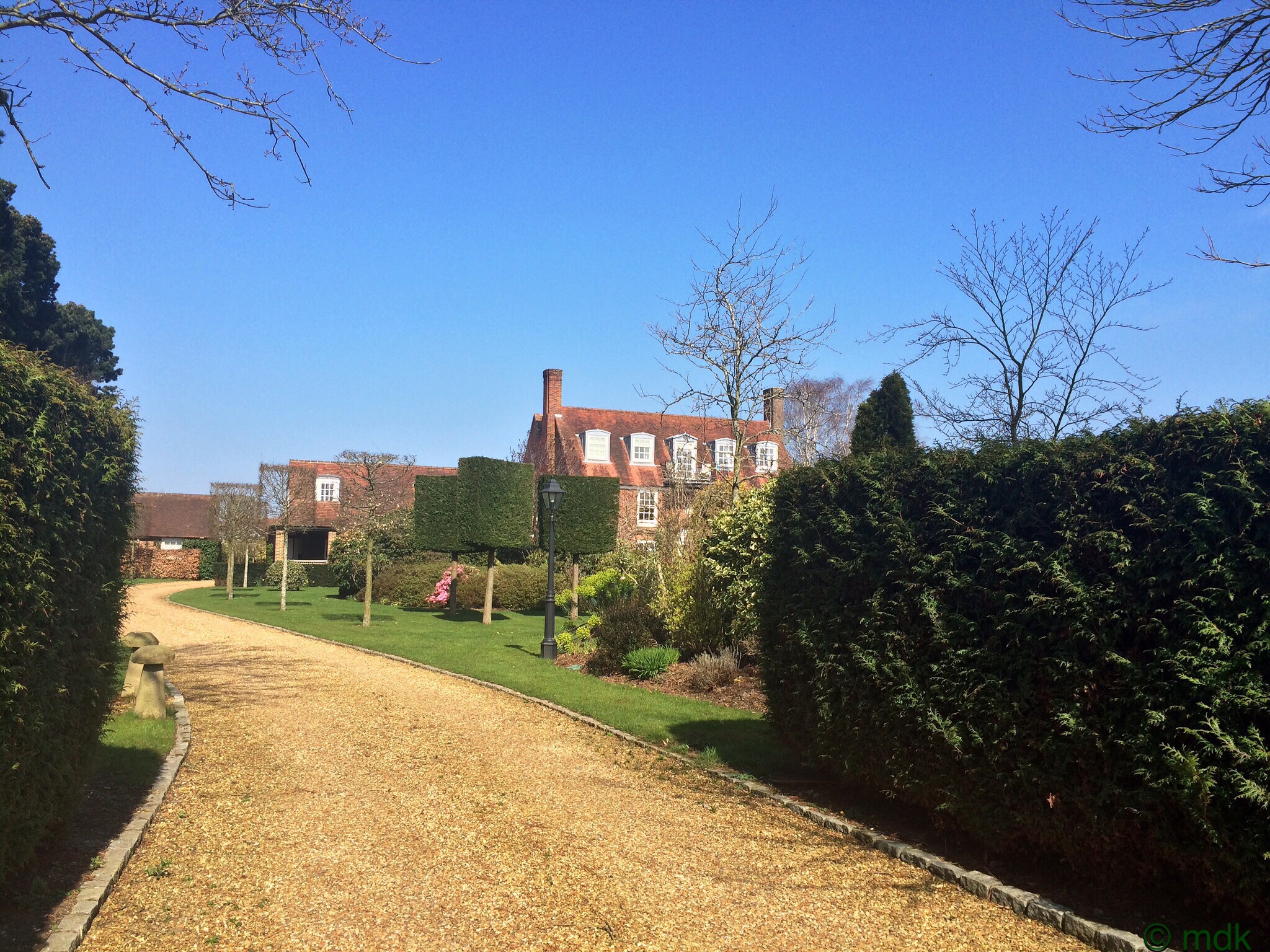
The odd dog walker passed us with a nod and a good morning. One looked rather familiar and, once he had passed, Commando told me it was Leon Crouch, former chairman of Southampton Football Club. Shortly afterwards we passed his house, Lea House. Of course I had to have a peek through the impressive gates. Although it was a grand looking house with well manicured gardens and odd square topiary trees, we both agreed it would be hard work to keep it clean and tidy. Probably being a multi millionaire helps.
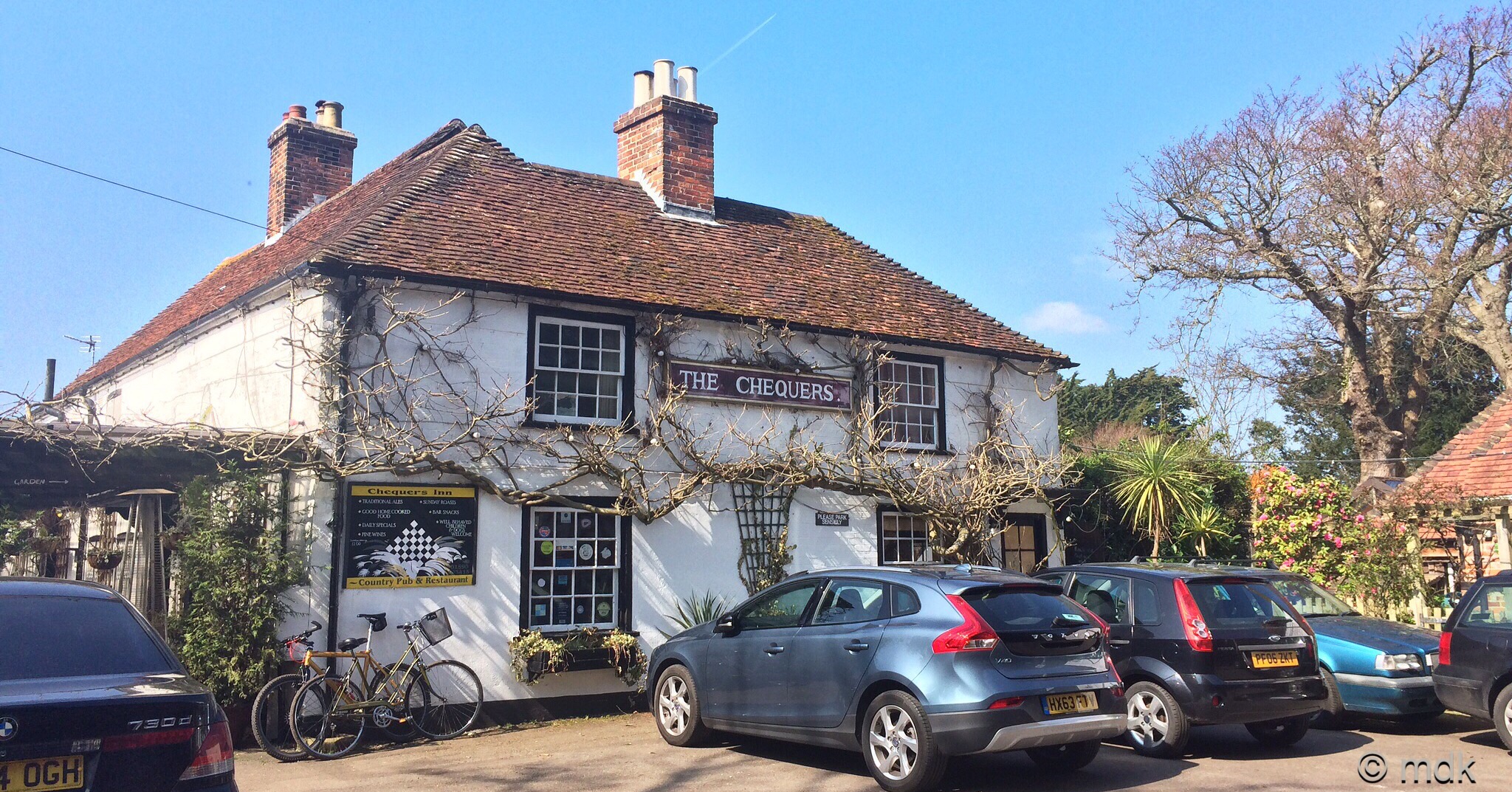
The pretty little cottage a little further on was much more to both our tastes. Close by was the Chequers Inn, which looked to be a popular watering hole by the number of cars outside. The pub dates back to 1695 and the name and the chequered sign that once hung from the eaves is a nod to the Salt Exchequer Offices which were nearby. In 1914 a stray shell from Fort Victoria on the Isle of Wight crashed through the pub roof and demolished an outhouse and a neighbouring cottage. Thankfully the pub survived.

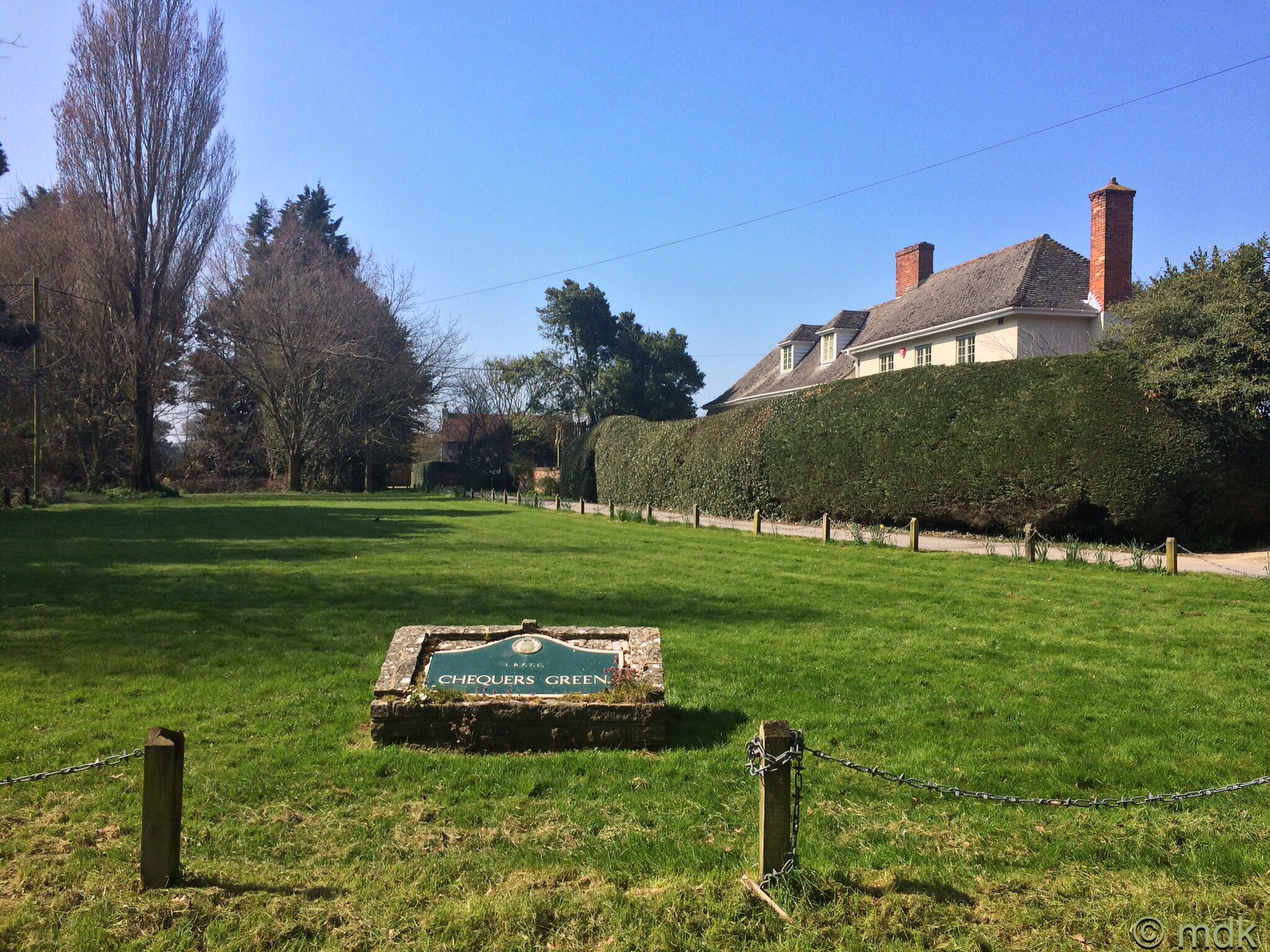
With Commando directing we passed the pretty little green beside the pub and came to a white gate. This was the gate to Creek Cottage, it looked like a private driveway and even had a beware of the dog sign but, armed with the map/magazine, we went through. The beautiful eighteenth century cottage and two crumbling brick barns at the end of the lane were so pretty I fell in love with them immediately.
“Now this really is my kind of house,” I said to Commando, thinking of our earlier conversation. “I could see myself living in one of those old barns.”
“Hmmm,” he said, rolling his eyes a little. He’s not quite as enamoured of dilapidated old buildings as I am and I could see he was thinking of leaky roofs and repointing.
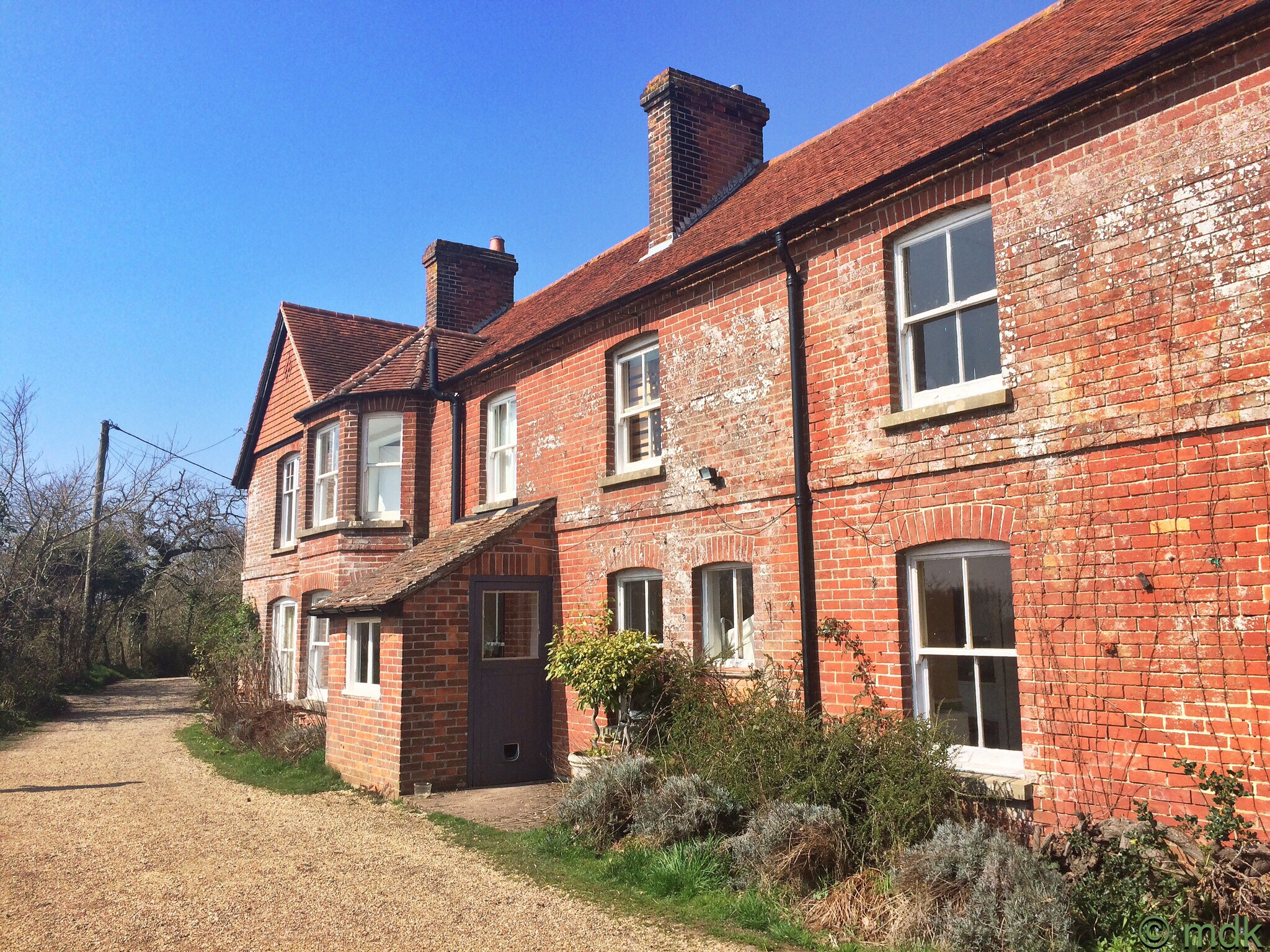
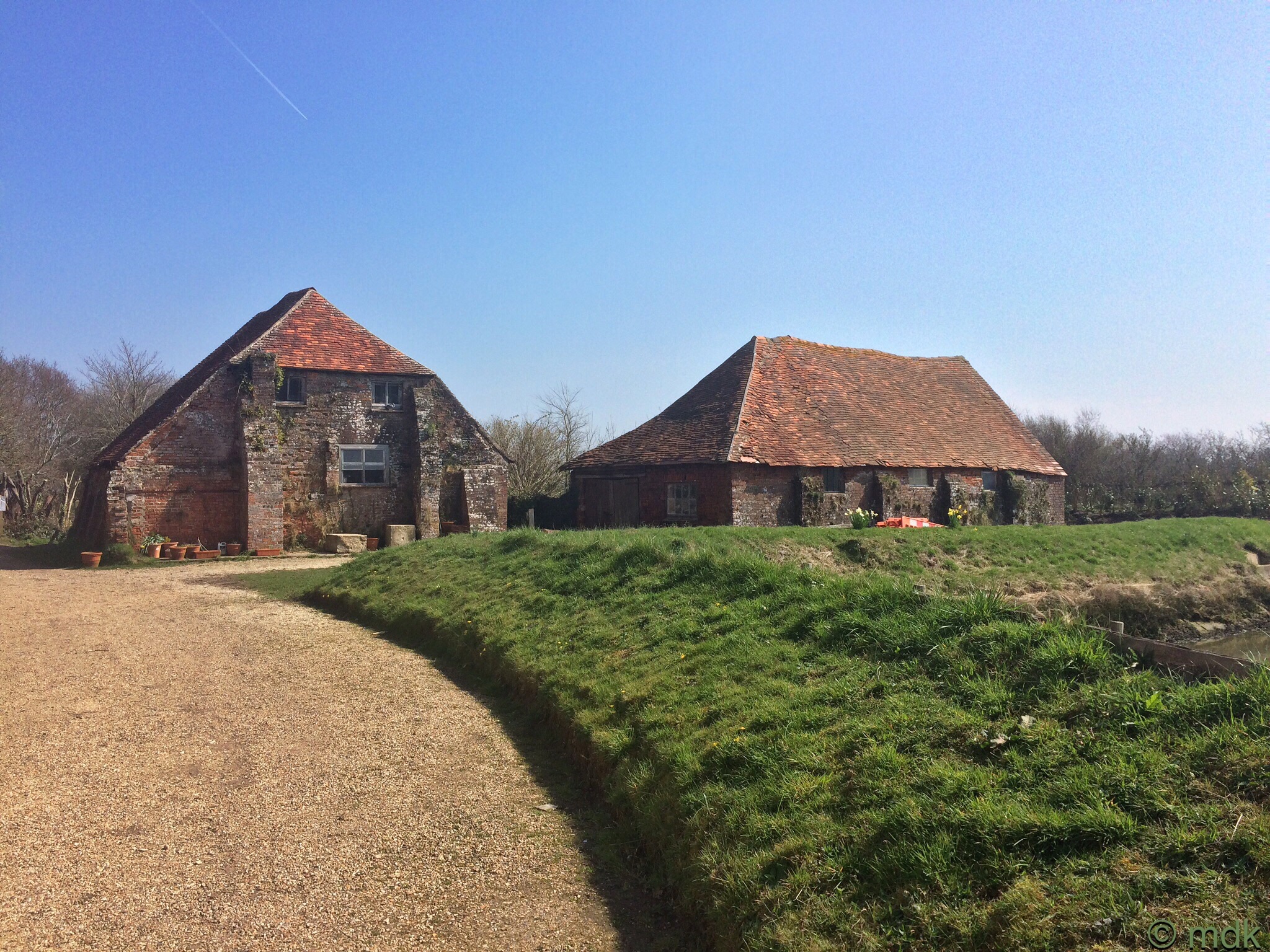
Creek Cottage is a saltern’s cottage and the two barns are actually the country’s two last remaining sea salt boiling houses. For most of the eighteenth century the majority of the country’s sea salt was produced in Lymington. Archeological evidence suggests there have been salterns here since the iron age. Salt production continued along the five miles of coast between Lymington and Hurst Spit until high taxes and improved transport made cheaper, mined salt from Cheshire more attractive than expensive local sea salt. When the final salt house closed, in 1865, the majority of the boiling houses were demolished and the salt ponds levelled for grazing.

The saltern was a large tract of flat land divided by low mud banks into shallow clay and gravel lined ponds about twenty feet square. Sluices captured the sea water at high tide and it was left to evaporate by the sun and wind. Glass globes or small conical pieces of wax floated on the surface and how high they were in the water told the salt makers how strong the brine was. As it matured, the brine was pumped from pan to pan by small windmills, about twelve feet high, and finally into large cisterns, ready for the boiling house.
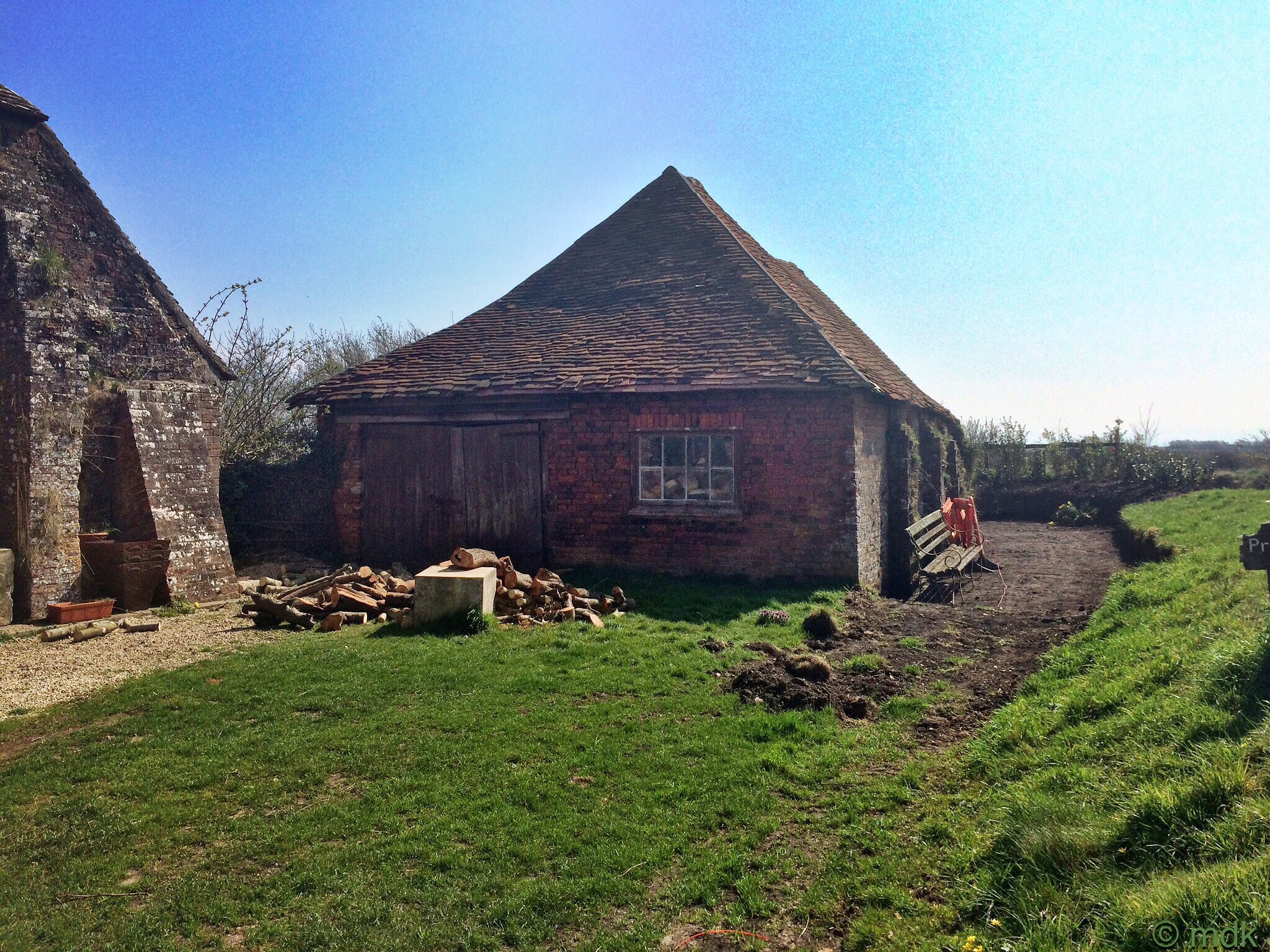
Finally, the liquor was pumped into a reservoir, or clearer and then through wooden pipes into the boiling pans. Each boiling house would have between two and eight of these iron or copper pans, about eight feet square and nine inches deep. Under them was a furnace burning continually six days a week. From brine to salt the process took eight hours of simmering in these large, steam filled sheds. The air around them would have been thick with salt dust and soot laden.

While I went to take a closer look at the wonderful old buildings, Commando tapped his foot slightly impatiently at the end of the raised causeway that once separated the wetlands from the dry land. Eventually I joined him, although I’d have like to have poked about a little longer. The trail was narrow and we walked looking down into the long narrow canal that I think was once the final reservoir before the cistern and boiling house. It seemed to be lined with clay and, looking back, I could see a hole, perhaps where one of the wooden pipes once went.

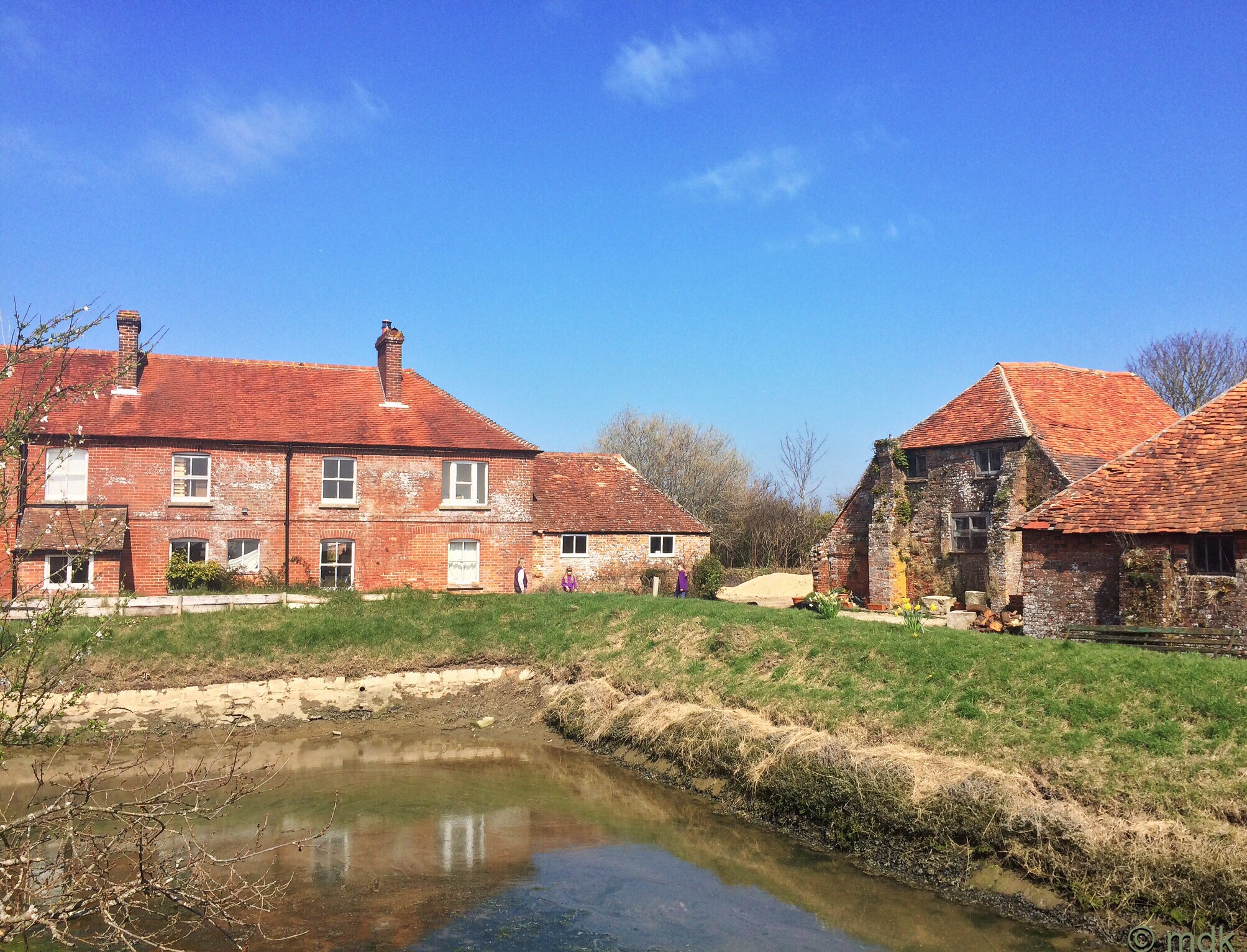

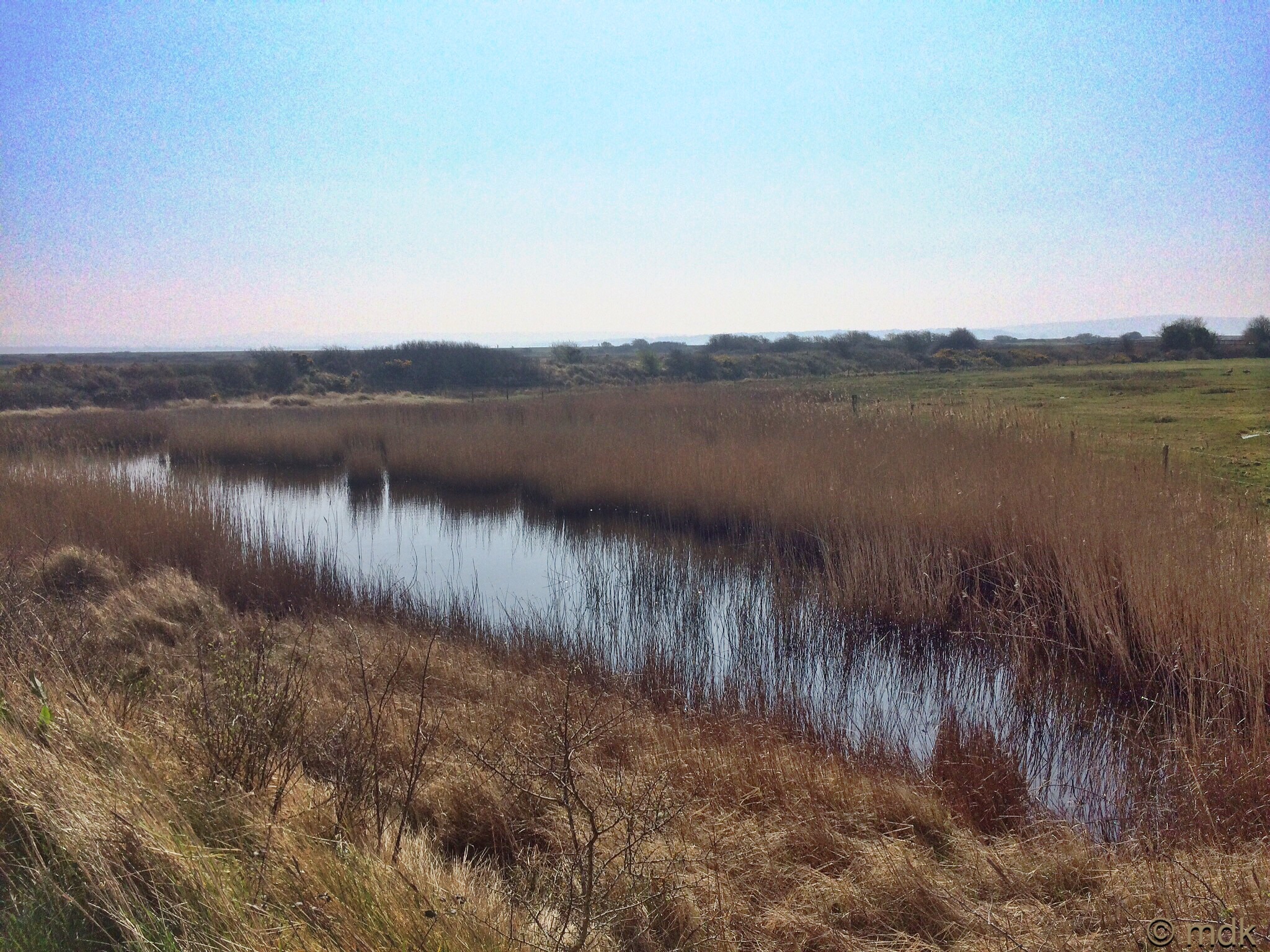
Looking out across the canal towards Lymington Harbour I could see large flat fields behind the scrubby trees and more marshy flats to the other side. This area is now a nature reserve but, back in the eighteenth century, those fields would have been evaporating ponds, filled with brine and the landscape would have been dotted with windmills. For four or five months a year, depending on the weather, the ponds would have been working, each producing about three tons of salt a week.

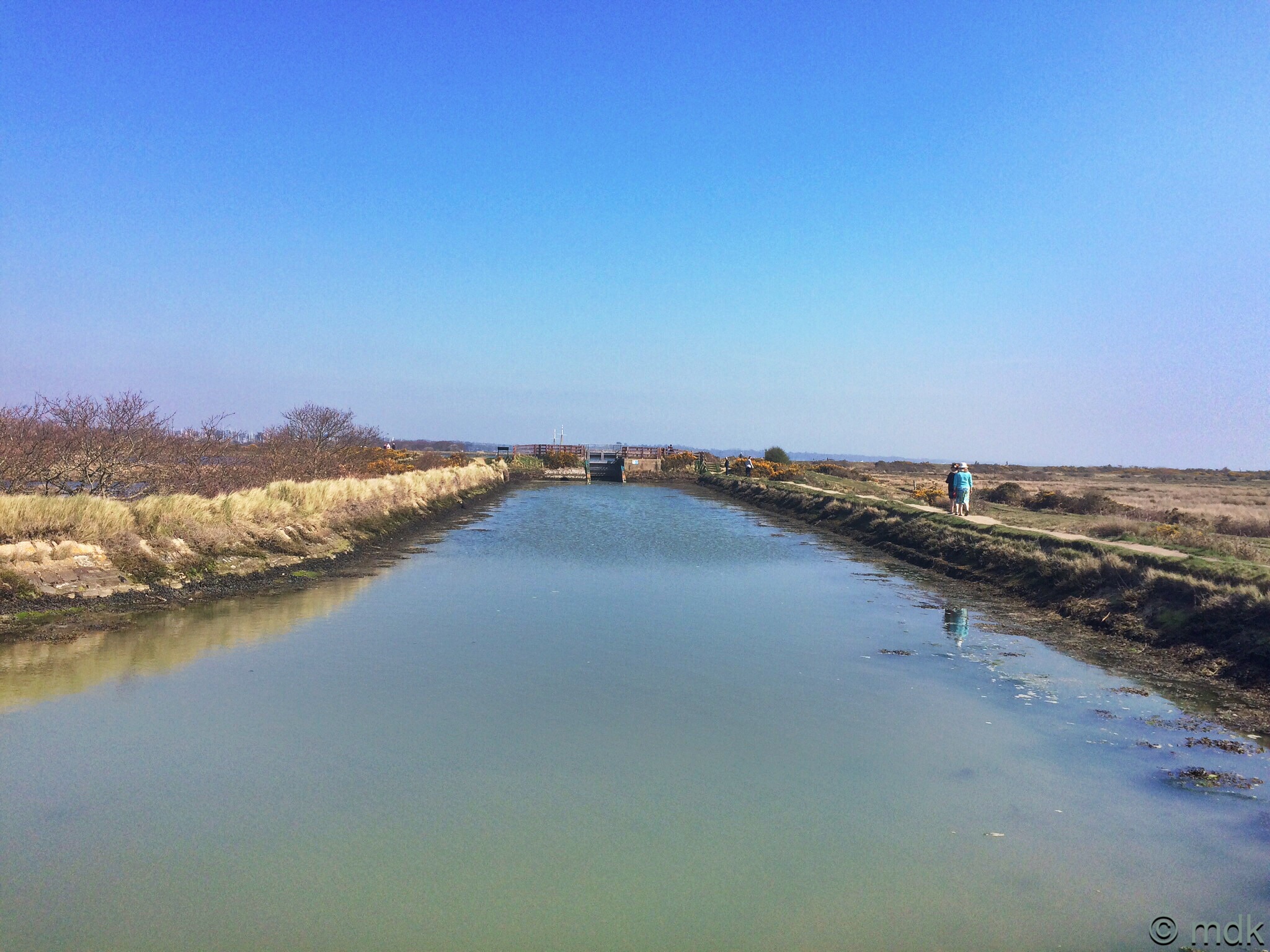
About half way along the canal we came to a sharp dogleg and, when we finally reached the end, the canal turned at right angles to the north east. Ahead we could see a sluice and paths that seemed to go off in all directions. Commando looked at the map/magazine and scratched his head a little.

“It says here there is a diversion across the marshes to a small inlet that’s worth taking in good weather,” he said. “I think we’ve taken it by mistake and we should have gone straight ahead at the cottage.”
Seeing as I’m the one who has a reputation for getting lost it seemed churlish to remind him that I actually had gone straight ahead to look at the boiling houses and he was the one who’d gone the wrong way. Instead I said “never mind, it’s an interesting detour and I like sluices.”
“I think we could get back on track if we go straight ahead but I’m not sure,” he said, still peering at the map. “Or we could cross the sluice and go back along the other side of the canal and get back to the original path.”
Decisions, decisions. Why do my walks always end up like this? At least I couldn’t be blamed for once, because Commando was in charge of the map and it was a beautiful day for a walk by the sea.
Even with your exaggeration and artistic license, I believe I’ve been unfairly portrayed in this article. I navigated to give you the freedom to take pictures etc. I had a great time and found it a brilliant way to loosen up after my 20 miler!
Let’s face it, if I navigated we’d still be wandering round now! I patently cannot be trusted not to get lost. Obviously the photo taking was a slight exaggeration, although I did detect some foot tapping I think. It was great to have some company on my walk and I look forward to the a Navigation at some point in the summer when you’ve recovered from the London Marathon! Xxx
Love you too honey bunch
🙂
Another map reading debate. I leave all that to Mrs Tootlepedal.
I seriously cannot be trusted. Commando is much better at these things.
Boiling salt sound a lot like boiling maple sap.
It looks like one of the buildings had a lot of lichens on it.
I’d have liked to examine those boiling houses a little closer. Commando doesn’t understand my need to take photos of things like lichen though.
Sigh…How romantic foot tapping and all : ) You always impress me with your knowledge. How do know all of this history? Do you research first or do you take pictures and then research?
He can be a romantic devil when he tries. When I go for a new walk I sometimes do research first, some things I already know, especially about my own city, other things I research. Basically, I have a very curious mind. When I see something and I don’t know what it is or how it works I just have to find out. The gas lamp by the trail got me curious so I took pictures and did a lot of Googling. The salterns I already knew about but I did more research to find out exactly how they worked.
Despite any alleged foot tapping, you got enough images for a great post. Glad the two of you got to spend some time together to see something new,
It was a lovely walk and any foot tapping was minimal. I’m hoping to get him on the Itchen Navigation in the summer.