
10 November 2016
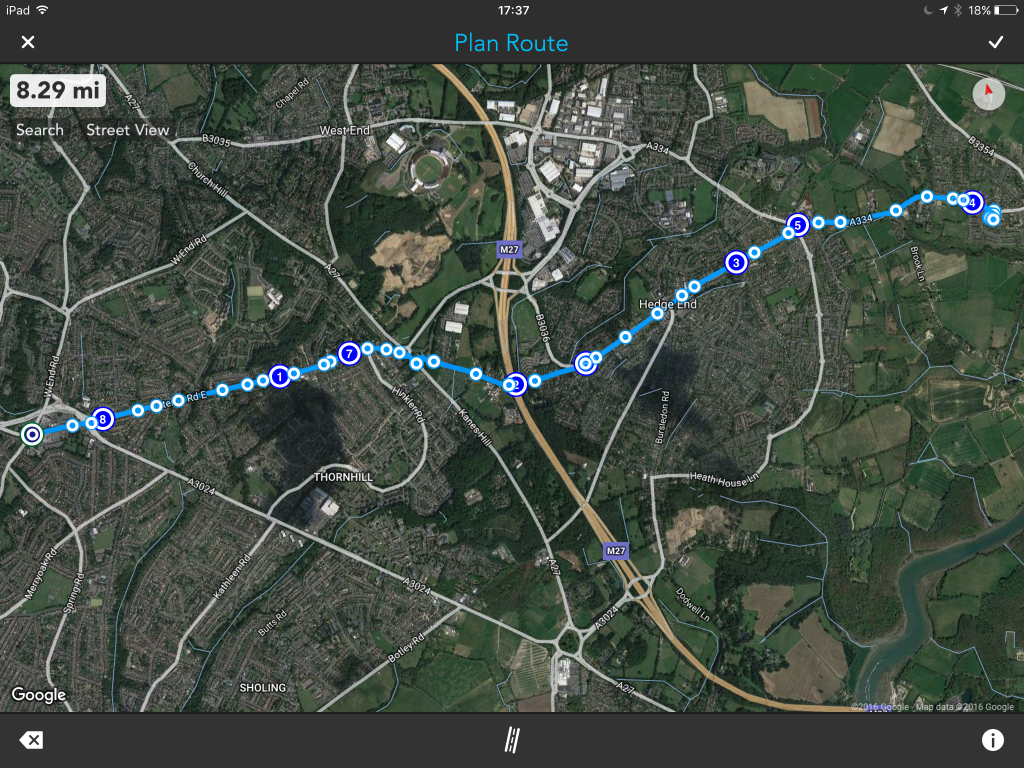
This week most of my walks had been errands with nothing much of note happening apart from distance being covered. Today I had big plans to get some interesting miles under my belt. By now I should know making plans is not a good thing because something always scuppers them. This time it was CJ oversleeping. To be fair, he didn’t know I was planning to go out super early for an extra long walk to show him something I thought he’d like. Maybe I should warn him next time. In the end we settled on a pared down version of the walk I had in mind, minus most of the interesting bits. Even so, there was plenty to see.
We started off in the village where a massive amount of change is going on. The Red Lion pub is turning into a Wetherspoon’s behind a ton of scaffolding. A least it isn’t closing like so many pubs around these parts. There is also something odd going on in the precinct. It began a couple of weeks ago with improvements to the paving on the corner. Then the trees in the centre were cut down just as they were beginning to show their autumn colours. This made me quite cross to be honest. After that the raised beds and seats were knocked down. Now it’s a muddy looking mess cordoned off. Goodness knows how it will end up.
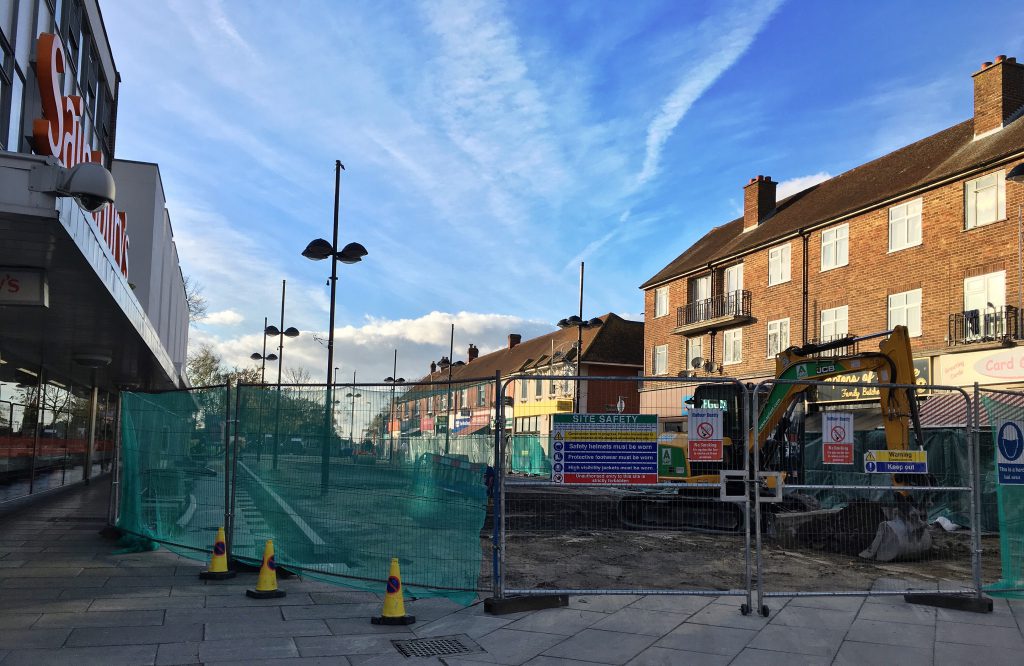
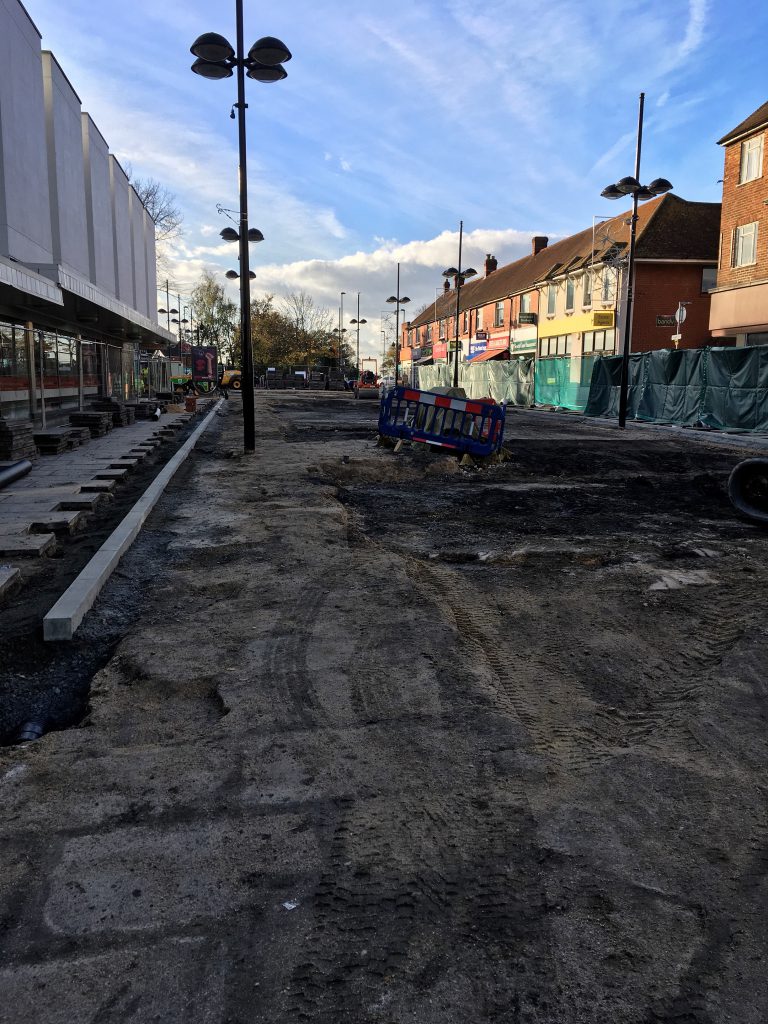
We talked about it as we walked up and down all the hills to Kane’s Hill.
“Maybe they’re clearing a space for the Wednesday market to expand? I suggested. “I wish they hadn’t cut the trees down though.”
“It could be an archeological dig?” CJ offered. “They might find buried bones or coins.” That boy is obsessed with buried bones if you ask me.
“It almost looks as if they’re opening the road up again, the way they have those kerbstones all laid out.”
“Perhaps they are.”
“They can’t be. There’s nowhere for the traffic to go because of the underpass and the bypass.”
“Maybe it’s going to be a car park then?”
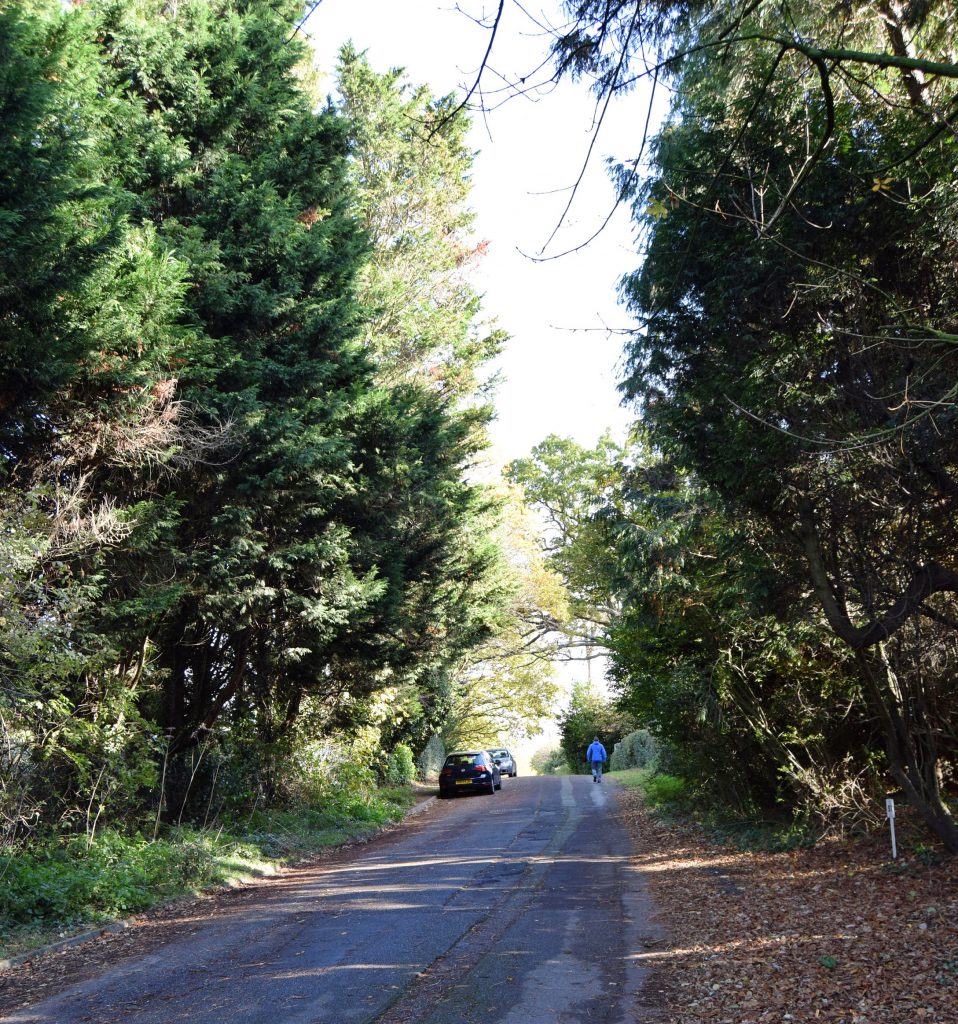
By the time we’d finished going over all the possibilities and I’d moaned about the loss of the trees a few more times, we’d reached the cutway that leads through to Upper Northam Drive. As we walked towards the underpass I told CJ how this area was used as a car park for military vehicles during World War II. DUrging the build up to D Day Hedge End was on the edge of the huge marshalling site and movements of civilians were restricted. It’s hard to imagine the quiet little lane with its Farm House and fields being overrun with tanks, Jeeps and GI’s, not to mention check points and guns. Then again, it’s hard to imagine living through the war.
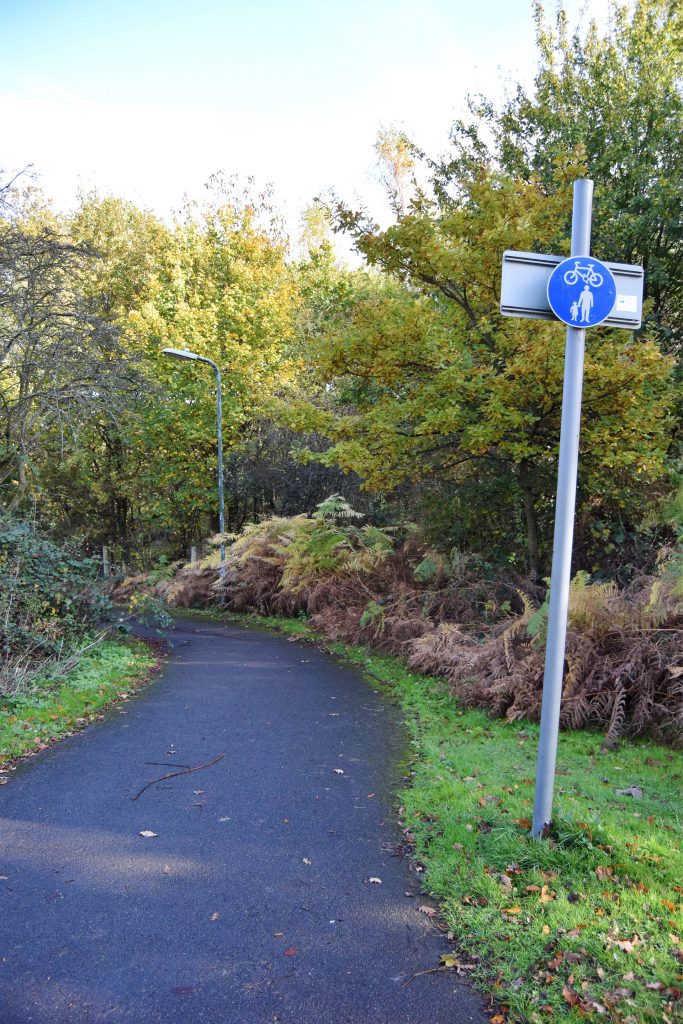
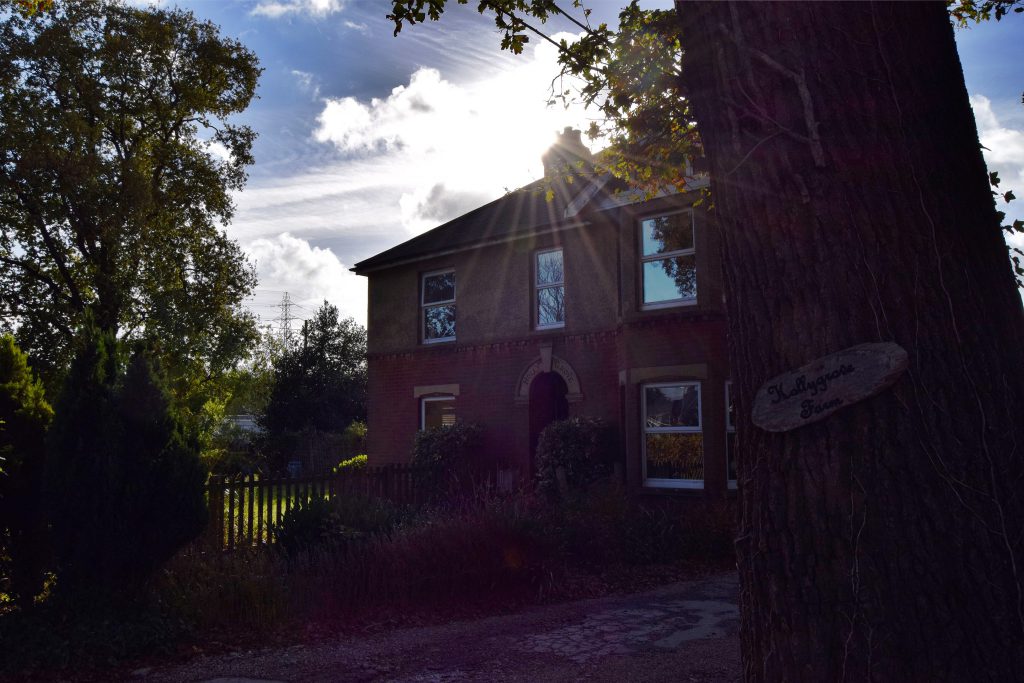
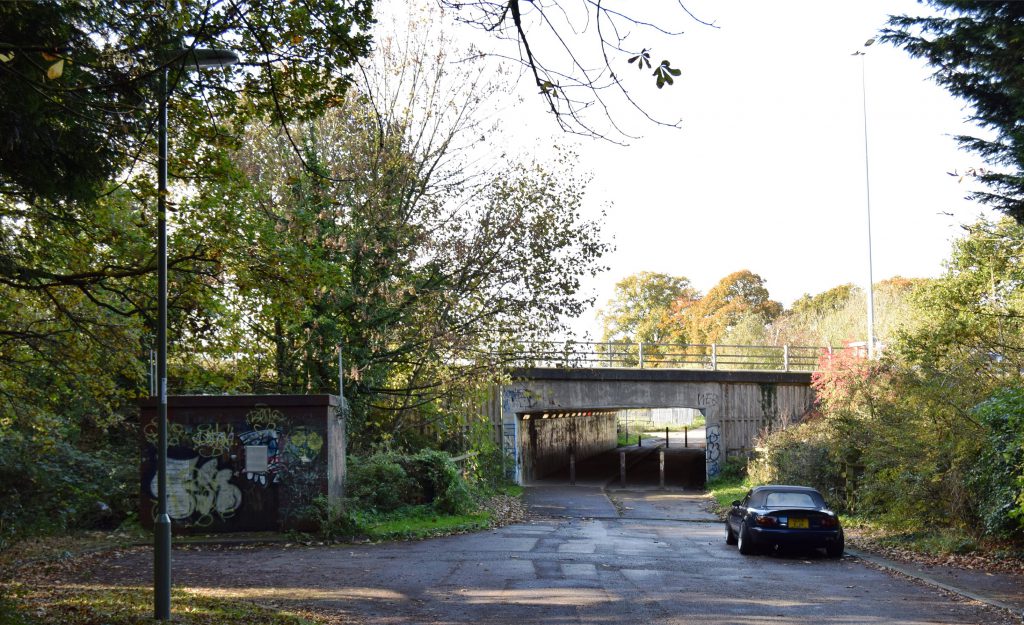
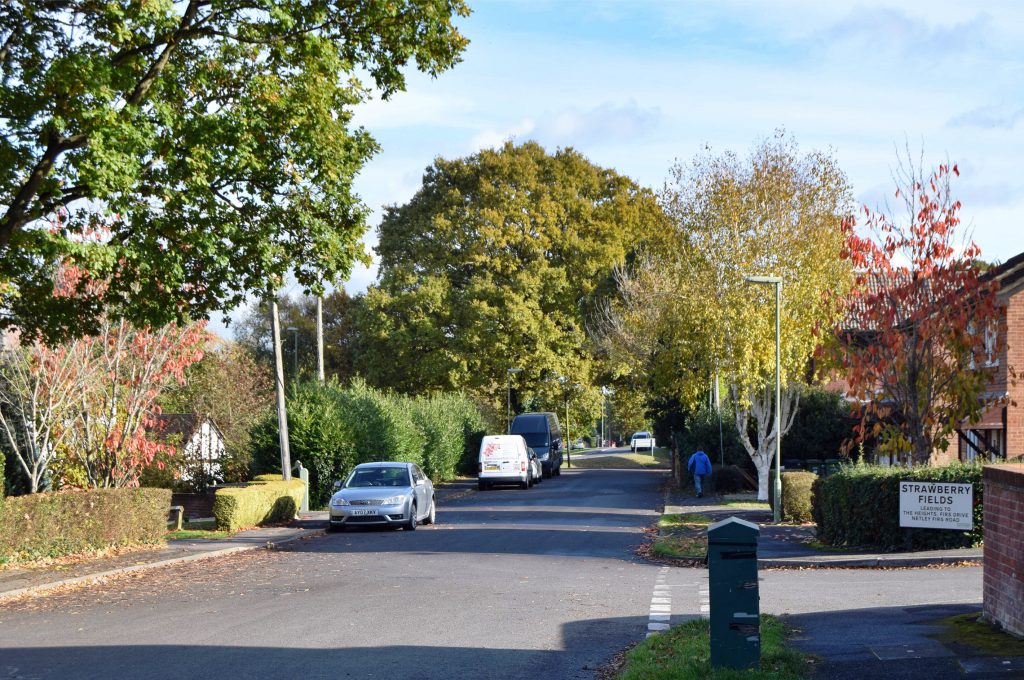
Once we’d gone through the underpass I warned CJ, “you’re going to have a Beatles song going through your head any second now.”
He looked at me as if I’d gone mad. Then he saw the road sign for Strawberry Fields and laughed. We carried on, singing “Strawberry Fields forever,” quietly just in case anyone would think we’d gone crazy. Then again, they could be used to it. The street name is nod to the fact that Hedge End was once well known for strawberry growing. In the 1860’s more than twenty thousand tonnes of succulent strawberries were grown here, transported by rail to top London Hotels. In strawberry picking season the area was filled with itinerant workers eager to help with the harvest. Of course, the strawberry fields are now filled with houses.
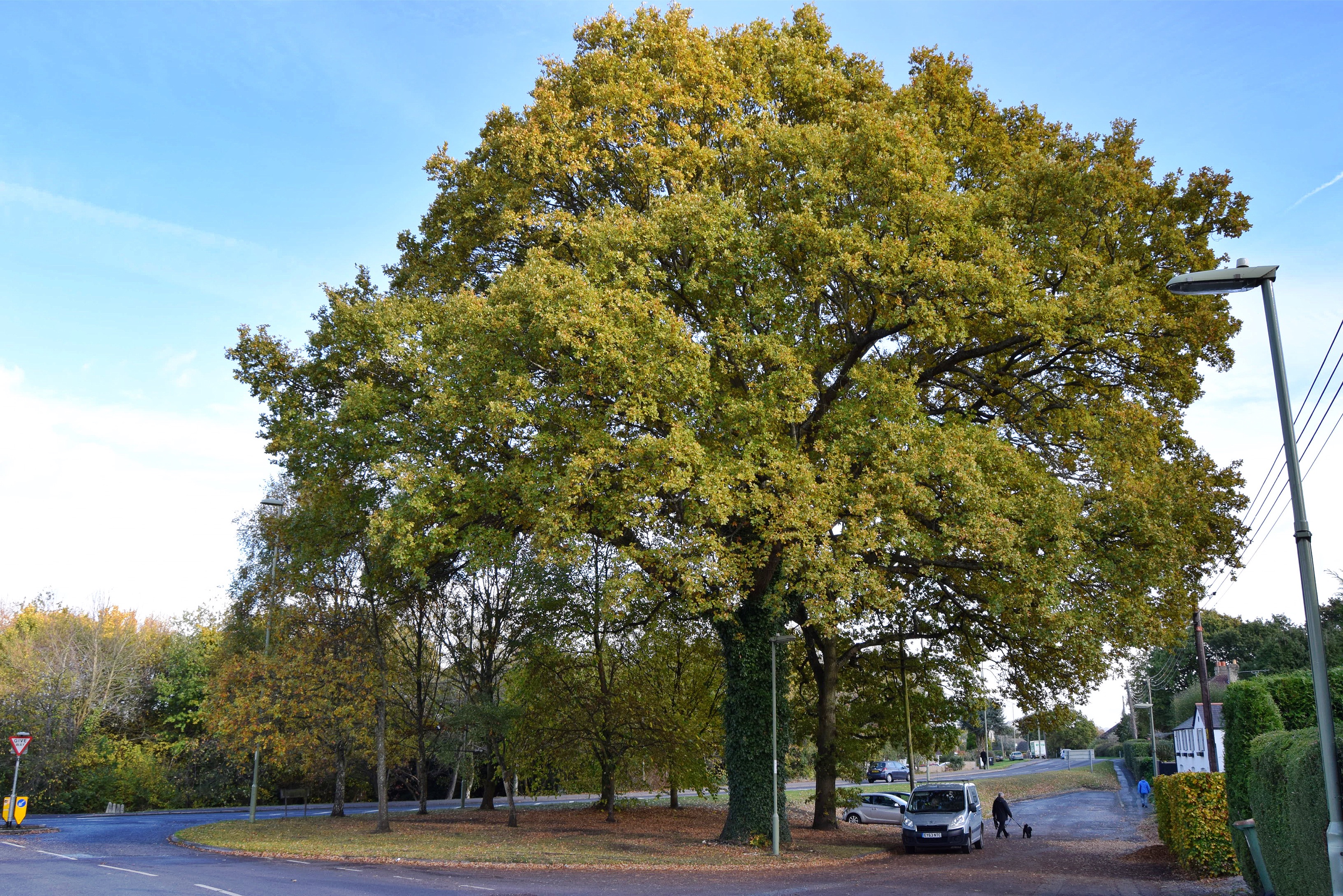
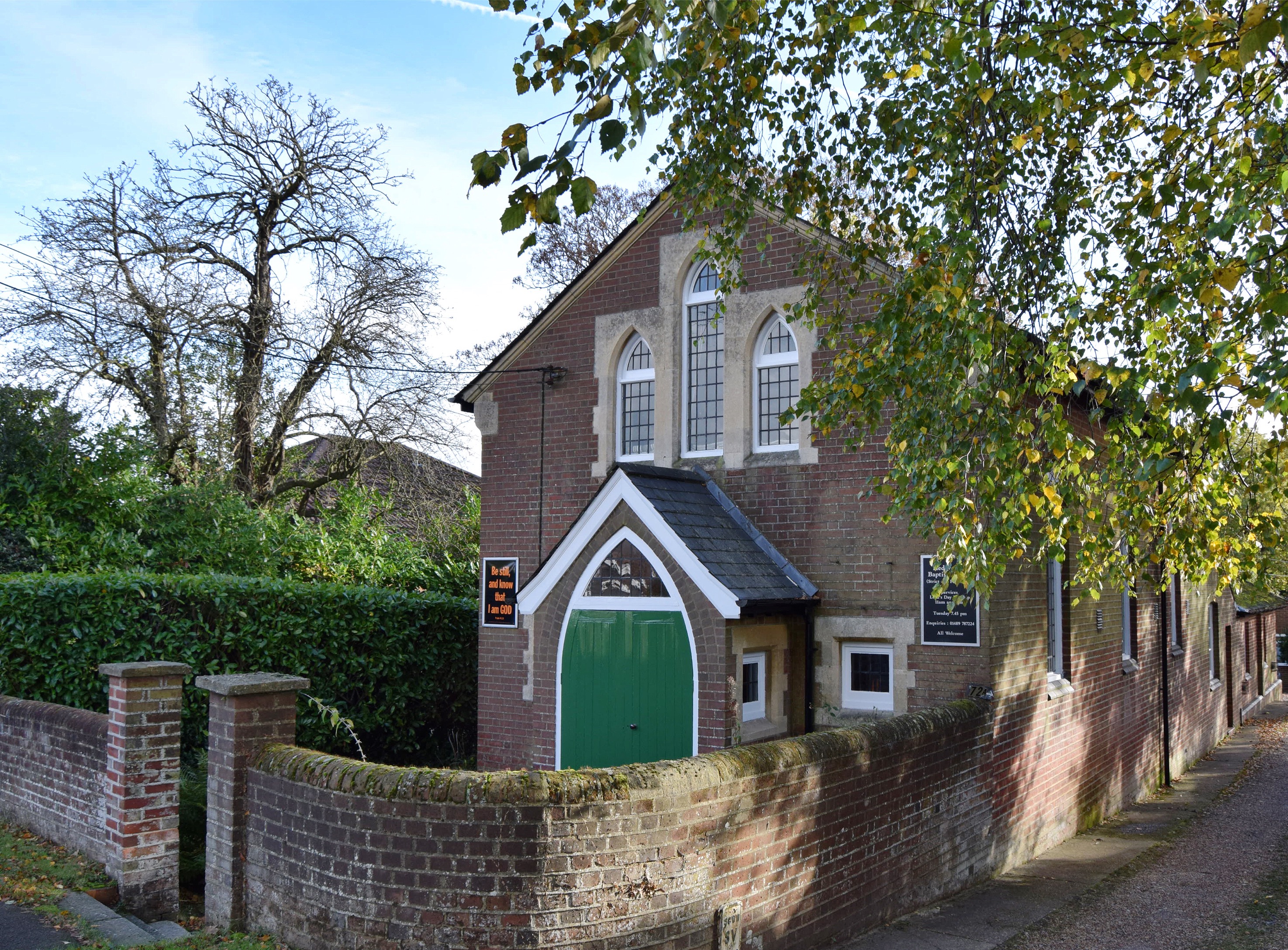
Soon we were passing the big tree that told me we were now on Upper Northam Road. As we passed the pretty little Baptist Chapel I pointed it out to CJ. The chapel has been there since at least the 1860’s according to some old maps I found and belongs to a strict type of Calvinist Baptists called Strict and Particular. It’s a lovely old building that speaks of gentler times.
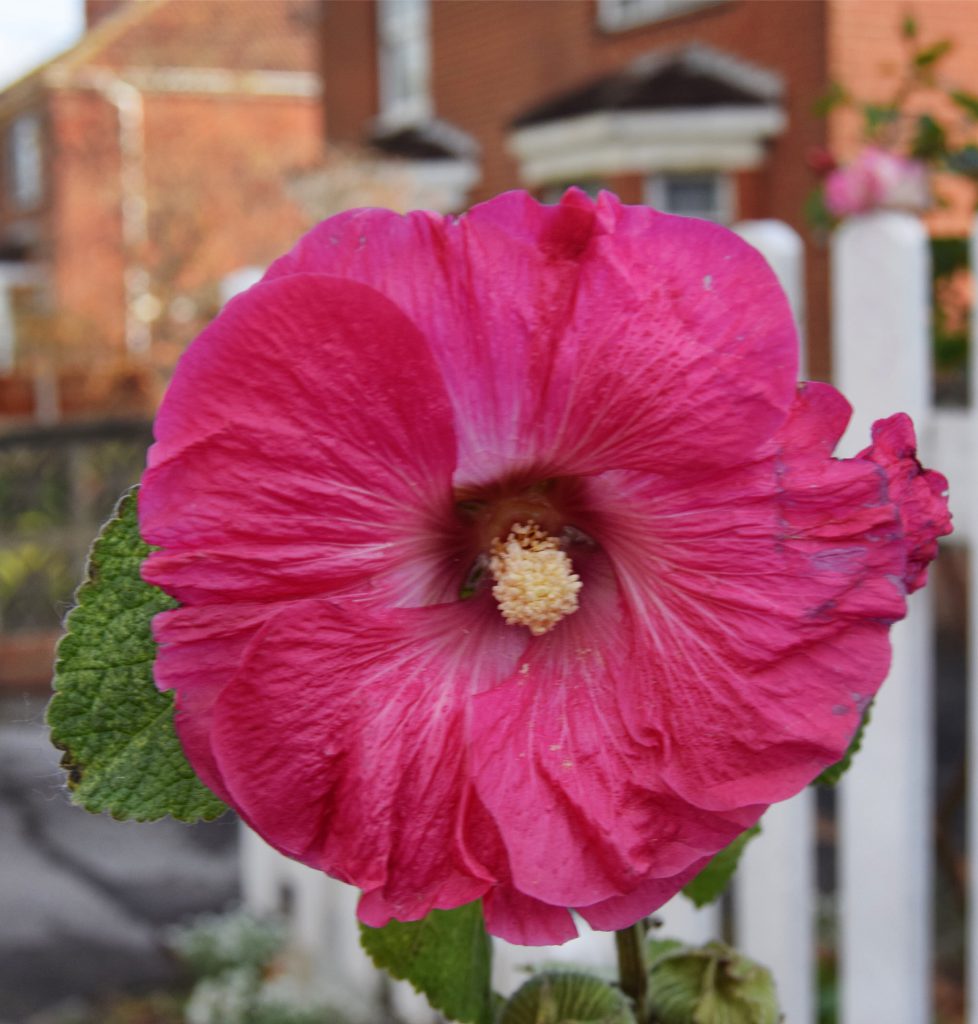
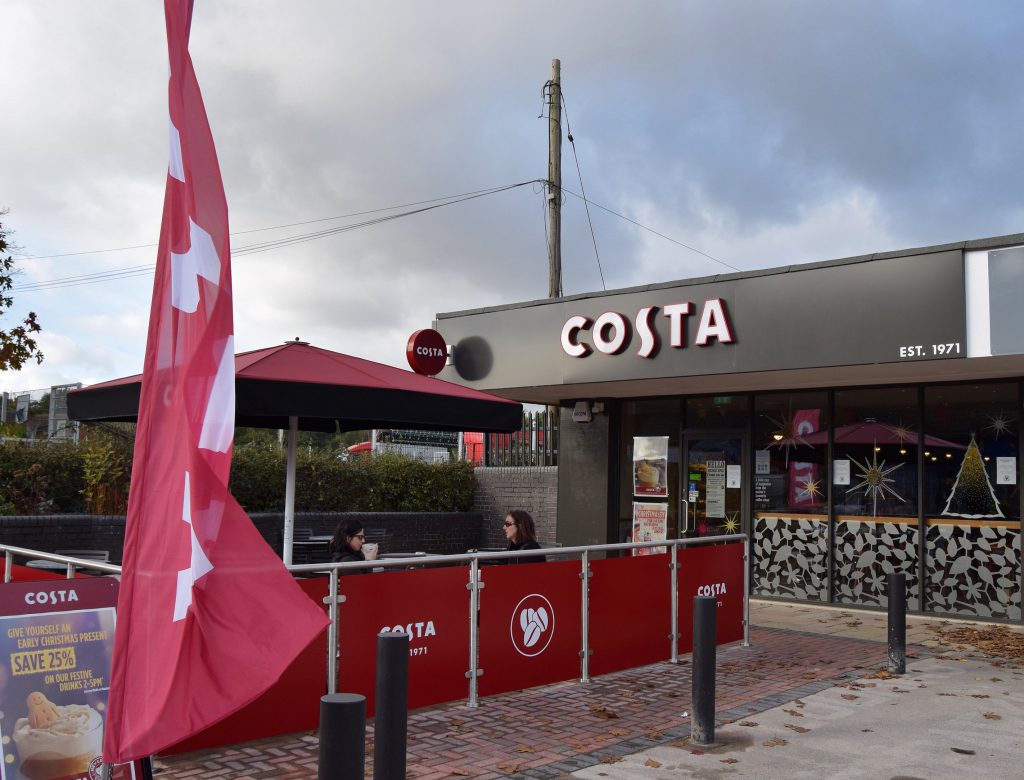
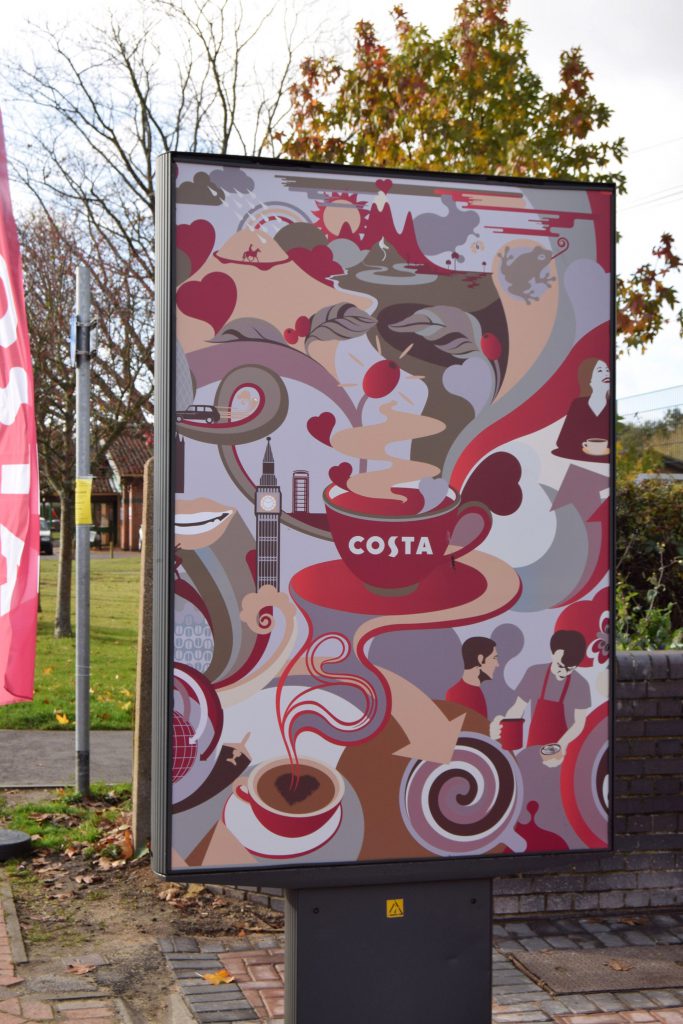
Our next stop was to photograph an out of season hollyhock hanging over a garden fence. Then, joy of joys, we discovered a Costa has opened in the village. Of course we had to go and sample their take away wares. CJ was particularly enamoured with the large and colourful sign outside so I stoooed to take a photo before we moved on.
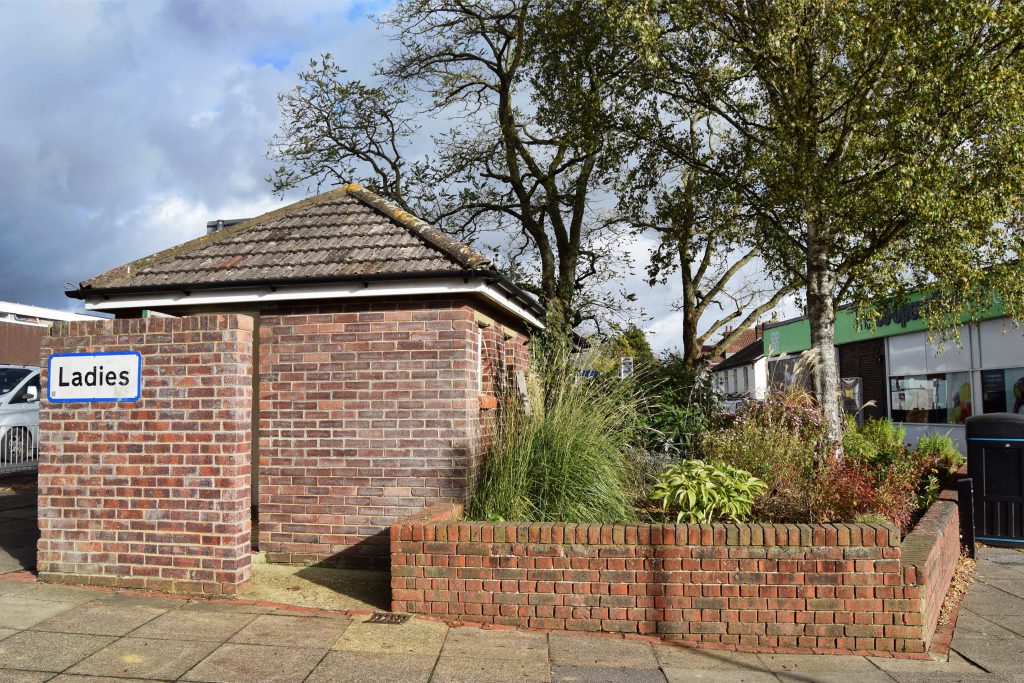
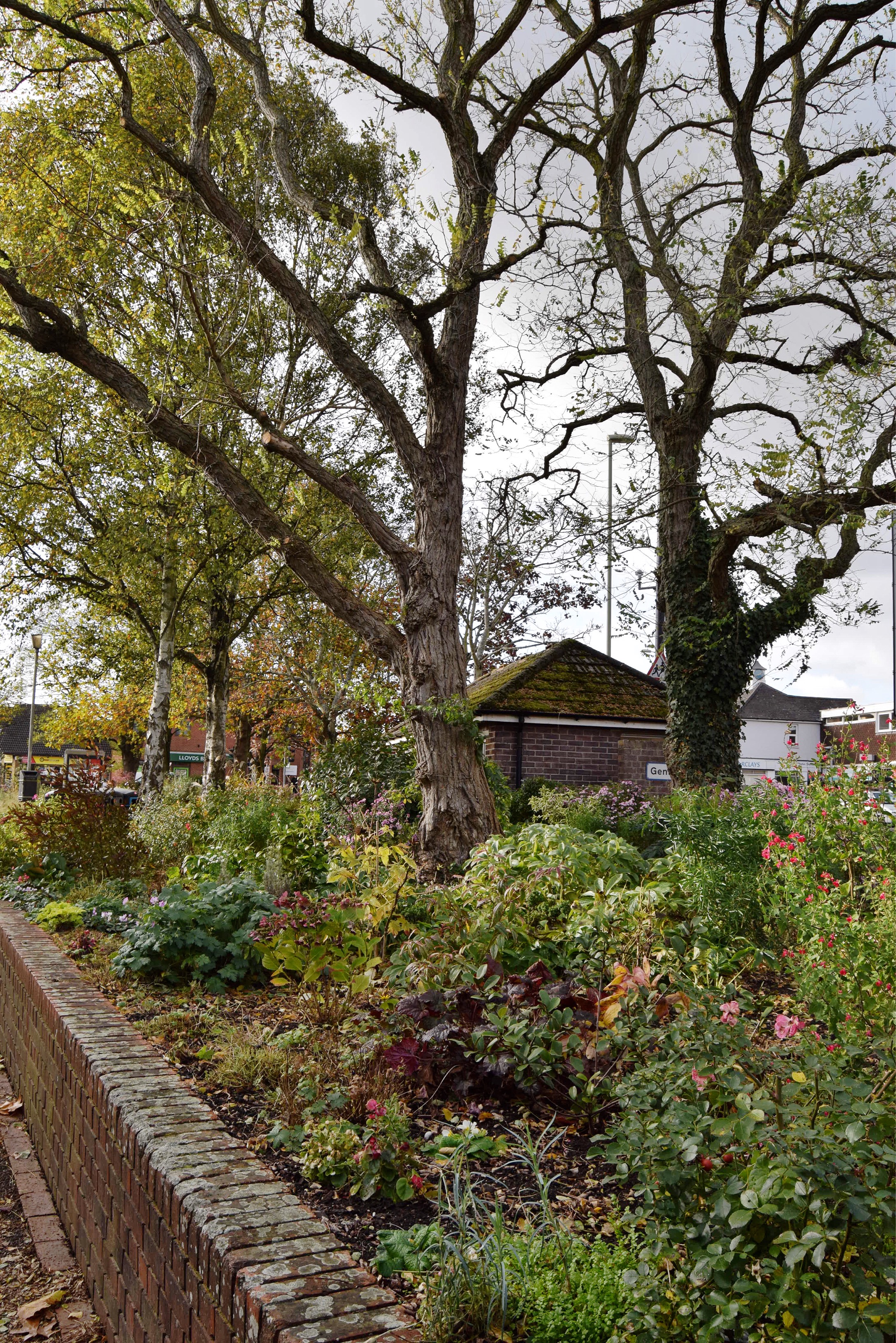
Soon we’d reached the centre of Hedge End village and the prettiest loos in Hampshire, possibly the world. The little brick building with its tiled roof is nice enough and the loos inside are clean, if not particularly swish, but the thing that lifts it out of the ordinary as far as public conveniences go is the garden. Not many public toilets can boast a garden after all. Of course, to see it at its best you have to visit in spring or summer but even now the well planted little garden is a lovely sight.
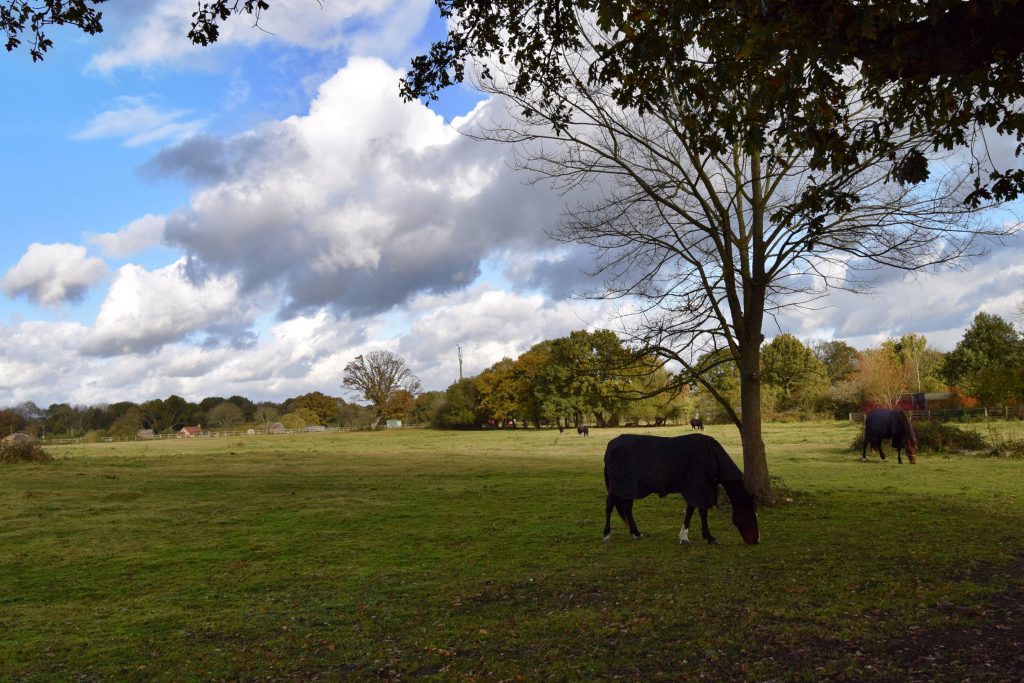
Refreshed by coffee, impressed and relieved by the loos, we carried on to Broad Oak where there was another stop to look at the horses in the large field. CJ tried to attract their attention and call them to the fence but they were having none of it and ignored him.
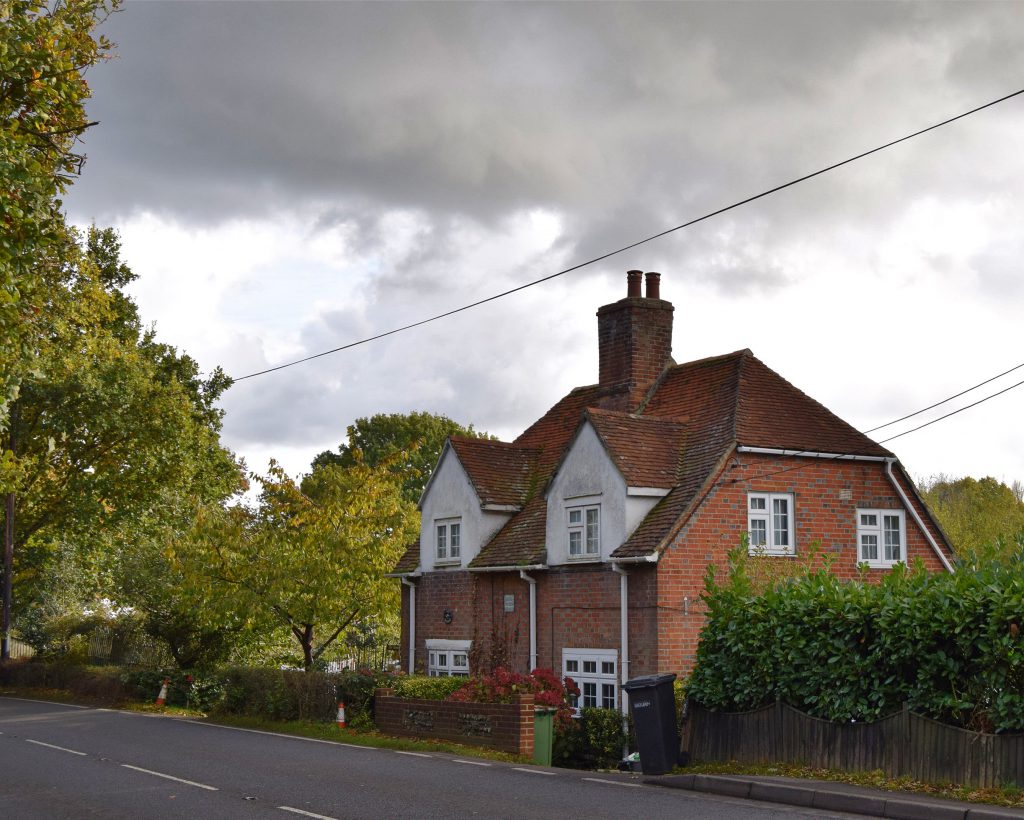
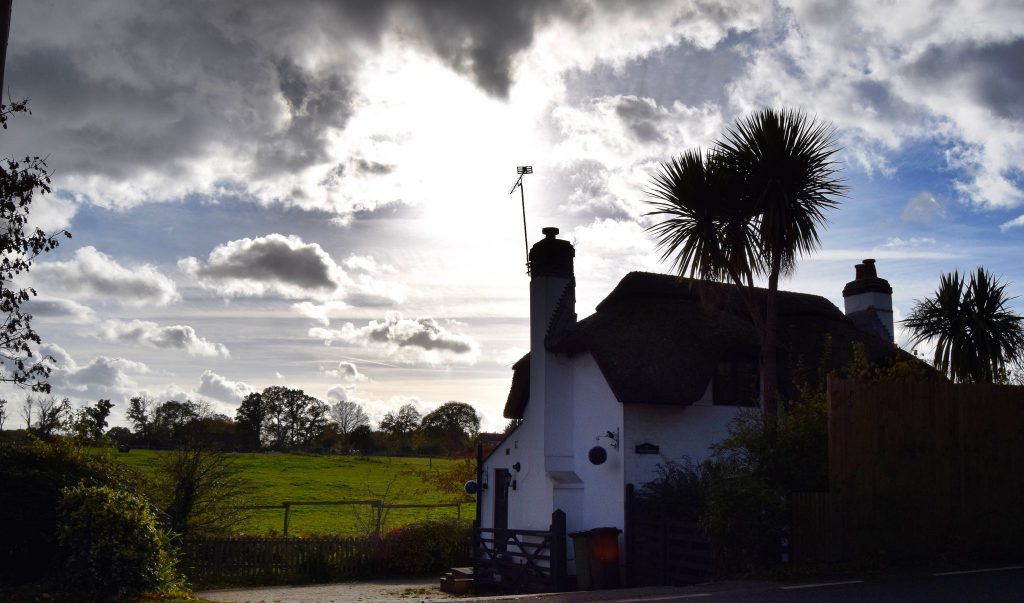
Along Broadoak there was the usual house envy as we passed all the lovely little cottages and thatches. With acres of land behind it seems a shame the buildings are crowded so close to the busy road but I suppose, when they were built, it’s wasn’t busy at all.
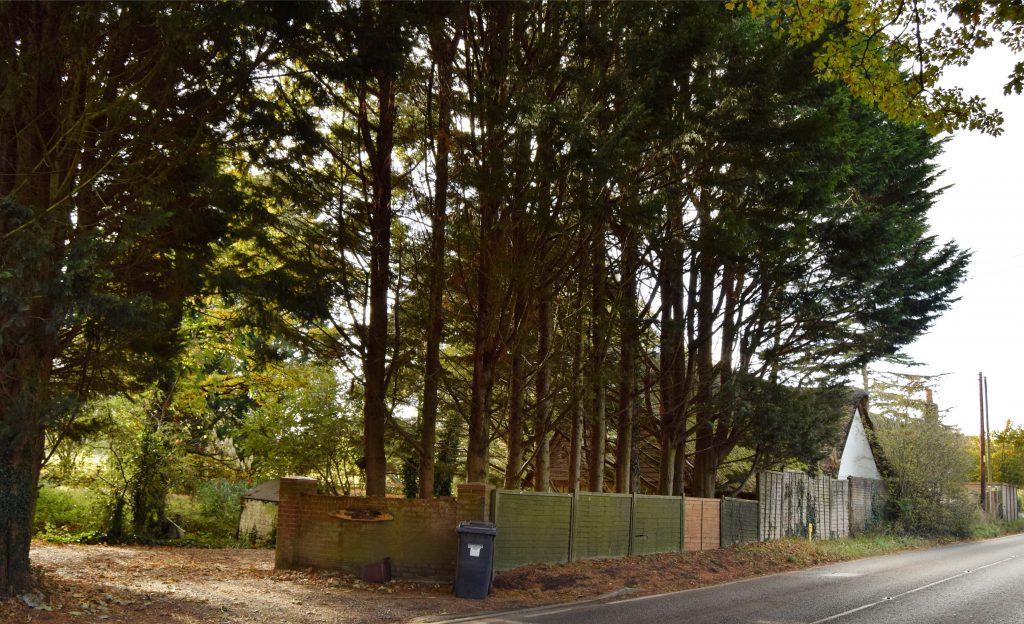
In no time at all we’d crossed the bridge over the little brook, unnamed as far as I can tell, and the signs for Botley were ahead. The village of Botley had been the first stop on my planned walk but, as we’d left far later than planned, it was now going to be our only stop.
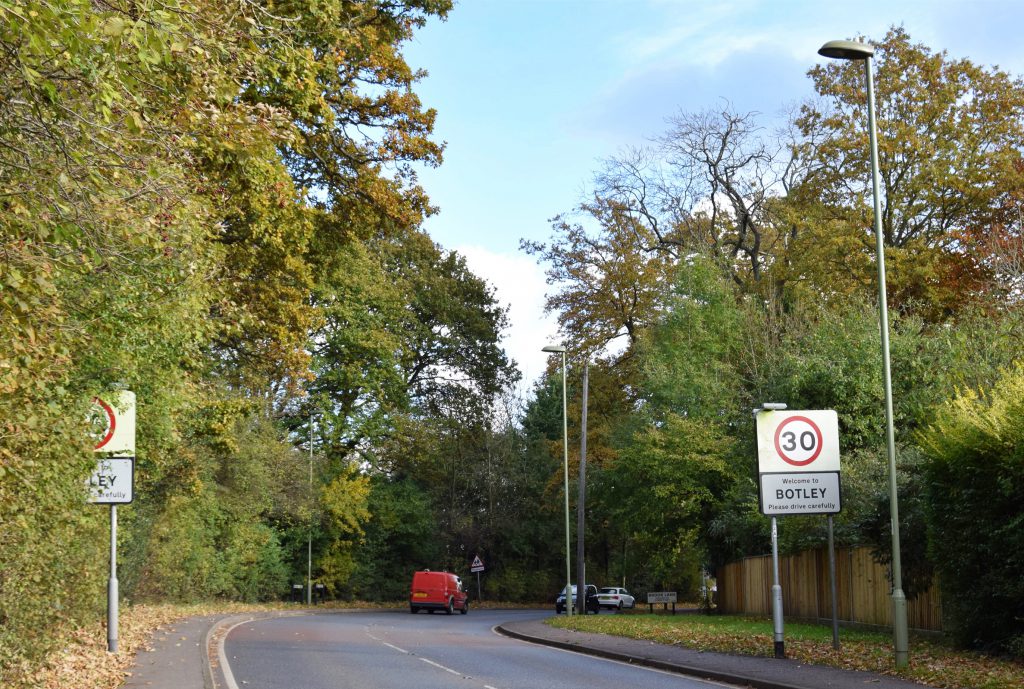
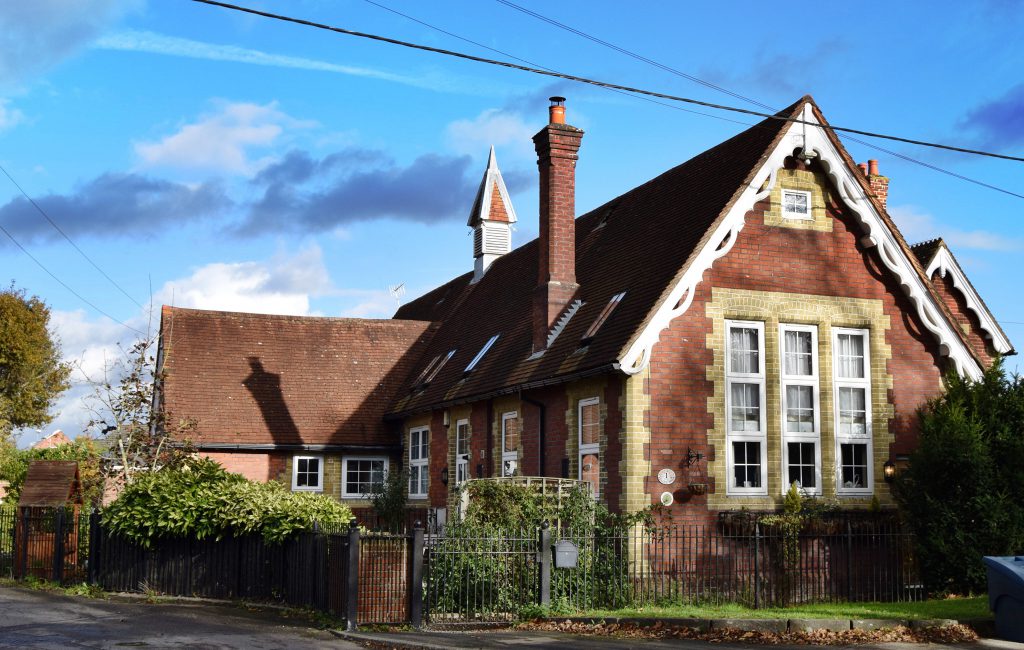
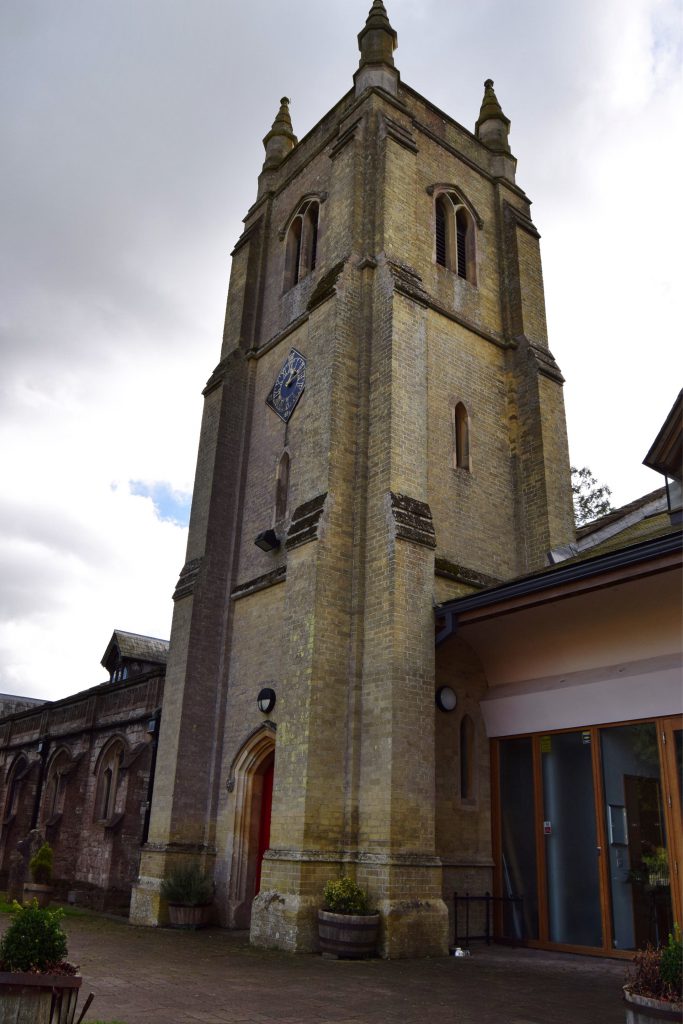
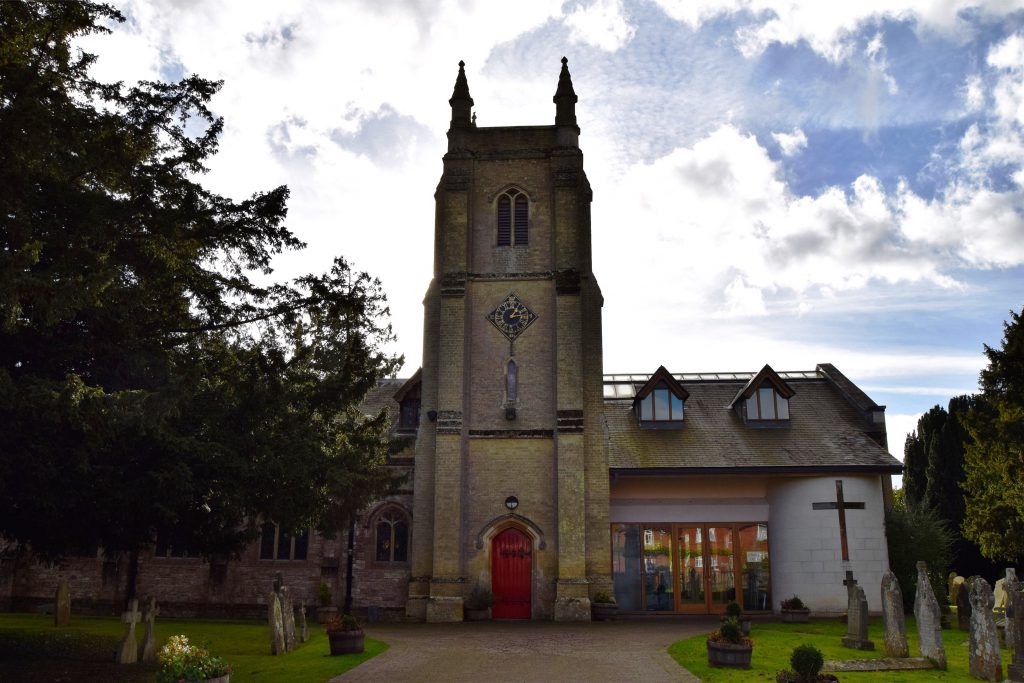
Botley has the feel of times past about it, if you can close your eyes to the hectic stream of traffic constantly passing through. Once you pass the modern hosing estate on the outskirts the buildings take on a distinctly cottagey feel, each different to its neighbour and mostly unchanged for centuries. Opposite the church that would be our final stop I pointed out the old school house. Built in 1855, it’s a beautiful old building. The carved fascia around the eves reminds me of a gingerbread house. These days the school is next door in a modern building and the original school house has been turned into apartments, the name L’Ecole Walk is the only reminder of its previous life.
Turning to the church, All Saints, we stopped for a moment to look at the war memorial remembering the thirty three Botley men who died during the First World War. With Armistice day just two days away it seemed a fitting place to stand for a moment in quiet contemplation and it was nice to see the row of poppies showing their sacrifice has not been forgotten.
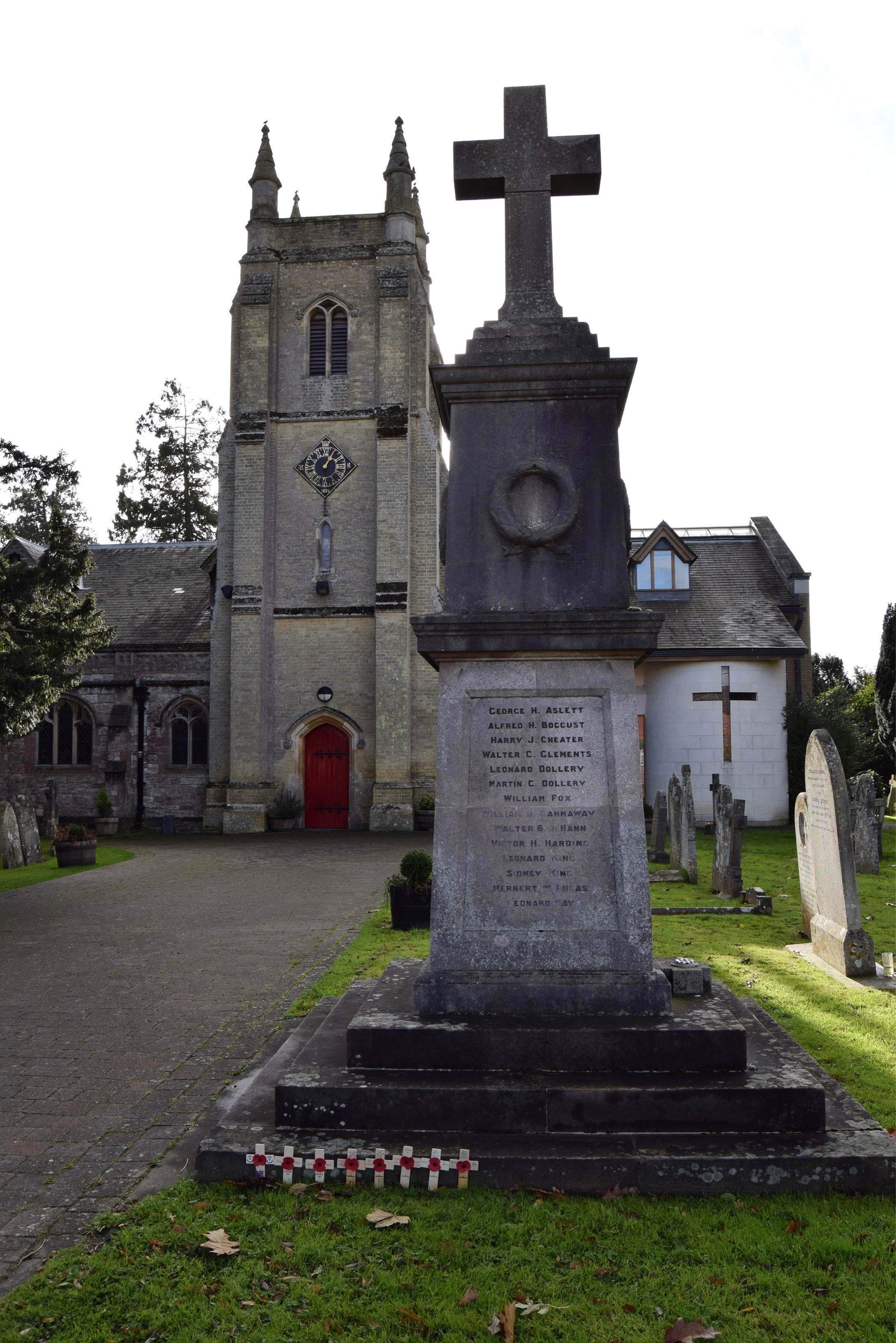
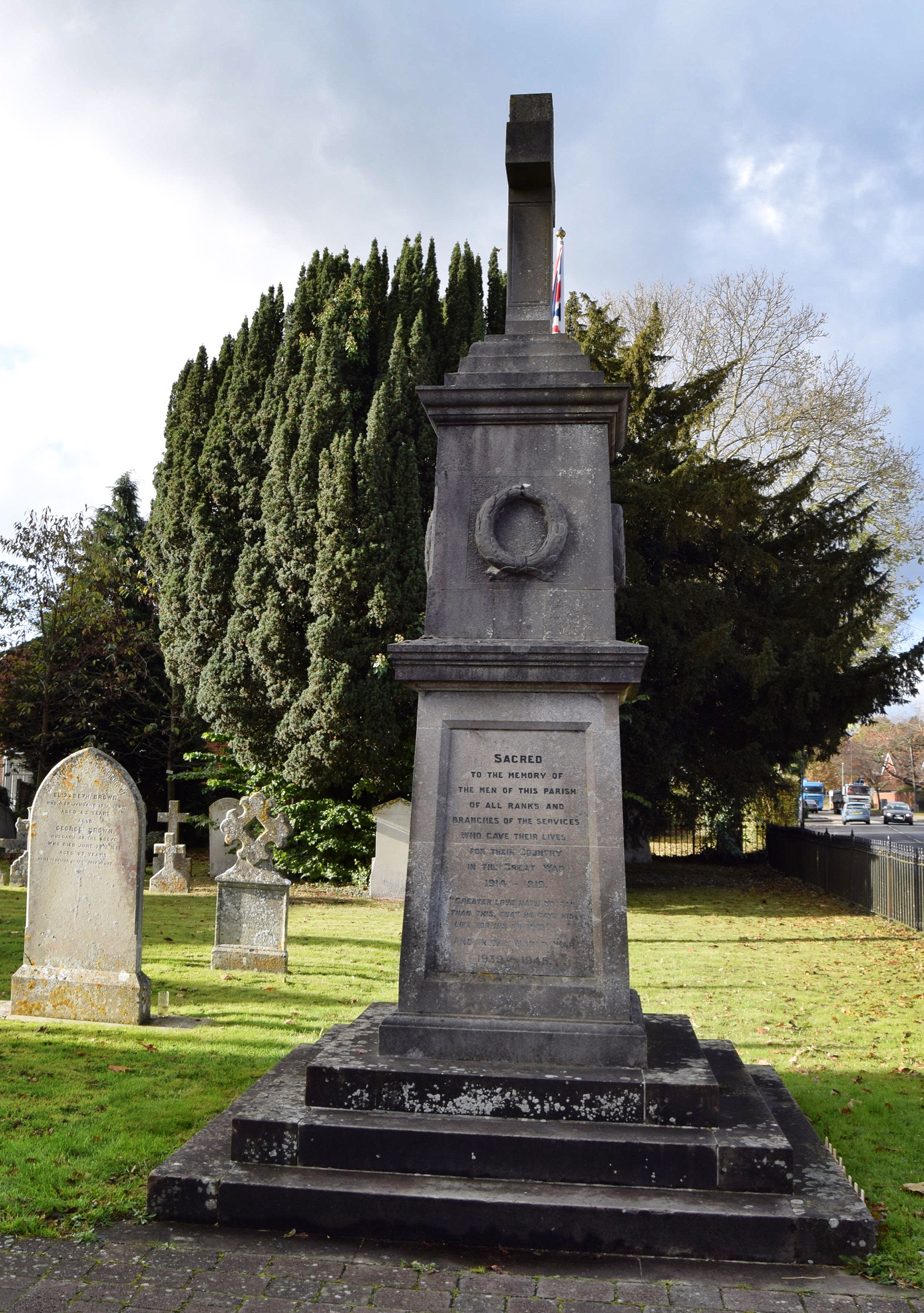
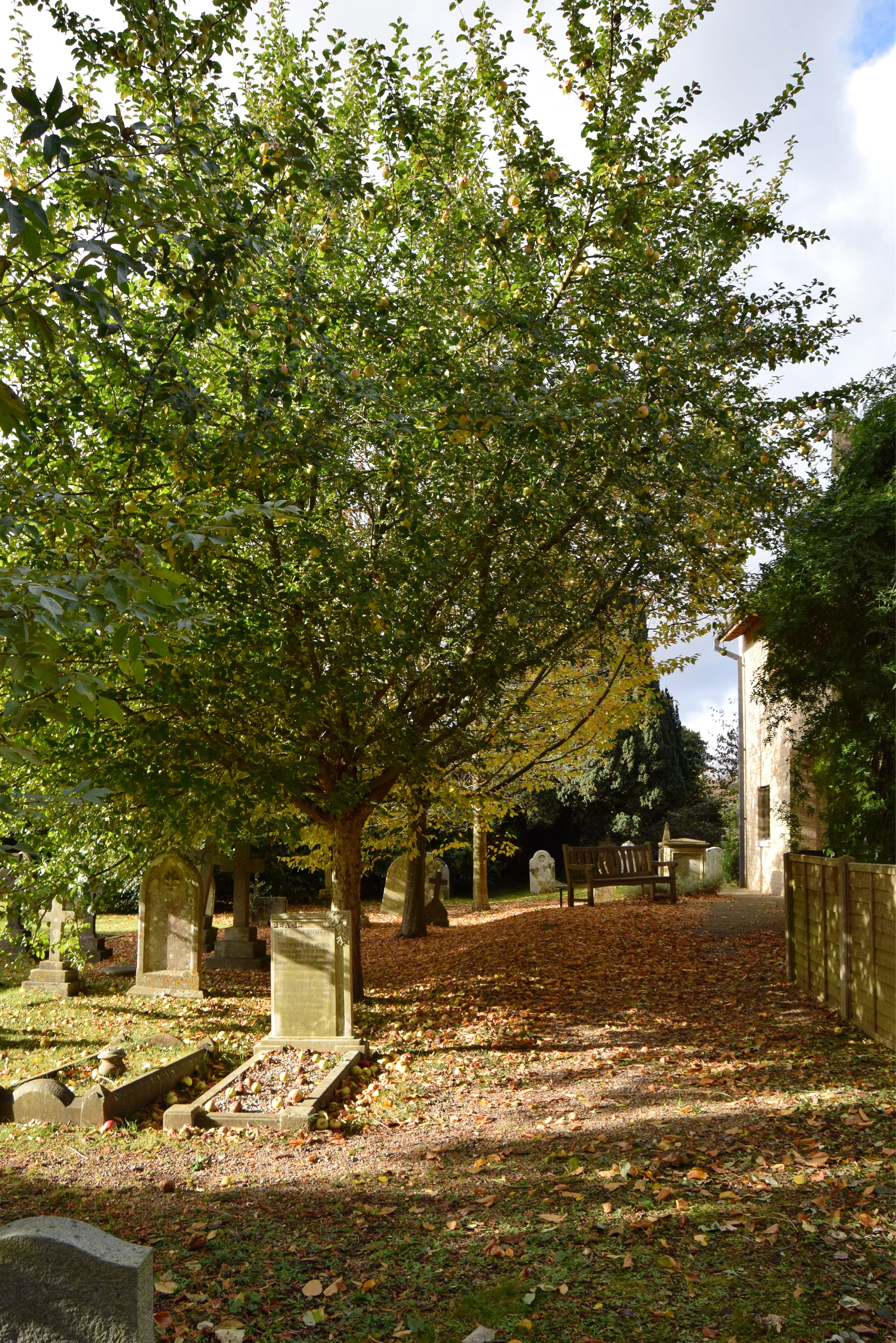
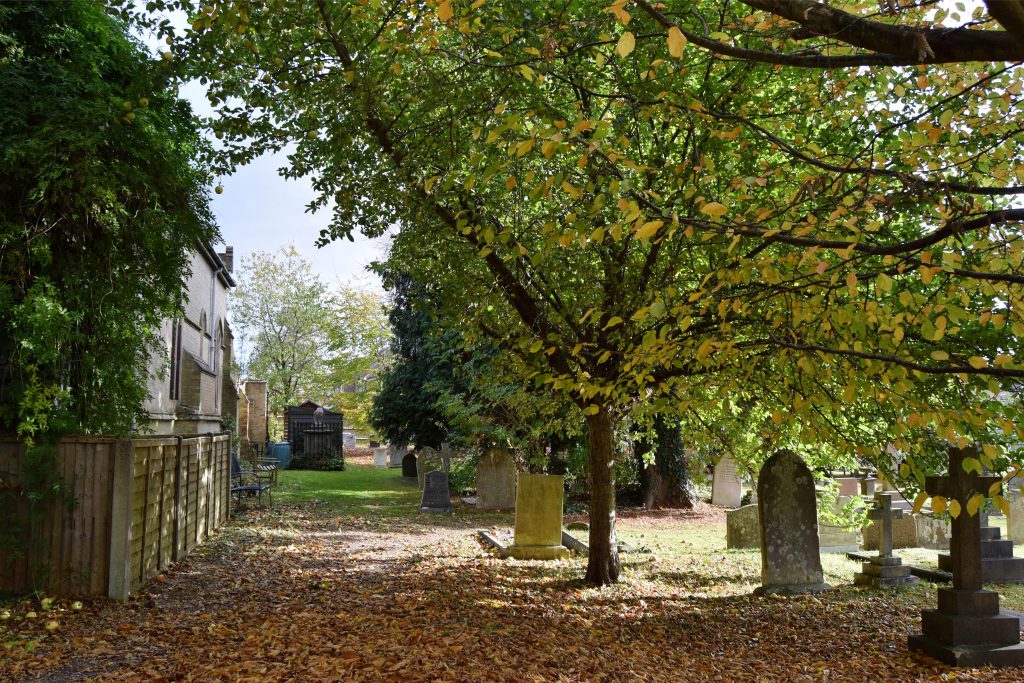
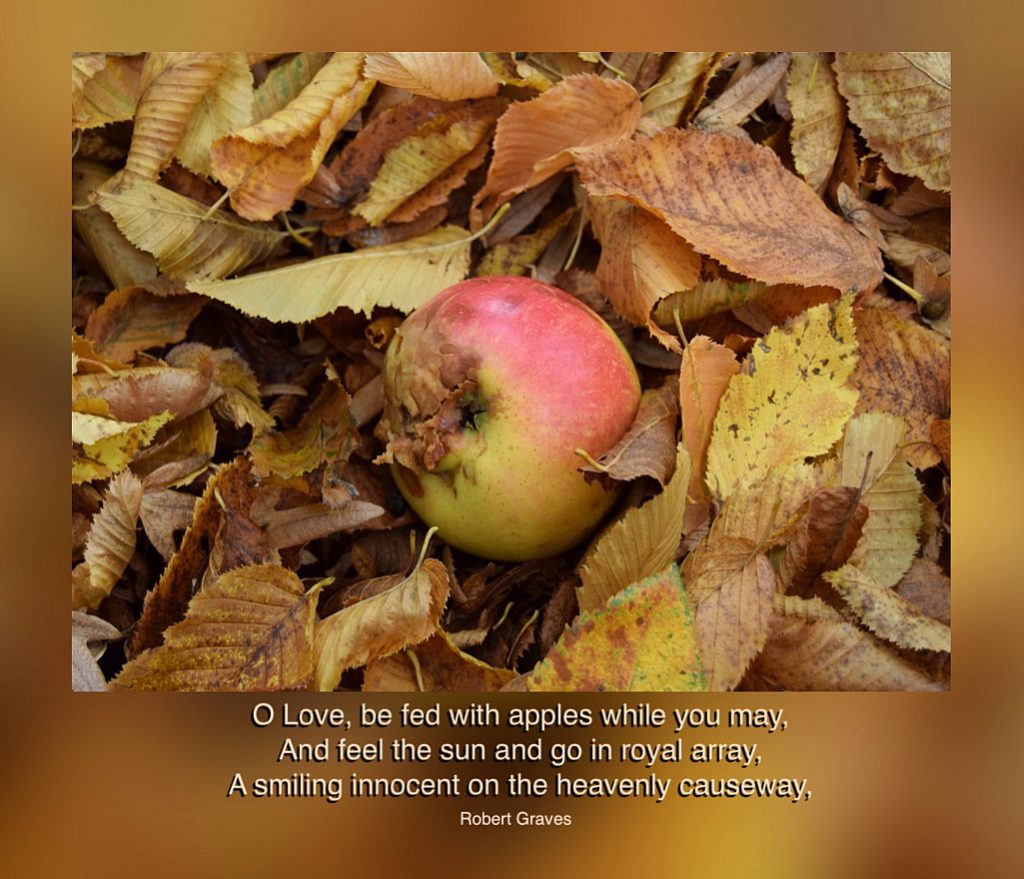
We then walked round to the back of the church where there was something I wanted to show CJ. As soon as we turned the corner the air was filled with the sweet cider like scent of apples. This graveyard is shaded, not by the usual yew trees, but with apple trees. At this time of year the ground around the graves and even the graves themselves are strewn will fallen apples
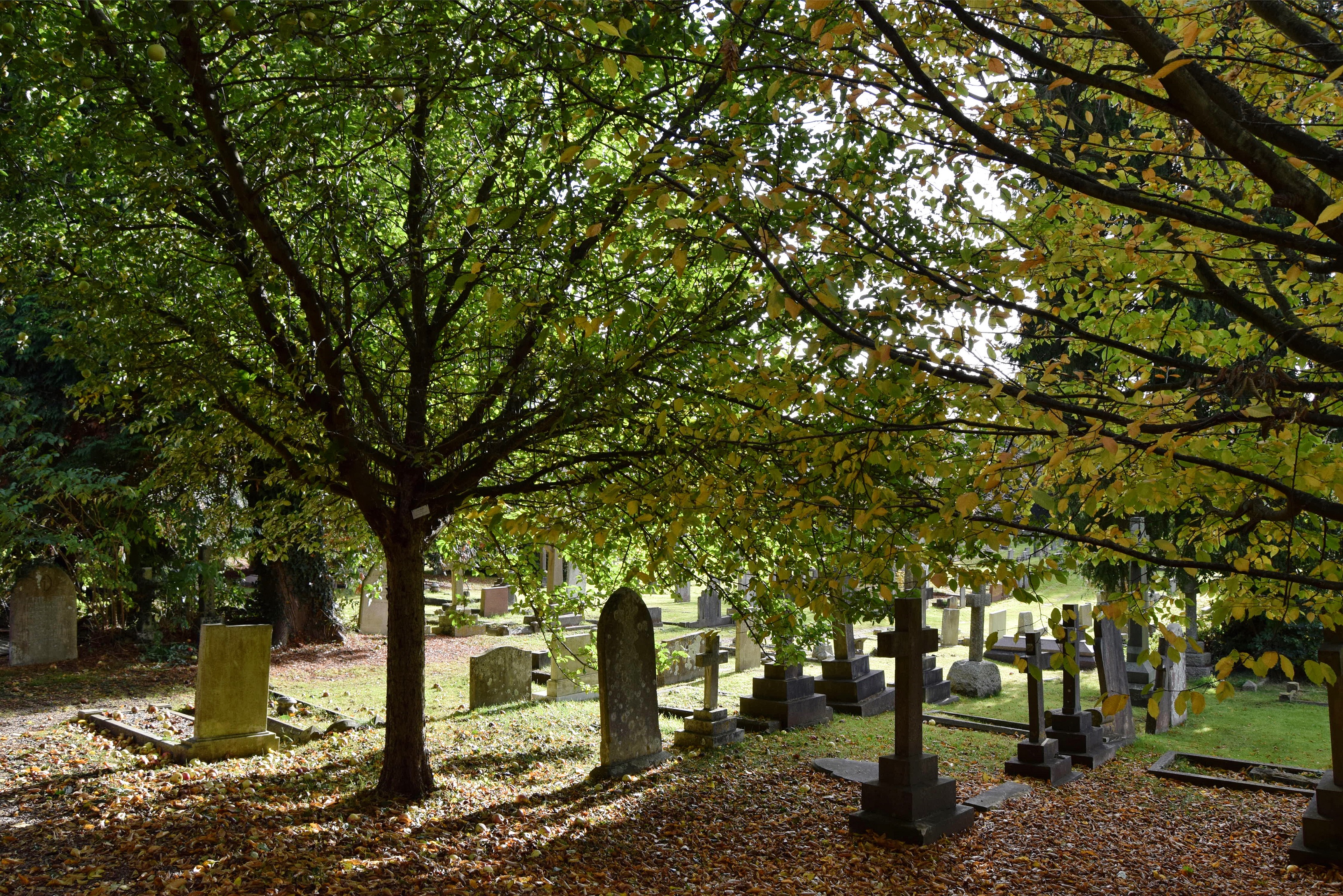
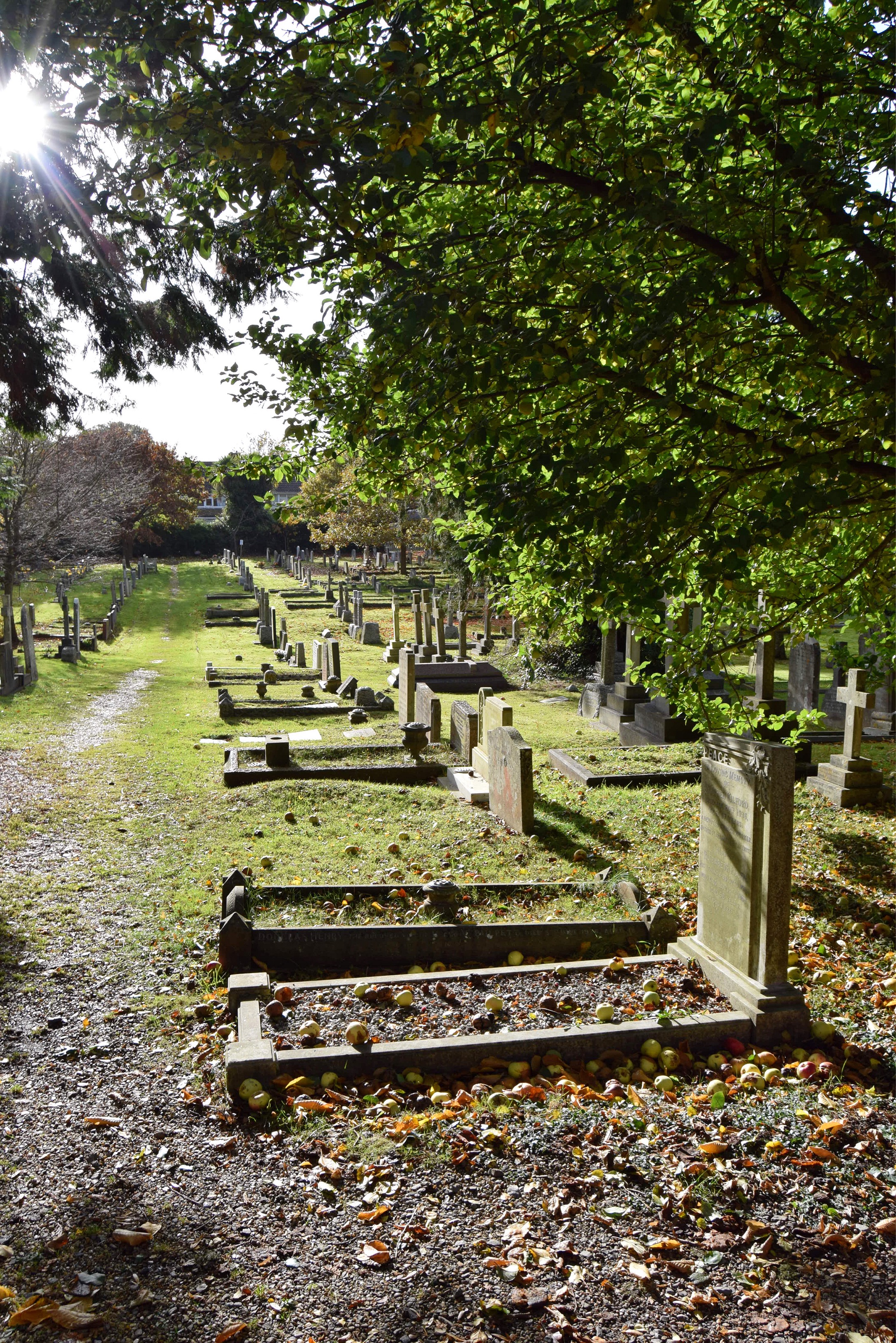
“It seems a shame for all those apples to go to waste,” CJ said as we strolled between the sweet smelling graves.
“Perhaps no one dares to pick them up because they are in a graveyard,” I said. “It would feel a little like grave robbing. It is sad to see them all going to rot though, even if it does make the place smell wonderful. They look like tasty apples too.”
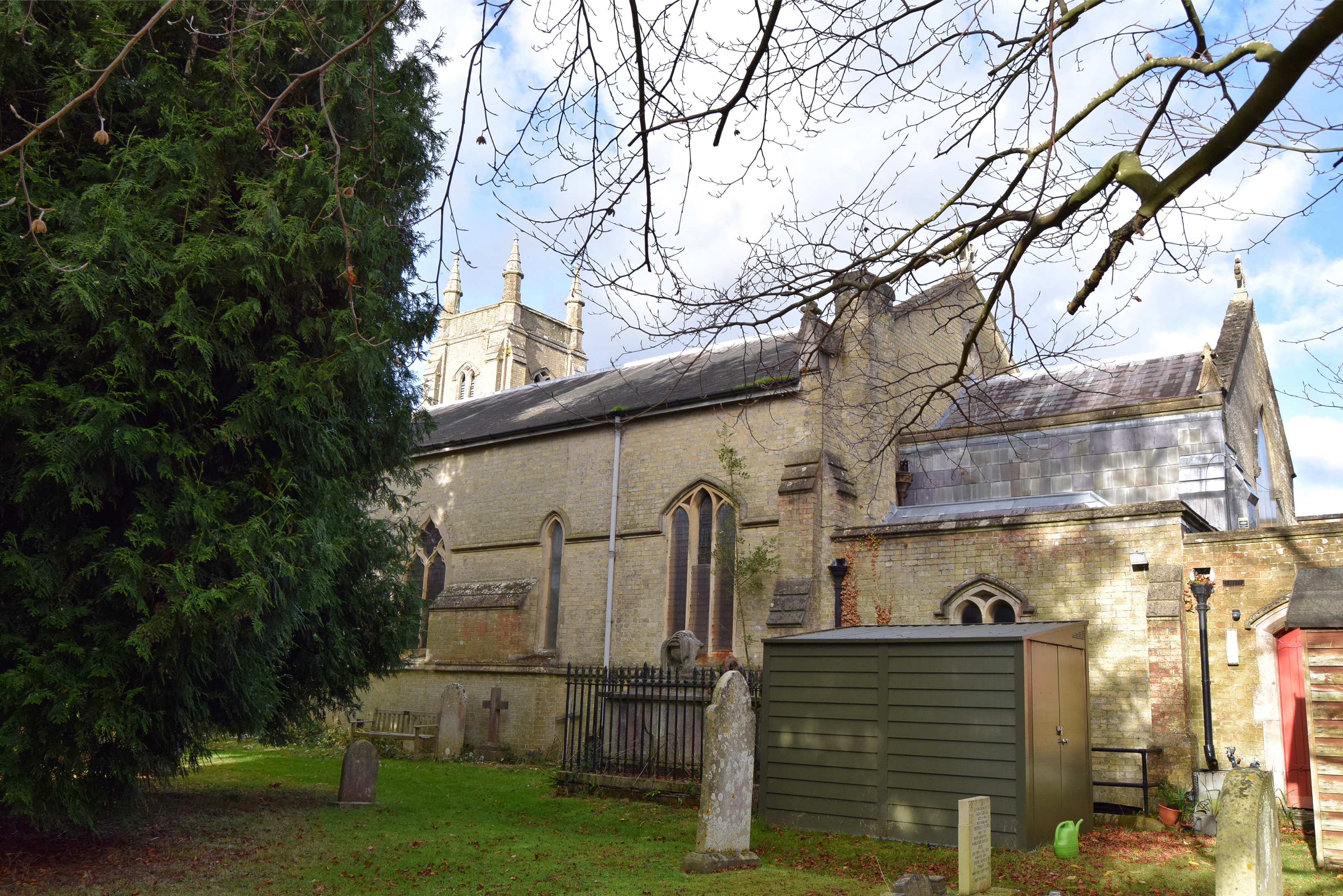
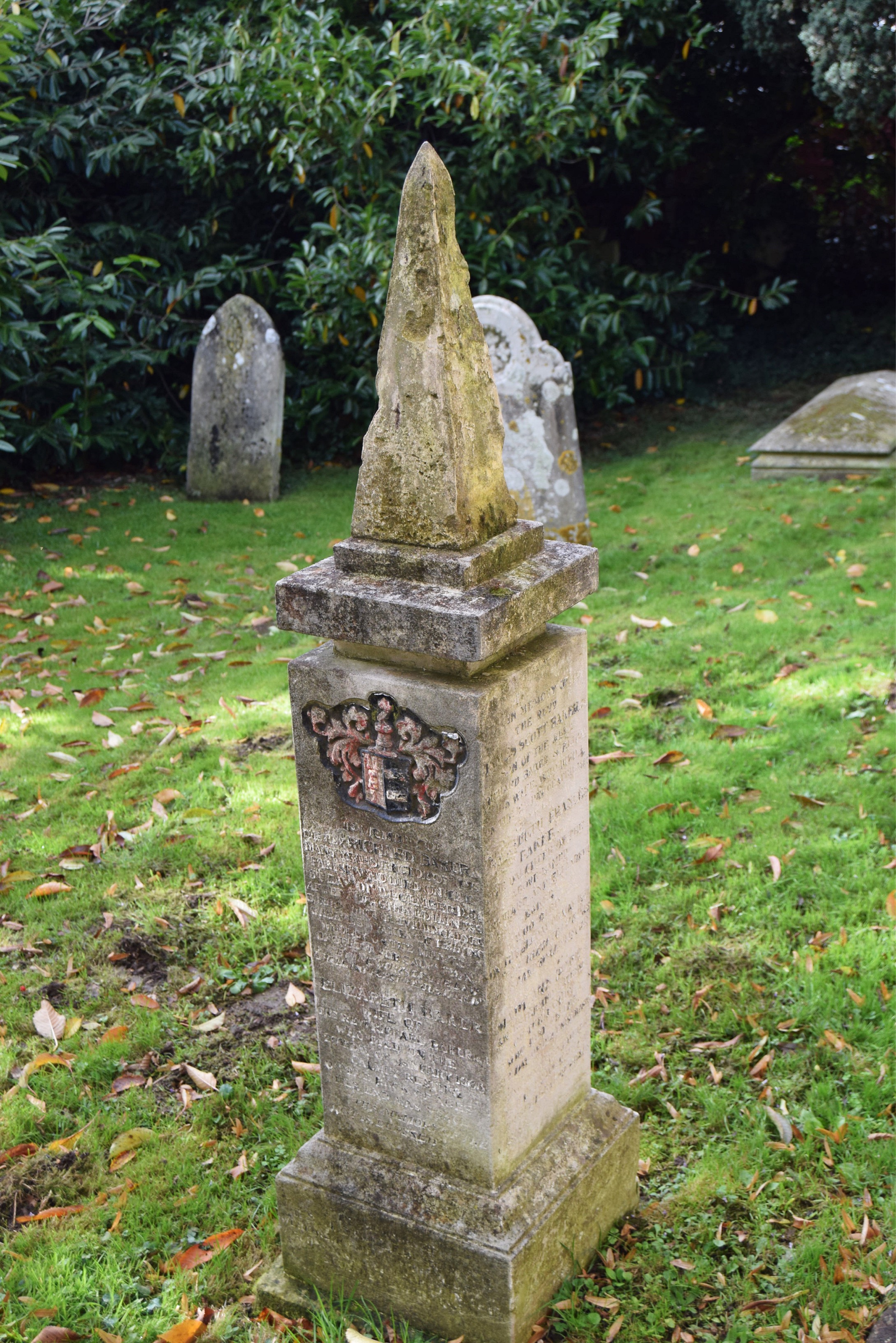
The apples had been my reason for taking CJ around the back of the church but, before we left, I pointed out a very unusual grave I discovered on a previous visit. It is more of a stone column than a headstone but, unusually, it has a coloured crest beneath the pointed finial and lots of badly weathered writing. From the little I could read, it appears to be the family grave of the Reverend Richard Baker, the first rector of the church.
Back at the front of the church I showed CJ the diamond shaped, gilded Clock on the front of the towner, this once adorned the stables of William Cobbett, the writer, MP and radical farmer who once lived in the village. Cobbett was intent on ending the poverty of farm labourers by reforming Parliament, abolishing the rotten boroughs and abolishing the Corn Laws. He isn’t best known for his book Rural Rides detailing his travels around the countryside. The book is still in print today and gives an interesting historical perspective in the countryside, the people and Cobbett’S political views,
There is a wonderful walk, The Cobbett Trail, following a route around the outskirts of the village and taking in some of the places associated with Cobbett. This was the walk I’d planned for the day but it would add several miles to our walk and we didn’t have the time. A few drops of rain were beginning to fall and it was time to turn for home.
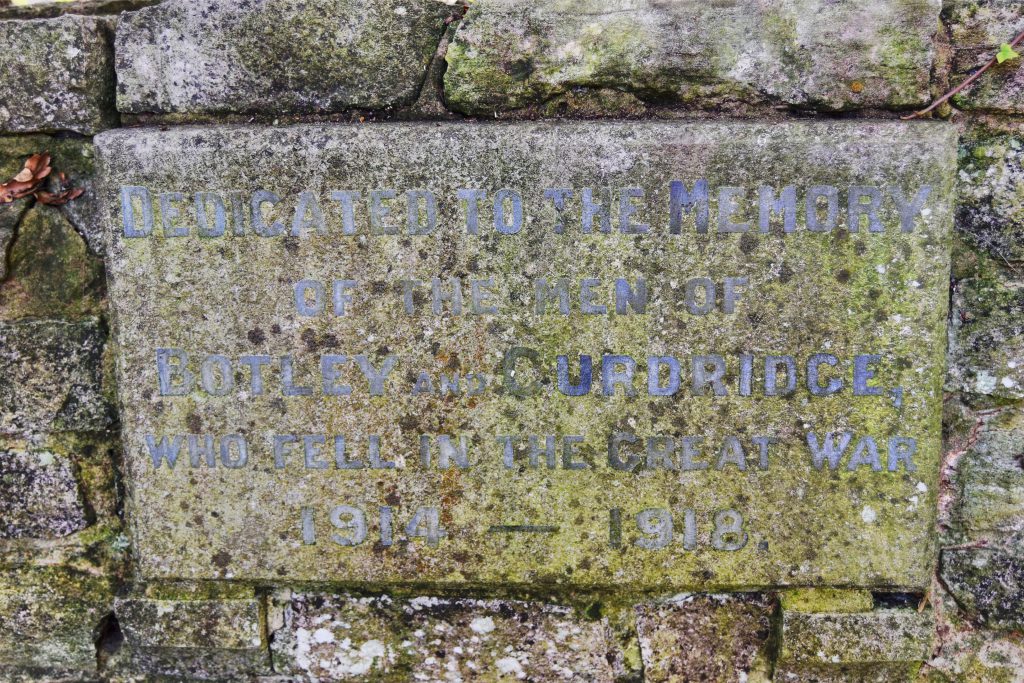
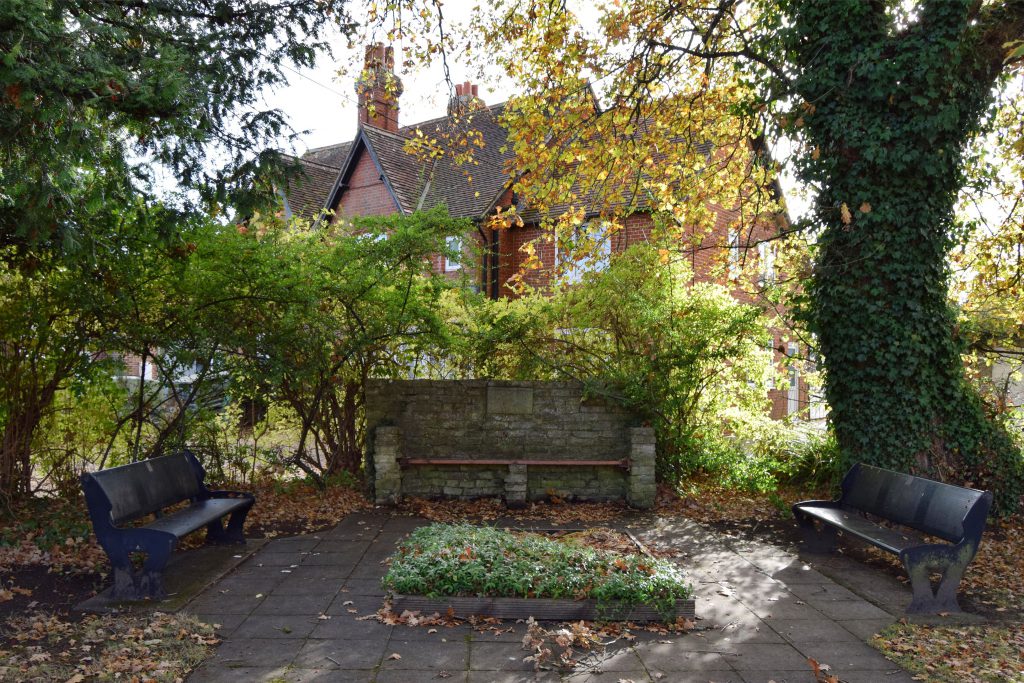
There was one more surprise as we headed out of the village. It far from the church I spotted something half hidden amongst the trees lining the road. At first it looked like a little garden with a pair of benches facing each other across a small raised bed, behind this was a stone will with a small plaque. Curious, I went for a closer look and discovered another World War I memorial, this one dedicated to the men of Botley and Curdridge. Somehow I must have passed it many times without noticing.
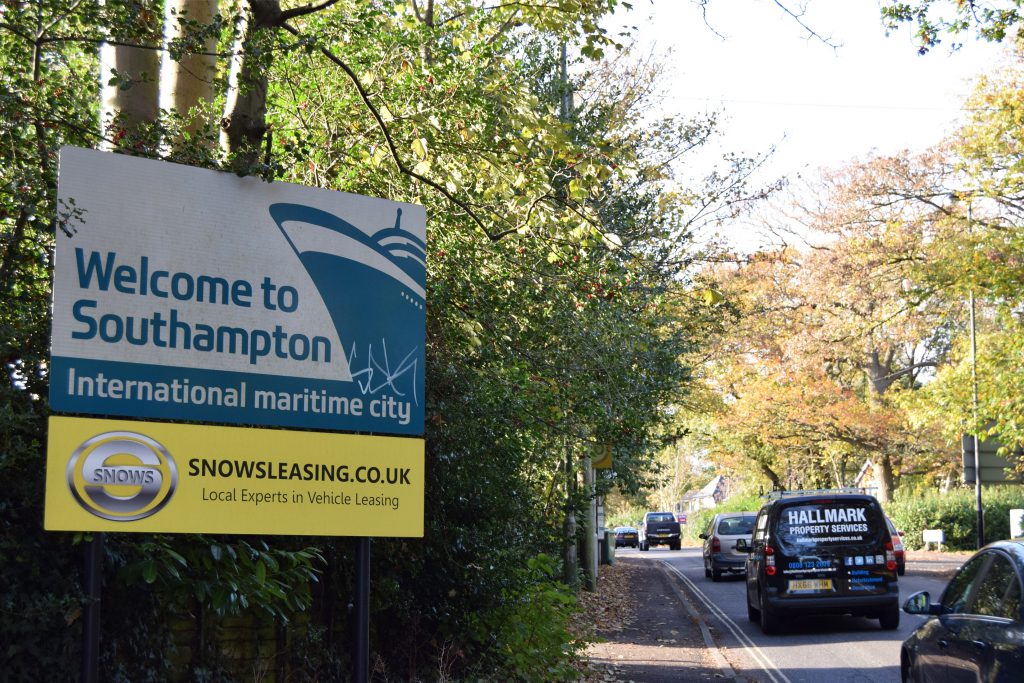
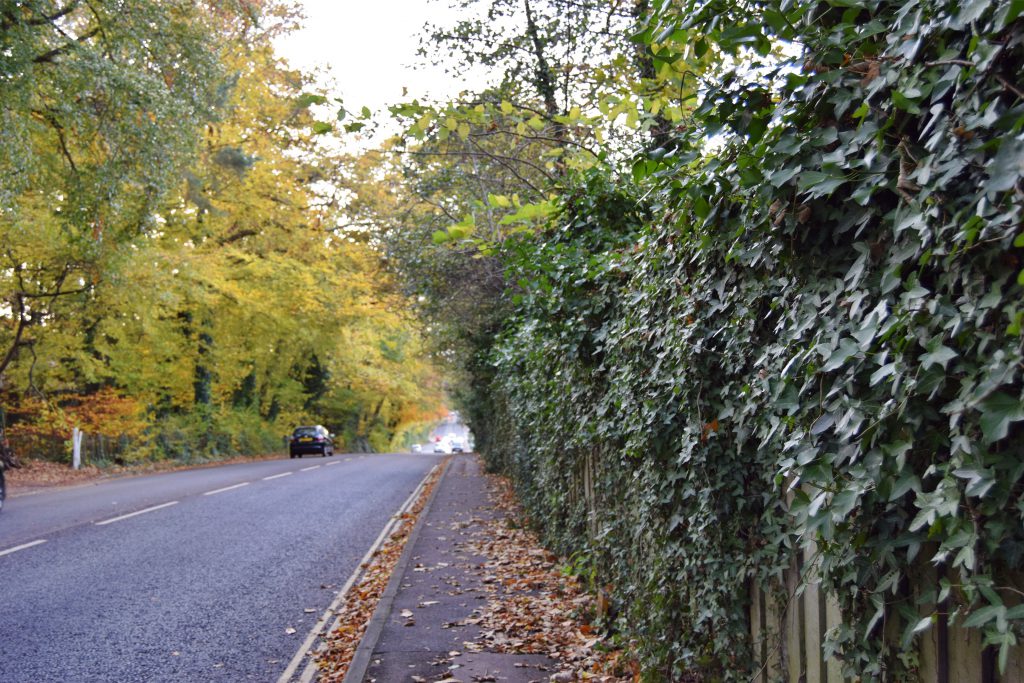
After that it was a matter of retracing our steps towards Kane’s Hill. Thankfully, the rain came to nothing and, before too long we were back in Southampton with just the roller coaster hills between us and home. We may not have had the walk I’d planned, but it had been a pleasant enough morning and the Cobbett trail can wait for another day.
Please see my copyright information before you copy or use any of the above words or pictures.
Goodness me, that was a long walk.
It would have been longer if we’d started earlier
I love the smell of ripe apples. I’m really surprised that at least the neighborhood kids don’t eat them. Or maybe they do and there are just too many to eat them all.
The obelisk on top of that gravestone is interesting and it wouldn’t be surprised if its made of a very unusual type of stone. It looks different from any of the others.
I wonder why the vicar doesn’t eat the apples either? Such a waste. I will have to try to find out more about that stone.
Great article, here is information on the works being carried out in the precinct http://www.discoversouthampton.co.uk/future/transport-projects/bitterne-precinct-improvements
Thanks for that. I look forward to it all being finished.