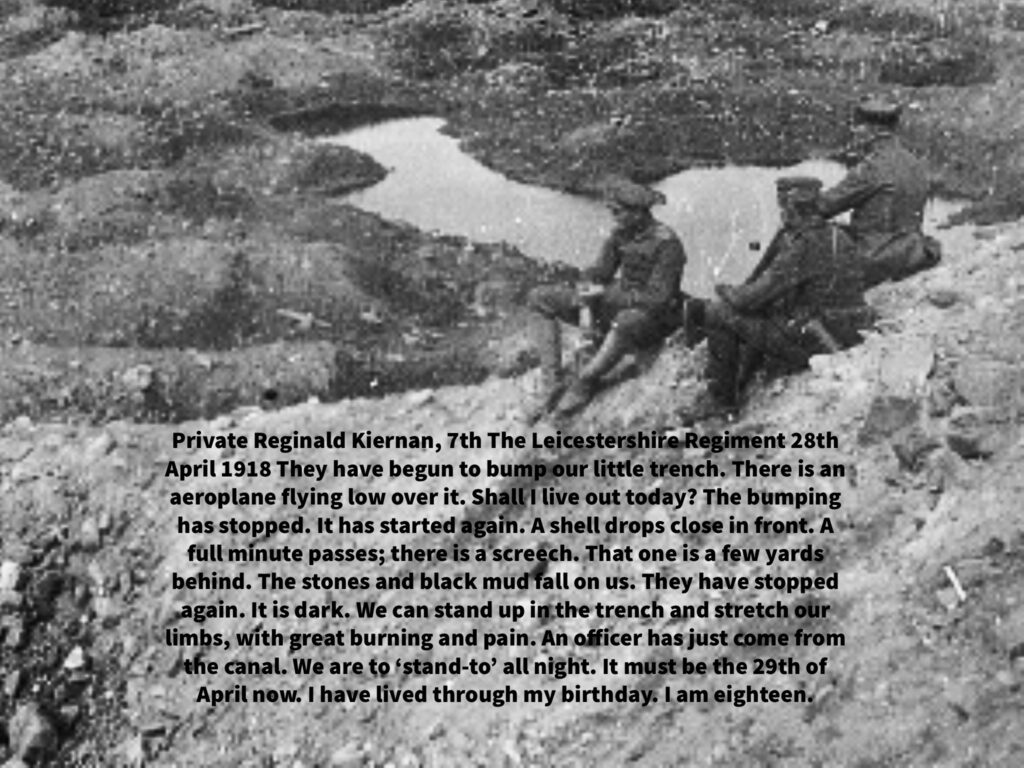
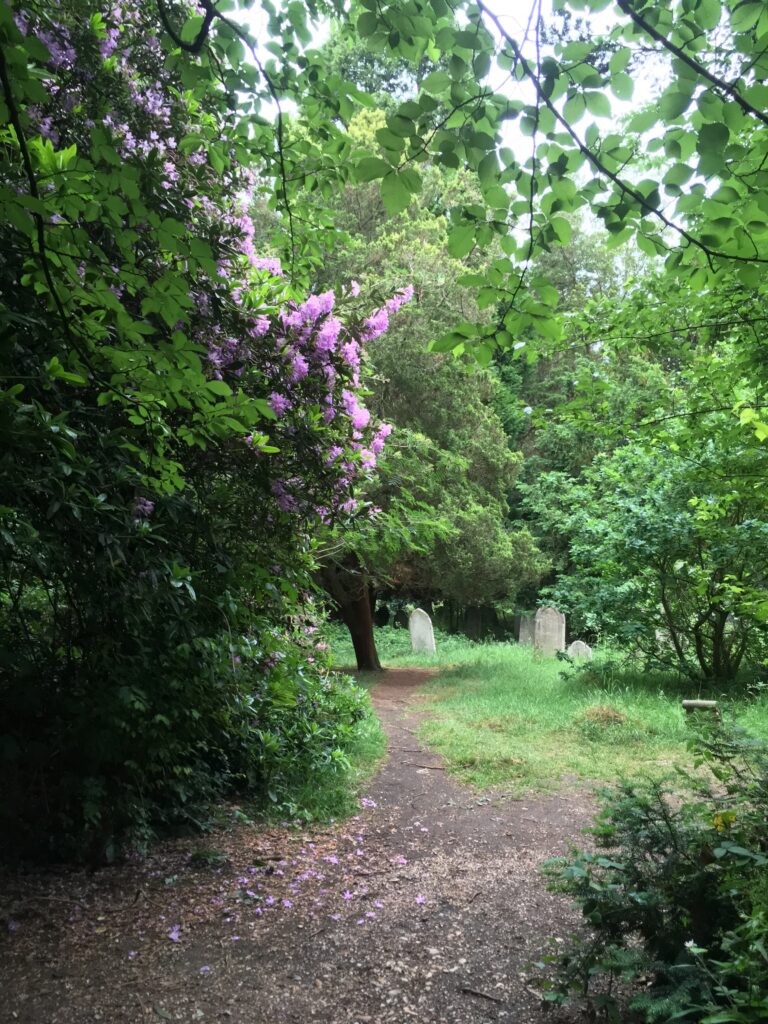
As June 2020 progressed, a modicum of normality began to return to life. The relaxed lockdown rules meant that, on 10 June, Commando’s running club could train together for the first time since March. At least some of them could, the sessions were by appointment only and groups were limited to five, plus a run leader. For me, this meant a nice walk in the Old Cemetery while they trained, after taking a socially distanced photograph of Commando’s group of course.
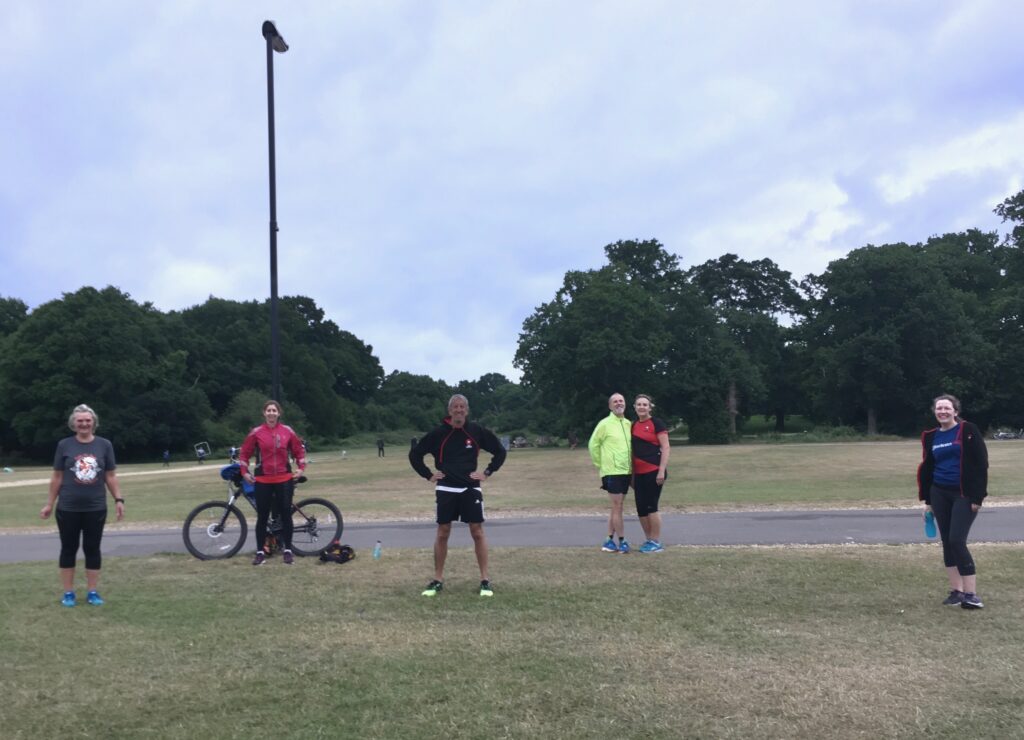
As I wandered amongst the masses of daisies, rhododendrons and graves, I couldn’t help wondering if all this relaxing of restrictions was a touch premature. It was lovely to shout a greeting across the Common to old friends, and all the reports I’d seen suggested infection rates and deaths were coming down. The trouble was, because of all the research I’d been doing, I couldn’t help thinking about the Spanish Flu.
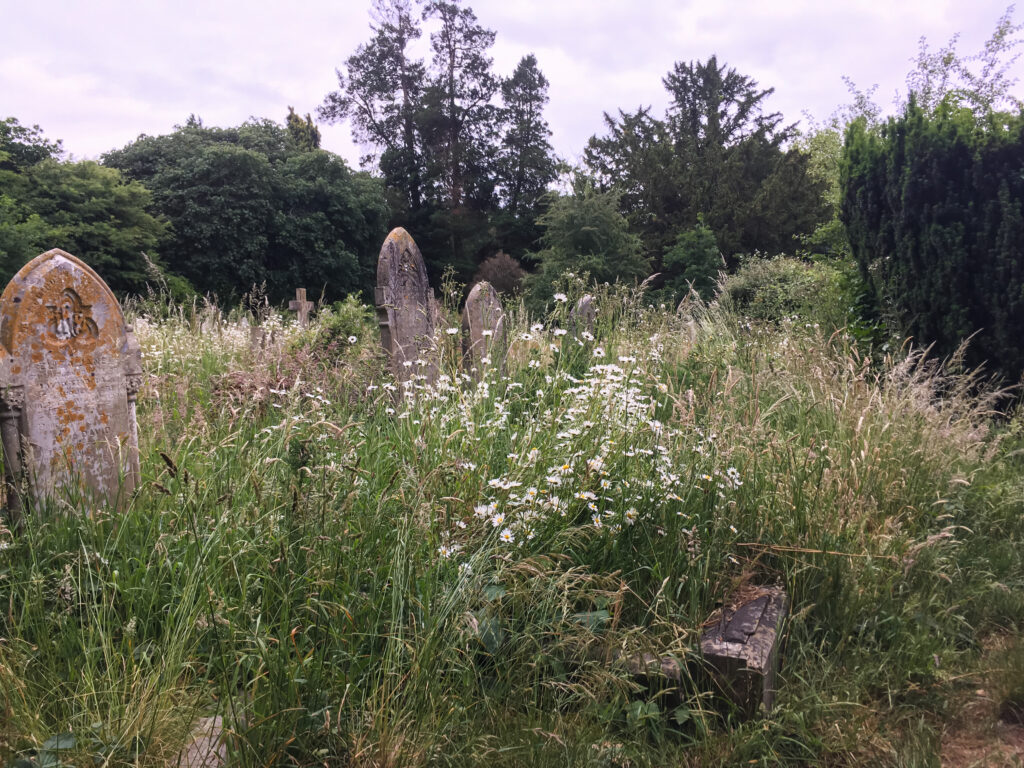
The 1918 Pandemic began in earnest in the spring and, by the summer of 1918, cases were dwindling. Everyone believed the virus had run its course, but it was merely the calm before the storm. That pandemic lasted for two whole years and the worst of the deaths came in the second wave, in the autumn of 1918. A hundred years is a long time. No one who survived the 1918 pandemic is alive now, at least no one who was old enough then to remember it, and so much was covered up at the time because of the Great War. Had the lessons we should have learned been lost along the way?
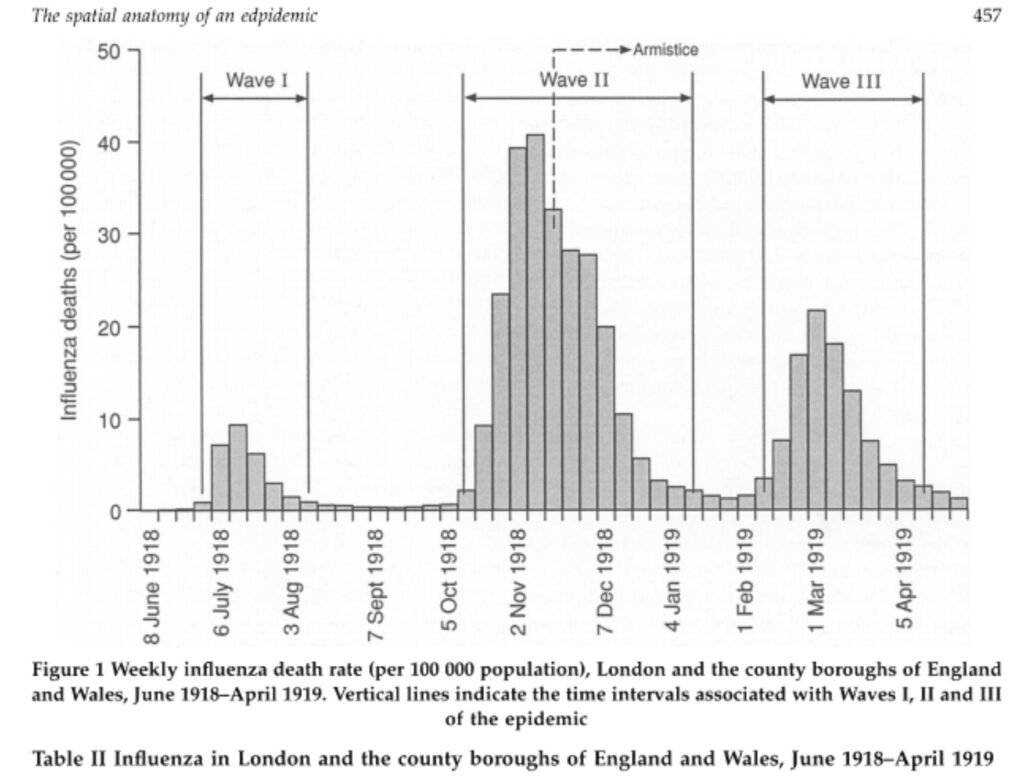
My last proper walk had shown me that far too many people weren’t taking the restrictions all that seriously in the first place. Over the weekend, thousands of people had gathered for two days of anti racism demonstrations in London, in much the same way as people had gathered in 1918 to celebrate the armistice. To me, this seemed like complete madness. I had the feeling people thought it was all over bar the shouting and finger pointing (and there was certainly no shortage of that). If people were given an inch, I was fairly sure they would take a mile and I didn’t see it ending well. Of course, I might just have been a tad on the pessimistic side. At least I hoped I was.

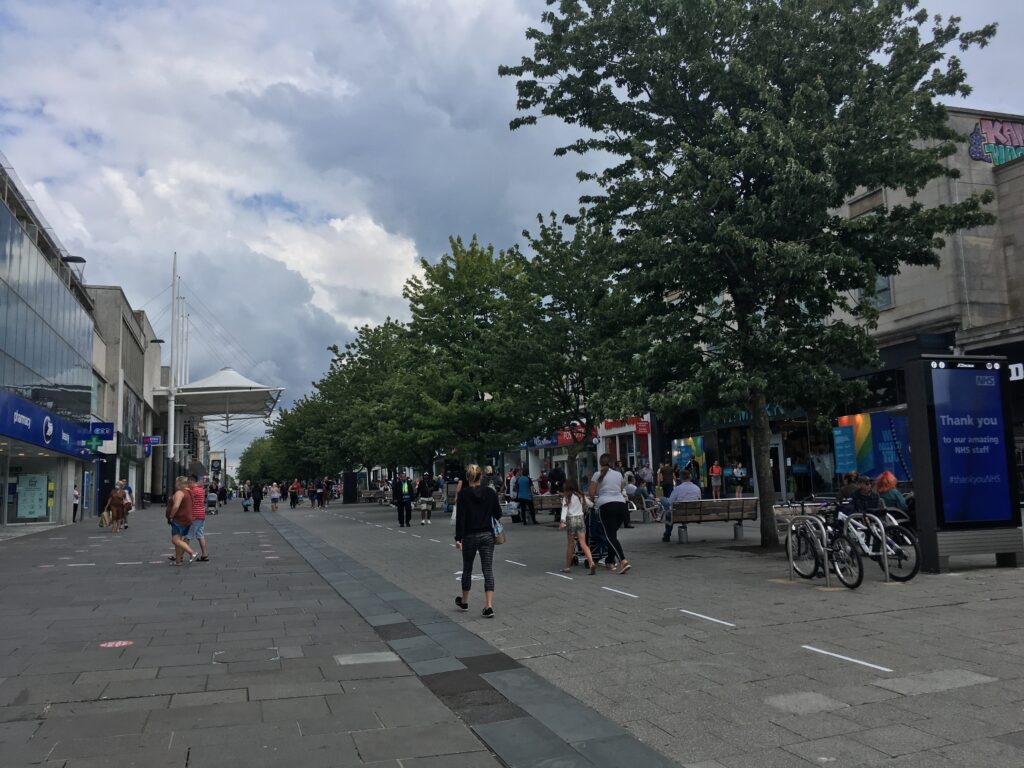
Another step in the direction of normality was the re-opening of non essential shops. To be perfectly honest, I hadn’t really missed going shopping. I’m more of a mend and make do kind myself. Commando, on the other hand, had a whole list of running supplies he needed to replenish. On 16 June, when he said he was going to town, I went along with him for the walk. It seemed peculiar to see the precinct all marked out with lines to help people keep socially distanced and the number of people queueing outside some of the shops was mind boggling. Needless to say, I didn’t go into a single shop.
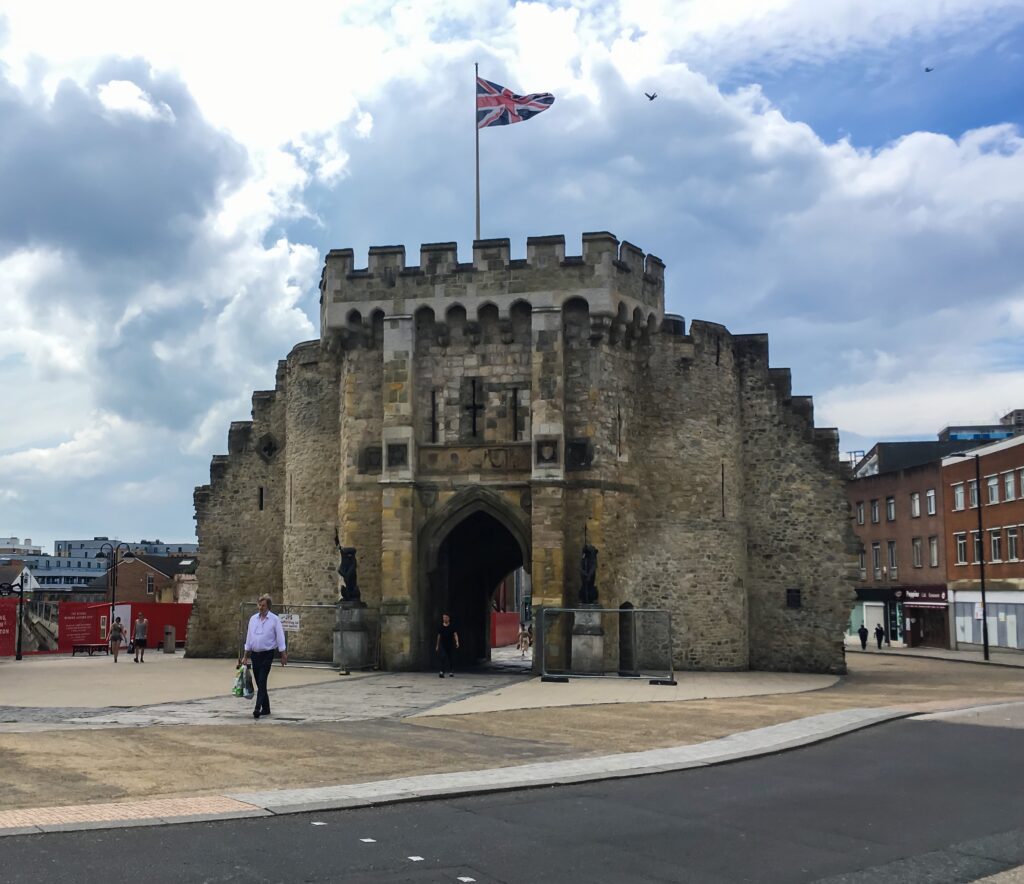
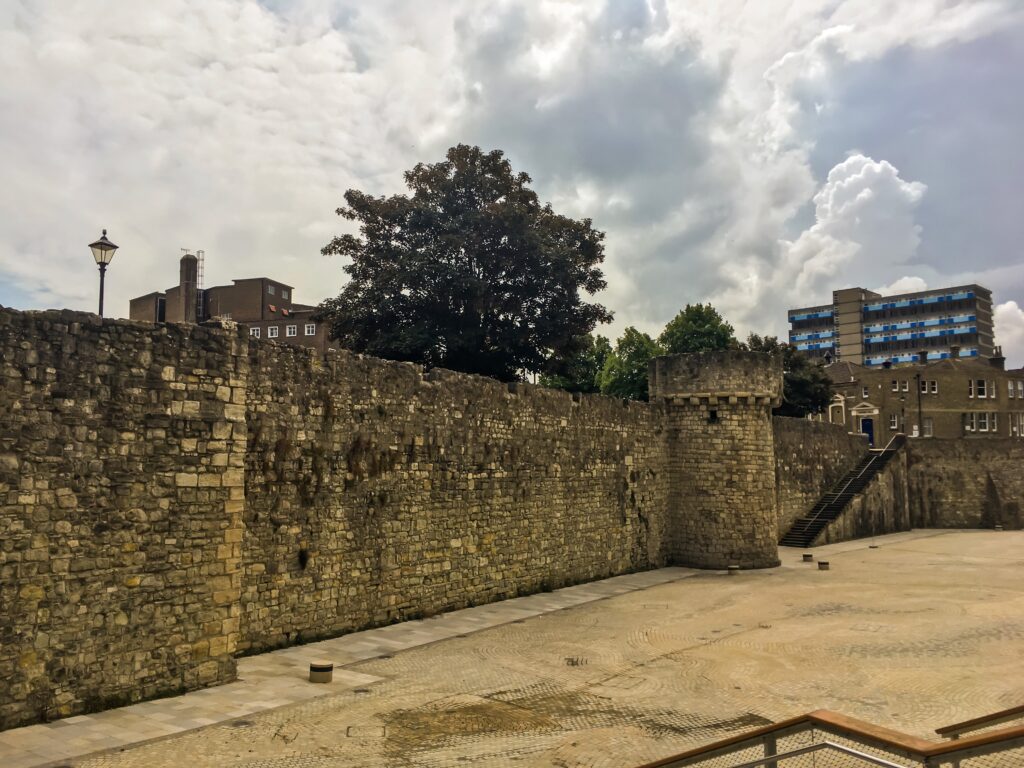
While Commando dashed about getting the things he needed, I reacquainted myself with the medieval town walls. The open shops might have left me cold, but the sight of the Bargate brought a lump to my throat. Until that moment, I hadn’t realised quite how much I’d missed it. Perhaps the people queueing outside the shops were feeling exactly the same about their retail therapy?
If those old stone walls could talk, what tales they would have to tell. For eight hundred years, give or take, they have stood watch over the town of Southampton. They have watched through wars, plagues, pandemics, rises and declines in fortune and more changes than any of us can begin to imagine. That day, with the cafes, restaurants and bars still closed and the shops in the precinct the main attraction, they were blissfully quiet and I couldn’t have been happier.
On average, they say it takes between two and three months for something new to become normal. Since March, we had all been conditioned to keep other people at a distance. Many people had been working from home, or were on furlough. There’d been no going to pubs, clubs, cafes, restaurants or sporting events. It had been strange and difficult at first but now, even watching television and seeing people gathered together, or standing close to each other had begun to look faintly disconcerting to me. The lockdown restrictions had become normal and now the old normal felt strange.
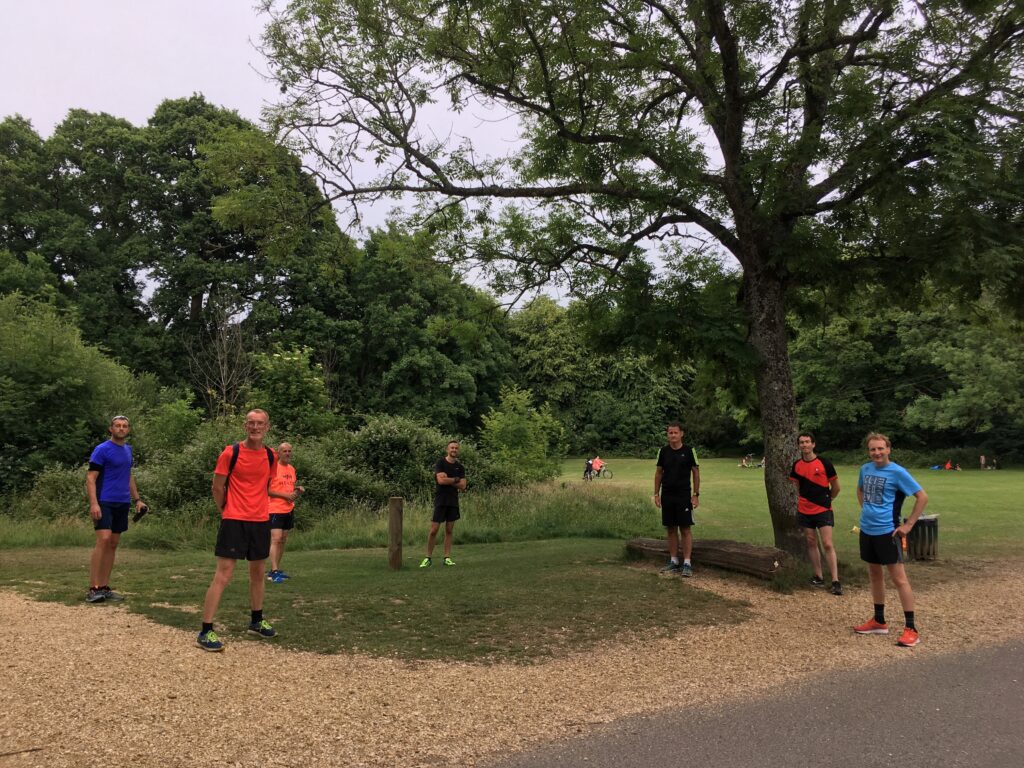
Even the second Hamwic Harriers training session felt a little edgy and dangerous. Everyone was strictly sticking to the two meter rule and training in groups of five with one run leader. There was no real danger and no rules were being broken, but, for me at least, solitude had become a hard habit to break.

There was a very good reason for going along on 17 June though, and it had nothing to do with taking photographs of the run leader groups for posterity. After ten days in bed, Kim was slowly making a recovery from her brush with COVID. She wasn’t well enough to go back to work, or to run, but she was well enough to come along and have a very slow and gentle wander with me. After all the worrying I’d been doing, she was a real sight for sore eyes.
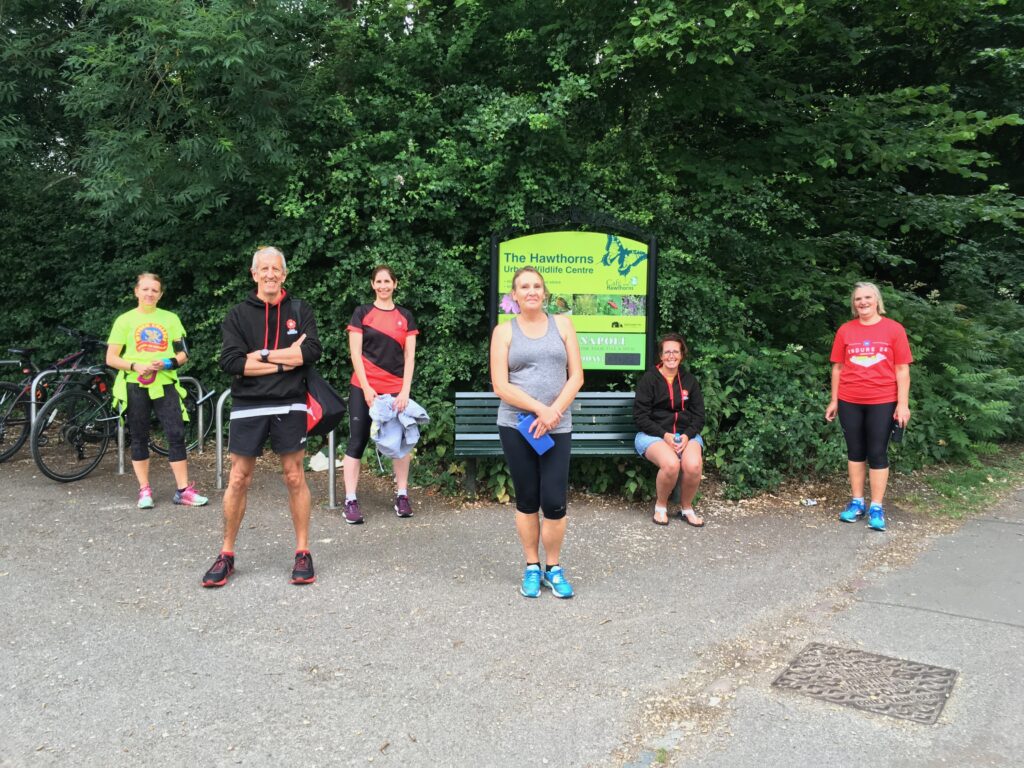
There was a lot of talking and not much walking. Kim had been lucky. She hadn’t needed to go to hospital and be put on a ventilator, but her brush with COVID was far from easy. She said it was the worst illness she’d ever had and she was still nowhere near back to normal.
Normality is nowhere near as simple as it seems. It is an ever changing thing. When the medieval walls were built, streets filled with rotting rubbish and effluent was normal. In Victorian times, sending young boys up chimneys to clean them was normal. A hundred years ago, living in a house with no heating and a privy at the bottom of the garden was normal. For some, sitting in a muddy trench being endlessly shelled was normal. Eighty years ago, bombs falling out of the skies night after night was normal. In June 2020, normal was changing fast and most of us were struggling one way or another to acclimatise. No matter how hard it was though, it could have been far worse.