The morning of Saturday 8 September 2013 found Commando and I setting off for a little London adventure on the train. Normally a London trip means the West End, shopping or museum visiting, unless it’s a Moonwalk extravaganza but this time we were off to unchartered waters, Greenwich, for Commando’s Run to the Beat half marathon.
8 September 2013
At Waterloo we discovered that we’d have to take the underground to Canary Wharf, a place neither of us have ever been, and, from there, change to the Docklands Light Railway for the final leg of our journey to our hotel in Greenwich. The underground section of the journey was quite easy but not exactly awe inspiring. Deep under the city on the Jubilee Line one station looks much like the next and it’s just a matter of checking the famous map and counting off the stations.
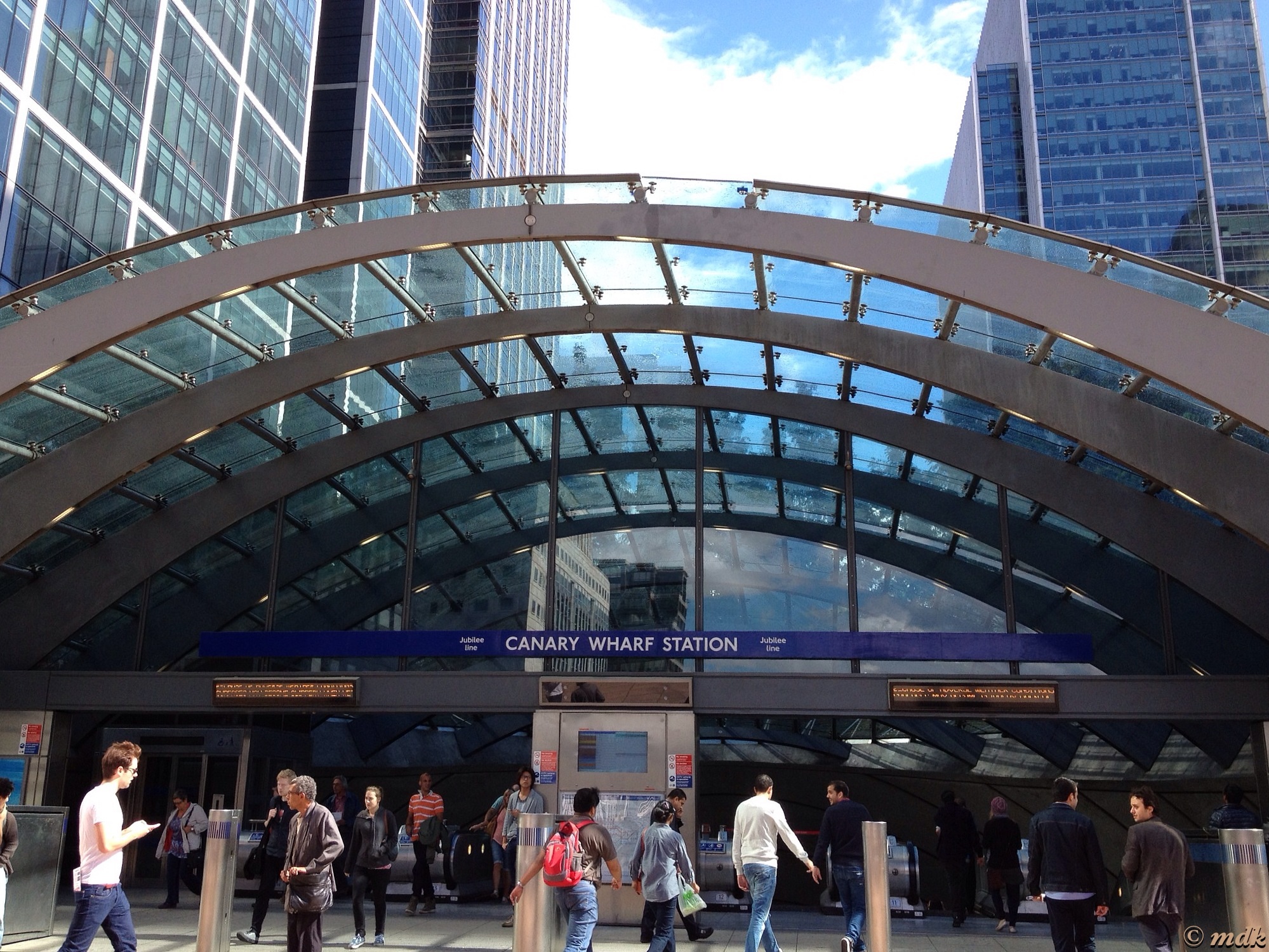
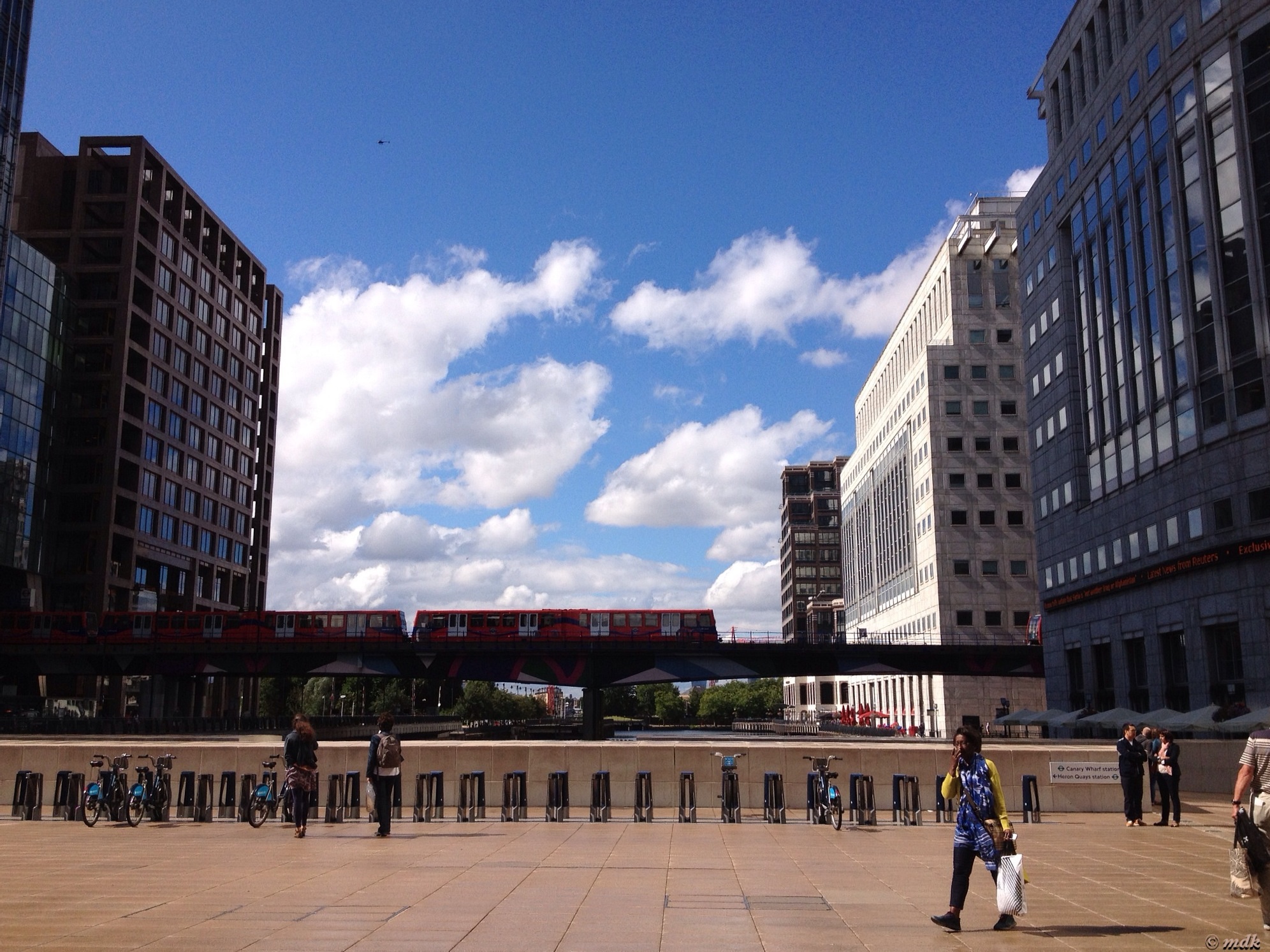
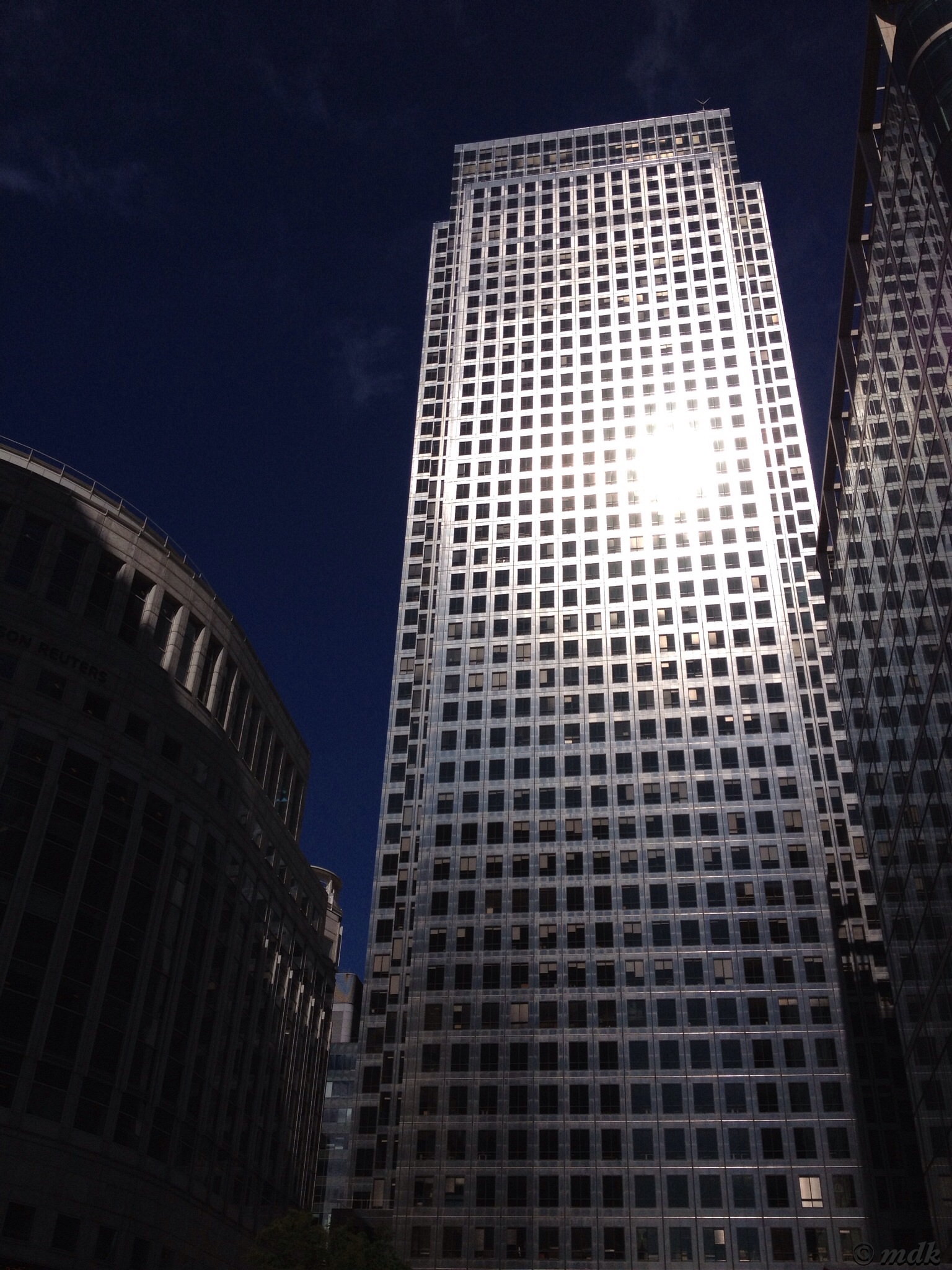
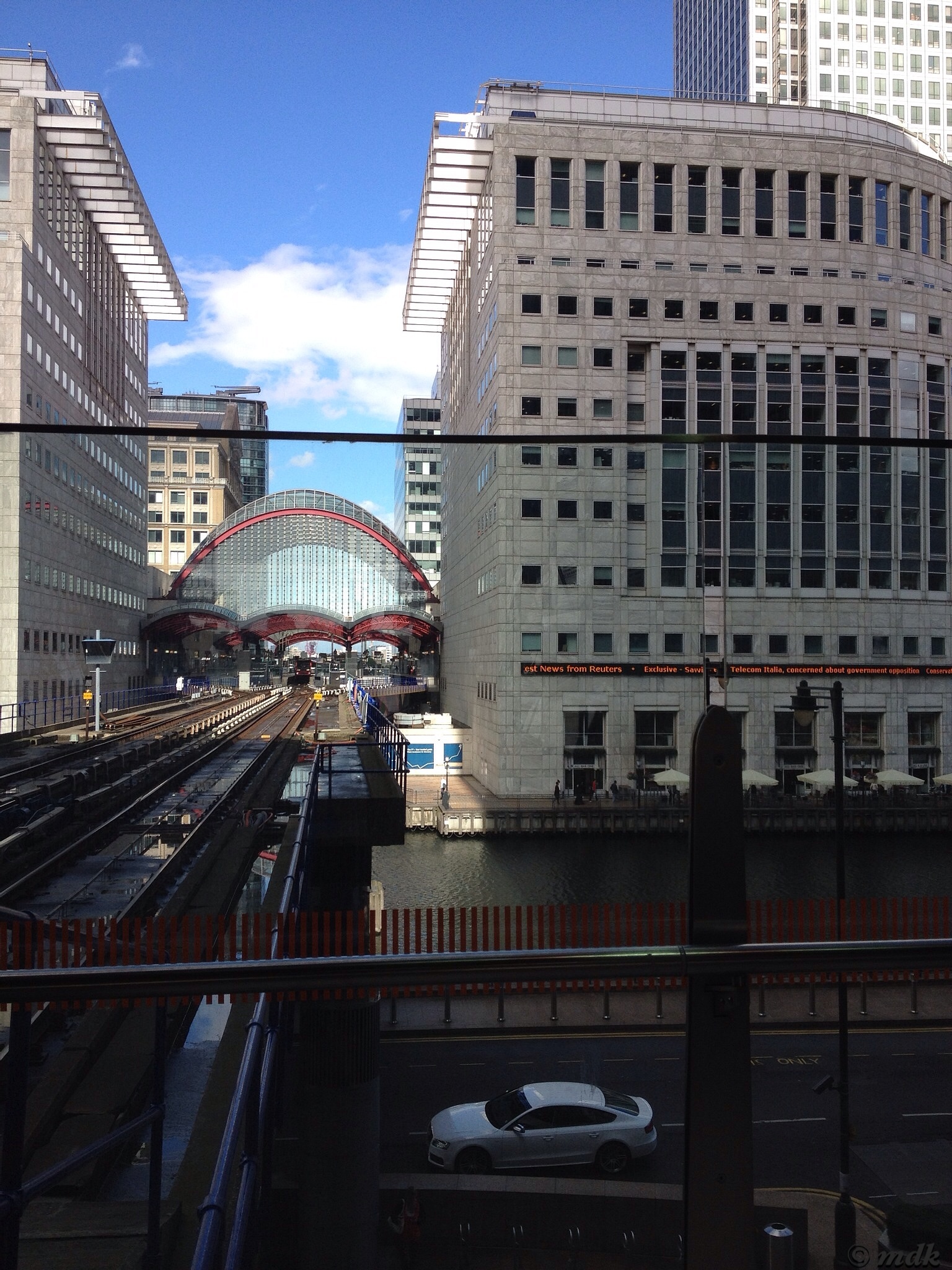
At Canary Wharf we ascended the steep escalator, blinking in the bright sun coming through the beautiful domed arch of the roof. Tall buildings towered above us and we stepped into a large marble plaza lined with cycle racks. The sky was a glorious blue and, stretching over the river in front of us, a little train buzzed across the Docklands Light Railway. Now all we had to do was find the station which turned out to be easier said than done.
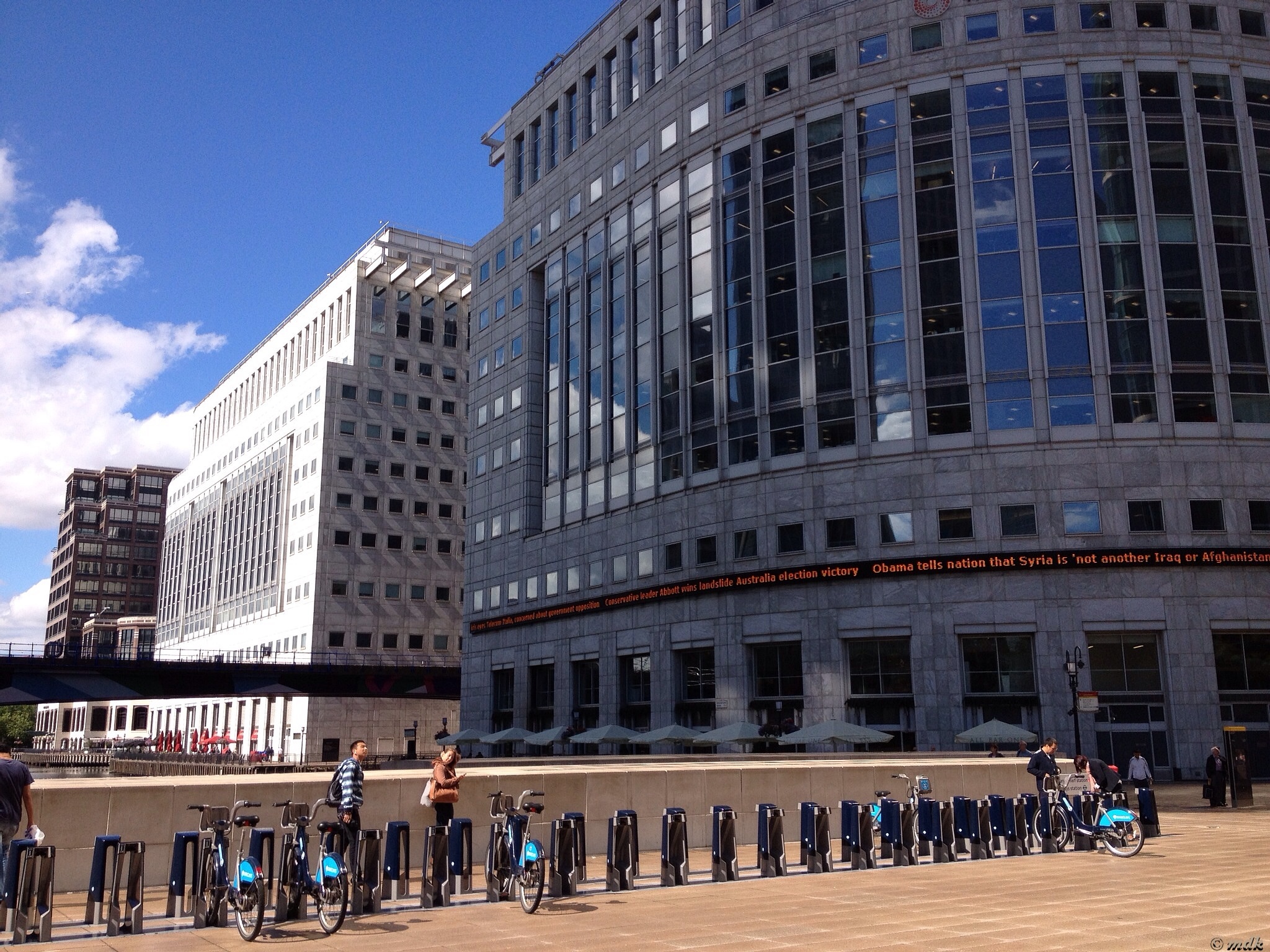
We wandered, rather bemused, through some likely looking glass doors into the atrium of what looked like a very expensive hotel. This turned out to be a shopping centre which did eventually lead to the train station although we later discovered we’d taken a rather roundabout route. Still it was interesting and I’d like to have had time for more of a look around. Then again, my bank balance is probably breathing a sigh of relief.
For a railway station platform it had some pretty amazing views. Looking down along the track between the sky scraping buildings, the ribbon of river below and the blue sky above it felt as if we were on a film set. The funny little trains zooming past seemed more like toys than real trains. It was almost disappointing when ours arrived and we had to leave it all behind.
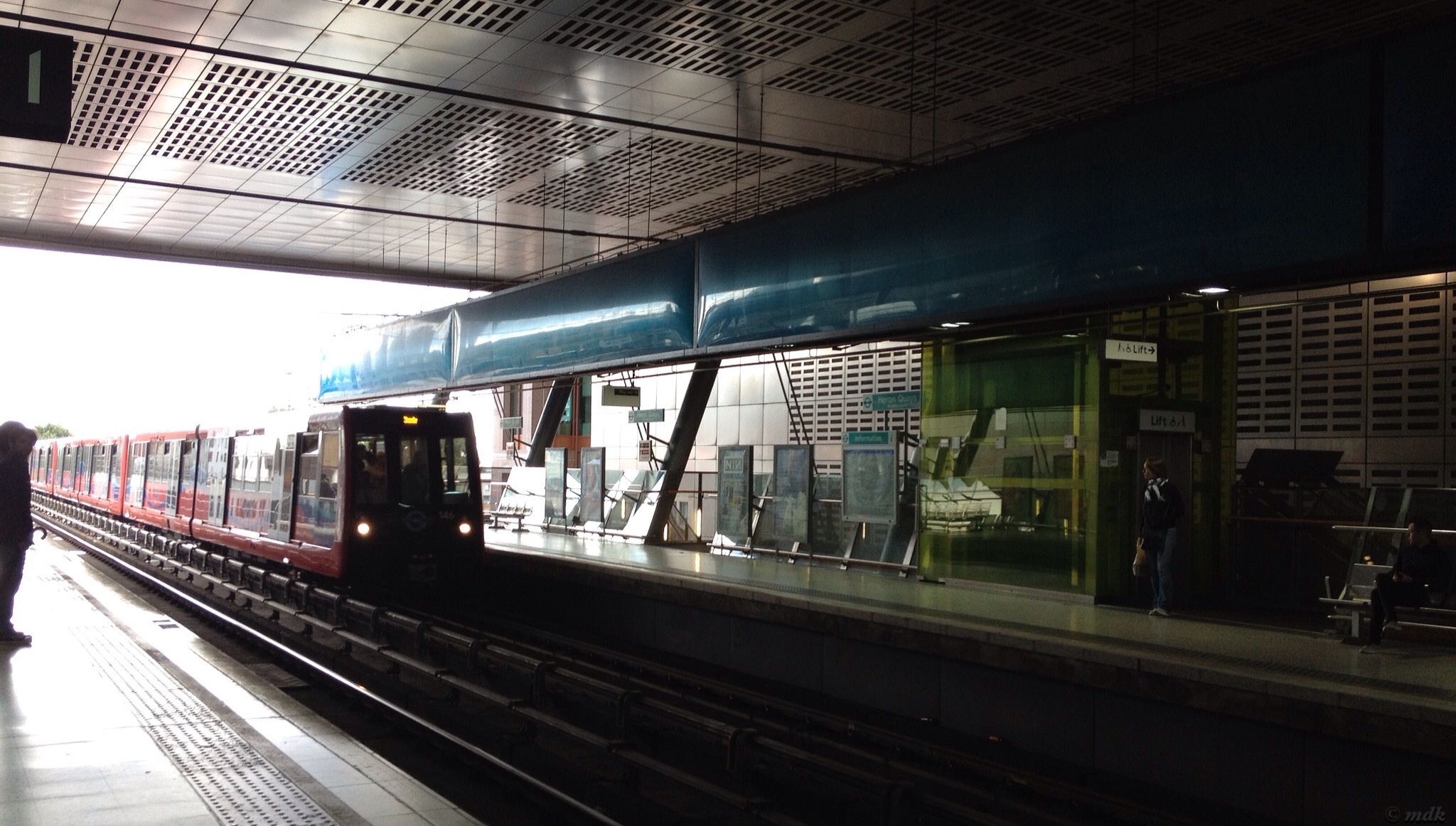
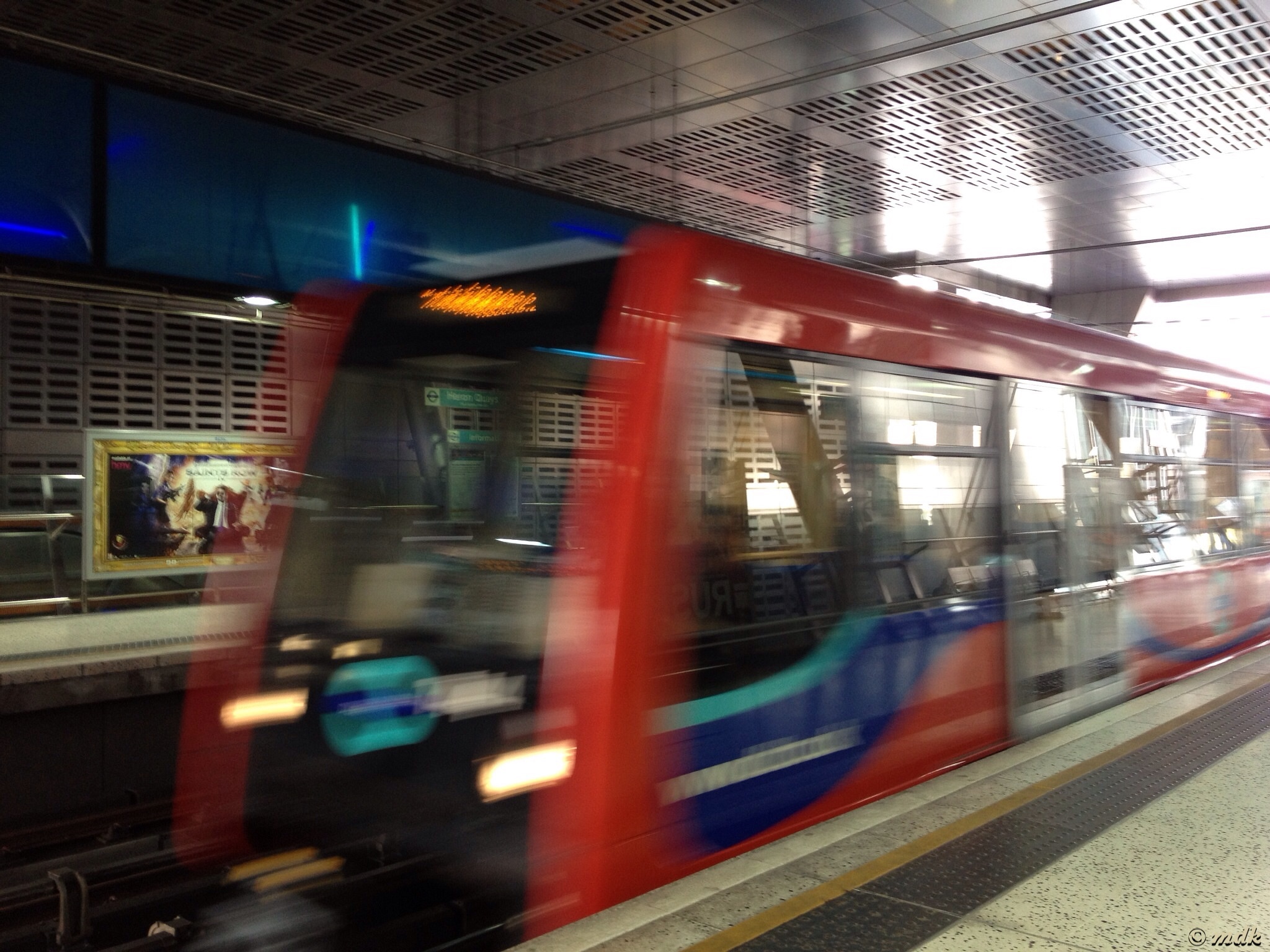
Greenwich turned out to be a pleasant, leafy suburb of the big, dirty city. The name, given by Danish settlers, means the green place on the bay and it was certainly far more peaceful than our normal London haunts. Luckily we soon found the Premier Inn we’d booked into and were surprised by the friendly greeting from an extremely cheerful and helpful receptionist.
After a little rest and a freshen up, we spent Saturday afternoon exploring the home of the Greenwich meridian, that notional line running around the globe marking zero degrees longitude. If you’re hungry, Greenwich is the place to go, it is bursting at the seams with food and drink emporia, so much so that those of an indecisive disposition should probably avoid it. They could possibly starve to death while trying to decide where to eat. We didn’t stop for food but marched towards the river Thames. Commando wanted a look at the Cutty Sark as he’d never seen it before.
The Cutty Sark was old news to me, or so I thought. Back in May I’d passed it at silly o’clock in the morning after a night spent walking the streets of London. Still, I’d taken no photos then, the pain in my injured knee, tiredness, worry and anger meant I saw it distorted, through a veil of tears. Commando wasn’t answering his phone. I was in the last miles of my marathon, unsure whether to be angry that he was ignoring me or worried that something had happened when he ran back to the hotel the evening before. Turned out he’d accidentally put his phone on silent and he rang me back just as I reached mile twenty five but those few miles, as dawn was breaking, were the darkest of the night. In actual fact, what I’d half seen was not the Cutty Sark at all but a replica of the Golden Hinde at Southwark, close to London Bridge.
The real Cutty Sark is a much larger, more beautiful ship, named after her figurehead the witch Nannie Dee from Robert Brurns’ poem Tam o’ Shanter. Nannie was nicknamed Cutty-sark (meaning short chemise) for her habit, in the poem, of dancing in a linen undergarment she had been given as a child. The pure white carving on the prow of the ship shows a rather under dressed young woman, bare breasted and holding a grey horse’s tail aloft.
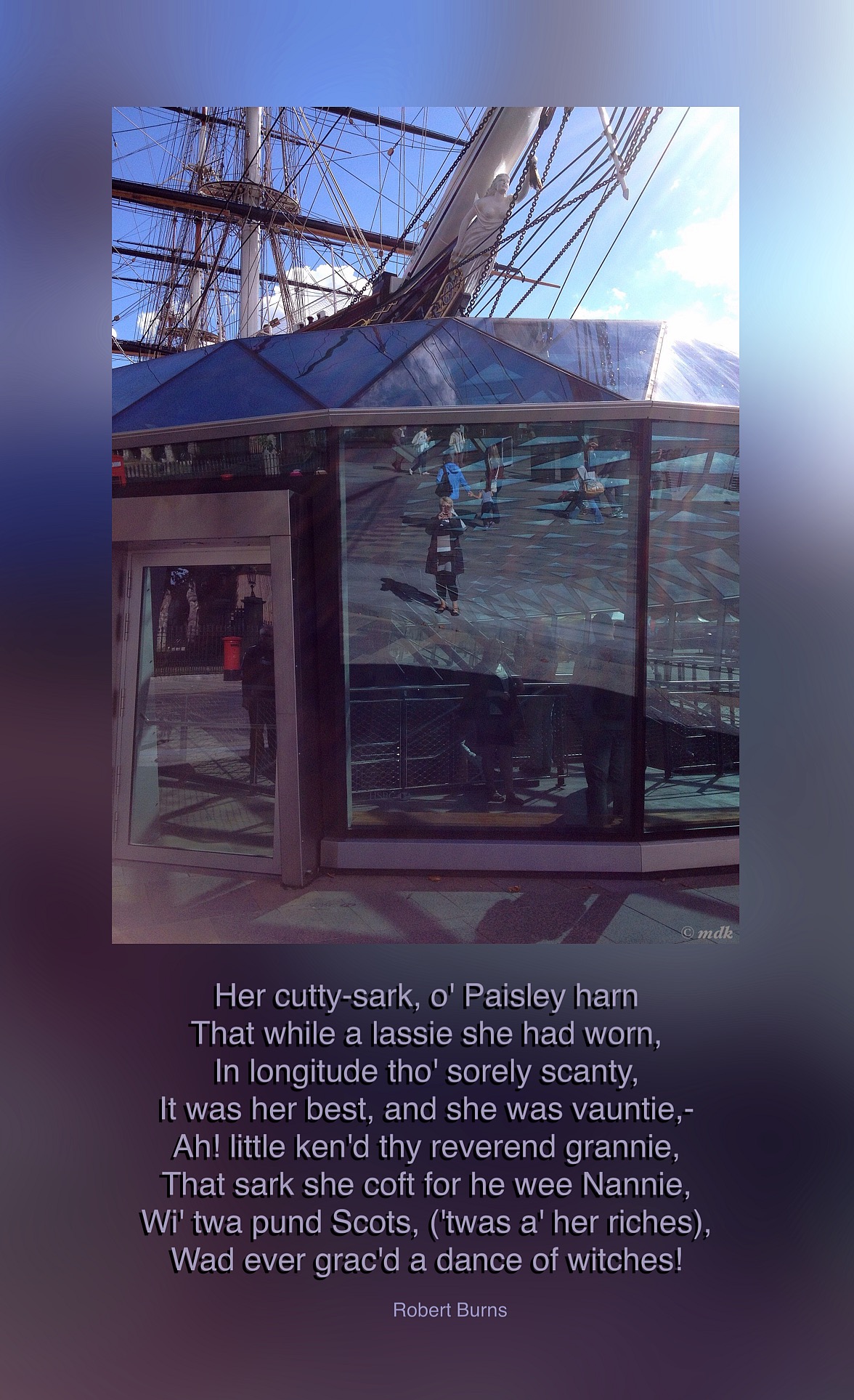
In the bright sunshine she was an impressive sight, the glass building beneath like a wave surrounding her. Once this British tea clipper was the fastest on the sea. Built in 1869, the same year the Suez Canal was opened, she was one of the last tea clippers ever made, the pinnacle of design development, before steam ships took over from the power of the wind. As the steam ships became more prevalent Cutty Sark changed her route, travelling between Australia and Britian carrying wool rather than tea. For ten years she held the speed record for this crossing.
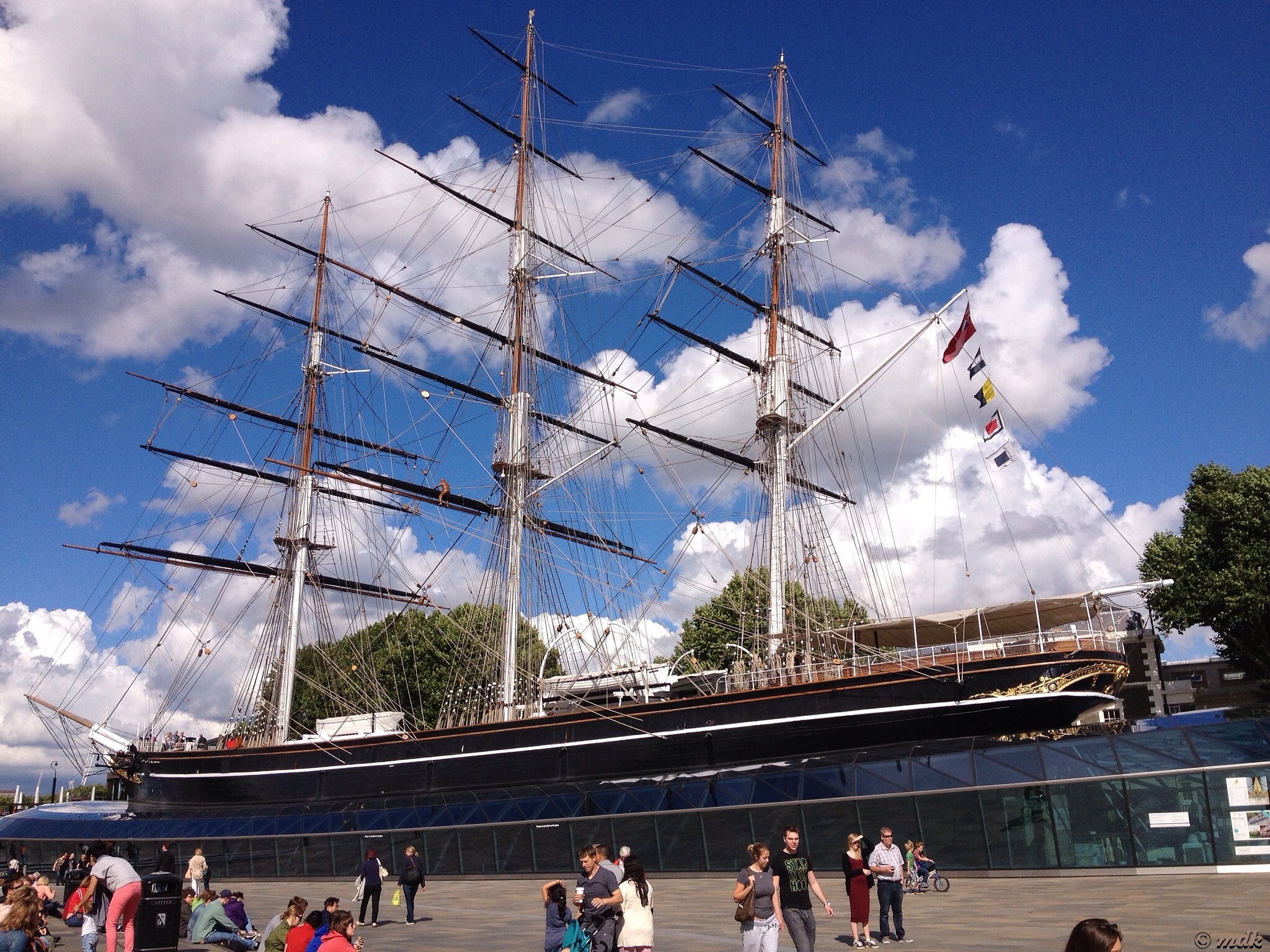
In 1922 her days as a cargo ship came to an end when retired sea captain Wilfred Dowman bought her to use as a training ship travelling between Cornwall and Falmouth. This seems a bit of a come down for a ship used to sailing the high seas at a rate of knots but better than the breakers’ yard. In 1938 she moved to the Thames at Greenhithe to become a cadet training ship and, when the cadets no longer needed her, she moved to her present home, a permanent dry dock at Greenwich. She is now on the Core Collection of the Nautical Historic Ships Register, which is akin to being a Grade 1 listed building.
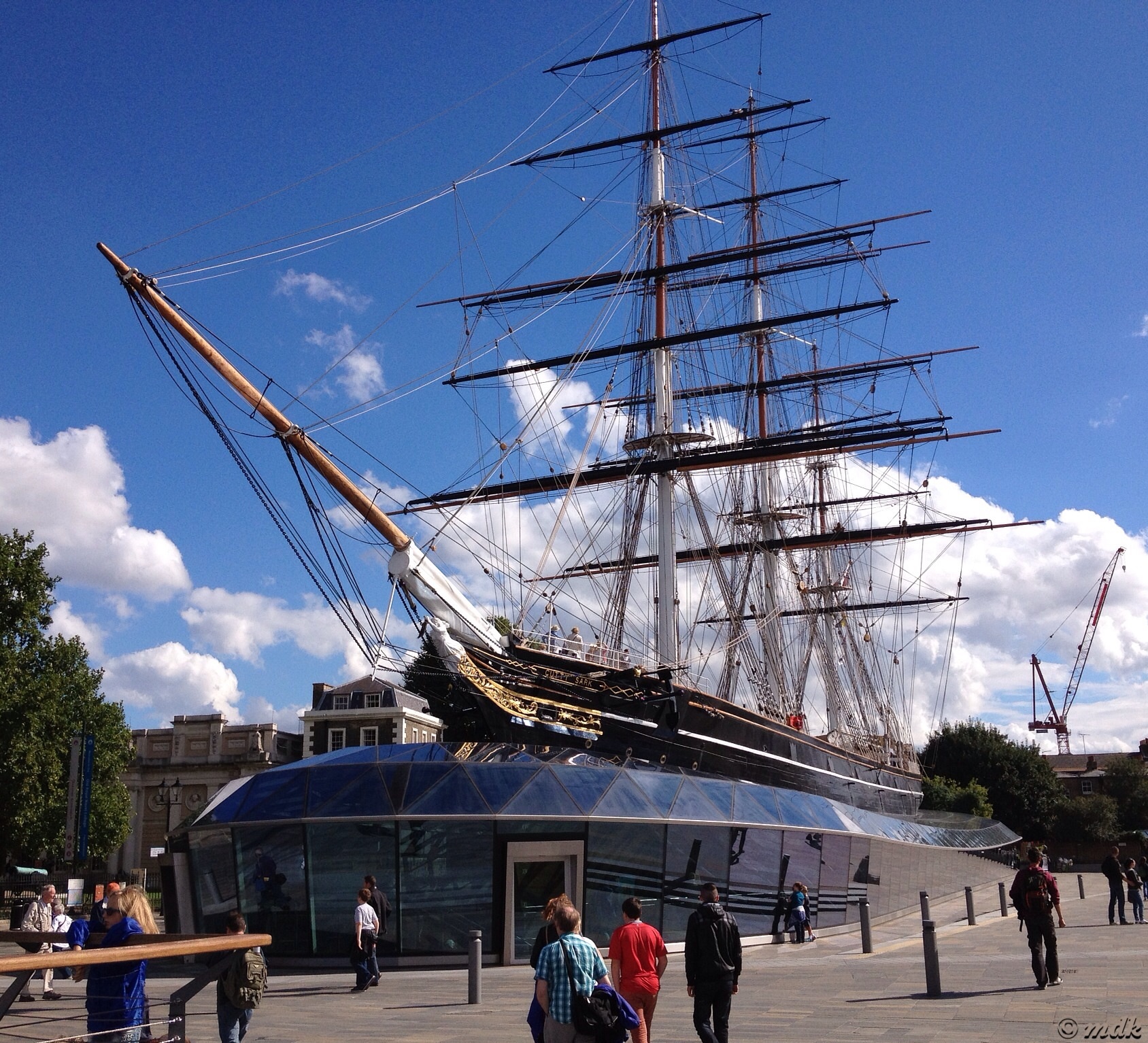
We toyed with the idea of going inside and having a tour on board but decided against. There were queues and we had other things to see. Namely the Greenwich observatory. That will have to wait until tomorrow though.
Please see my copyright information before you copy or use any of the above words or pictures.
Another great post, this time about London!
Thank you.