
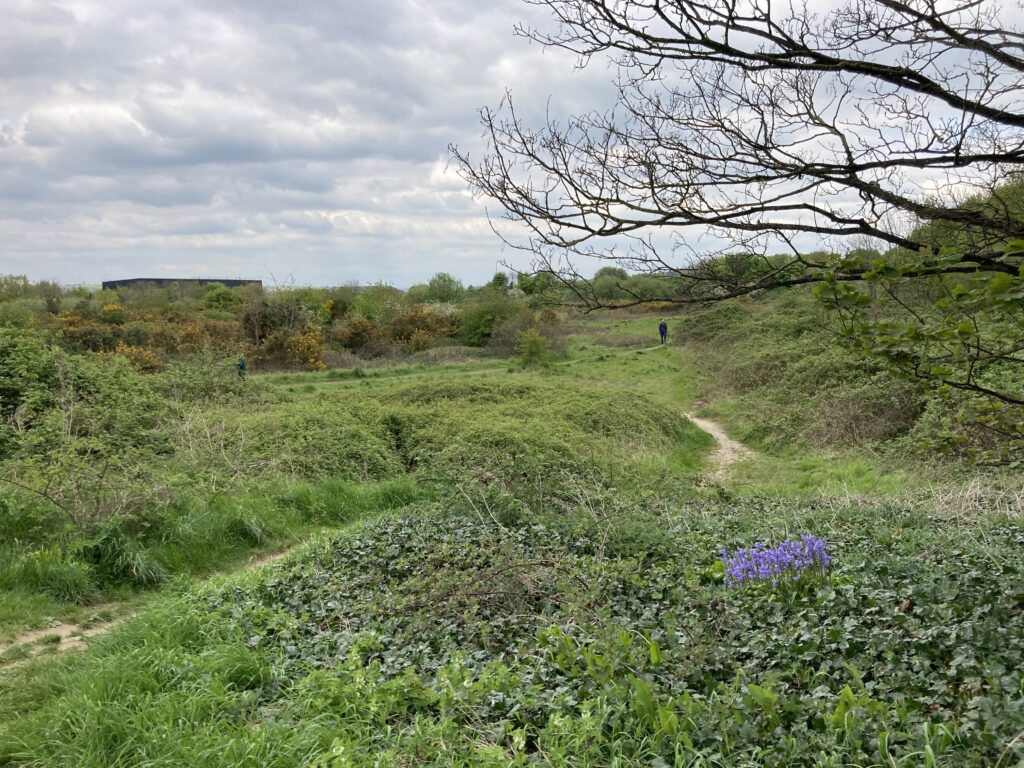
April 22 was one of those changeable spring days, with heavy skies that could as easily have brought rain as sun. I’d had a mind to walk down to the shore, but I’d been dithering all morning, waiting to see if the rain would come or not. In the end, I decided on a compromise. I would walk to Peartree Green and have a wander around. Then, if the heavens opened, I wouldn’t have too far to go to get home and dry. At least it wasn’t cold. In fact, by the time I’d climbed the steep steps from Braeside Crescent to Gainsford Road, I was boiling in my ‘just in case’ mac. Normally, I walk the other way — along Braeside Road and up the hill, but the view from the top of those horrible steps drew me. A tantalising glimpse of the railway line and Chessel Bay through the trees and beyond the roofs of the houses makes the climb worthwhile.

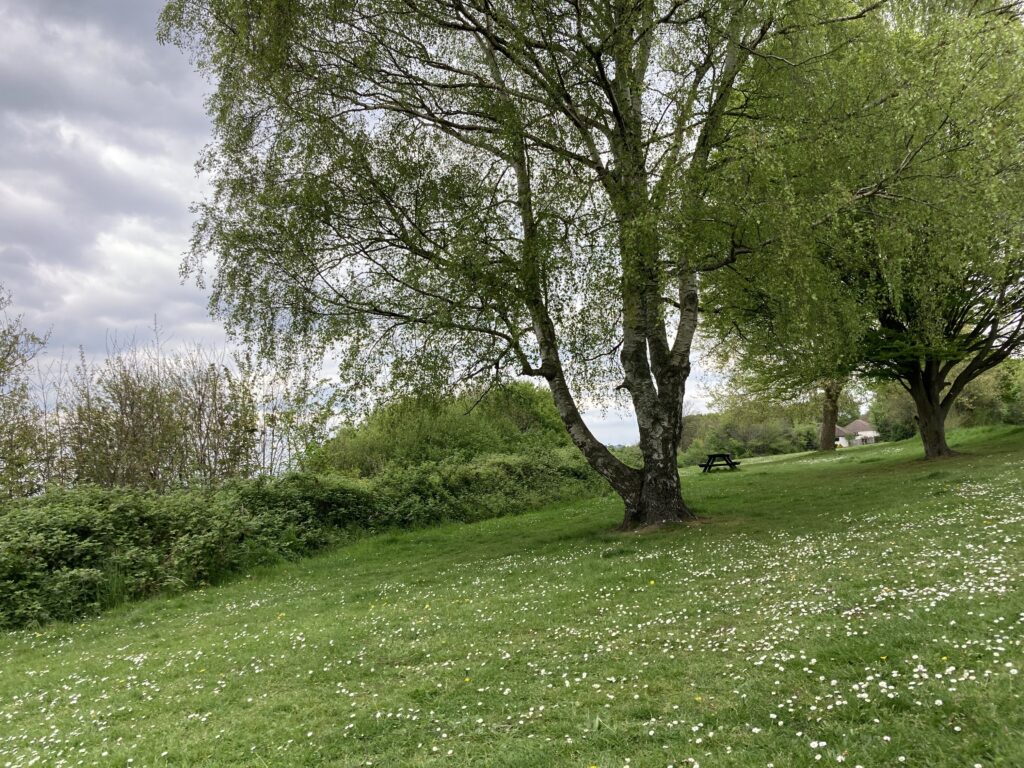
Once I’d caught my breath and stopped to admire the clematis clambering over the fence at the top of the steps, I set off towards the green. To be honest, it isn’t much of a walk — maybe a mile to the edge of the green — but there are lots of trails, a shady little wooded area, and a bench with panoramic views across the river. It’s a place I often sit to pick out landmarks, like the football stadium, the spire of St Mary’s Church and the Civic Centre clock tower. Now, my mind went back to the summer of 2013 when Peartree Green caught fire. On my way home from work, I’d been caught up in all the drama and seen the smoke, flames and fire engines. The next day, I’d gone to look at the damage. What made me think of it is a mystery. I’ve been back to the green many times since, and all traces of the fire are long gone, but something brought it to mind.
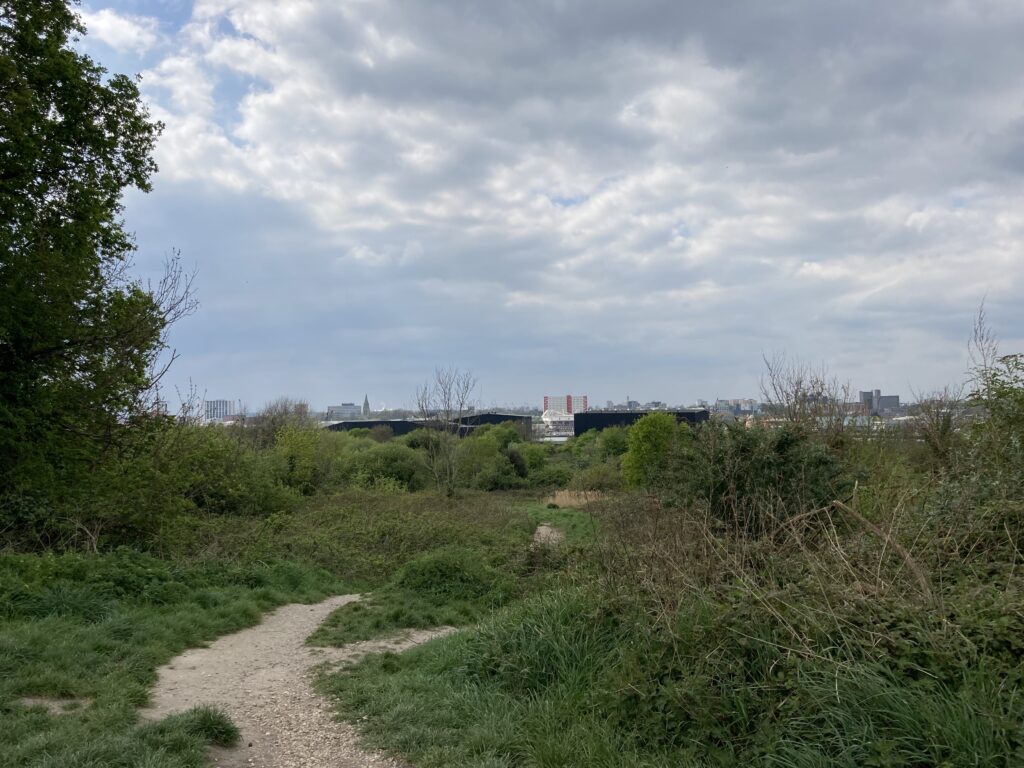
Perhaps it was the grey, smoky looking clouds, but once the fire was in my head, I couldn’t seem to get it out. I set off along the gravelly trails I’d walked nine years earlier, half expecting to see burnt gorse and scorched earth or catch the acrid smoky smell blowing on the wind. Of course, I found none of that, just grass and shrubs and a few daisies and dandelions sprinkled about.
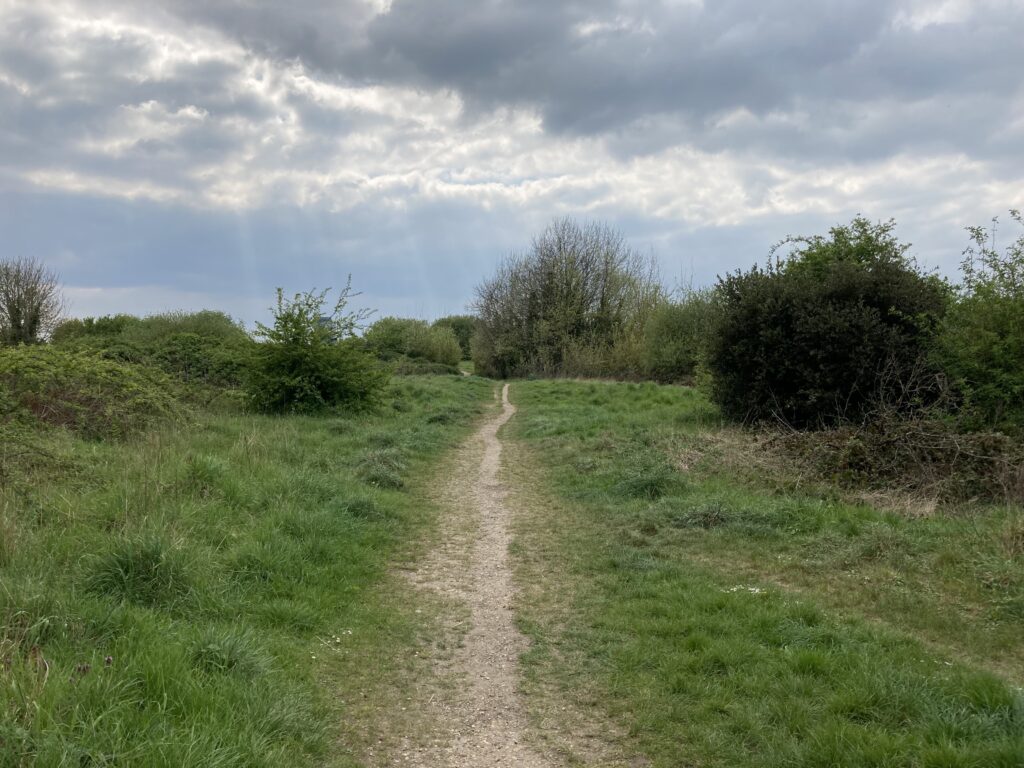

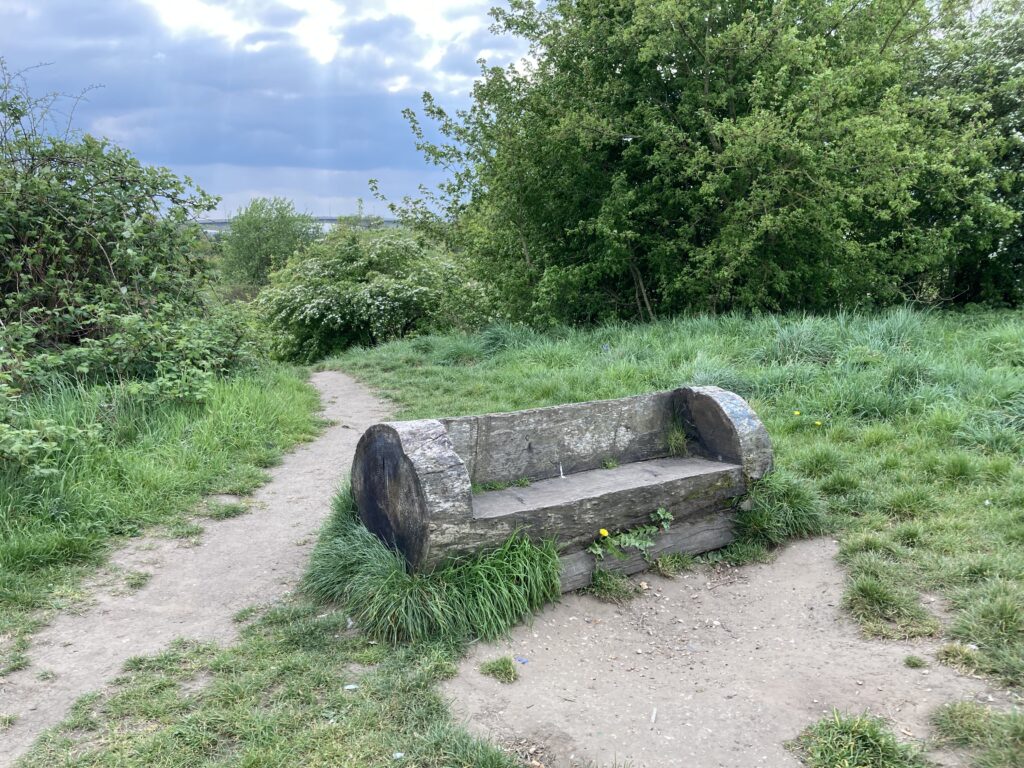
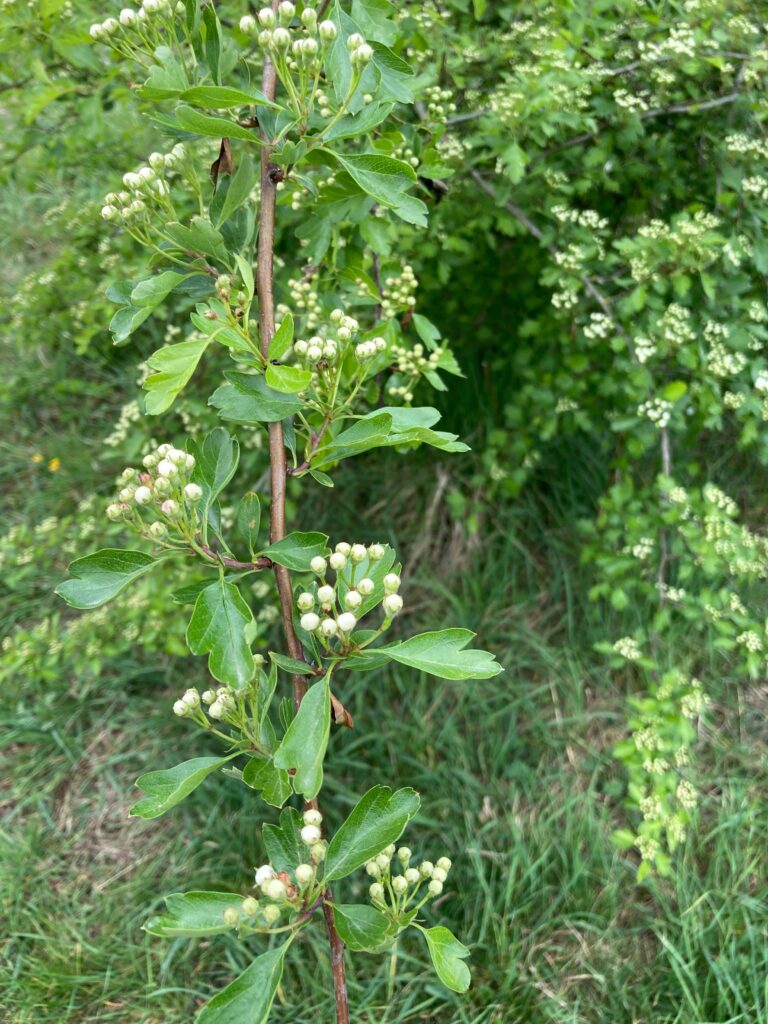
I followed trails, up and down and round and round, not really thinking about where I was going, just walking. I found a bench made from an old tree, but I hadn’t walked far enough to earn another sit-down, so I passed it by. Then I saw the hawthorn flowers, and the old saying about casting clouts when may is out sprang into my head.
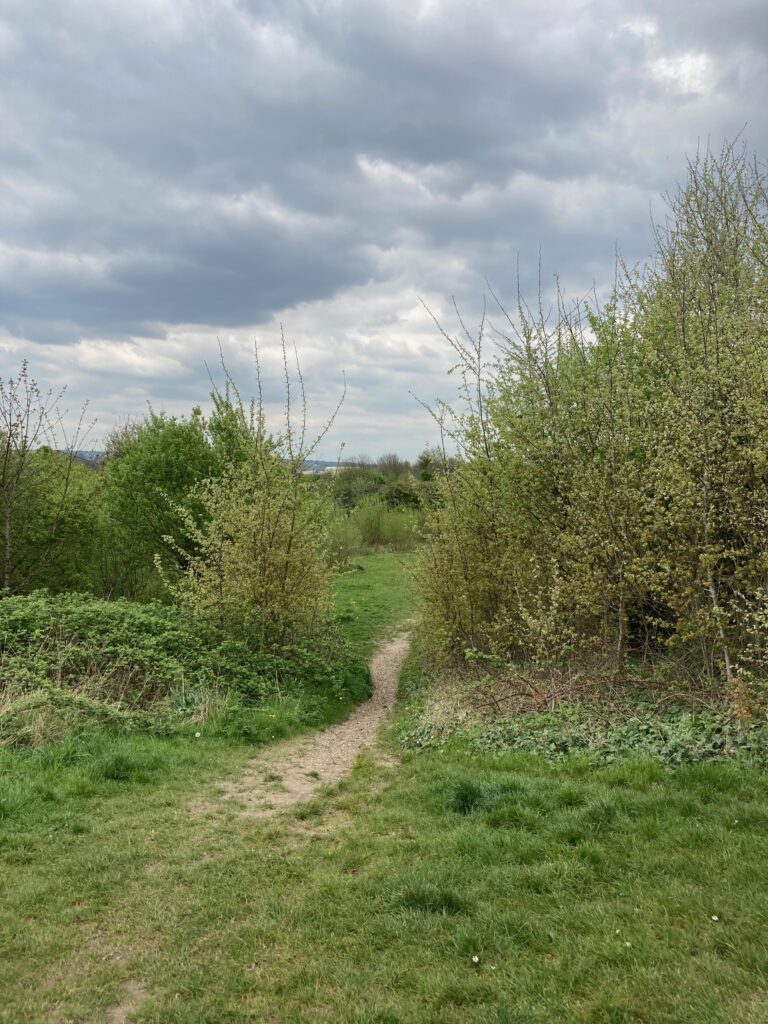
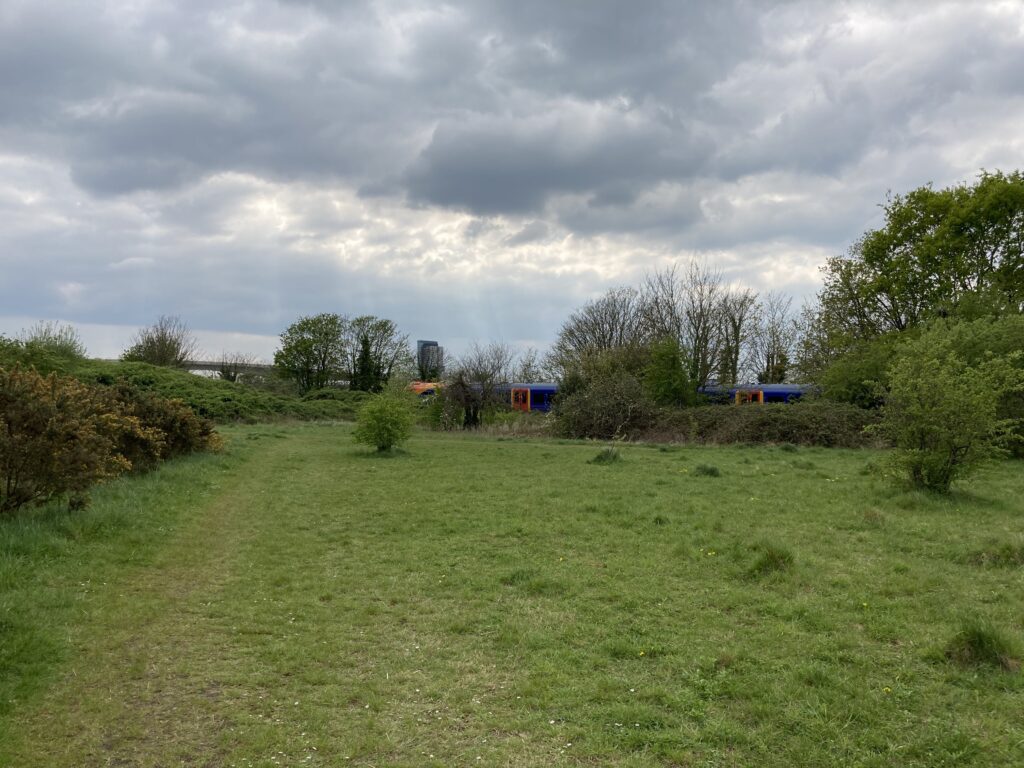
The gorse that had crackled and popped when it was burning and looked so dead afterwards is as good as new now. You wouldn’t believe there had ever been a fire. While I was looking at it, a train sped past. A railway line has run along the bottom of the green since the railways came to Southampton in the 1880s. This was Commando’s playground when he was a boy, and he recalls playing in old abandoned goods trucks. Like signs of the fire, they are long gone now.
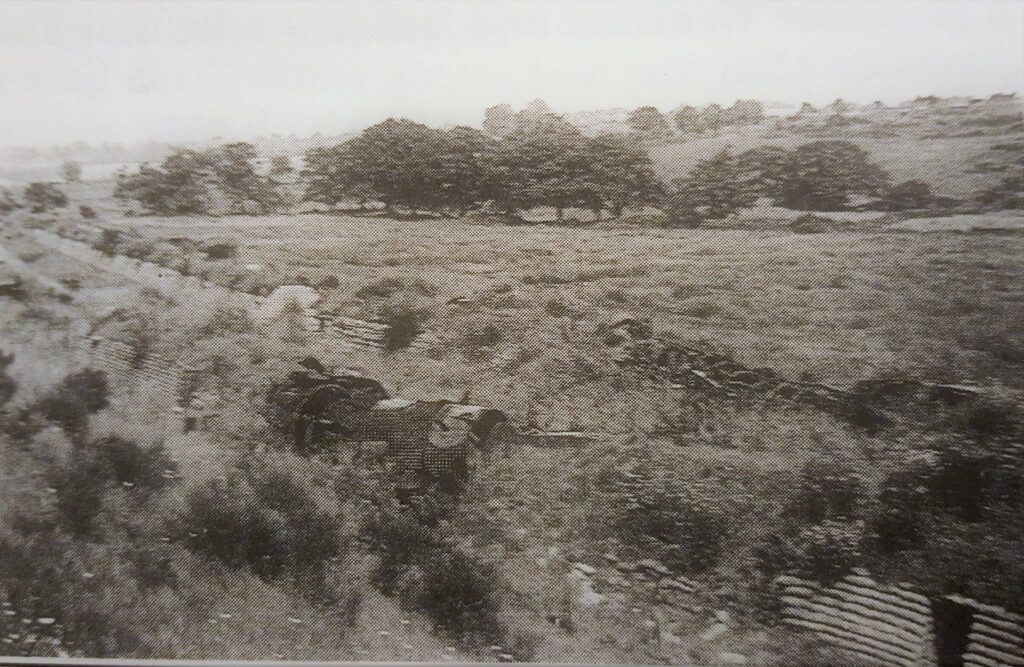
The fire in 2013 was not the only disaster Peartree Green has seen. During the Second World War, there were air-raid shelters on the edge of the green for the workers at the nearby Supermarine factories. TheSupermariner’s Website says they were a long row of surface shelters in the meadow to the east of the railway line. The workers from the Itchen works had to go through a tunnel under the railway embankment, and those from the Woolston works would have gone under the railway arch on Sea Road. It’s hard to see exactly where the shelters were, but the photo below gives a good idea. On 15 September 1940, thirty planes attacked the Supermarine works. The factory suffered minimal damage, but the nearby houses were not so lucky. Itchen Ferry Village was devastated, with over a thousand properties damaged and one hundred and twenty-five completely destroyed.
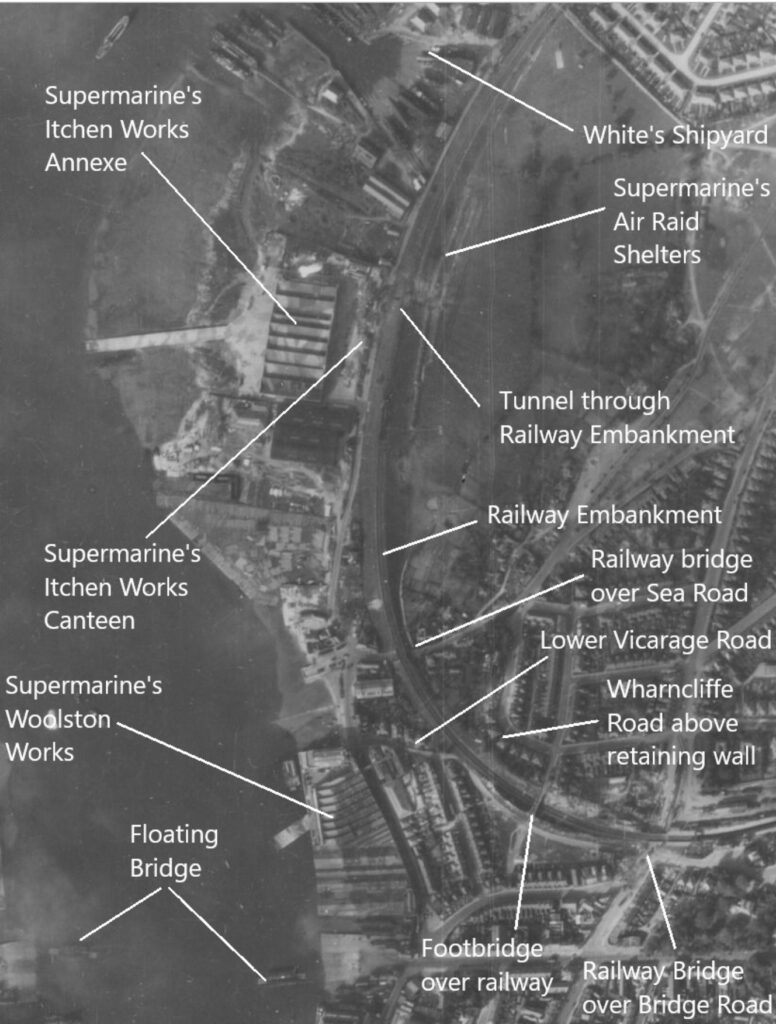
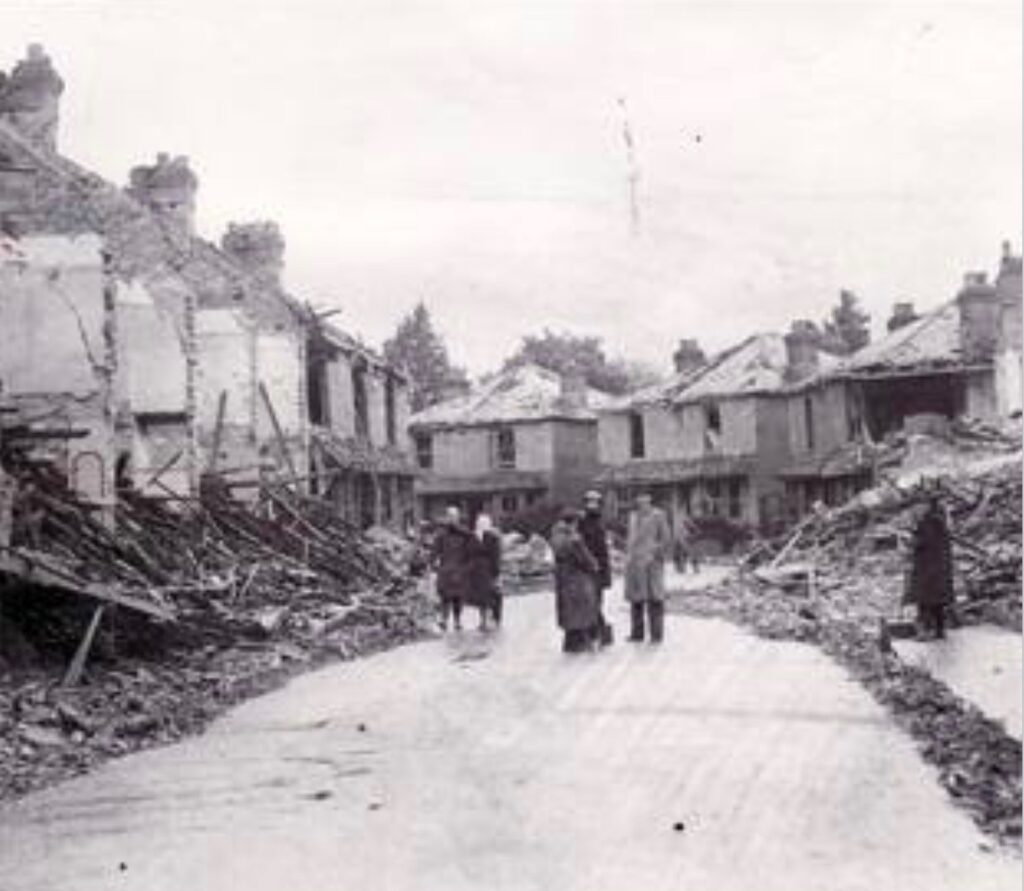
On 24 September 1940, things got worse. Shortly before two o’clock in the afternoon, thirty-seven bombers attacked the area again. The railway tunnel was hit, and one of the shelters suffered a direct hit. Many workers were sheltering there. Around twenty-nine men and women were killed, but, yet again, the factory was hardly damaged. Two days later, the Luftwaffe returned at 16:30 and finished the job. They hit the Itchen and Woolston aircraft factories and the gas works on the other side of the river. Another shelter was hit, but it was empty. After the disaster of the previous raid, many of the factory workers had ignored the shelters. Even so, seventeen of the workers were killed, and fifty-five people died on the other side of the river.
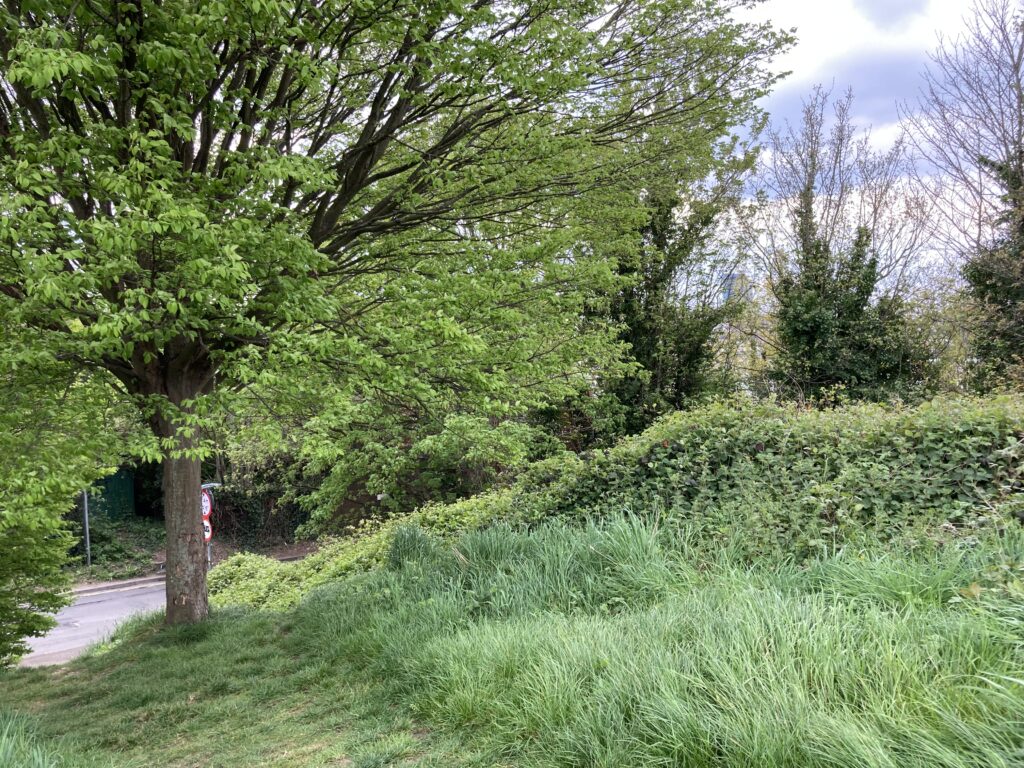
After this, the factory was abandoned. Construction of Spitfires was dispersed to various secret locations from Southampton to Trowbridge, Salisbury, Reading and beyond. Woolston and Itchen Ferry had suffered terribly for being so close to the place the Spitfires were built. Itchen Ferry Village was more or less bombed out of existence, and now, although some of the road names remain, the houses are gone.
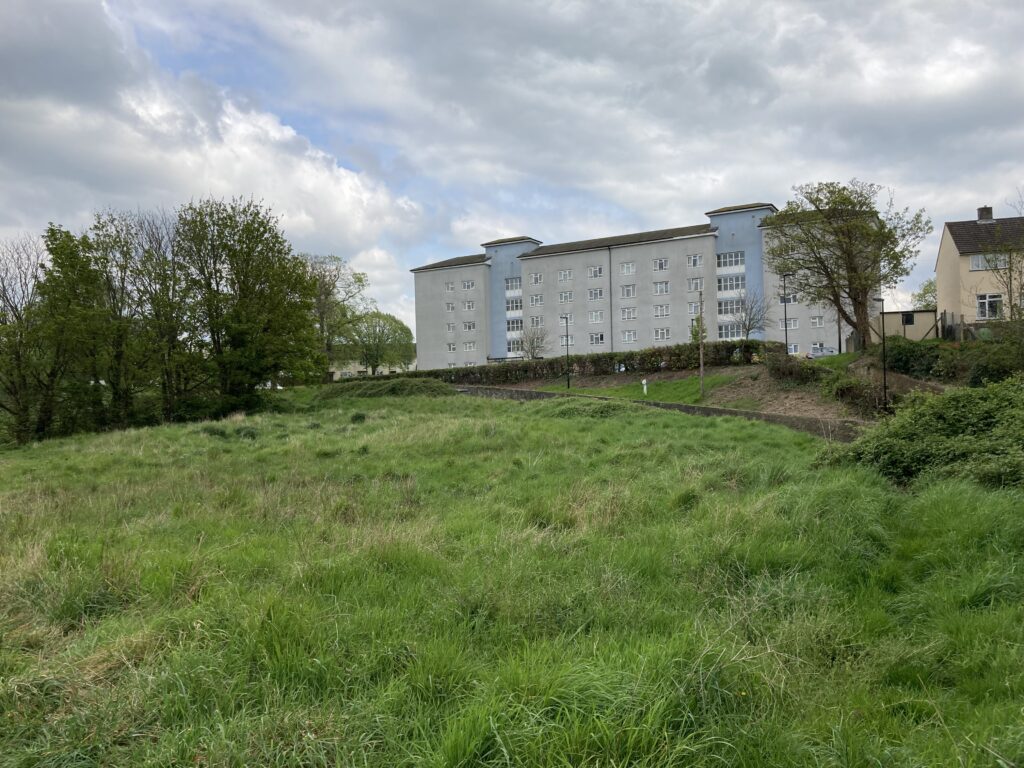
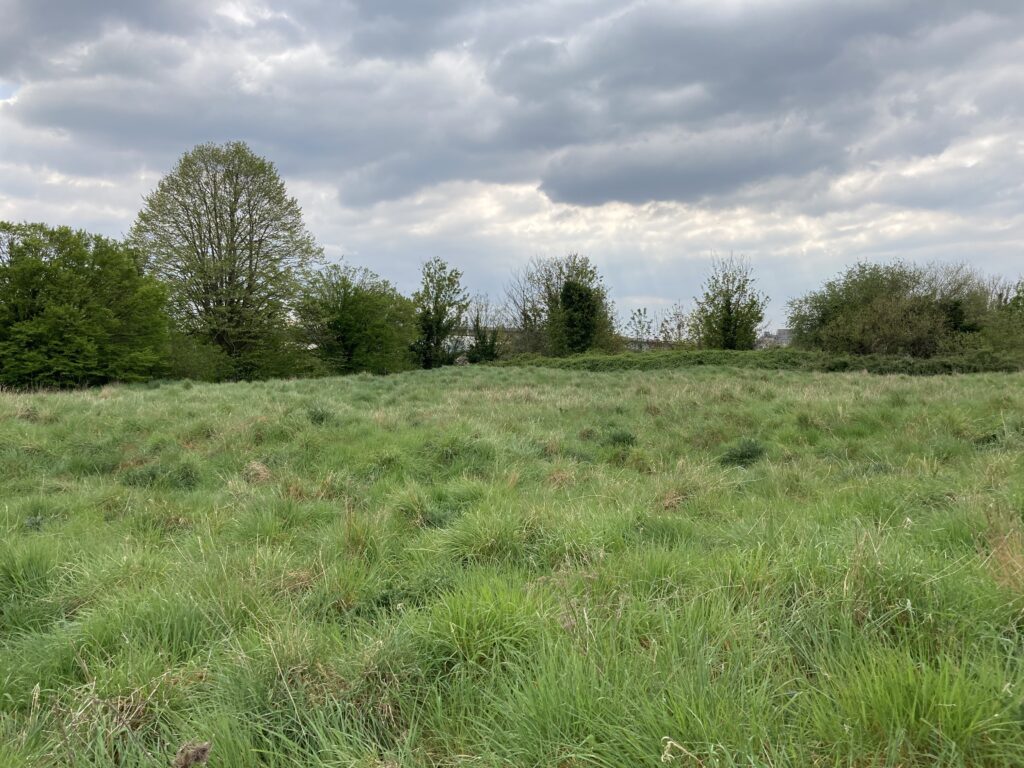
Supermarine and the air raids were on my mind because I had been researching them for my work in progress. As I walked back across the green, I tried to imagine what it must have been like back then, with bombs dropping and danger all around. Today, it looks like such a pleasant, peaceful place, untouched by bombs or wildfires. I suppose it goes to show how well Mother Nature prevails over everything mankind throws at her.
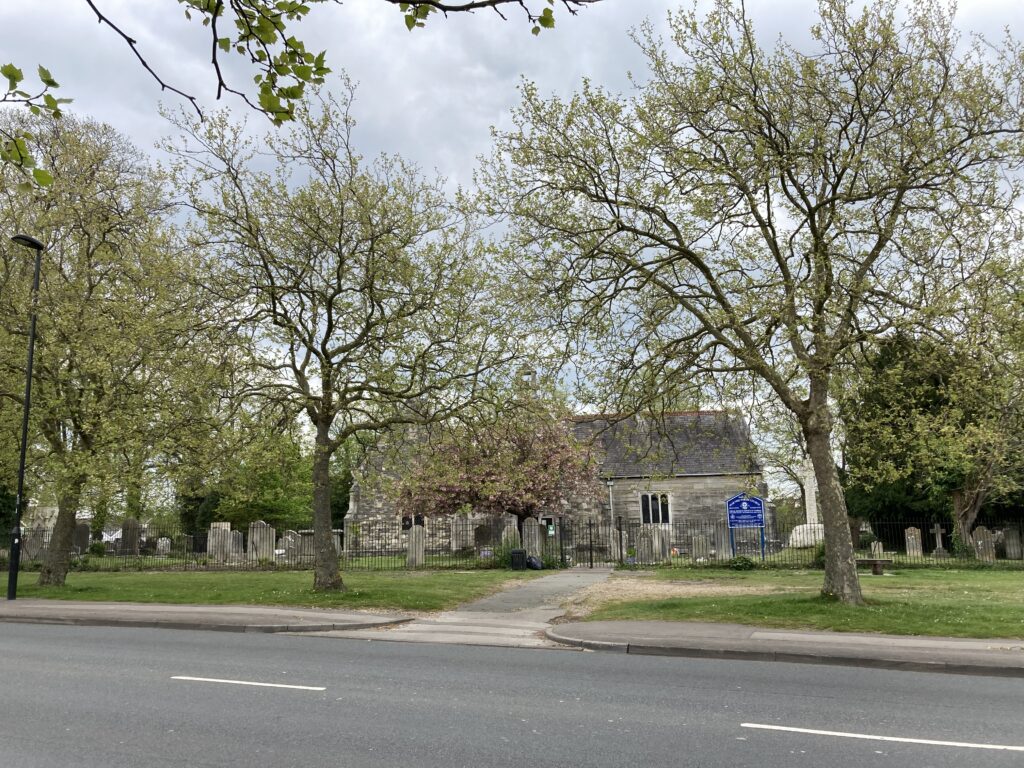
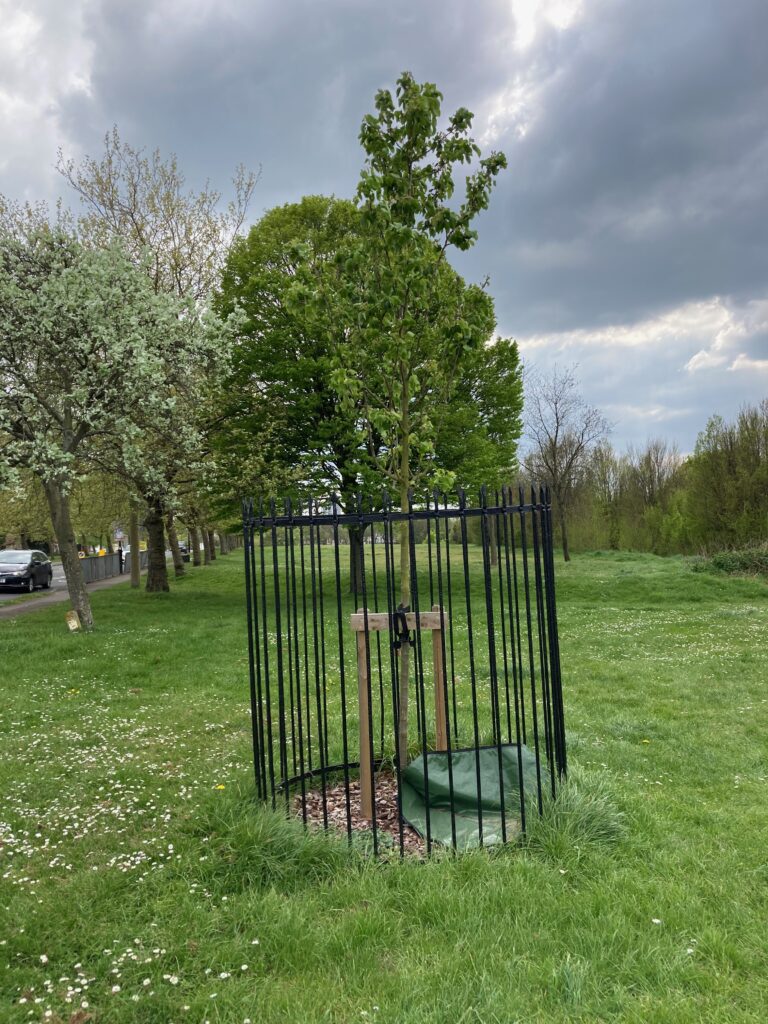
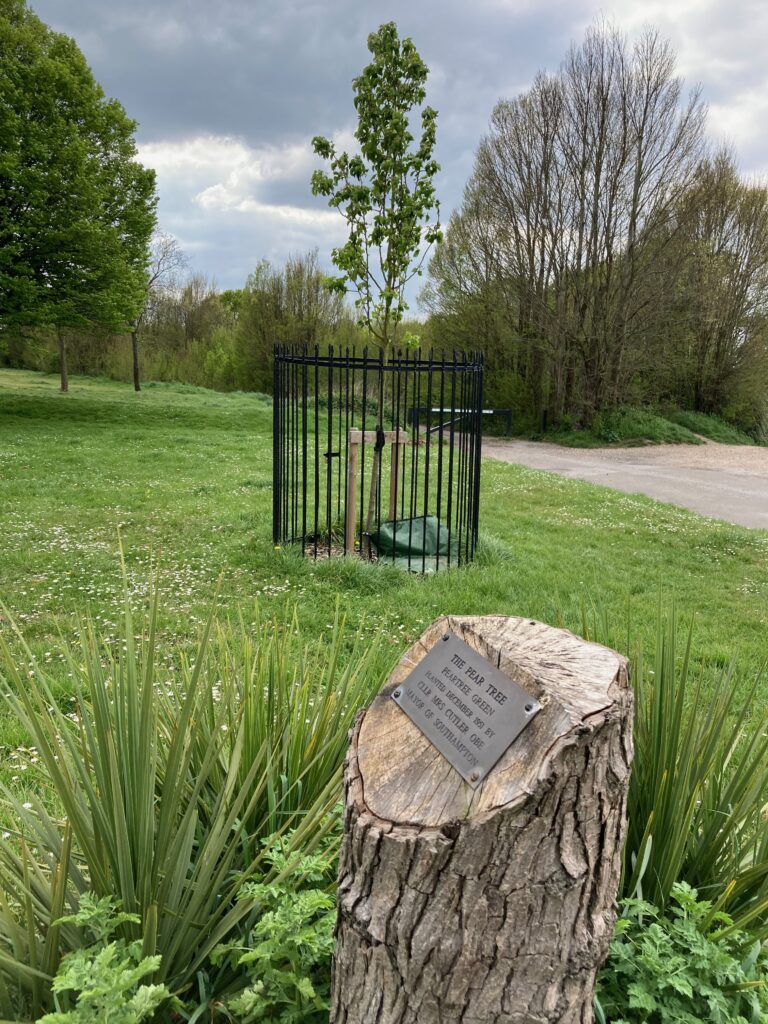
Rather than walk back the way I came, I chose a circular route up Peartree Avenue. There was one more thing I wanted to see before I went home. The area Peartree, including the green, the road and the little church that nestles on it, were all named for an ancient pear tree. No one knows when the original pear tree was planted, but myth has it that it survived for hundreds of years. Despite being almost torn in two by a lightning strike, it carried on bearing small round pears, beloved by the villagers. The tree must have finally died at some point, but in 1951, a new tree was planted by Southampton Mayor — Councillor Mrs Cutler. I wrote about it back in 2015 and took lots of photos of the beautiful round, golden fruit.
Last year, much to my dismay, I discovered the tree had been cut down. According to the council, it was diseased. Call me a cynic, but it seems a tad coincidental that a new 5G mast was due to be put up at almost the same spot. Anyway, a new tree has been planted a little way from the old one, and I wanted to see it for myself. It seems like a nice enough tree, although it’s disappointing that there will be no more pears for a few years. The stump of the old tree has been left, along with the plaque from the original fence. I wonder if this new tree will last as long as the original? I’d like to think so because an area called Peartree really does deserve to have a mythical pear tree on its green.
If you like what I write, and you’re interested in my novels are available now on Amazon in paperback, on Kindle and via Kindle Unlimited. Check out my Amazon page here and my Goodreads page here. If you would like to help me keep writing, you can now buy me a virtual coffee by clicking on the little orange coffee cup at the bottom right.
Thank you for this. I wondered where the air raid shelters were, and now I know.
Do you think the fire of 2013 was as extensive as this year’s, on 12 August?
I had been wondering the same, but when I was researching for a forthcoming novel, I discovered some maps and photos of the area which helped me work it out. Of course, there is no trace any more. I witnessed the 2013 fire as I was walking past on my way home from work. This recent fire doesn’t look to have been as bad and certainly, the damaged area looks far smaller. It is still a devastating loss in terms of the wildlife living there though.