
In the first half of the twentieth century, the pub had an important role in working class men’s lives. It was a place they could escape to at the end of a hard day’s work and somewhere they could gather with their friends. One of the things I noticed when I was researching Plagued and Land Fit For Heroes, was how many pubs there were in working class areas back then. Almost every street corner had one. Looking for a pub where my characters could go for a chat and a pint, I was spoilt for choice. In Plagued, I picked the Prince Consort in Netley and the Junction Inn in St Denys for Thomas, Joe and Bert to meet, The Cowherds, the Engineers Arms and the Park Inn were also mentioned. The Park Inn is now a lap dancing club and The Engineers Arms is derelict, but the other two pubs are still open. The same cannot be said for many of those street corner pubs. So where have they gone?

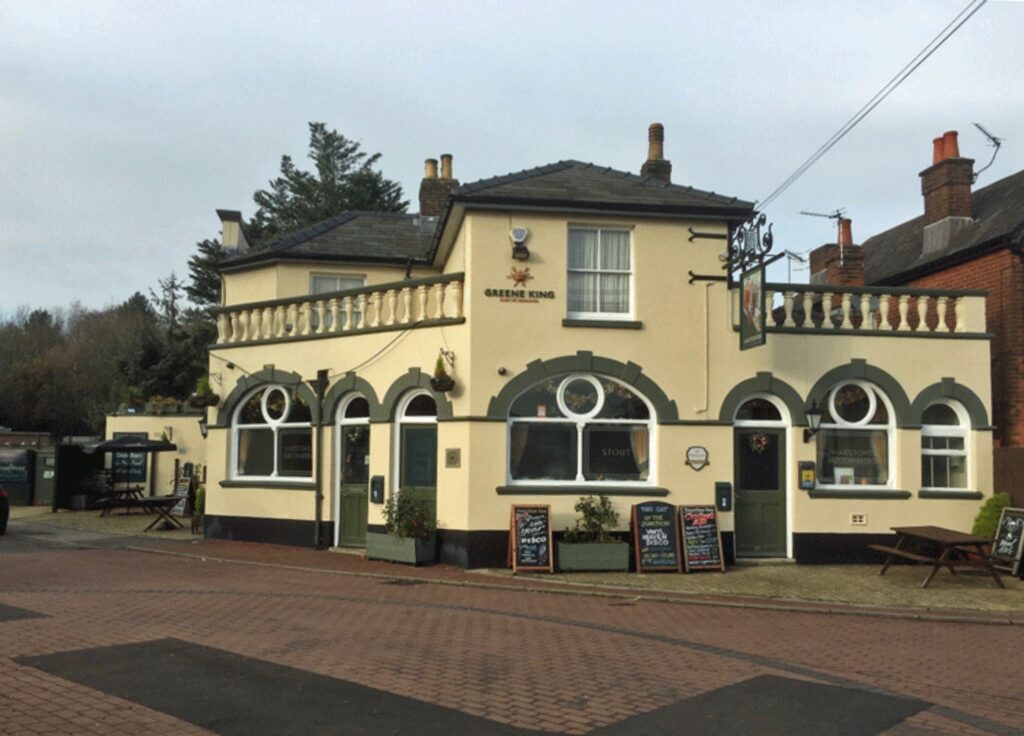


In the first chapter of Land Fit For Heroes, Lenny is roaming the streets of Northam and Chapel looking for his brother in Law, Percy. He knows Percy will be in one of the pubs, probably drunk and almost certainly getting into trouble. Finding the right pub and bringing him home is a long job. When I was plotting out his journey, and finding pubs for him to look in, several websites were invaluable. Obviously, Google Maps and the archive of historic OS maps came in handy, as did the 1925 Kellys Directory. I also had to visualise those pubs, even though most were long gone, or drastically changed. Luckily, I found an interesting website called Closing Pubs of Southampton to help me.
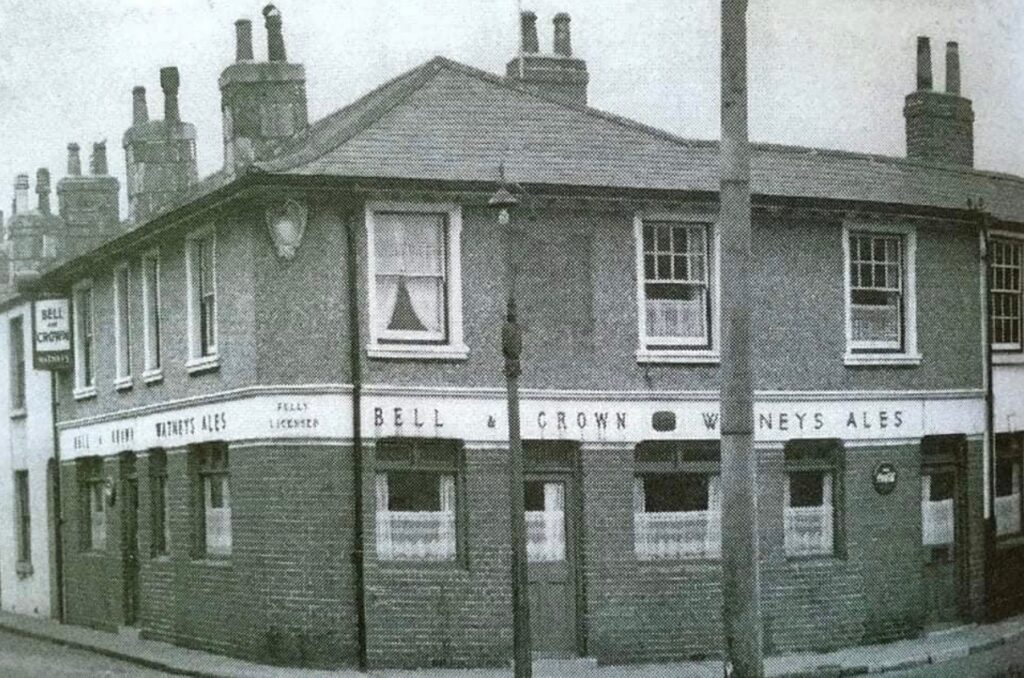
The first pub on Lenny’s quest was the Bell and Crown. It stood on the corner of Melbourne Street and Standford Street and the website told me it had opened in the late 1850’s as the British Queen. Being in such a run down area, I had a good idea what it would be like inside and the kind of men who’d have frequented it. The pubs of Northam and Chapel were where the men from the docks and the gasworks went to relax; all spit and sawdust, with the occasional fight. Kelly’s told me that the Bell and Crown was run by a woman called Mrs Amy Medway, who remarried in 1940 and became Mrs Amy Dunstan. I imagined her as a tough, no nonsense kind of woman. The Bell and Crown no longer exists. Melbourne Street was badly bombed in 1940 and, although the pub survived into the mid 1950’s, with many of the local houses gone, it eventually closed. In January 1966 it was demolished as part of the redevelopment of the area.

The next two pubs on Lenny’s list were the Apollo and the Durham in Chapel Road. The Apollo Inn was opened in the 1850s at 13 Chapel Road by brewer Francis Walsh. In 1871 another brewer, Samuel Bowles took it over and ten years later Jospeh and Louisa Chinnock were in charge. The Chinnock family remained in the pub until the 1920’s and eventually it appears that their youngest daughter, Harriet, took over. She is listed as Mrs Harriet Brierley, the last landlady, in the 1925 Kelly’s directory.
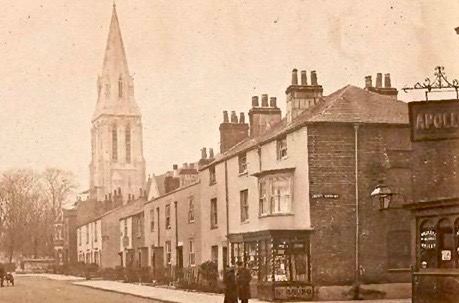
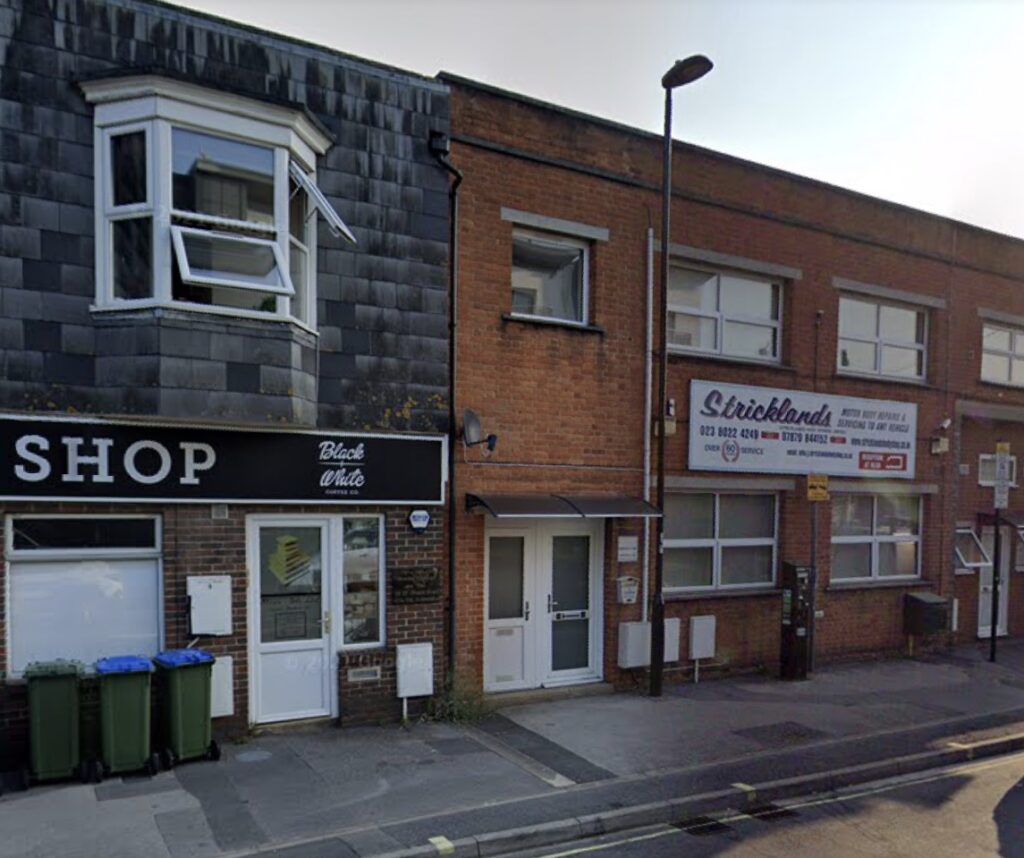
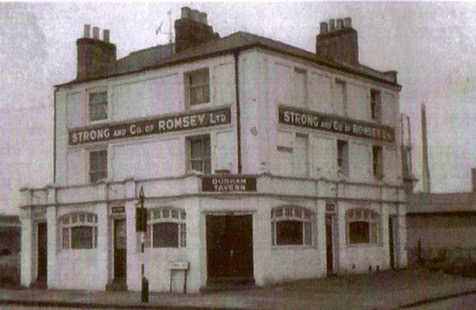
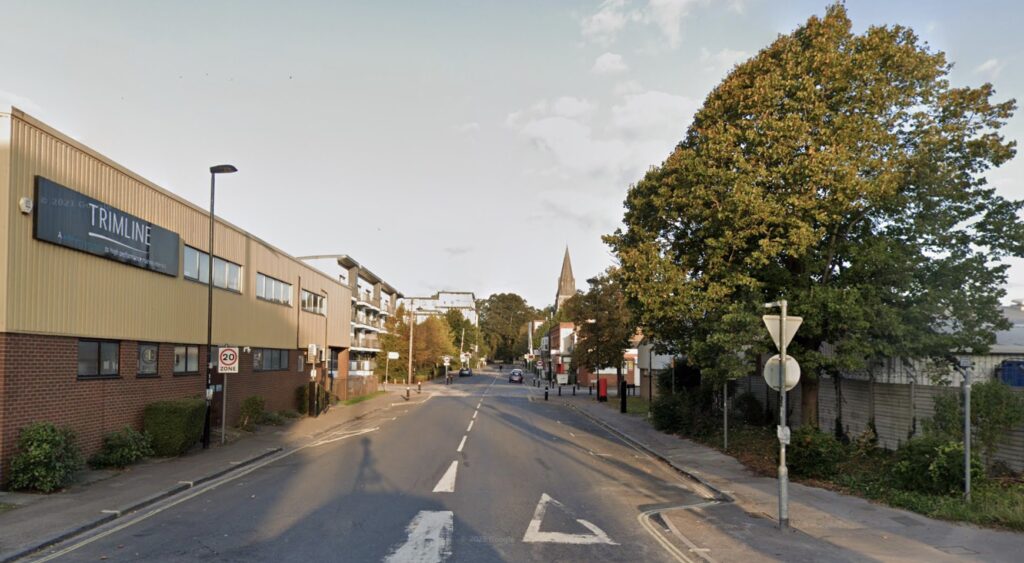
The Durham Tavern stood on the corner of Chapel Road and Marine Parade. It began life as the Floating Bridge Tavern in the 1830’s and became the Durham Tavern in the 1870’s. In the 1920’s George Harper was the landlord. The licence finally lapsed in 1970 and the pub was later demolished. Today Trimline, a marine refurbishment specialist has taken its place.
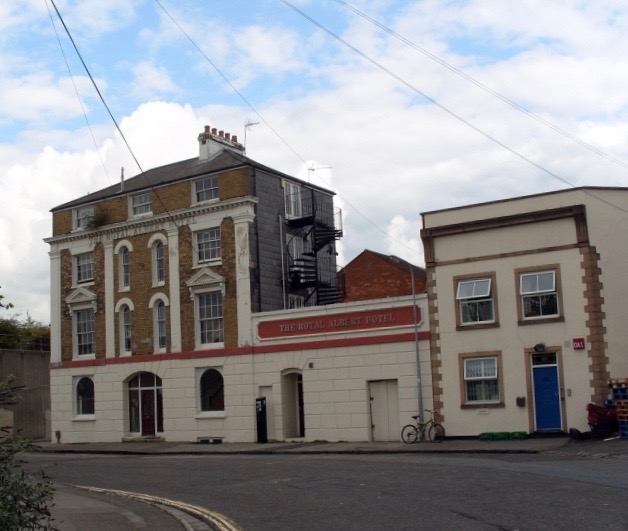
Lenny finally caught up with Percy in the Royal Albert Hotel on Albert Road. The Royal Albert still stands today, although it is no longer a pub. It began life in the 1850’s as a Scrases Star brewery pub and remained a pub until the mid 1970’s. The building of the Itchen Bridge was probably its downfall as it stands right in the shadow of it today. There was even talk of knocking it down at the time the bridge was being built. Thankfully it was saved and is now grade II listed and has been converted into flats.
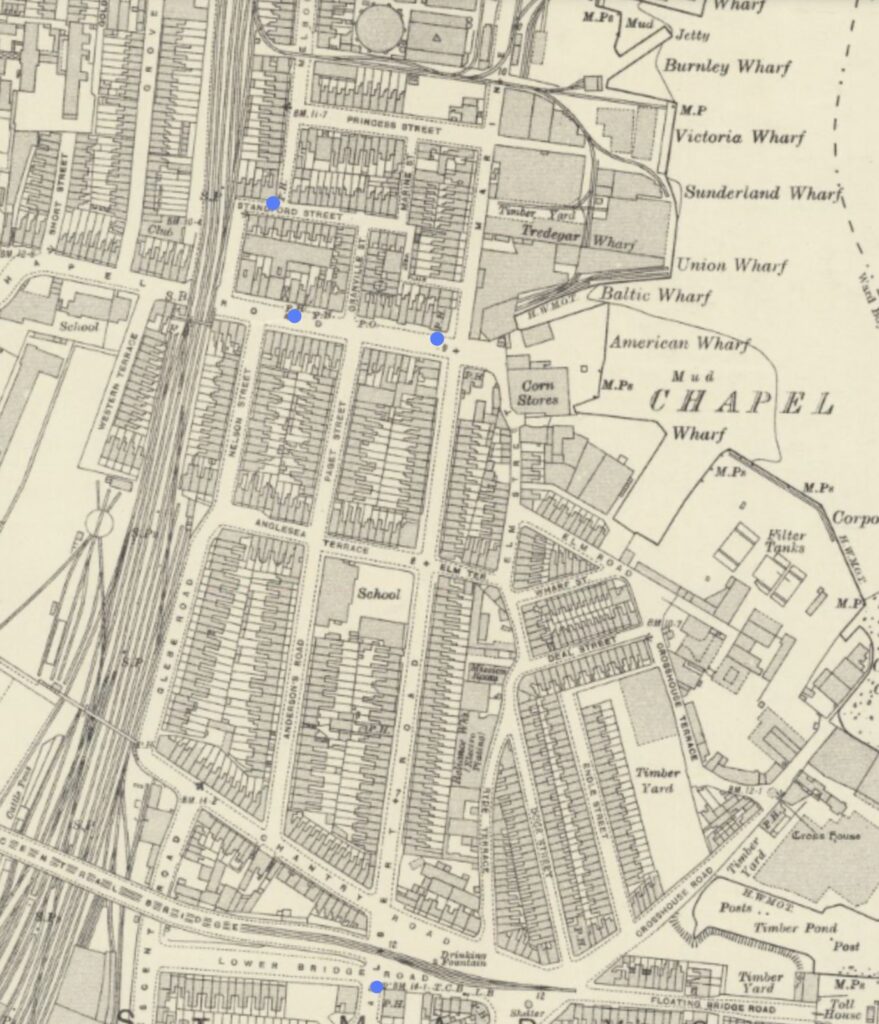
In the story, Lenny wasn’t much of a drinker but Percy liked a drink, and several other local pubs are featured in the book. The railway Tavern is one of them. It stood on Albert Road, directly opposite the Durham Tavern and in front of the corn stores of the American Wharf. Like the pubs on Chapel Road, it was a rough and ready kind of place, frequented by dockers and warehouseman. Augustus Parsons would have been the landlord in 1926. It was destroyed during the bombing of 1940 and never rebuilt.
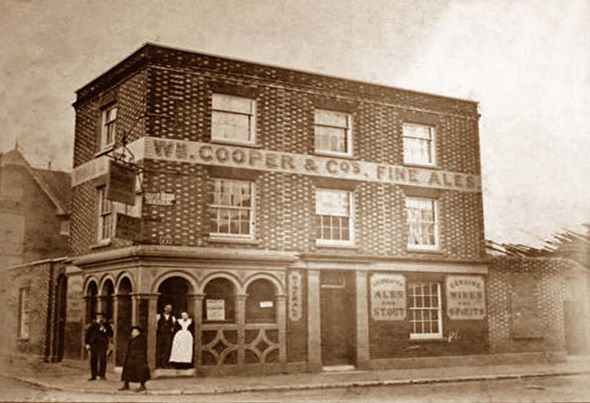
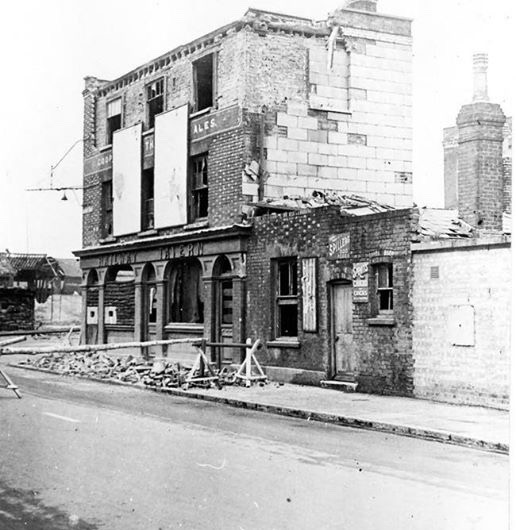
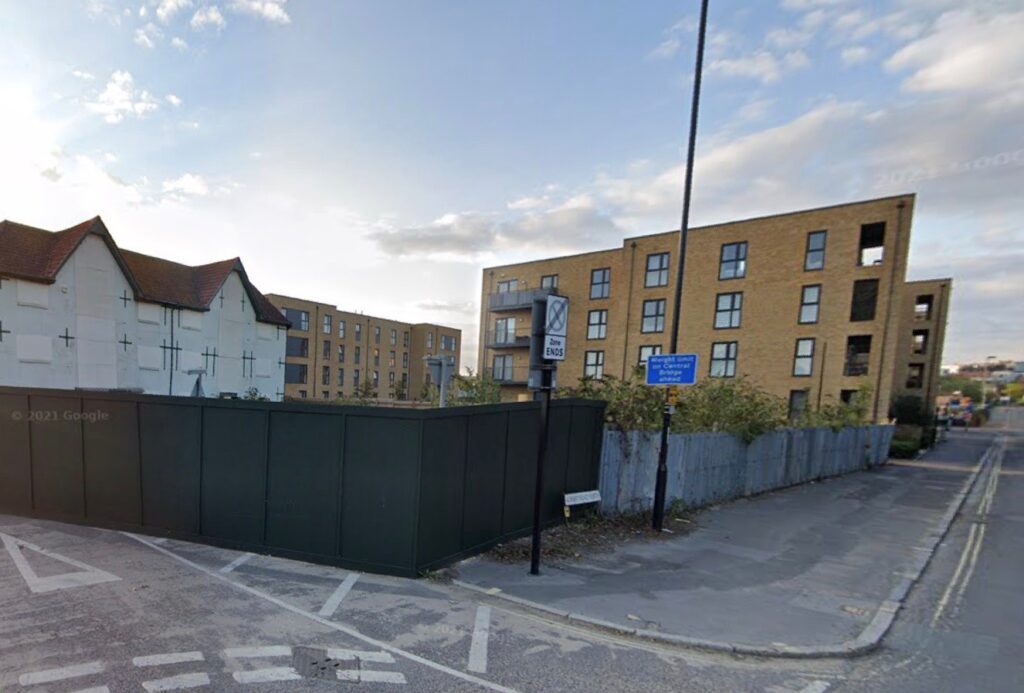
The London Hotel is another pub Percy visits in the story. Unlike most of the pubs he frequents, it’s a bit posh, mostly because it’s on Oxford Street, right opposite Terminus Station, where all the first class passengers on the big cruise liners once stayed. It’s a rather grand looking pub, and from the outside, it looks much the same as it would have back in the mid 1920’s. It is still a pub today, although it isn’t quite as posh. It is, however, still very vibrant, although these days more with drag acts than cruise passengers.

The final Southampton pub to feature in the book is the Bristol Hotel on the corner of Richmond Street and Terminus Terrace. I chose this pub because it was opposite the arches under Central Bridge, and it played a pivotal role in my plot. It began life in the 1850’s as the Union Hotel and later changed its name to the Bristol Hotel. It was another of those street corner pubs that working class men like Lenny and Percy frequented. It was demolished in the 1960’s and today there are student flats on the site.

Of the twelve Southampton pubs featured in my first two books, only four remain in business today. How did we get from a pub on every street corner and a few in between, to hardly any? Some, like the Railway Tavern, were victims of the Southampton blitz. Others, like the Bell and Crown, were swept away by slum clearance in the 1960’s. What of the others though, the pubs like the Royal Albert that are still standing but are no longer pubs?
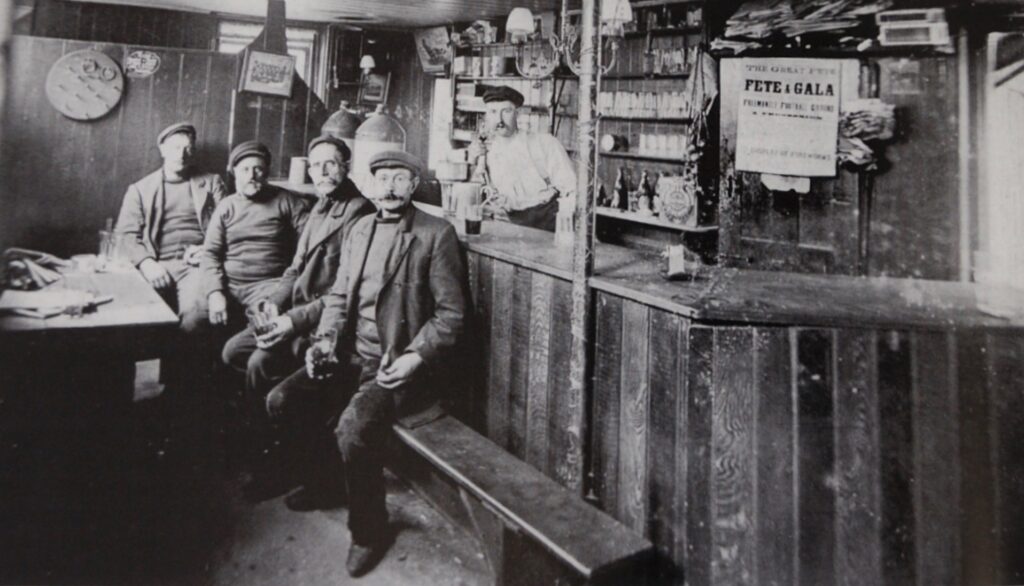
I’m not sure there is one simple answer, although the fact that a pint would have cost Percy around 3d, back in 1926, compared to £3, or more today has played some part. In the 1920’s there wasn’t much else for working men to do of an evening, other than go to the pub. There was no TV, most working class people didn’t even have radios. Today, we have not just TV and radio, but computers, games machines, streaming services like Netflix, social media and goodness knows what else. Work is less physically demanding than it was, so many people spend their spare time in the gym, or join running clubs, or martial arts groups. Now there are dating sites, so people don’t even go to the pub, or to a dance to meet members of the opposite sex. All those things and more, mean that the pub is no longer the great British working class institution it once was. To me, it feels like a sad loss.
If you like what I write, and you’re interested in my novels are available now on Amazon in paperback, on Kindle and via Kindle Unlimited. Check out my Amazon page here and my Goodreads page here. If you would like to help me keep writing, you can now buy me a virtual coffee by clicking on the little orange coffee cup at the bottom right.
Marie, it’s possible that you’re familiar with this site and the specific request, but I thought I’d bring it to your attention anyway as it seems that what you write and research would very probably be of interest to ‘Historic England’ in their quest for historical information of English life which you so succinctly and interestingly portray. I hope it is of interest to you and that you can contribute to them. Your call.
https://historicengland.org.uk/whats-new/news/grants-to-uncover-nations-hidden-working-class-heritage/?utm_medium=email&utm_source=newsletter&utm_campaign=news
Thank you. I will take a look.
What a fascinating post about the history of Southampton pubs. Sad that so many have gone. I loved all the old photos. I recently took a photo of The London Hotel myself, for a photo project. I think it’s an attractive building.
Thank you. The London is a truly beautiful pub. I love the green tiles and the gold lettering. Seeing how many pubs are closing or changing into something else, I think I need to take more photos of pubs for posterity.
The Cowherds was the first pub in which I bought an alcoholic drink. There are lots of smaller pubs now. My local is a micro pub in what used to be a small shop. There are lots of them all over Southampton, but they tend to specialise in expensive beer.
Oddly, I’ve never been inside the Cowherds. I must rectify that soon. There are a couple of microbreweries near me. Maybe that is the future of drinking? I do miss the old spit and sawdust pubs of my youth though, the ones with a lounge and public bar. My first pub was the Castle, at Midanbury. Sadly now a Tesco Express.
Not a loss,a blessing.So many women were the victims of drunk husbands returning home after drinking.Being beaten up and raped.Good riddance to pubs.I have never liked them.
There was certainly an element of that, but they were also places where the working classes could socialise. I think we have lost that in recent years.
My biological father was raised at the Bristol Hotel. Stuart Bertram Jacobs (later became Stuart Bertram Stuart) was the son of Harry Jacobs who was the Landlord there for quite a number of years. We do not think that Harry’s wife Daisy Cooper was Stuart’s mother. Harry was a Ships Steward and had some connection with the Brickwood Ales family who we believe owned the pub. Even in the photo is has the Brickwood Ales sign on the building.
Thanks for the information