The last walk

image

31 December 2015

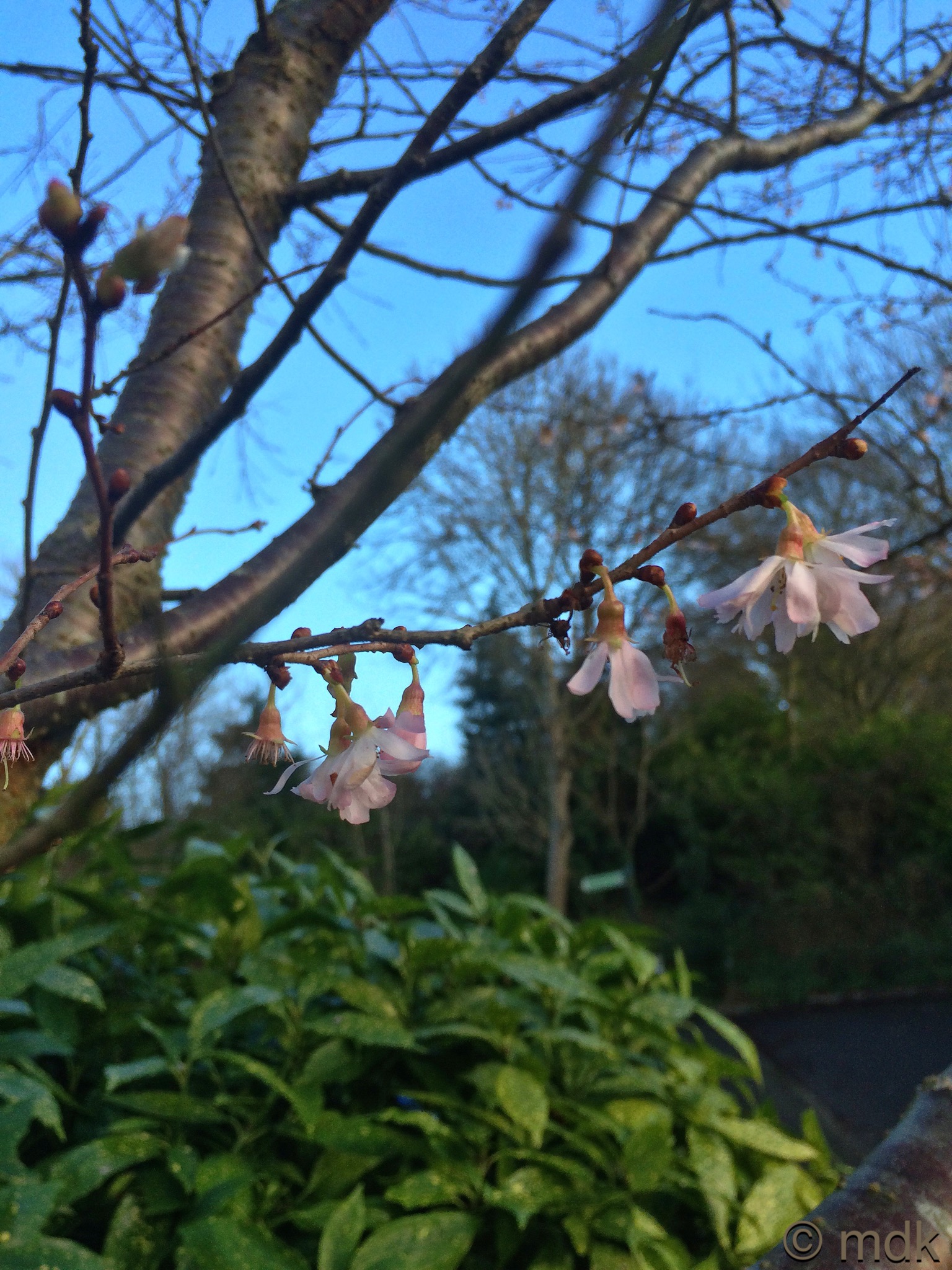
It seemed fitting that my last walk of the year should be one of my oldest routes. In fact, looking back. It was my last walk of 2014 too so it seems to be a bit of a tradition. The weatherman said it would stay dry until mid afternoon but I didn’t really believe him so I made sure I was well waterproofed when I set off. The sky was blue, I’d almost forgotten sky came in colours other than grey. Although it was colder than it has been, the proof that this has been one of the warmest December’s on record came as I headed for Monks Walk and saw blossom on a tree. Continue reading The last walk
When you stop looking…

image

1 December 2015

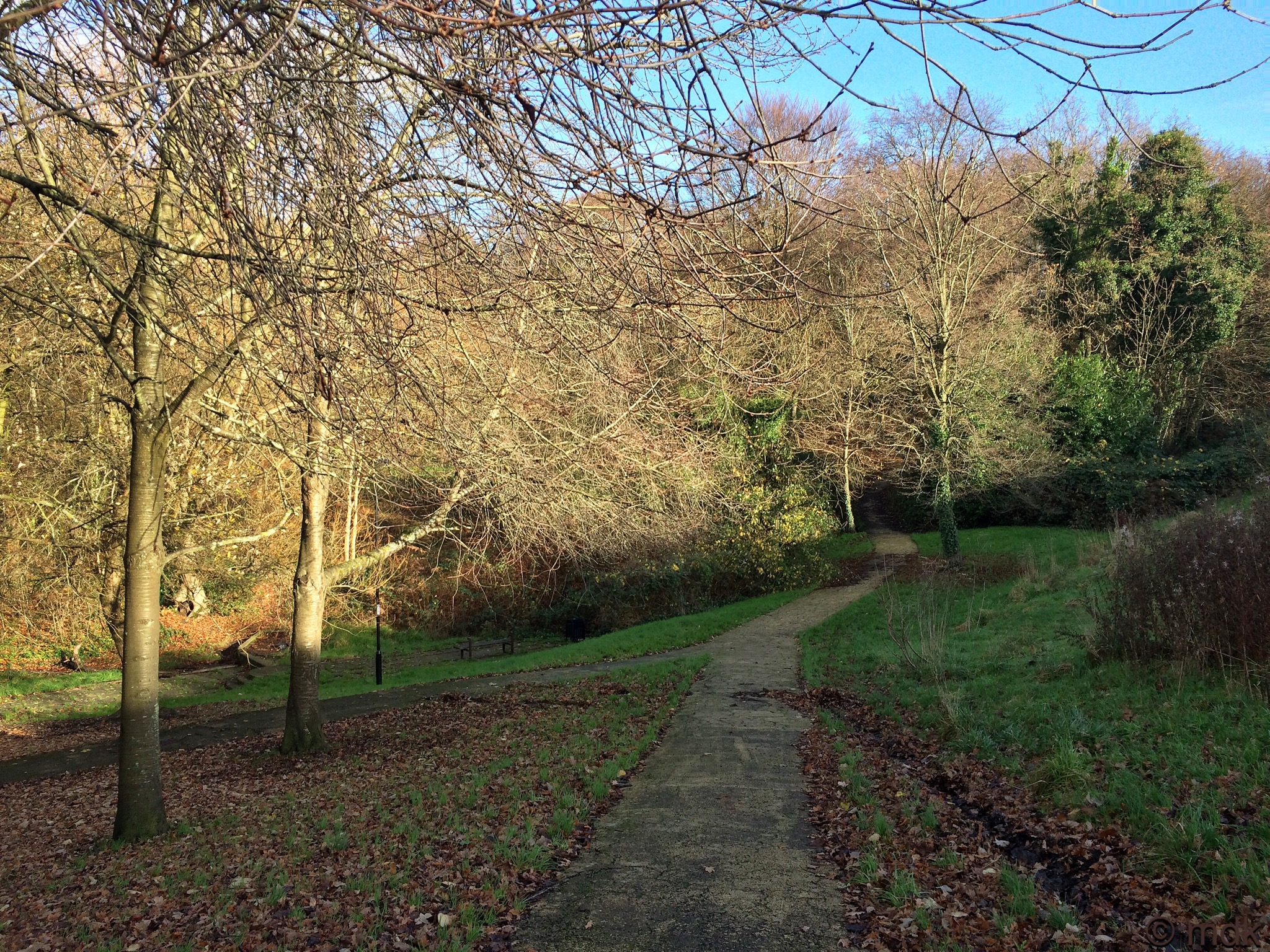
If November had had a theme it would have been rain and swans. Now November is over and done with I’m hoping one of those will have disappeared with it and you know very well I’m not talking about the swans. The beginning of December also brought the need to think about Christmas presents and I had a bit of a creative idea that involved a trip to the Hobby Shop next to the Swan Garden Centre. Originally I’d planned to drive there to save time but there was blue sky and sunshine outside so I took it as an omen that I should walk. None of the things I needed to buy were big or heavy after all and I had all the time in the world. Continue reading When you stop looking…

A whole new cygnet hunt

image

2 November 2015

This morning I was looking through some of the posts I’d missed on the Southampton Heritage Facebook page and could hardly believe my eyes when I saw a picture of the black swans on the Itchen with five little cygnets. This is more unusual than you might think. The black swan, Cygnus atratus, is actually a native of Australia and New Zealand, not England. The first black swan arrived in 1791 as an ornamental bird and they became quite popular in zoological gardens and private bird collections. Over time a few escaped and wild birds, like the ones on the Itchen, all have their origins in captivity. With so few in the wild, breeding pairs have always been a rarity and until 2005 just twenty pairs were reported to be breeding throughout the whole of the UK. At the last count, in 2011, this number had risen to twenty eight. Continue reading A whole new cygnet hunt