
Walking the medieval Southampton walls had been interesting but it had also been a bit of a distraction from the main objective, which was to complete my eight mile Moonwalk Training walk. Although I’d completed a circuit of the walls there was still a lot of mileage ahead… They would be interesting miles.
16 February 2013
My walk of the walls had come full circle and I was back at God’s House Tower, or at least Winkle Street, the street I’d peered through the arch at earlier. This narrow alley runs behind the buildings of the tower and Town Quay as far as the High Street. Hidden away here is the French church, St Julien’s, the chapel of the Hospital of St. Julien or God’s House, almshouse. Known as the French church because it was used by French Protestants from the sixteenth century until 1939, it is now a privately owned building so I could only peer through the gate.
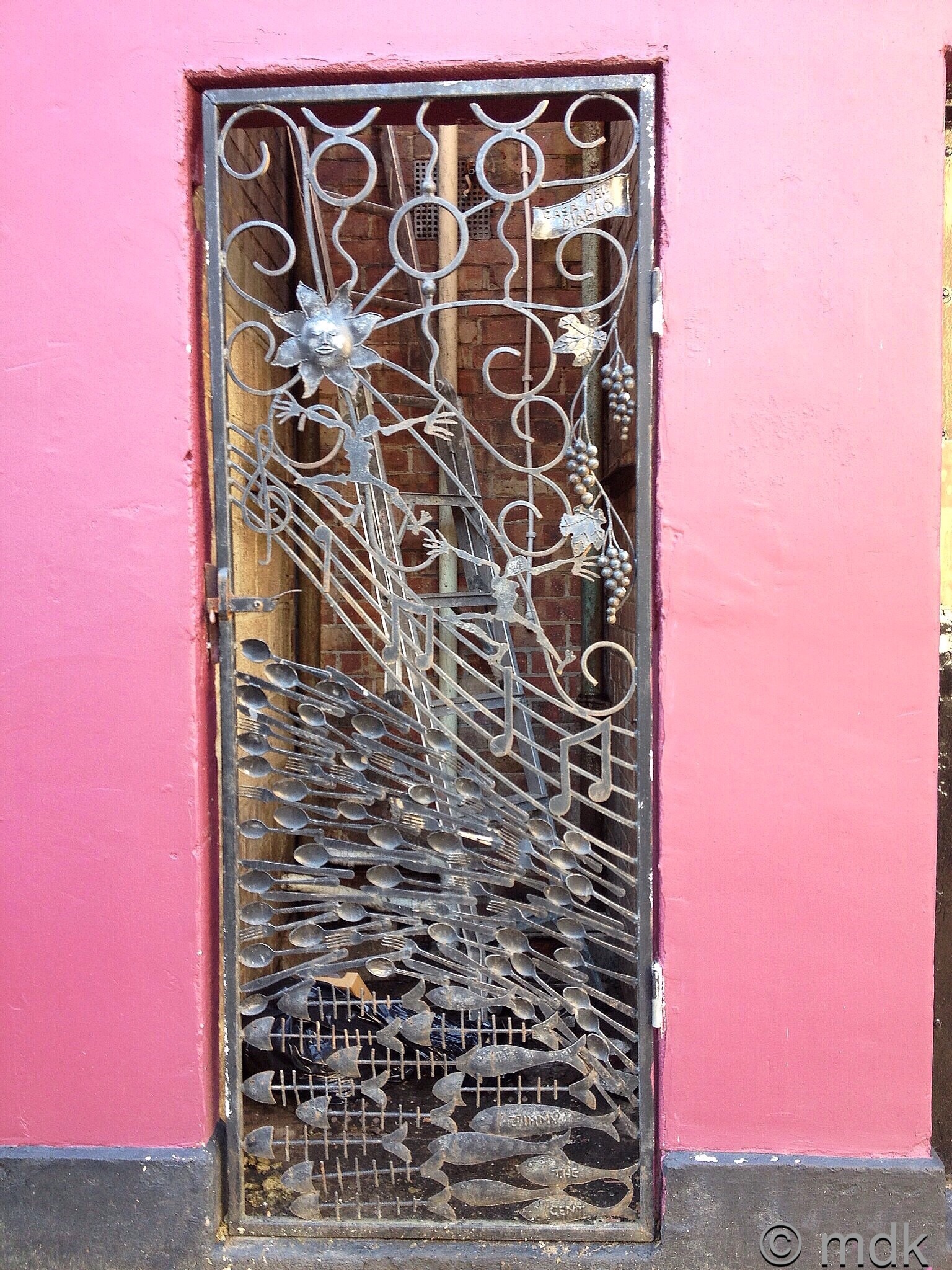
Directly opposite, at the back of the Platform Tavern, I spotted the most outlandishly quirky wrought iron gate depicting grapes, the sun, musical notes, a sea of spoons, a shoal of fish and fish bones. I have no idea what it was all about but I loved it. It’s just the sort of thing I’d have on my house, well, maybe without the fish bones.
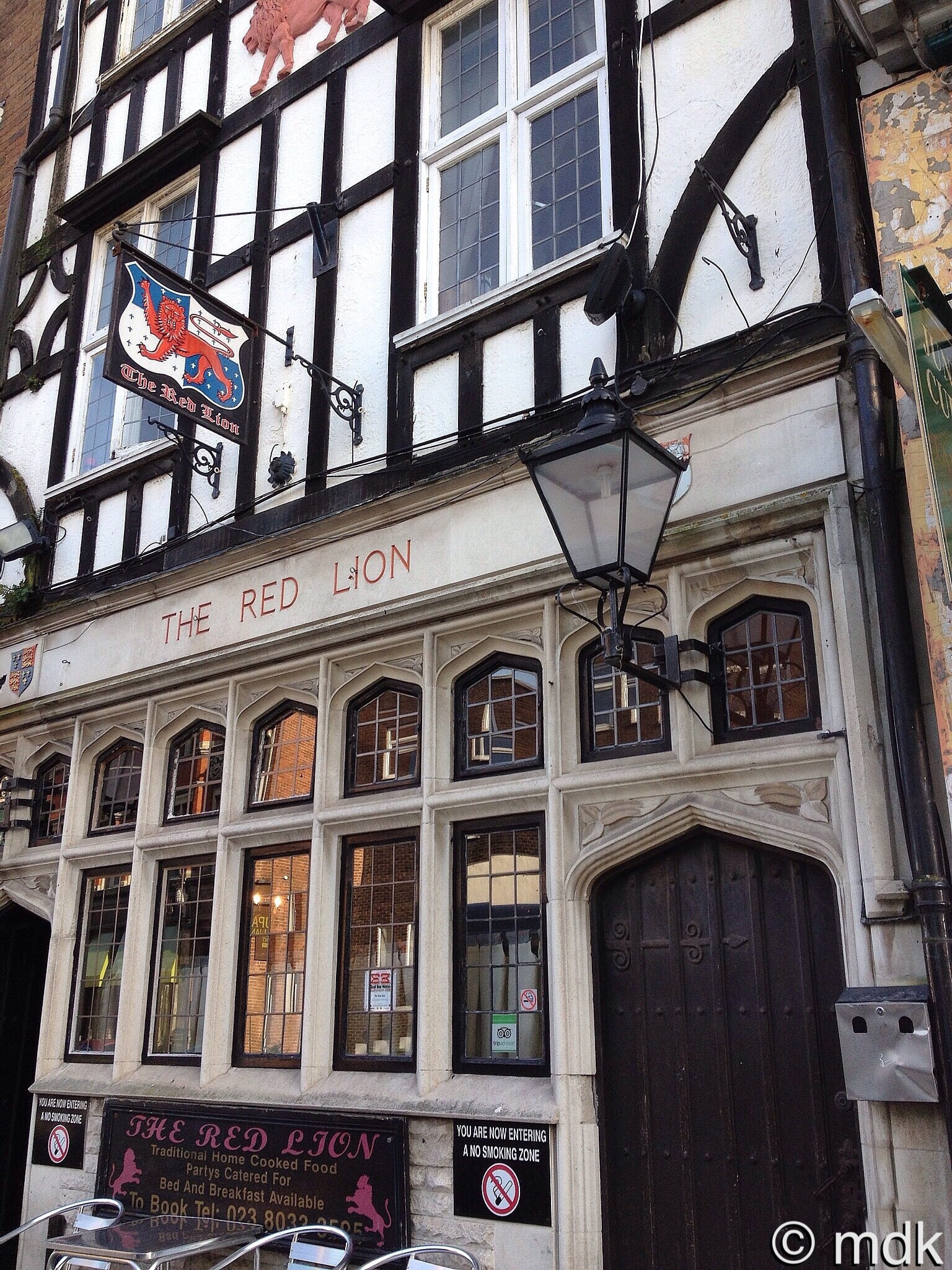
Still smiling to myself and wondering where I might get such a gate, I set off up the High Street. Soon I was passing the Red Lion, the oldest pub in the city and one with a long history. This building was a pub when the old walls were new and it’s seen it’s share of historic events. Henry V drank there before he left for Agincourt and it is reputed to have more than twenty resident ghosts. The door was open and I did have a little peek inside but I saw no sign of a single ghost. How disappointing!
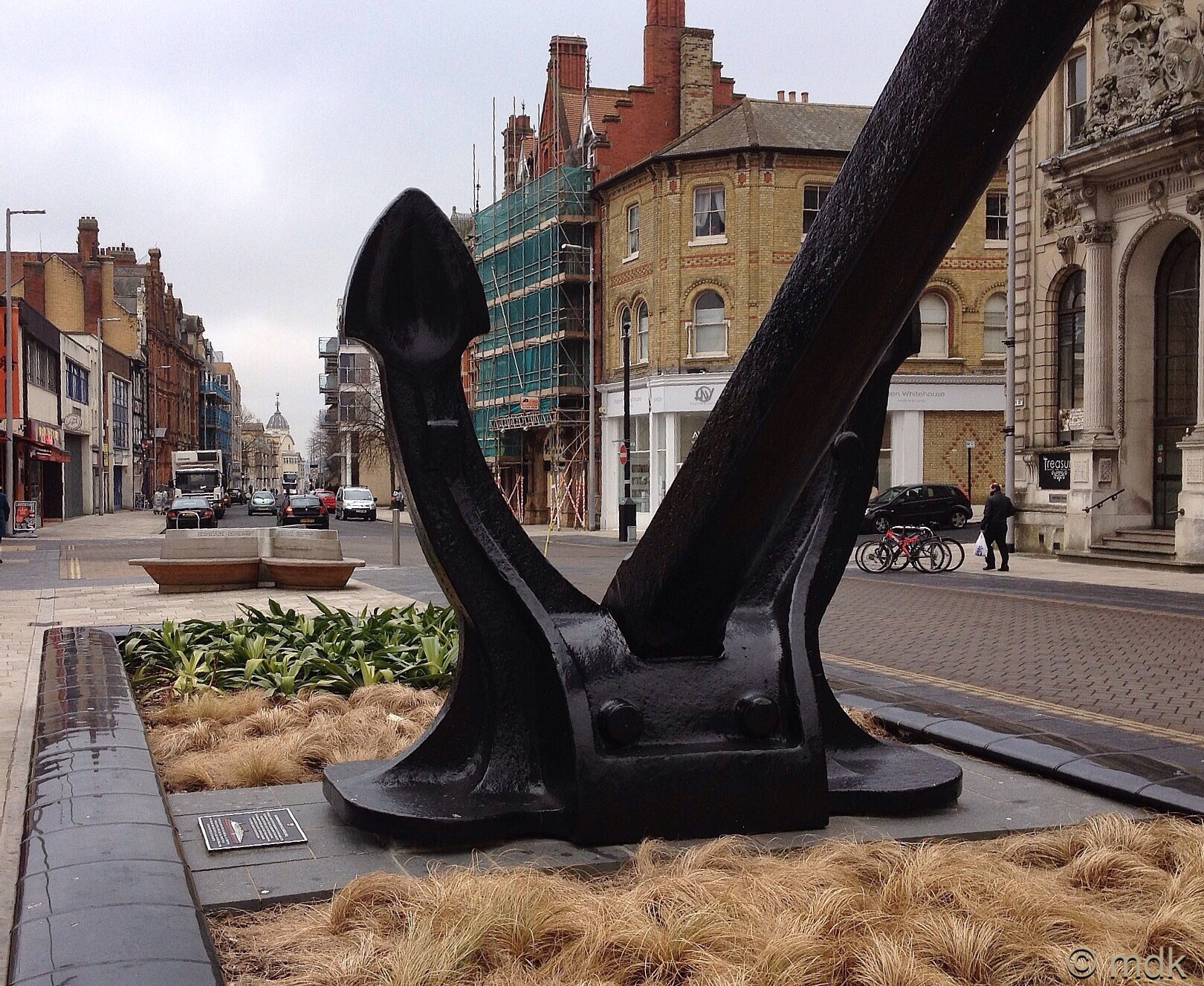
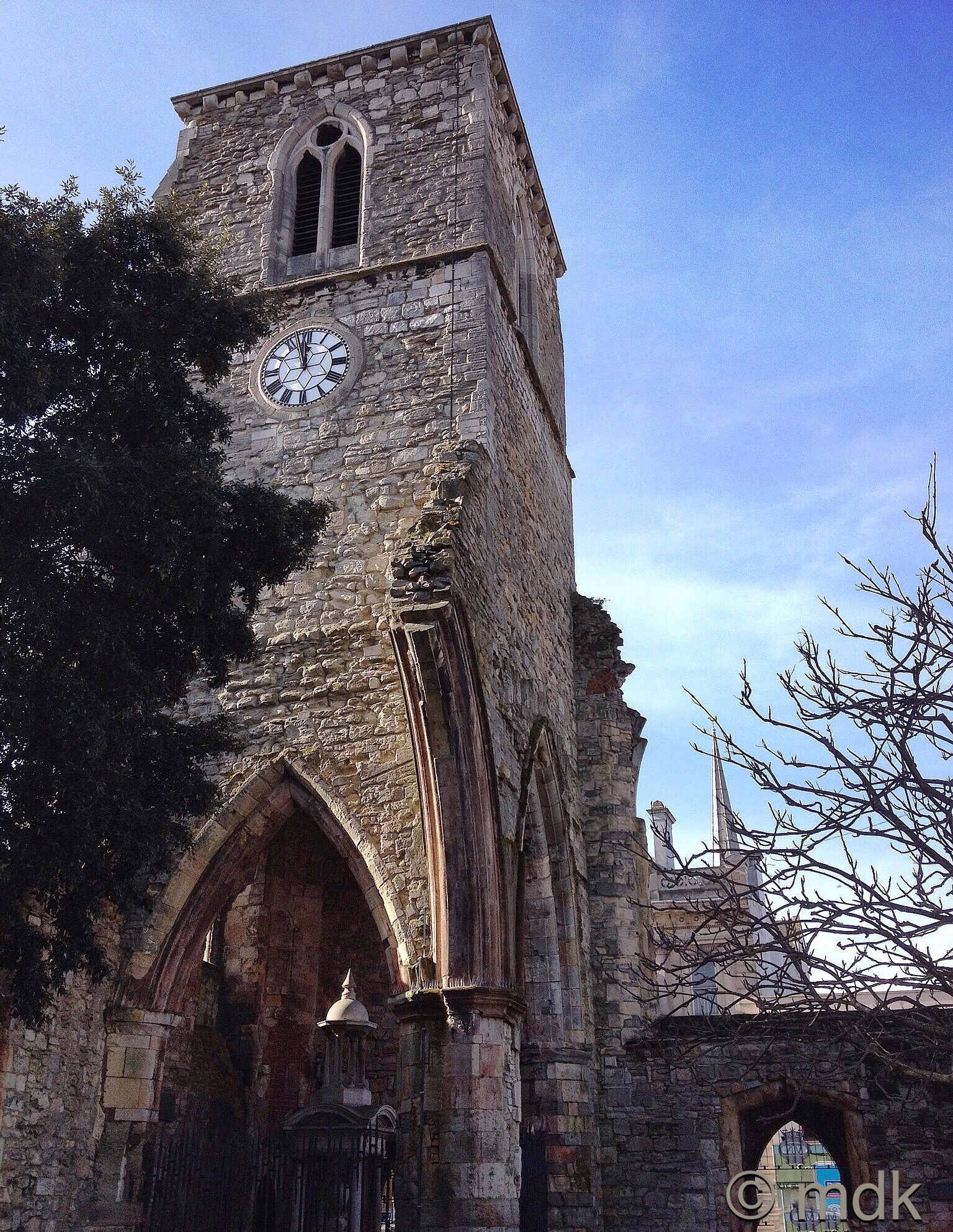
When I reached the giant QE2 anchor outside Holyrood Church I stopped for a look around. The church is now just a shell. Built in the early fourteenth century it was one of five churches in the old walled city. This was where crusaders en route to the Holy Land and soldiers about to sail to the battle of Agincourt came to pray. Right up until the Second World War it was in use as a church but, during the terrible bombing raids in November 1940, it was more or less destroyed. Because of its long history, it has been kept as a monument to sailors of the Merchant Navy.
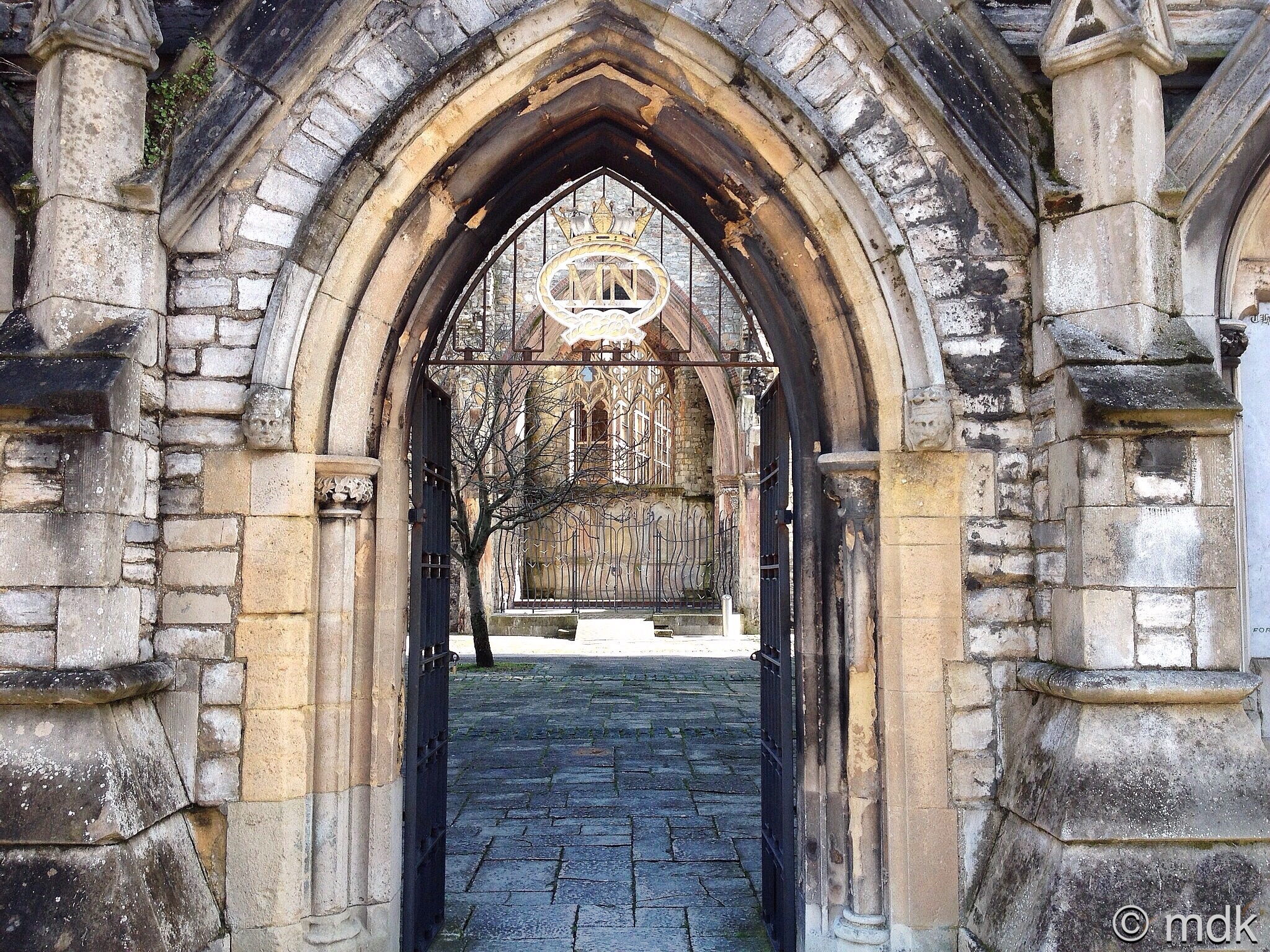
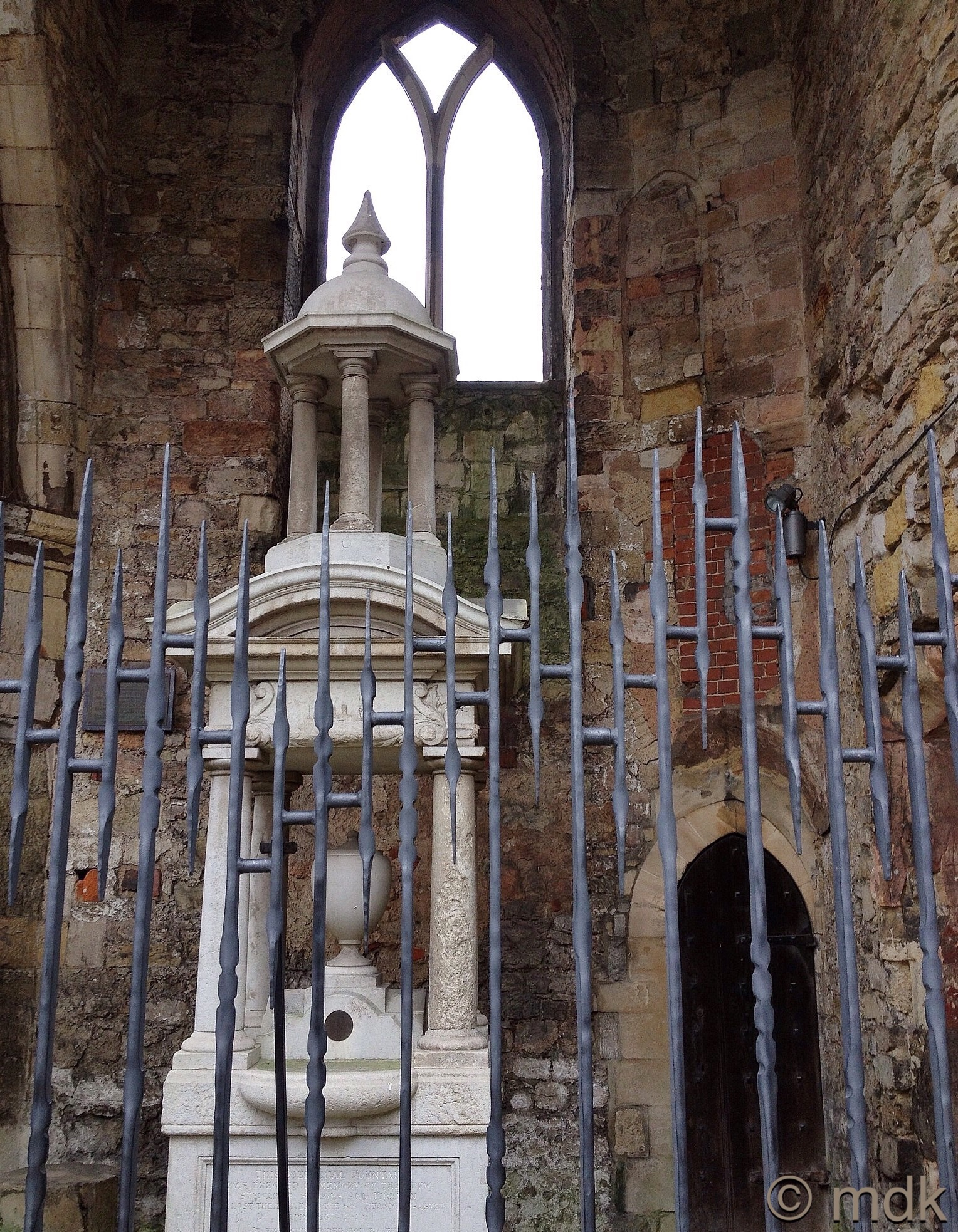
There isn’t much left now, just the tower, the chancel and a few bits of broken wall. Even so it’s a beautiful place with an eerie calm about it. At the arch of the open door I stood for a moment, looking towards the chancel and the beautiful wrought iron railings, added thanks to the Heritage Lottery Fund. I thought of all the people who’d worshipped there, been married, christened, sent off on their final journey. I looked at the small Titanic memorial just inside the door, then I walked up to the chancel for a closer look, passing the large anchor as I did. A tree now grows in the centre of the church and somehow it seems quite fitting. I’m glad I stopped to spend a moment there, it left me with a feeling of peace.

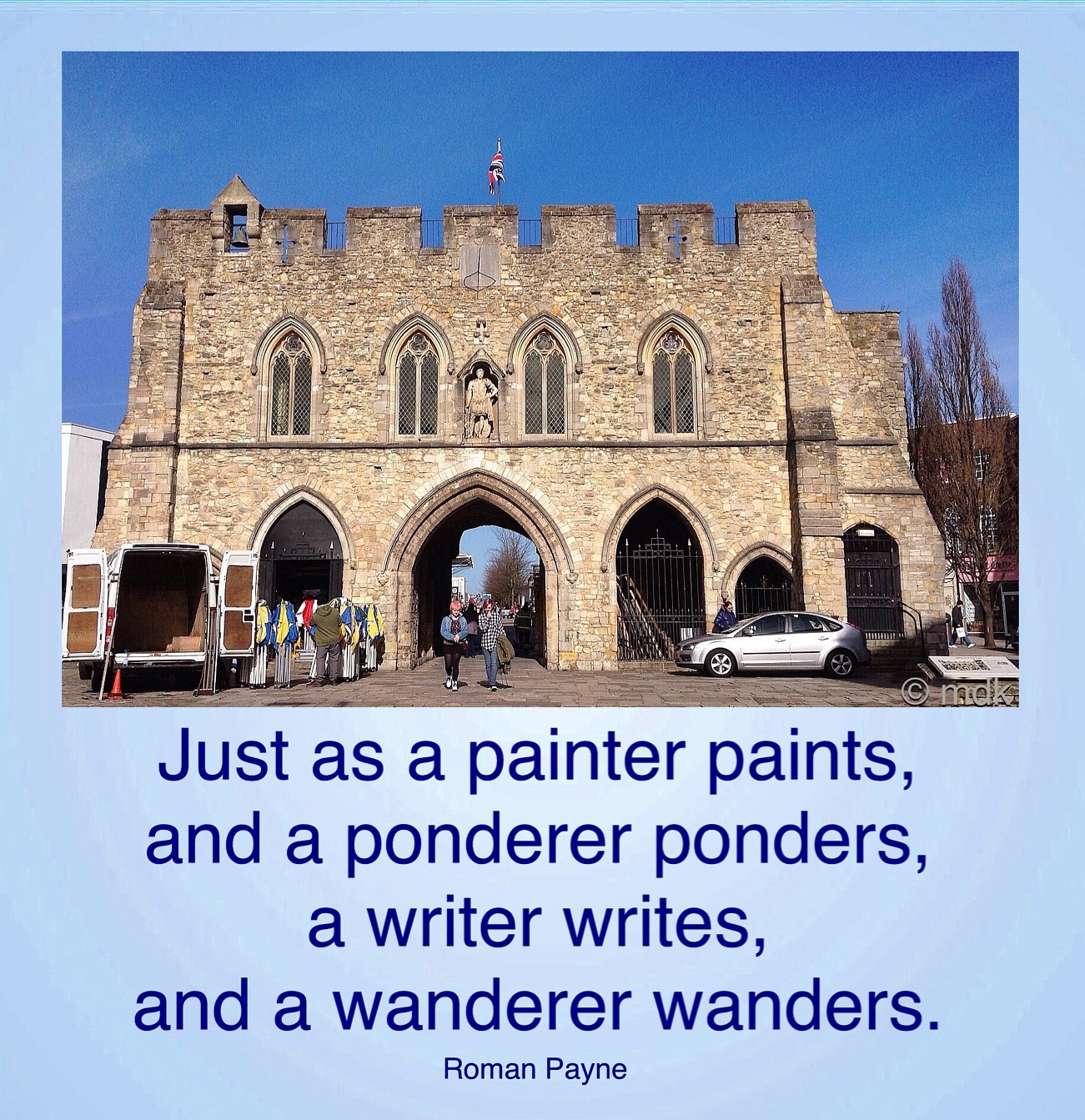
The Bargate was my next landmark. It is something instantly recognisable to everyone in this City, in fact it’s the symbol of the city. This gate and the hall above it, were built in the early thirteenth century. The hall was used as a guildhall, later as a courtroom. It stayed a courtroom until just before the second Second World War, when the civic centre was built, with the rooms below being used as a prison. People passing in or out of the town through the Bargate would have to stop to pay taxes, custom on goods entering or leaving and a toll. I suspect the people walking through didn’t feel as fond of those arches as we do today.
Once I’d walked through the arch into Above Bar my tour of the old town came to an end although this was by no means the end of my walk. With so much history to look at I’d been dawdling, now I started marching faster again. Pulling my phone out of my pocket I checked my distance on WalkJogRun and was a bit unhappy to see the battery was getting low. That’ll be all the photos I took I suppose. I knew it wouldn’t hold out until I got home if I didn’t switch off the GPS. Because of all the detours I was already well over the mileage I’d planned so I figured if I carried on and walked the rest of the planned route I’d be well over the eight miles anyway. This time not being able to track the walk wasn’t too much of a problem but I think I’m going to have to stop using WalkJogRun for the walks and just keep it for the planning from now on. The Garmin will have to come back out.
As soon as I could I turned off ino the parks and walked along the twisting path through Palmerston Park, close to the statue of Palmerston himself. This is the park where my hardy little rhododendron grows. In the week, it was looking quite sad and exhausted but when I passed by I couldn’t believe my eyes. What I’d thought was a leaf bud had burst open and yet another dark pink flower was beginning to unfurl. That little shrub is almost miraculous.
From there I crossed the road and power walked through East Park, making for the ornamental archway I used to walk through every morning on my way to Dream Factory. I loved the way the plants changed, there was always something new to look at. Today I was disappointed, the wisteria is yet to spring into life and the gardeners have cleared the beds beside it in preparation for spring planting so there was nothing but bare earth to see. Oh well, you win some you lose some. At least it’s something to look forward to another time.
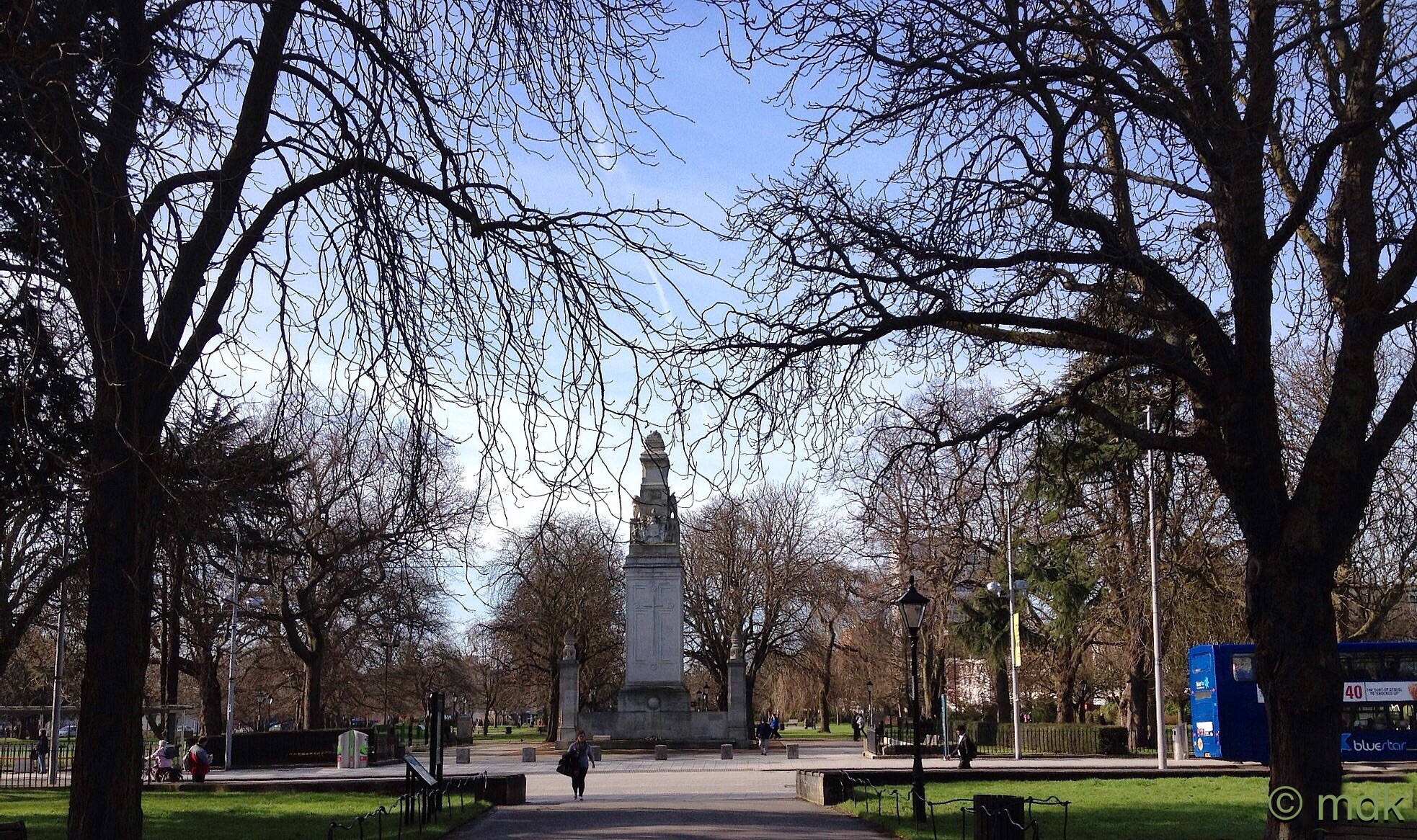
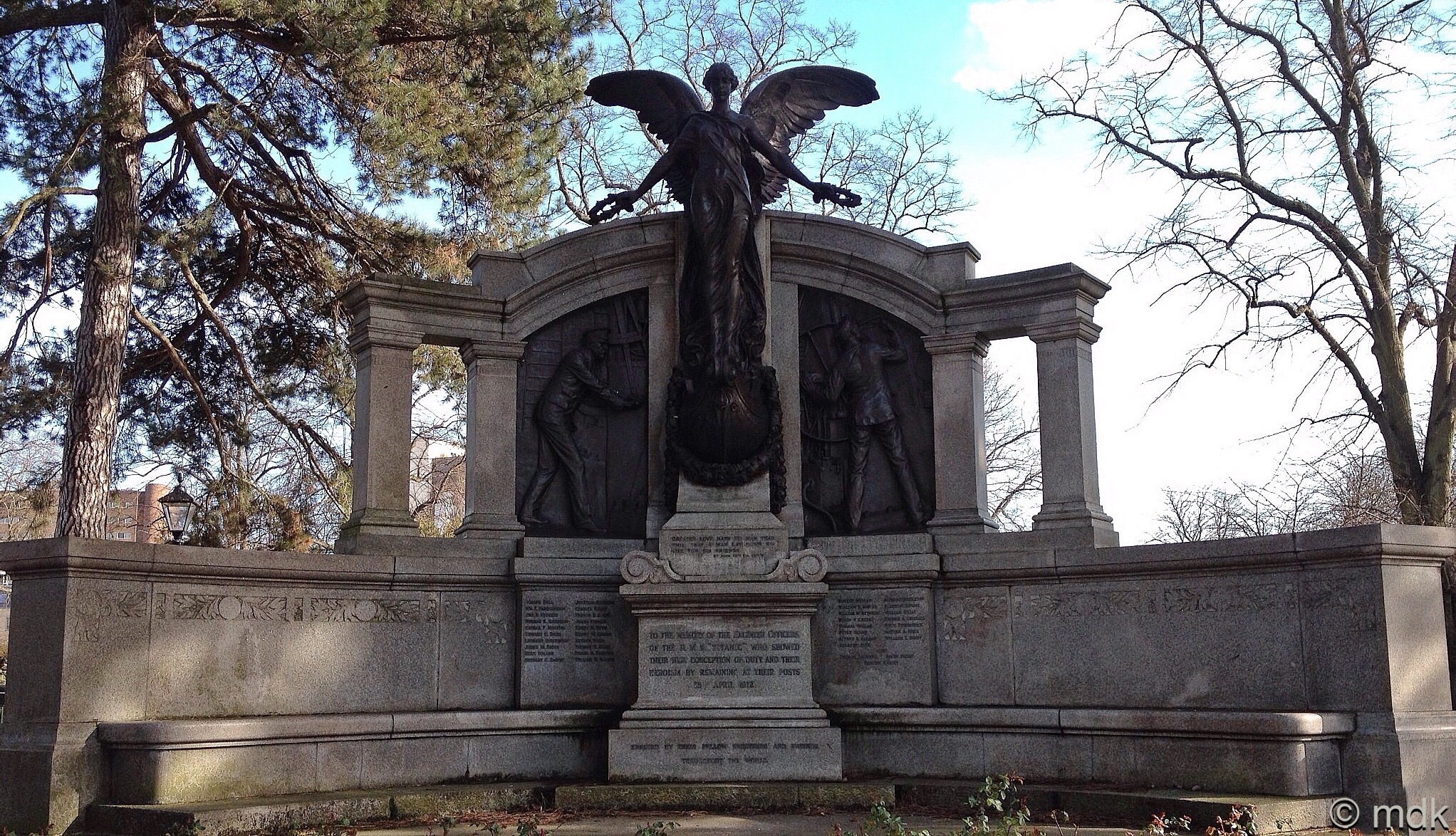
At the other end of the archway I stopped to look over the road at the cenotaph. On my route to Dream Factory I always liked walking past and seeing all the names inscribed. It made me glad those soldiers had not been forgotten, even if I didn’t actually know any of them. Almost opposite, just outside East Park is the Titanic Engineer’s Memorial. With all the history on my walk it seemed fitting that I should stand for a moment and look at it properly. We all walk past without really looking so often and this is such a big part of the history of our city. Many of the souls who perished on Titanic were from Southampton, most of the crew, even some of the passengers. The last time any of those ill fated passengers walked on dry land it was on these streets. The memorial is a large bronze angel, her arms spread wide, almost like the figure head of a ship or the iconic scene from the film. She is flanked on either side by two engineers at work. Beautiful.
Turning back to the park I decided to walk through the alpine garden. It has oriental looking bridges over a stream that runs around the garden. Before I crossed the first bridge I stopped to look at the fish pond, filled with docile looking carp, the trees and the tall office block across the road were reflected in the mirror like water. In the garden there were bright yellow crocuses in clumps amongst the huge rocks and some lilac ones, their orange stamens standing out against their bright petals. To my right I caught a movement out of the corner of my eye. A fat little greenfinch was scrabbling about in the soil between the rocks. Even though I was so close he didn’t fly away but he knew I was there, he had his eye on me. He got fed up with the game in the end and fluttered off.
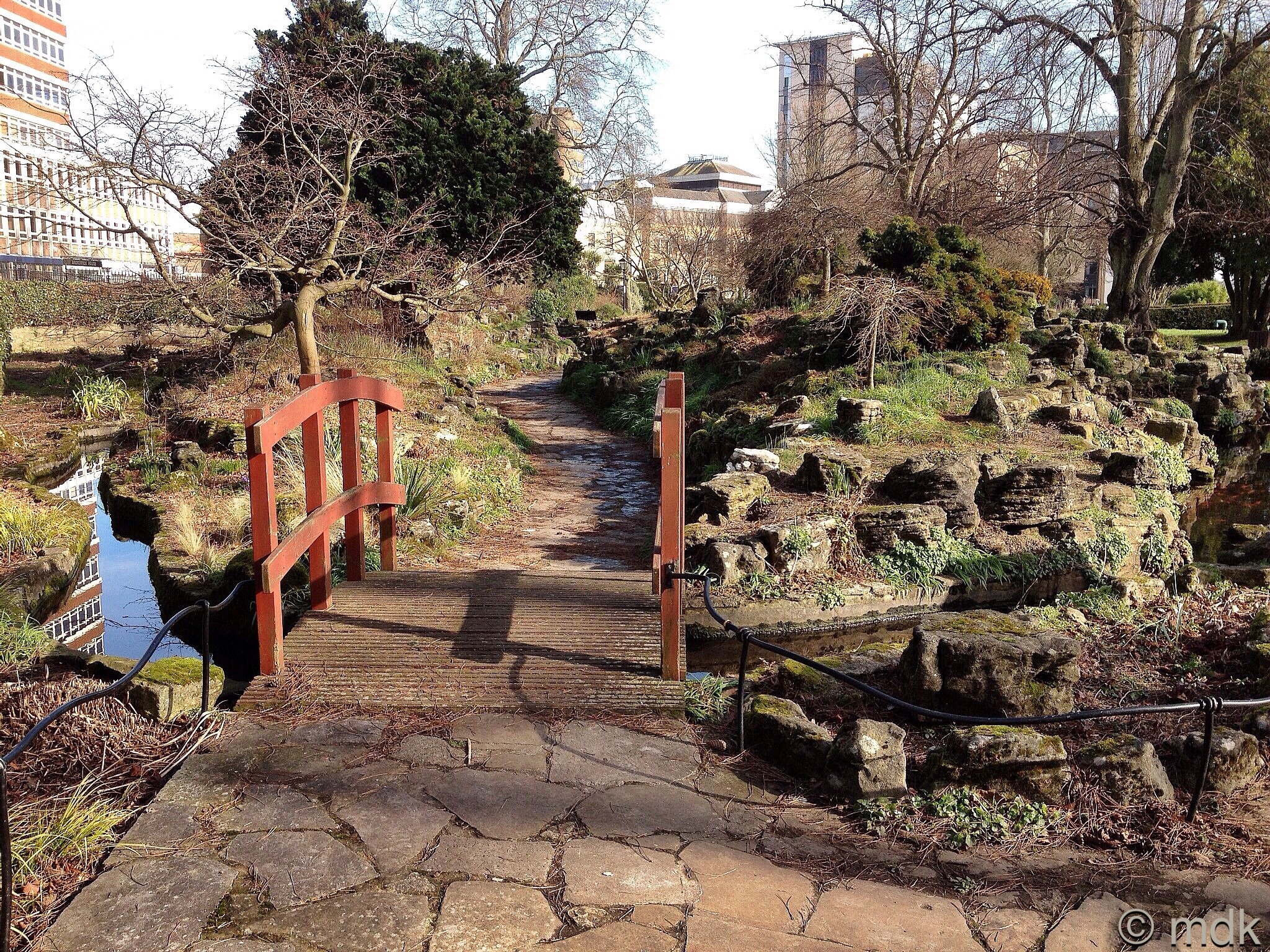
After he’d gone I carried on walking, looking at the flowers as I passed. Of course, being February, there weren’t many to see. There were small clumps of crocus and, further along, some tiny alpine iris brightening the grey gravel, the brilliant cobalt blue petals make a change from the normal pinks and purples of spring. The list of plants I want in my garden keeps on growing.


Reluctantly leaving the park behind I sped up and carried on, past the now empty Mad House and back to the main road. Once I’d crossed the bridge I left the road and took a path behind Fitness First. A swan swam beside me for a while, probably hopeful of bread. I thought I might have been able to get right along as far as the Manor House but the path came to an abrupt end and I had to retrace my steps until I could turn into the industrial estate and get back on the road.
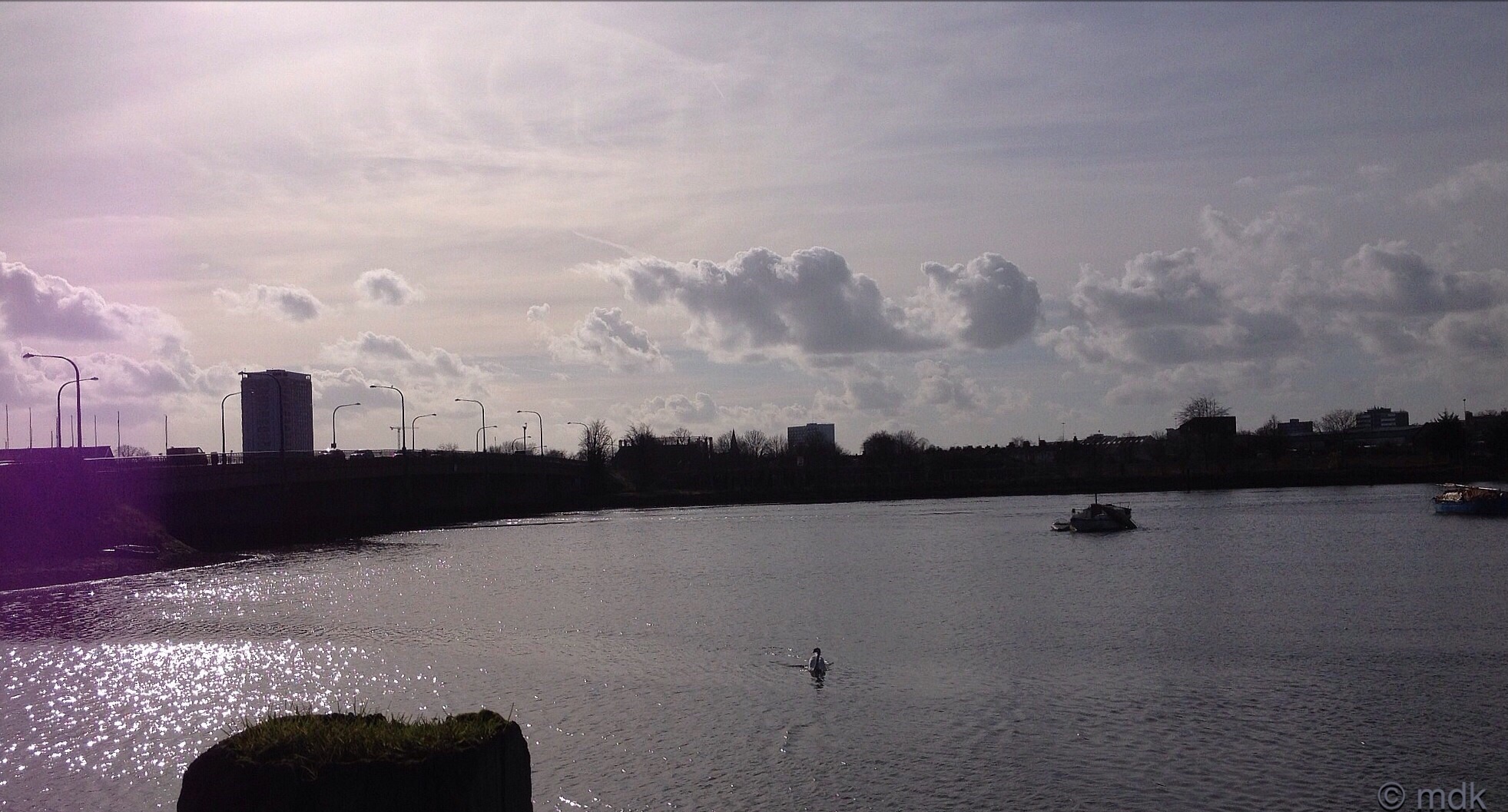
There is a woodland path that runs past the Manor I’ve been meaning to investigate so I thought I’d have a look. As I was sure I was already well over the eight miles I reasoned it didn’t matter too much where it led. Almost at once I could tell it was taking me down to the river, I could see the water glistening through the trees ahead. Better still it was a well maintained gravel path so no mud! Why can’t they all be like that? This was path heaven. Through the trees I could just glimpse the manor house in the distance. From the road you can hardly tell the house is there because the woods are quite thick and it’s set back a long way from the gate.
The path ran along by the river for a little way and came out onto Vespatian Road. Years ago I used to help my uncle with his milk round on a Saturday morning, I think I was about twelve. We delivered on Vespatian Road. I seemed to remember there being a kind of small castle there somewhere. Until that moment I’d forgotten all about it. Sure enough, when I came to the corner where it turns back towards the main road, there it was. I believe it is one of what was known as Palmerston’s Follies, little fort like defences built in the late ninteenth century along the south coast to defend against the French invasion (an invasion that never came).
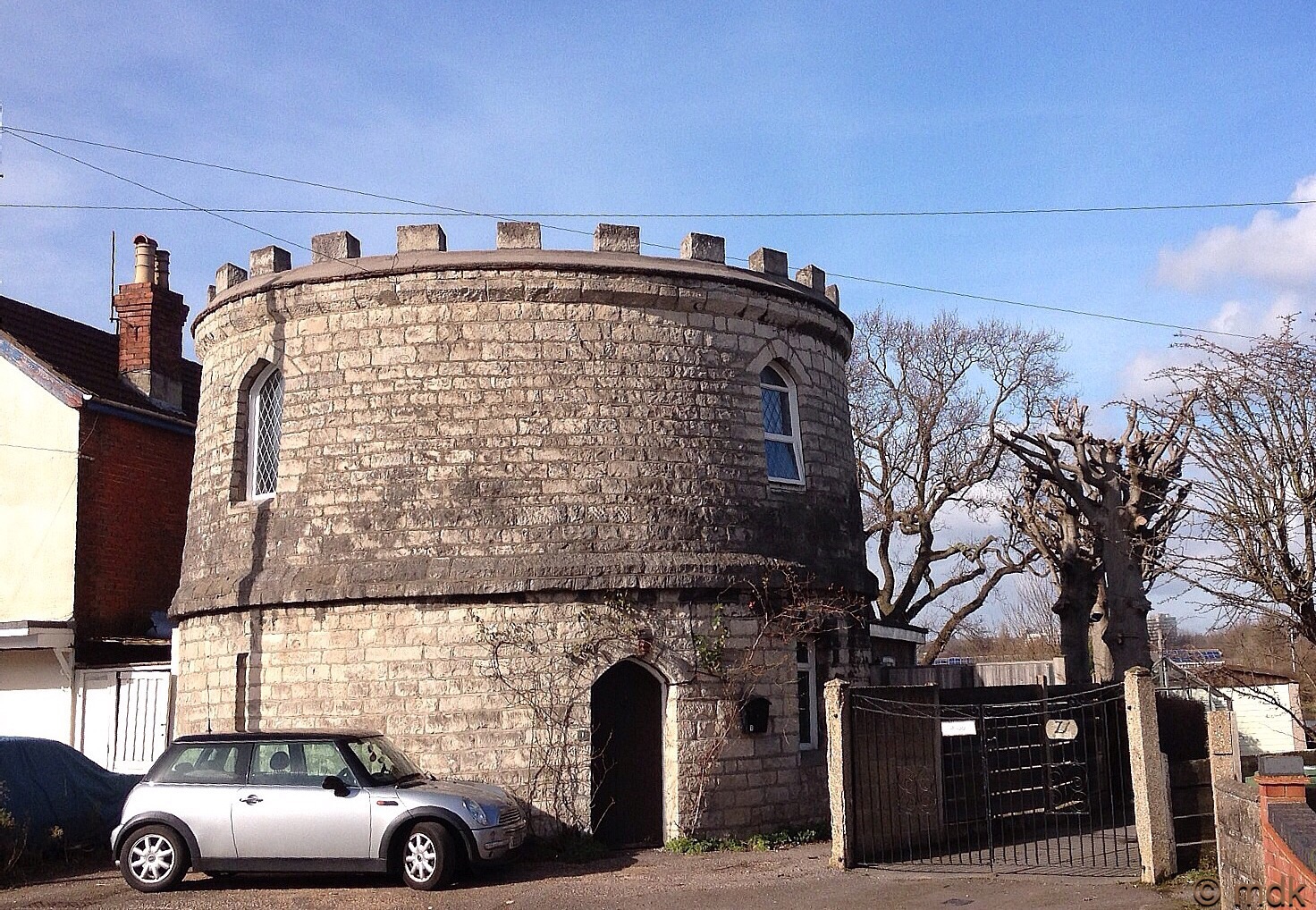
When I say castle I use the term quite loosely. It bears more resemblance to rook on a chessboard than somewhere a king would live. Squat and round with a crenelated roof it is about as tall as the average house. Even so it does look quite romantic, well it does to me. People live there, ordinary people who own a mini if the car parked outside is anything to go by. Imagine living in a castle, even a short tubby one.
From the non castle it was a short walk up the hill home. I was pretty sure I’d walked more than the eight miles but, just to be certain I mapped it out on WalkJog run after the event. The actual total was close to nine miles! It may have been slow in places but all those wandering off bits certainly added to the distance and I had a lovely time too. Once this Moonwalk is over I think I will do a lot more rambling about in a semi aimless manner, I really enjoy it.
I like that gate too. Every time I see something like that I wish I could weld.
Commando actually builds things with metal so he could probably make me something like this if he had the time. Maybe when he retires I’ll get him working on one 🙂
He might just make himself a lucrative business that way. I know I’d buy one!
It would probably be more fun than building aircraft too.