
Walter Dowling was a tram driver. He was also Commando’s grandfather. In our attic, there was a wooden box with some of his prized possessions, including his war medals, photographs, postcards, and a tiny diary. During the spring of 2021, I’d been working on a story that involved trams, and Commando thought some things in the box might give me inspiration. The diary was especially poignant. Walter wrote little, but it covered the period when he had malaria and was about to be leaving the army after seven years. It was also when he first met Violet, Commando’s grandmother. He may have been a man of few words, but the words he wrote about her showed how deeply he had loved her. They brought me to tears.
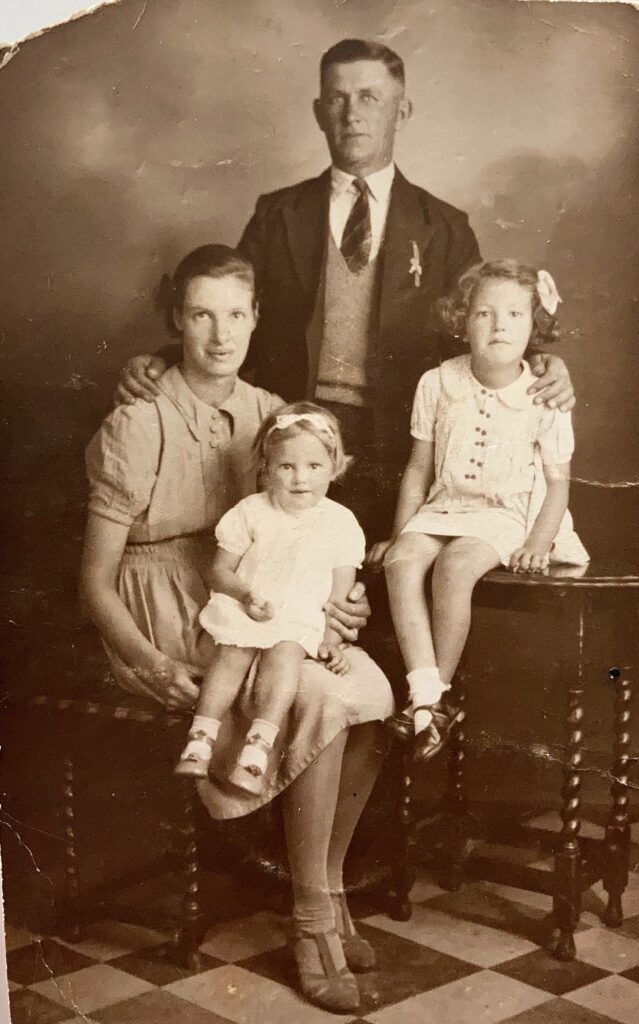
By August, I’d written a rough draft of the story, but there were a few things I needed to get clear in my head. Most of them involved Portswood. So, on 3 August I set out to walk the streets I’d been writing about by way of research. It was a beautiful sunny day, and I set out across Cobden Bridge with a list of things I wanted to look at in my head. The route I’d planned took me down Kent Road, which, conveniently, also went past the house where my great grandparents, Frank and Emma Maria Hebditch, once lived. It was a house I’d been meaning to have a look at for some time.
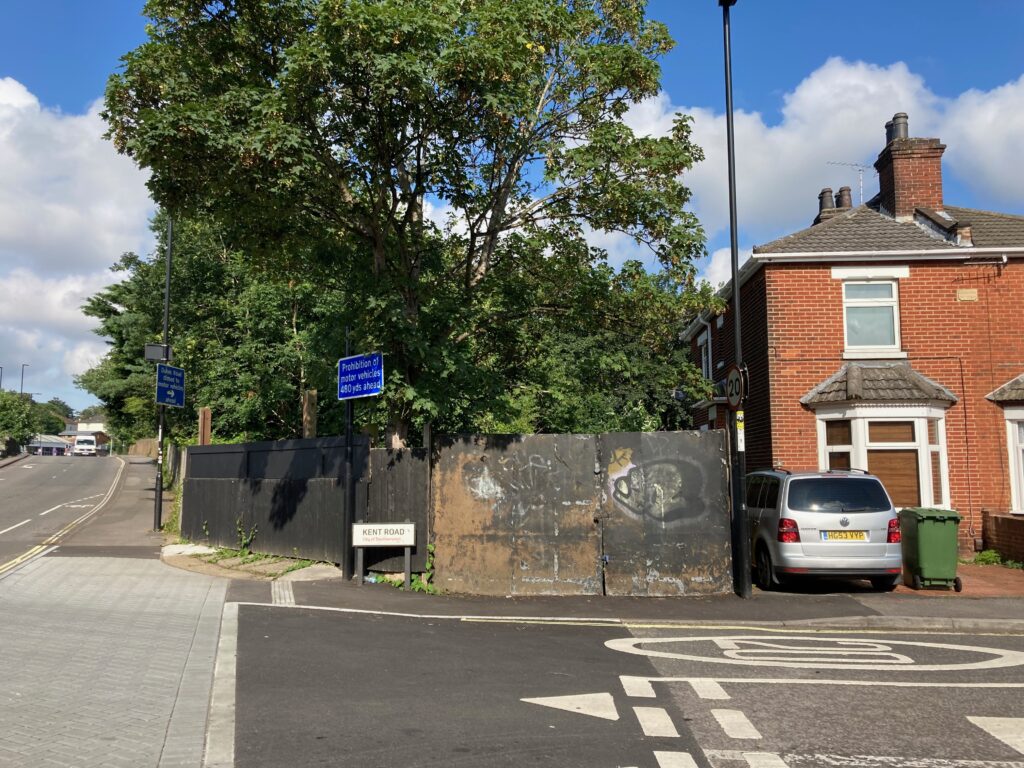
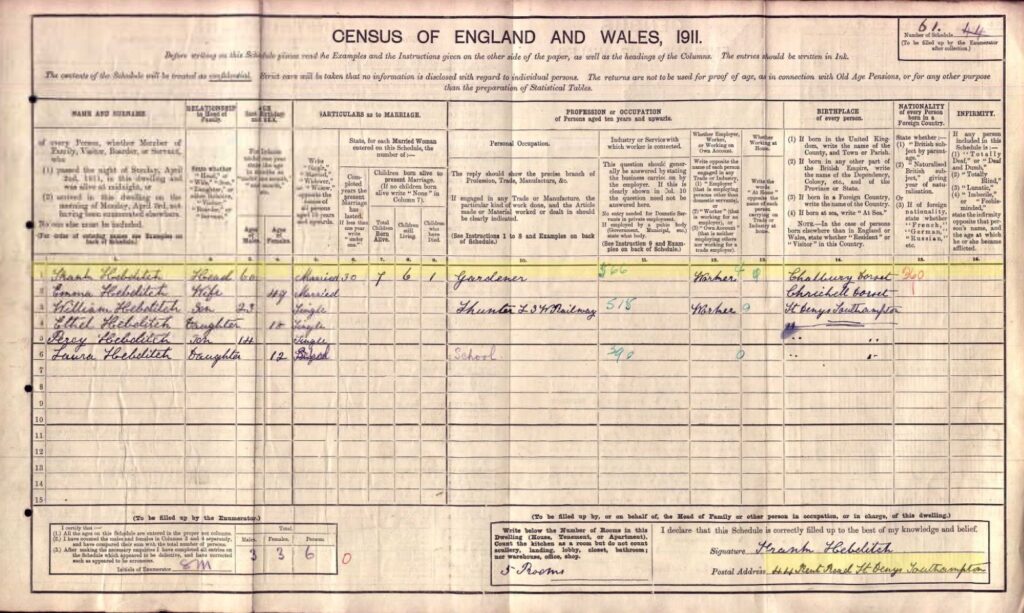
I wandered slowly down Kent Road looking at all the house numbers and trying to imagine my Nanny, Laura, playing in this road as a child with her big brother Percy. Most of the houses here have remained relatively unchanged since they were built, so I was fairly confident I’d find the house still standing.
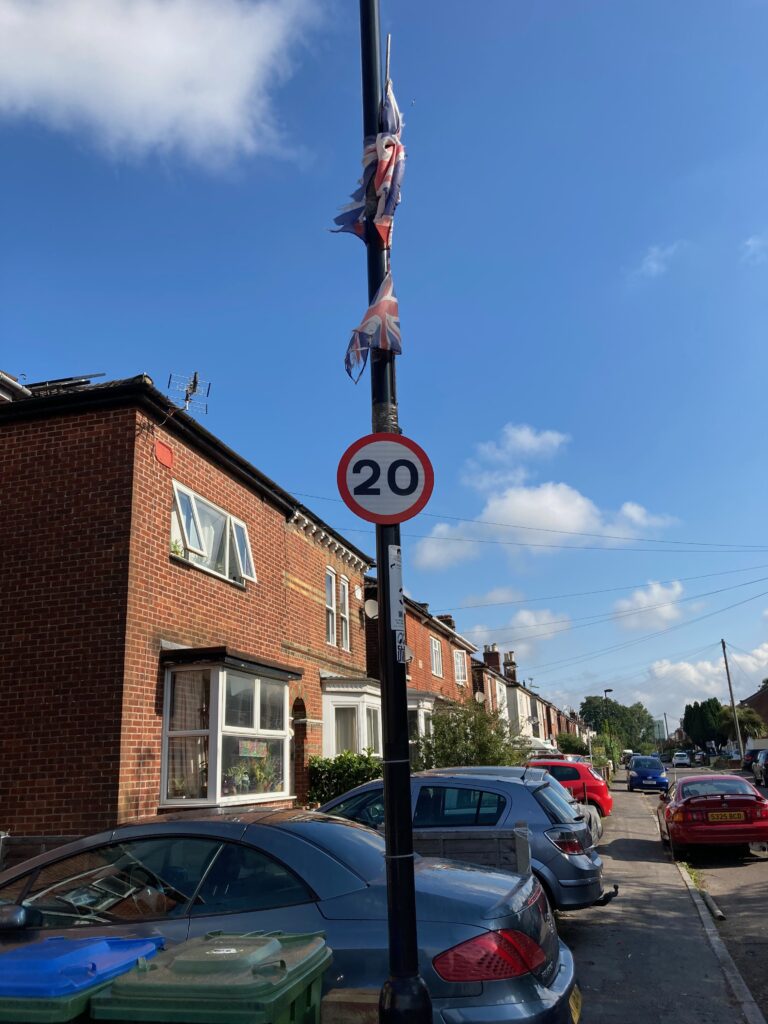
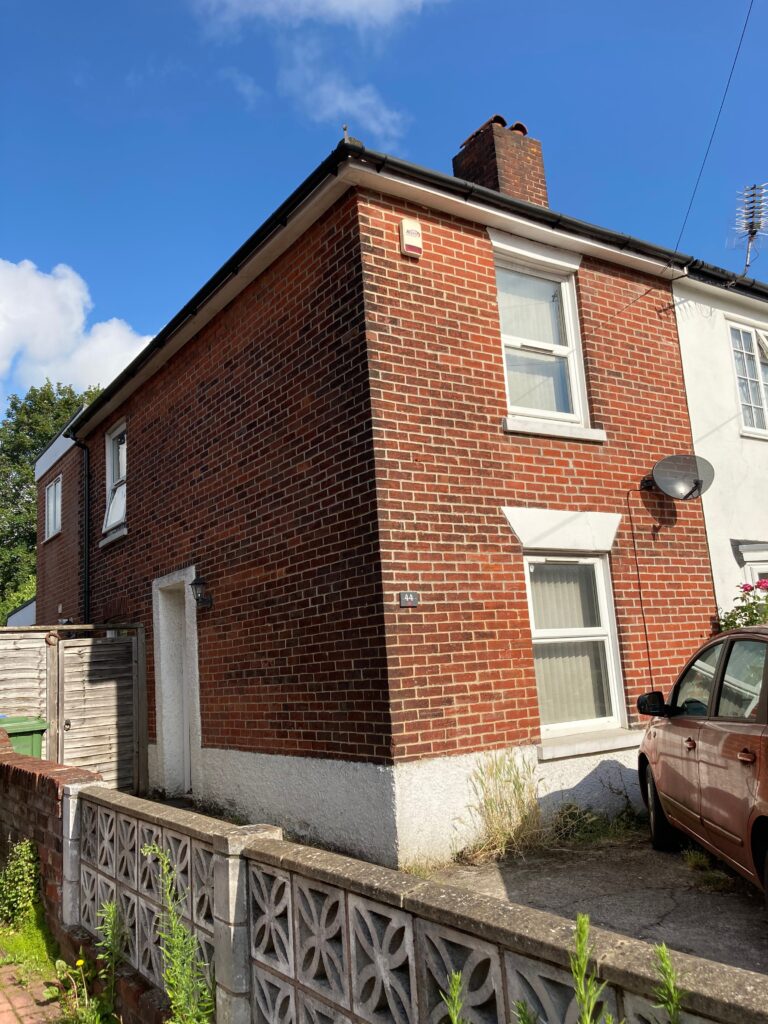
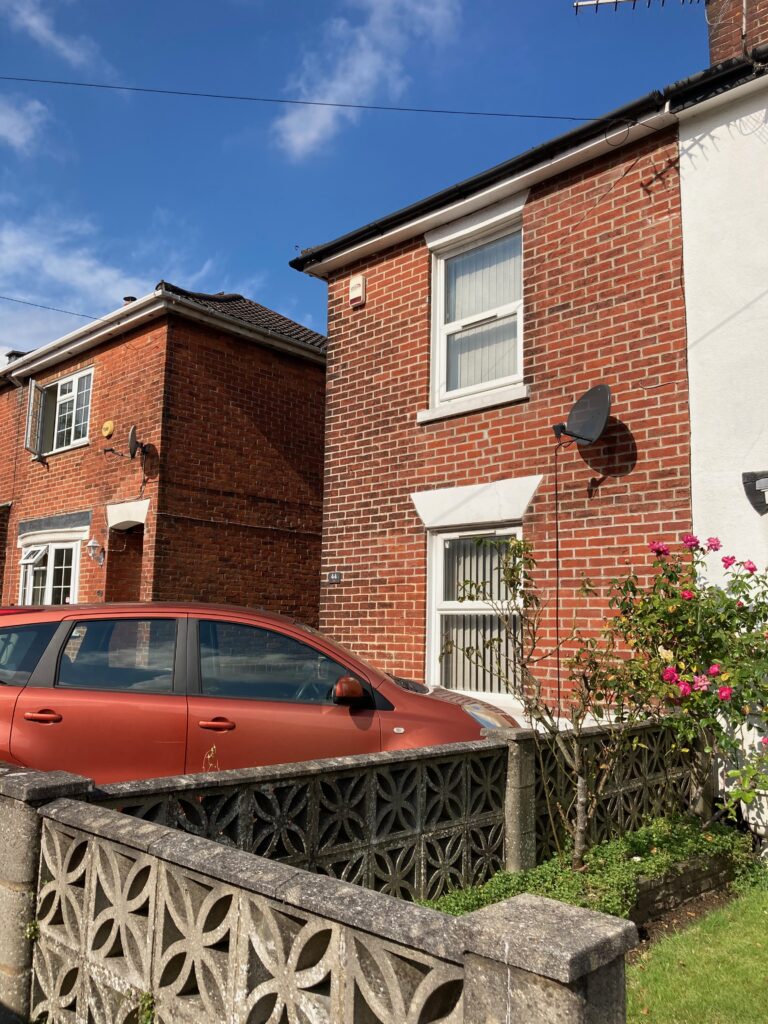
As expected, it was still there. It was a tiny, two up, two down cottage with the front door to the side and a long, thin garden running down to the railway line. I stood for a moment and looked at it, trying to imagine how my great grandmother had managed to bring up six children there.
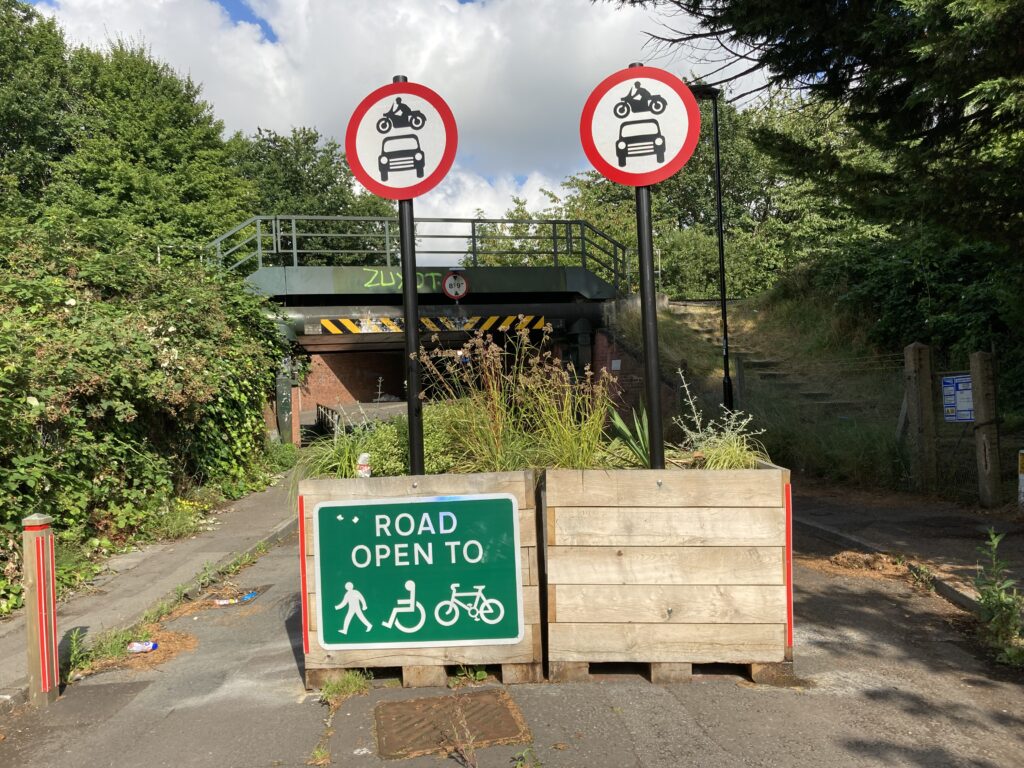
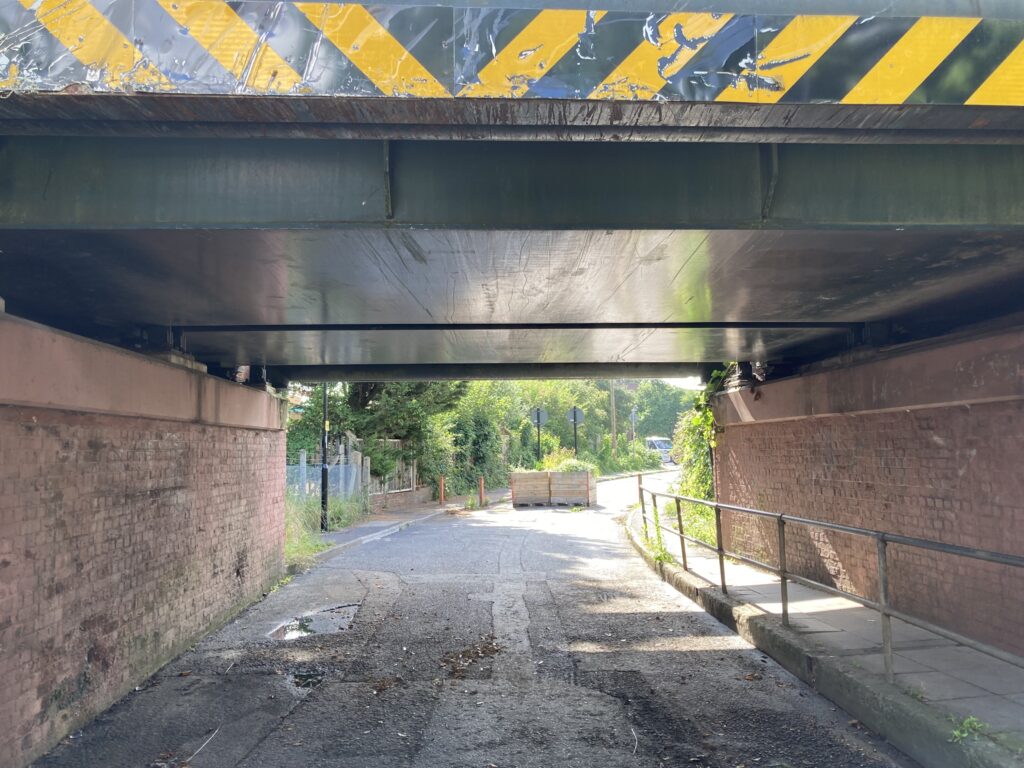
The bottom end of Kent Road turns left under a low railway bridge and comes out onto Portswood Road. Until recently, cars could use Kent Road as a shortcut to and from the bottom end of Portswood Road, which was exactly where I wanted to go. Unfortunately, lorries sometimes also used this route with disastrous consequences. The railway bridge really is very low. As part of the St Denys Active Travel project, which began in November 2020, the road has now been closed to through traffic by two large planters just before the railway bridge. This will obviously avoid further incidents and make Kent Road a nicer place to live, although those who regularly used it as a rat run probably aren’t all that happy.
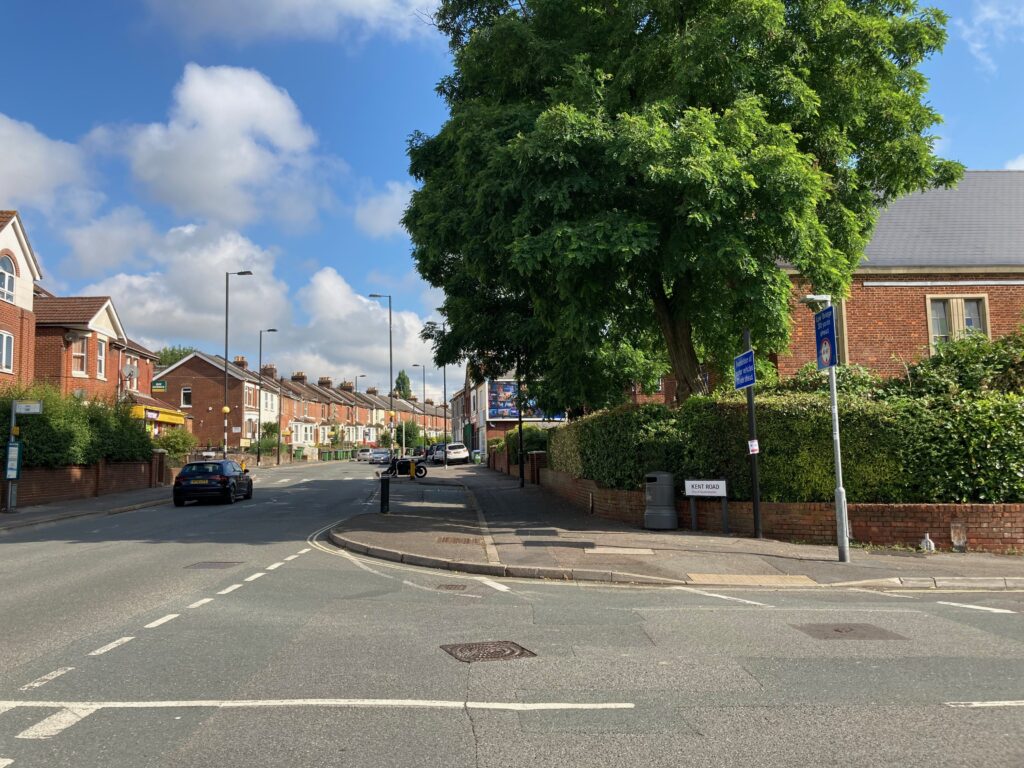
Of course, the real aim of my walk was Portswood Road, where some of the main action in my story took place. There were several things I wanted to look at and the first of these was the corner of Kent Road and Portswood Road, where the Immaculate Conception Catholic Church stands. This corner plays quite a pivotal role in my story and one of my aims was to look at the views in each direction to make sure that what I’d written made sense. Back in the 1930s there would have been tram lines in the middle of this road and Walter Dowling would have regularly driven his tram up and down here, past the old tin church.
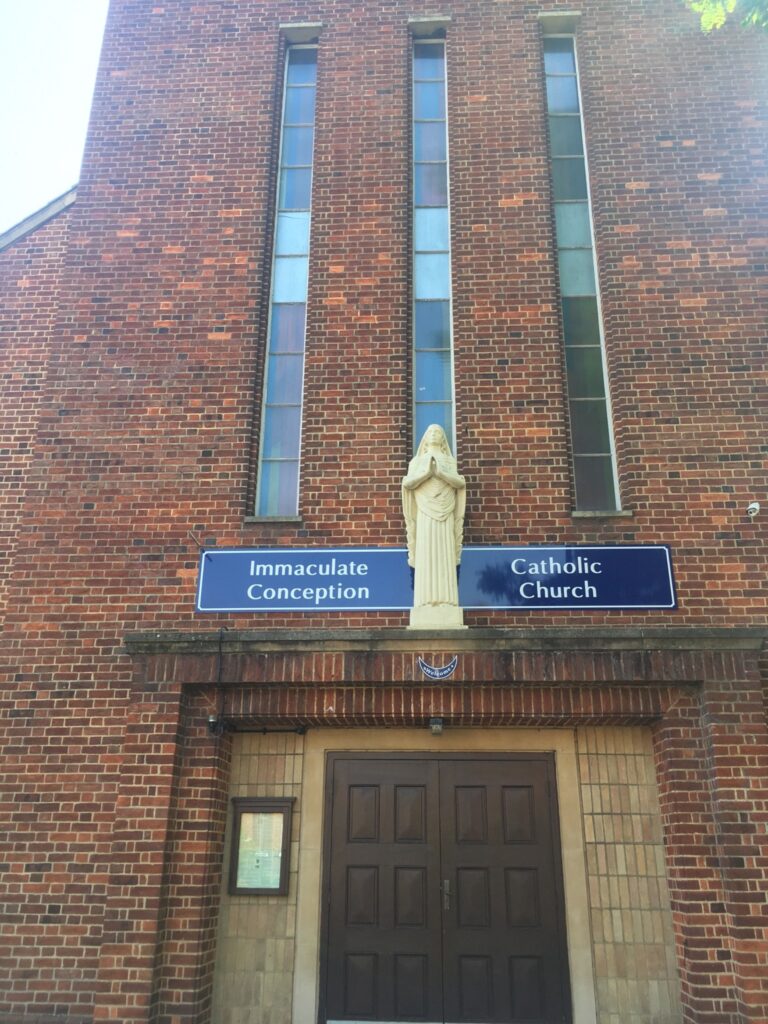
The church itself may not have been relevant to my plot, but it is interesting nonetheless. The Bishop of Portsmouth purchased the land for a church back in 1909 and within months, an iron church, known locally as the tin church, had been built. The little tin church somehow survived the Second World War, and the parish priest, Fr Lindsay, had a statue erected in the garden as thanksgiving. In 1948, when a new priest, Fr Walter Lynch, took over, his ambition was to build a brick church alongside the old tin building. On 25 March 1955, he finally got his wish and the statue from the garden was put in pride of place as a reminder of all the parish had been through.
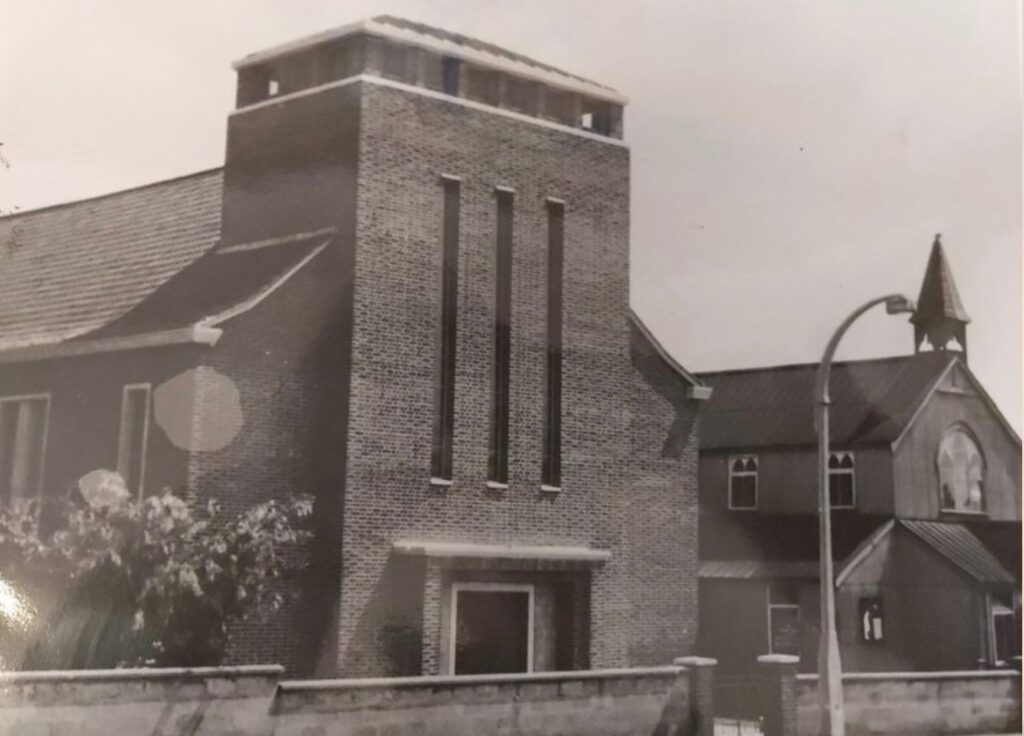
Tin churches used to be quite common at one time and there were actually two along Portswood Road that Walter would have passed in his tram. The second, the corrugated iron tabernacle church of St Agnes, was further down, on the corner of Sirdar Road and Portswood Road. It was built in 1905 and was replaced by a new church, St Albans, on Burgess Road in 1933. By 1947, the old tabernacle church had been demolished.

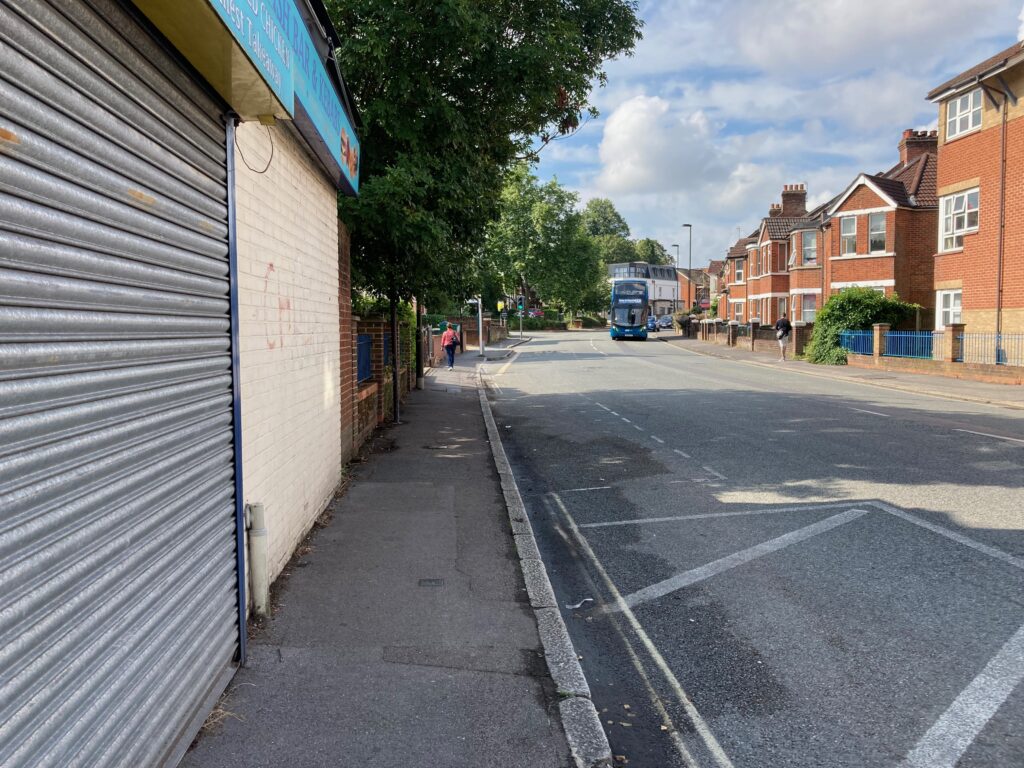
Next, I wanted to look at the junction to the south of Kent Road. In the 1930s, when my story was set, this junction didn’t exist. Instead, there was a laundry, Amey’s Laundry, and this was another pivotal location in my tale. My mother worked in a laundry in the 30s, before she married my dad. As she lived a short tram ride away in Swaythling, and her grandparents lived on Kent Road, it is likely that this was where she worked. Noting the things I saw along the way, I headed south.
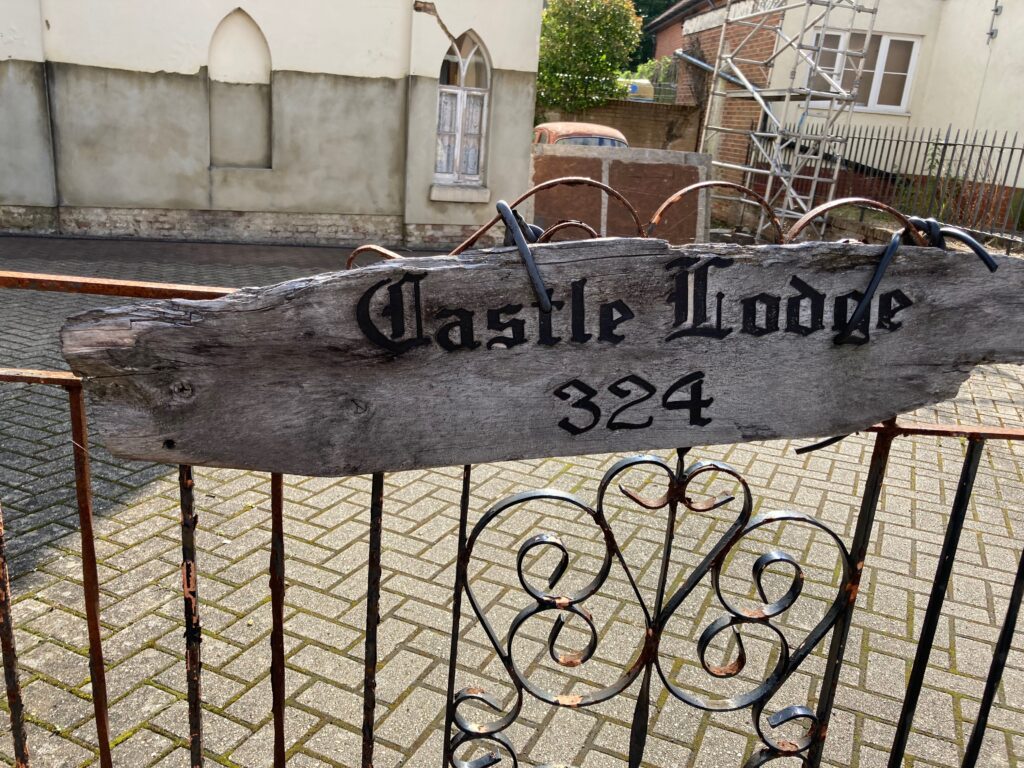
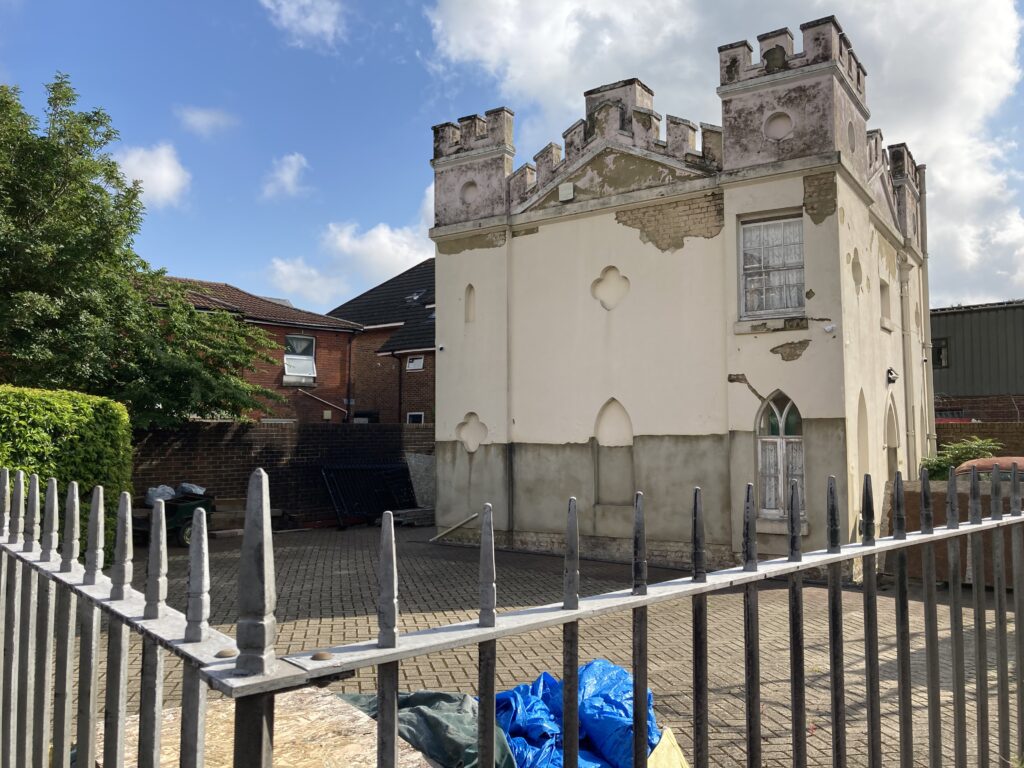
The first interesting building I came to had a very weathered wooden sign tied to the gate telling me it was called Castle Lodge. The house was unusual, to say the least. It was also very dilapidated, with missing chunks of render exposing old bricks and weathered and peeling pink paint on the crenelated pediment. It was the sort of house that could be the setting for a gothic novel. Later, a look at Kelly’s told me it had belonged to Arthur O’Brien, a blacksmith back in the mid-1930s. A bit more digging revealed more. The house was built in around 1780, for General Stibbert, as an entrance lodge to Portswood House, which once stood to the north of the present day Lawn Road. The main house was demolished in 1852, but the lodge has survived. Perhaps I will explore the Portswood Estate on a later walk.
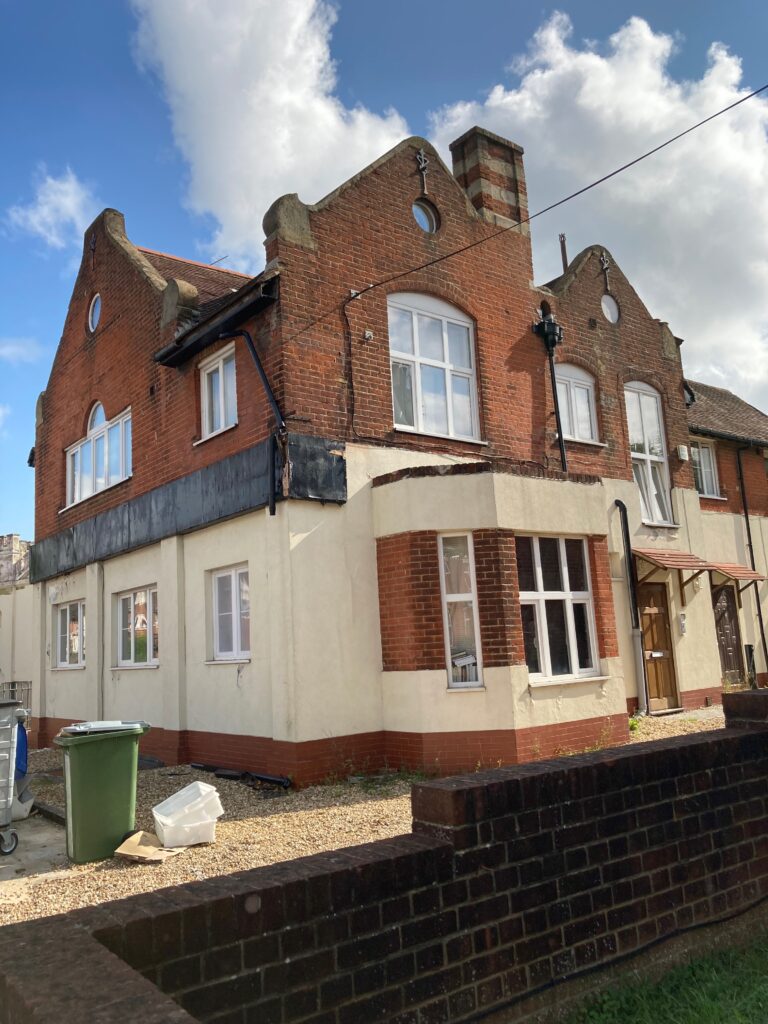
Next door to the old lodge was a house that looked as if it had once been a pub. In actual fact, it was once the Red Lion, opened in around 1927, another building that features briefly in my story. Later, the name changed to the Talking Heads, and it became a popular music venue, but it closed in 2016 and it looks as if it has now been converted to apartments.
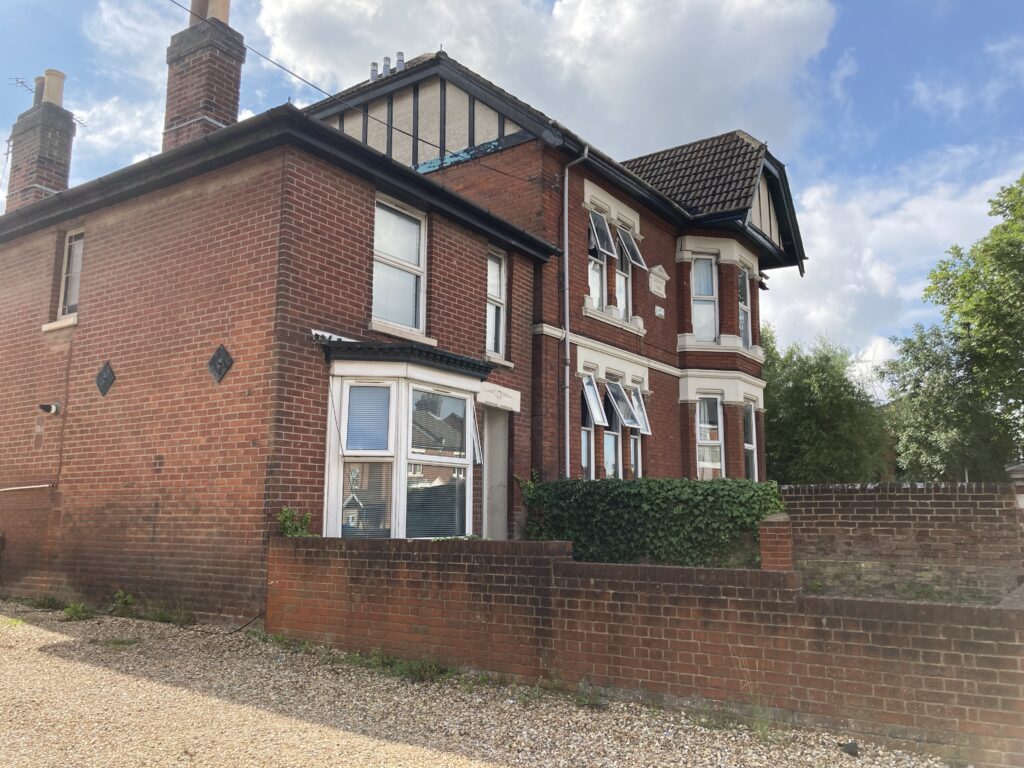
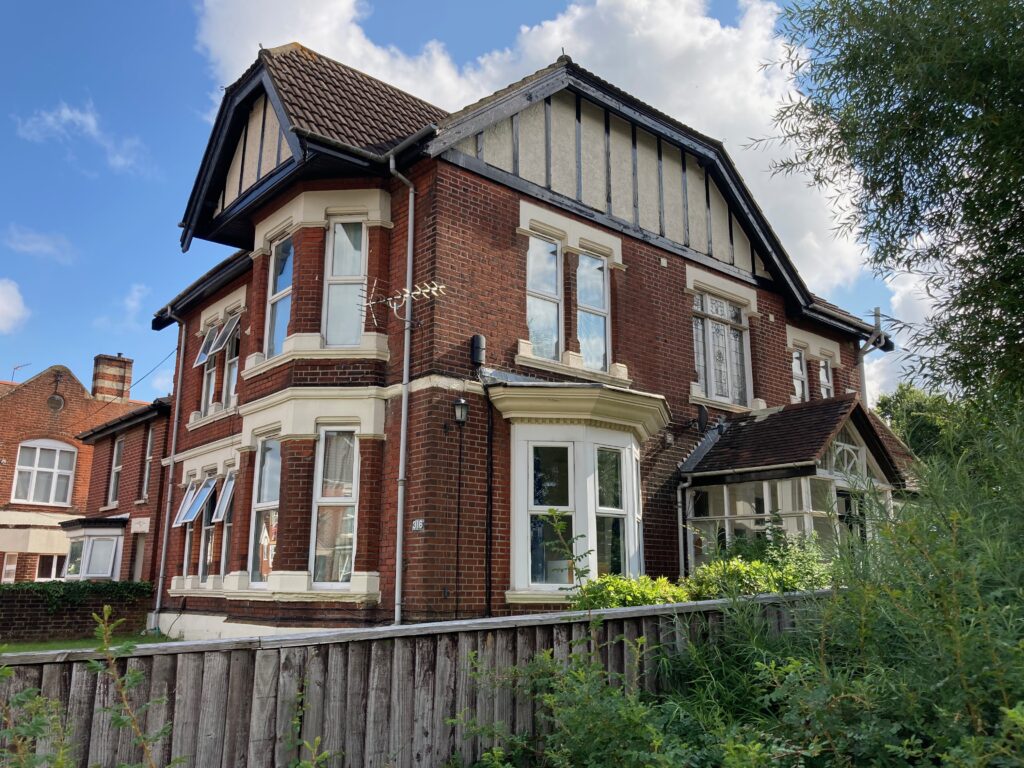
The next house of interest is right on the corner. A sign on the front wall told me it was called Canford and was built in 1906. It’s a rather large, imposing house with beautiful bay windows and a porch on the side leading to the front door. It once belonged to William Amey, the owner of the laundry.
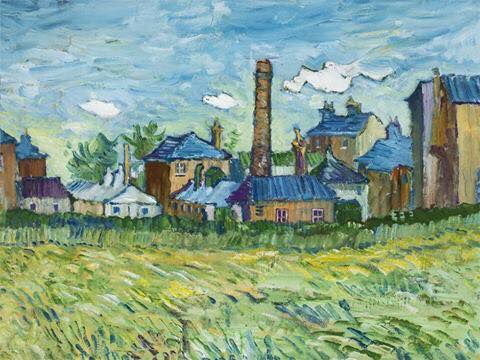
Old maps suggest Amey’s Laundry was a large building, or perhaps a series of buildings, and its sixty foot tall chimney was said to be something of a landmark in the area. The laundry had contracts with many local businesses, including hospitals, local shipping lines and wealthy yachtsmen. It closed in 1974; the tower was finally demolished in 1985 and the building of Thomas Lewis way swallowed the site up in 1988. Sadly, I haven’t been able to find any photos of the laundry building, but I did find a painting by local artist Eric Meadus.
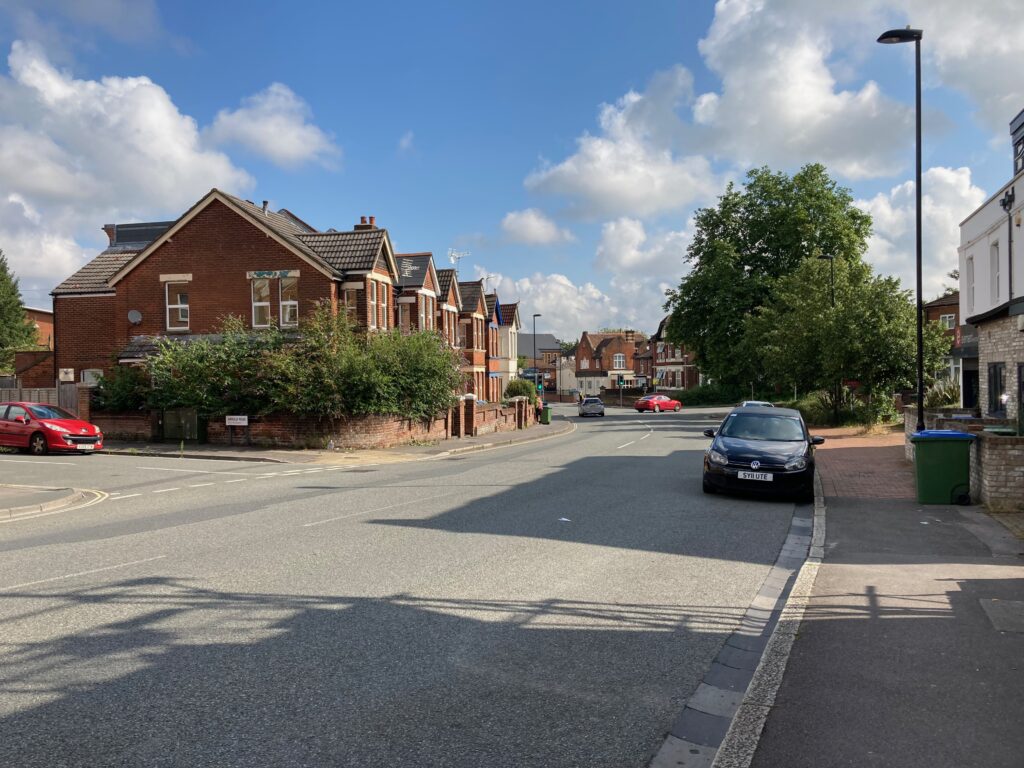
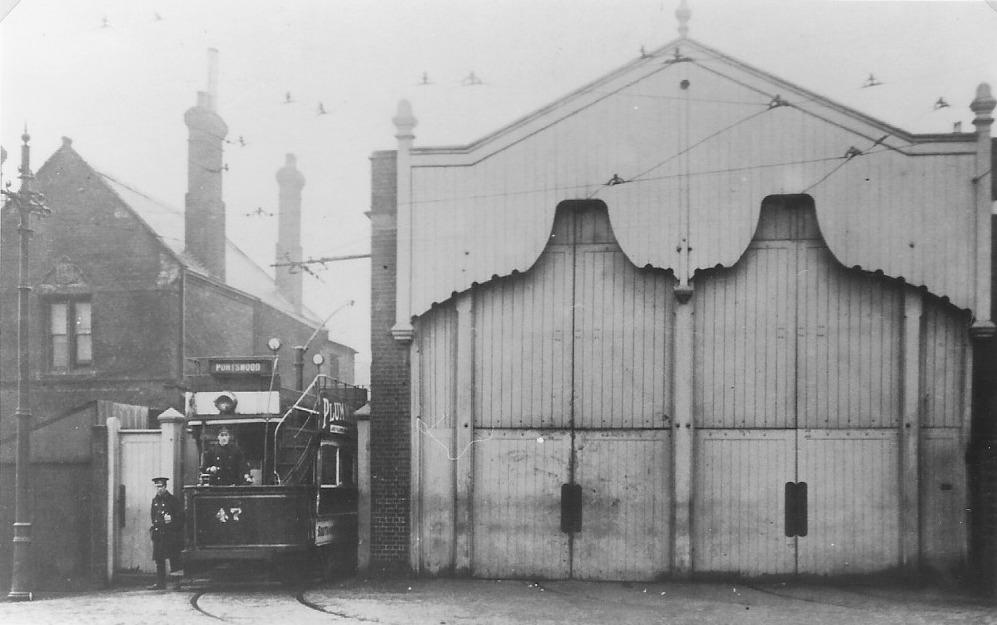
Now I’d seen the laundry and the stretch of road I was interested in, it was time to turn for home. I could have walked a bit further up the road to look at the place where the old tram station used to be, but it was demolished long ago and a supermarket stands on the spot. I go there every week to buy my groceries. It really isn’t that interesting to look at.
Before I turned onto Osbourne Road to make my way home, there was one more building I wanted to have a look at. It had nothing to do with my story at all, but it was too interesting to miss. The Waggoners Arms was once a popular pub, standing just beyond the junction with Osbourne Road. It opened in the 1860s and was affiliated to the Winchester Brewery in the early 1900s. Sadly, like so many old pubs, the Waggoners closed in 2018, but the building still stands for the time being. It is boarded up and in a very sorry state, but I thought I’d take a few photographs before it disappears forever.
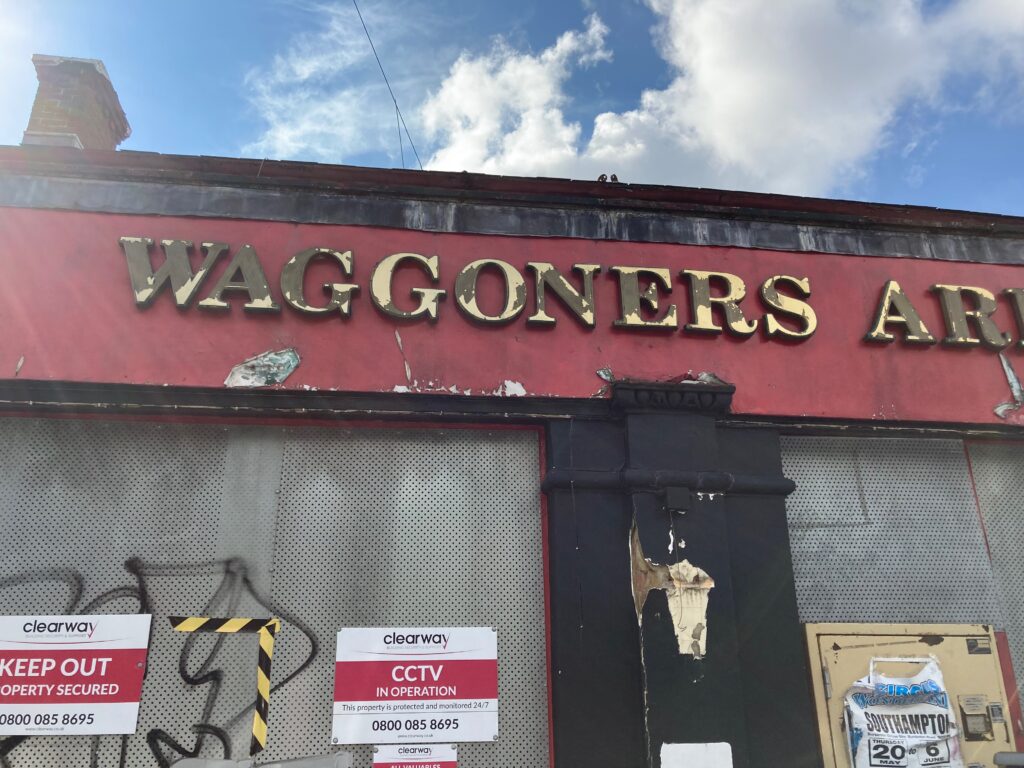
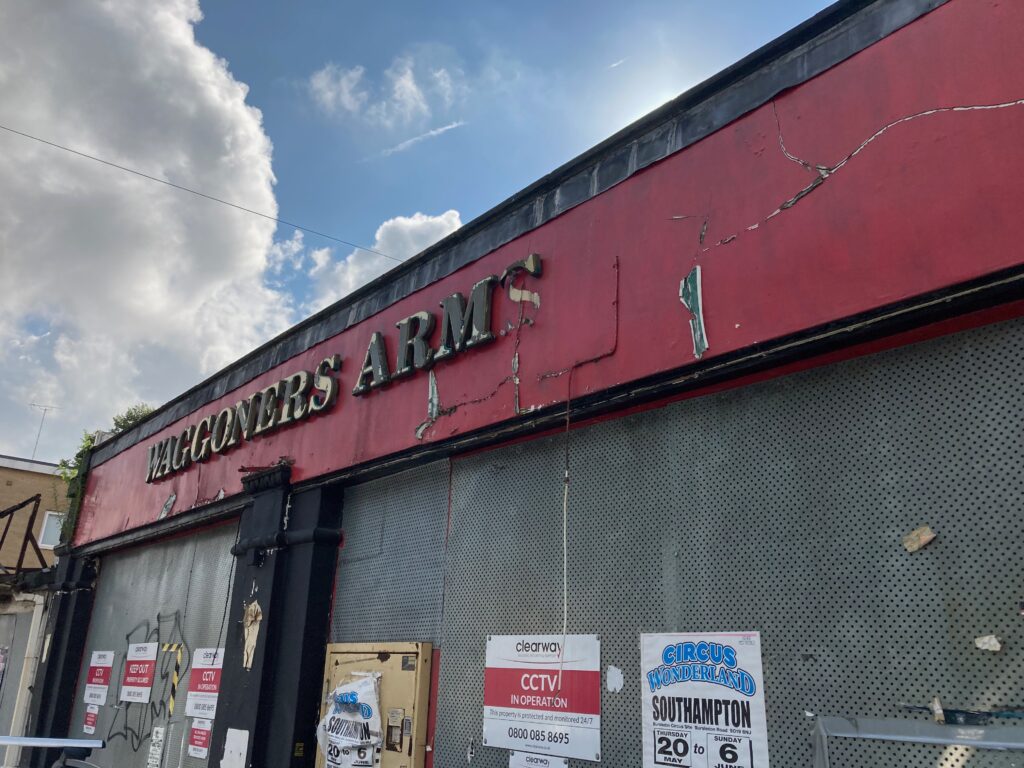
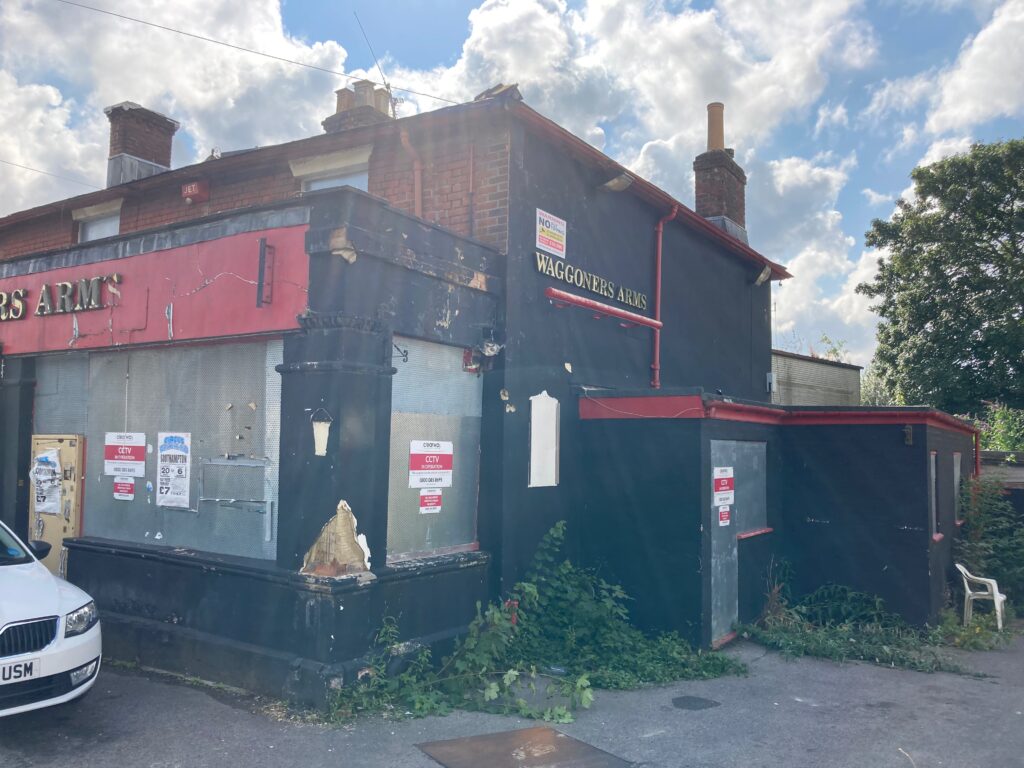
As I finally turned for home, I couldn’t help wondering if Walter ever popped into the waggers for a quick drink before he went home from work, or maybe he would have preferred the slightly more upmarket Red Lion? I suppose that is a question I will never have the answer to.
If you like what I write, and you’re interested in my novels are available now on Amazon in paperback, on Kindle and via Kindle Unlimited. Check out my Amazon page here and my Goodreads page here. If you would like to help me keep writing, you can now buy me a virtual coffee by clicking on the little orange coffee cup at the bottom right.
An interesting part of Southampton, Castle Lodge must have been an imposing house when it was built. It must be rather nice to live in the same place as your ancestors and to be able to visit where they once lived. I’ve moved three times since I married but even where I was born and grew up wasn’t where either of my parents came from, my mum being from Liverpool (and her mum from Wales) and my Dad from London.
The funny thing is, I have passed Castle Lodge many times and never paid it any attention until I was looking for landmarks for my story. I think the Portswood estate deserves more investigation, maybe when the weather is better. It is only in recent years that I’ve found out more about where my family lived through ancestry and old documents. It’s been great exploring where they lived. I did make a trip to Witney, where my grandfather came from in 2021 too. That was quite emotional.
Very enjoyable Marie.Castle Lodge does look very bad now.I used to pass it daily in the 1970’s on my way to work.It looked much better then.
The funny thing is, I’d never even noticed it before and I used to live in Portswood and pass by often.
A very interesting story. Even more so as it is about my uncle Walter.
I would like to copy this with your permission to add to the family tree
Please feel free. If Walter Dowling is your uncle then you must be related to my husband. It’s been very interesting looking into his history, although I never met him myself.