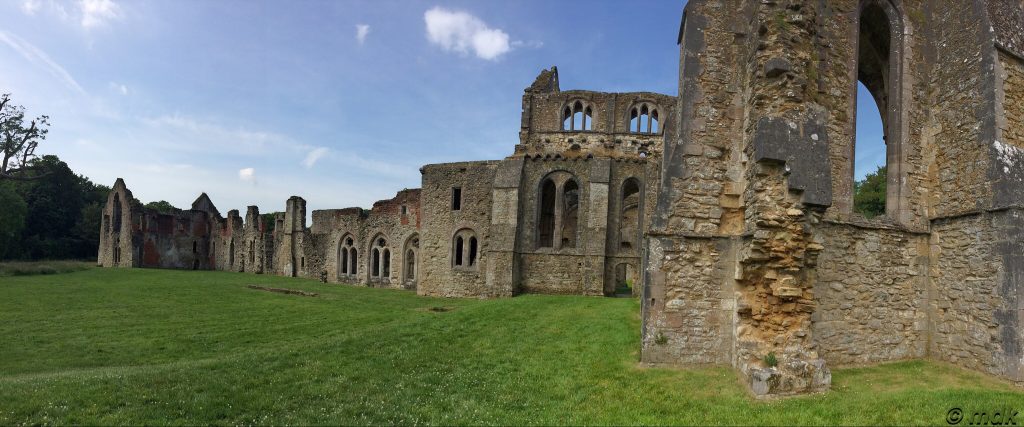
My Sunday walk in mid June 2014 wasn’t turning out quite how I planned. A visit to Netley Abbey wasn’t what I’d expected at all and, just when I thought I’d seen everything, I turned a corner and found another intriguing building. What I was really supposed to be doing was walking the Hamble Rail Trail but this seemed too interesting to miss.
You knew I’d never be able to walk away from Netely Abbey without giving that building the once over didn’t you? The crumbling building set aside from the main abbey was too intriguing to pass up and, if I had, I’d never have been able to sleep wondering about it. Thankfully a handy sign told me it was the abbots house. While the poor monks were sleeping in their dormitory above the sacristy the abbot had a whole house to himself along with a private chapel, a hall for entertaining and a latrine.

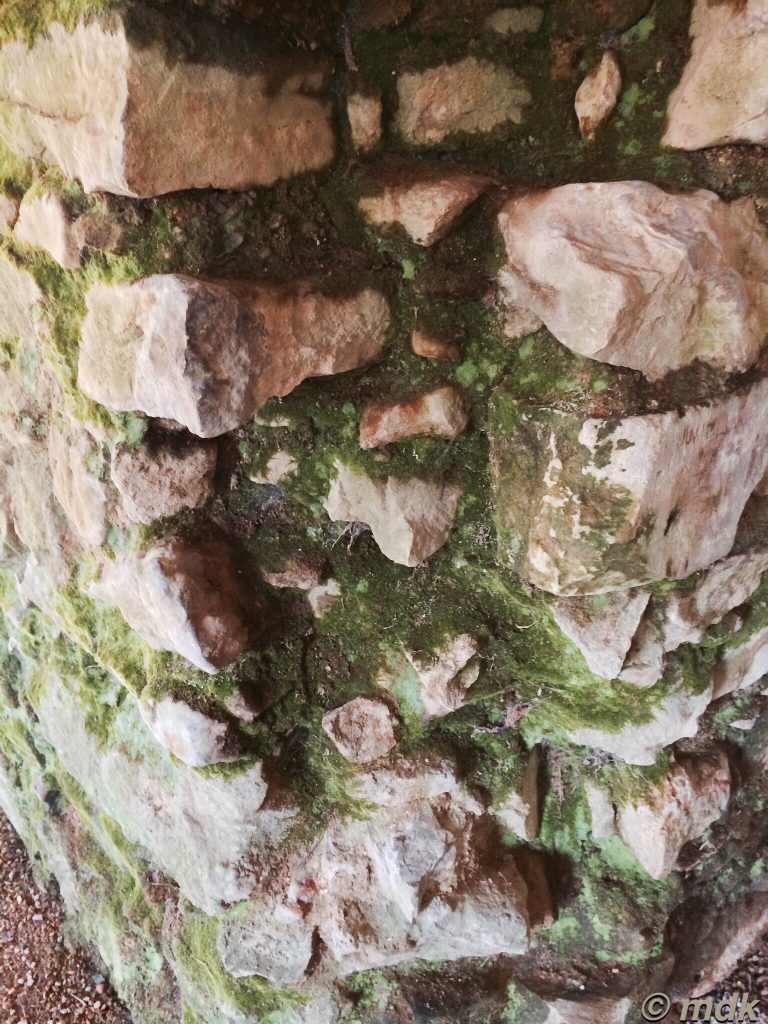
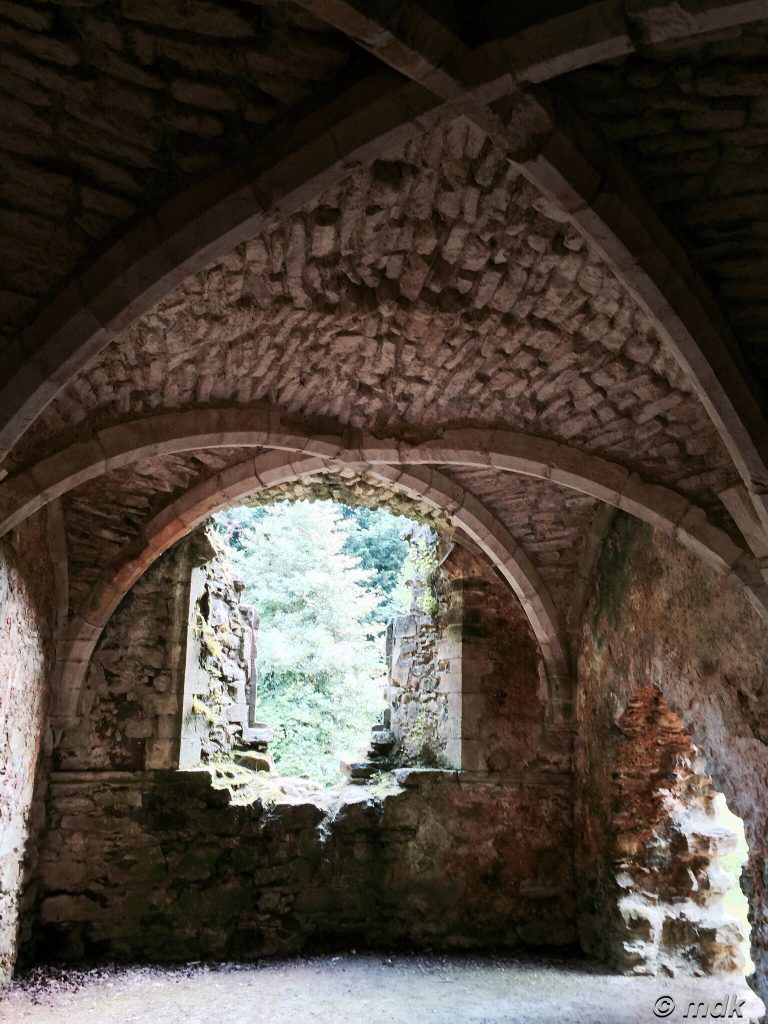
The abbot must have been a small man or spent his life bowing his head to go through doors. Even a shorty like me could only just go through unbent. The room I entered had the same wonderful vaulted ceilings as the sacristy. These days some of the stonework is green with algae and moss but I think it adds to the charm.


Everywhere there were windows, many of them looking out at the abbey. Did the monks ever feel like they were being watched I wonder? Some looked out over the woods behind and what I thought may have been a little garden. There was a door leading out to it and a low wall I could have sat on but I had no time for sitting. Which view did the abbot prefer? Did he spy on the monks or was he more inclined to look out at his garden and the bounty of Mother Nature?
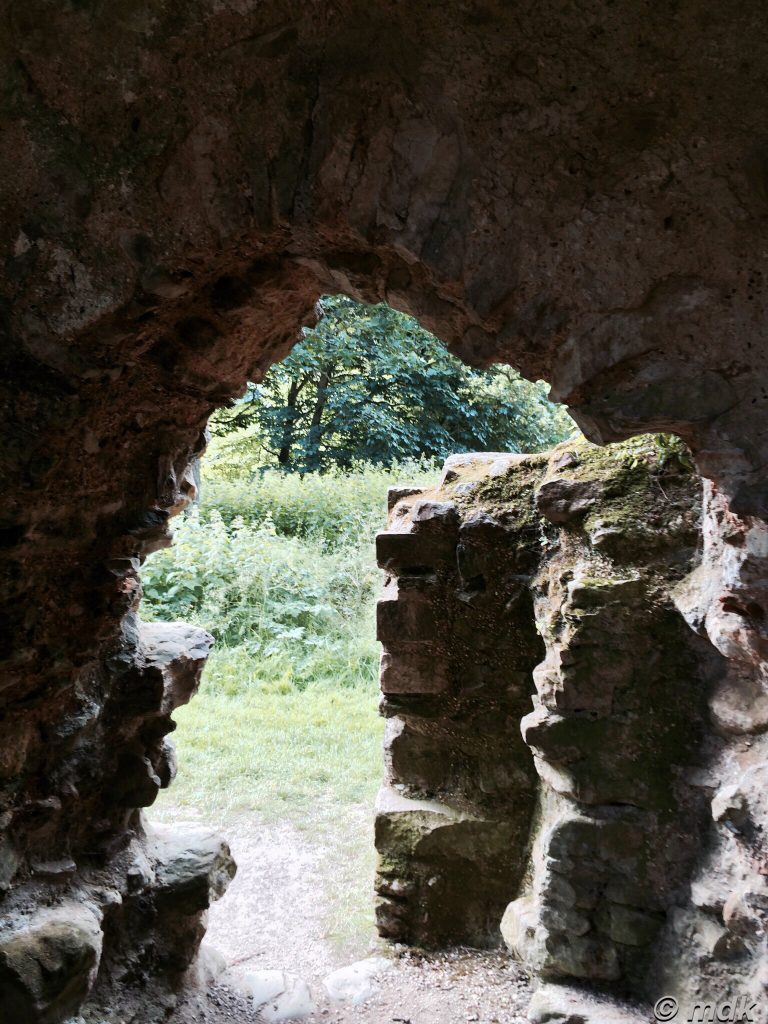
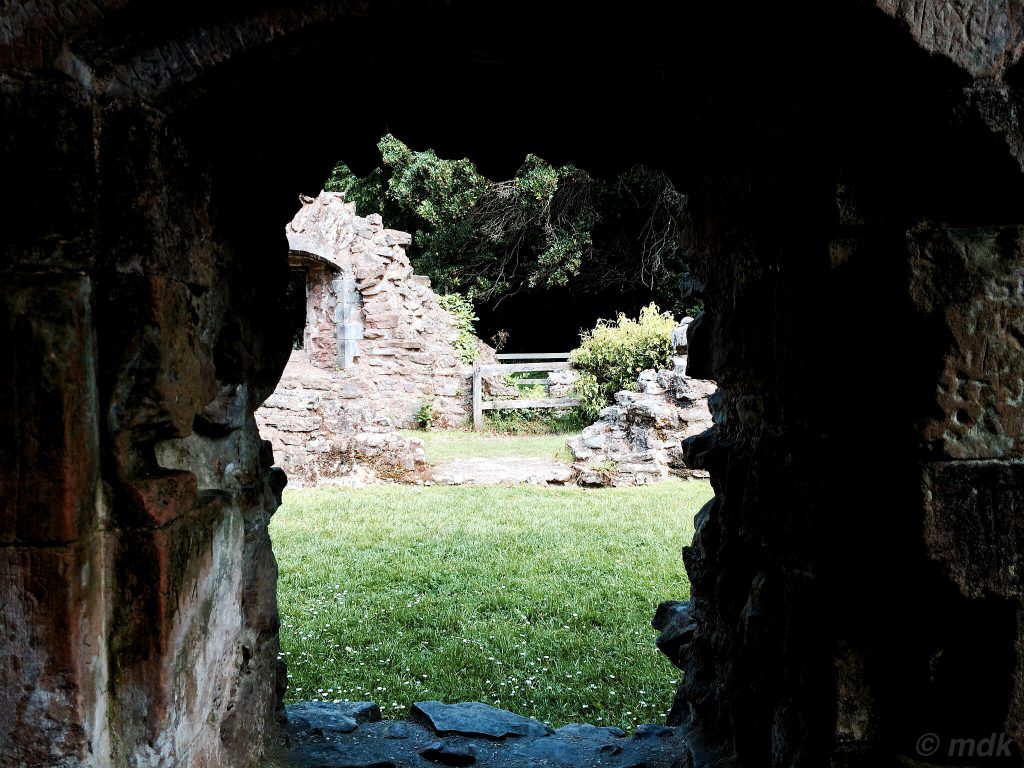

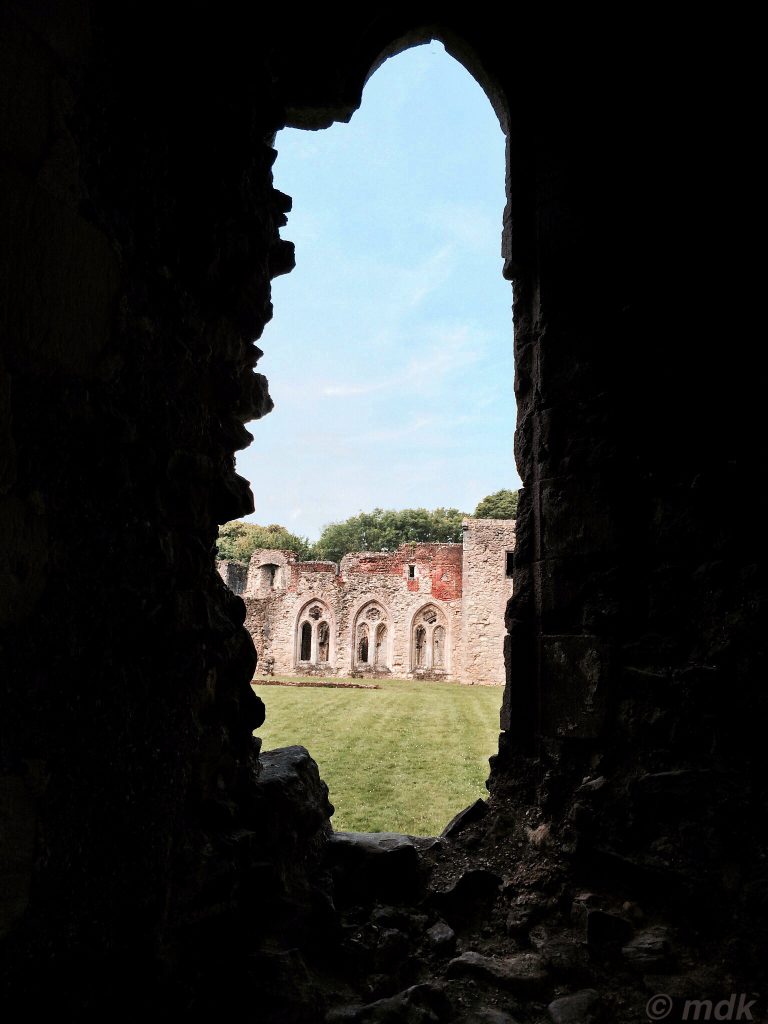
There were other interesting looking rooms and lots of nooks and crannies but I couldn’t work out what they might have been used for and, much as I’d have liked to spend more time exploring, there was a rail trail calling me. Wandering around taking pictures doesn’t really count as walking after all. Perhaps if I’d had longer and maybe done a little research beforehand… Still, I didn’t know the abbey would be open for visitors so I wasn’t really prepared. Maybe next time. Reluctantly I left the mysteries behind and set off back to the main building.


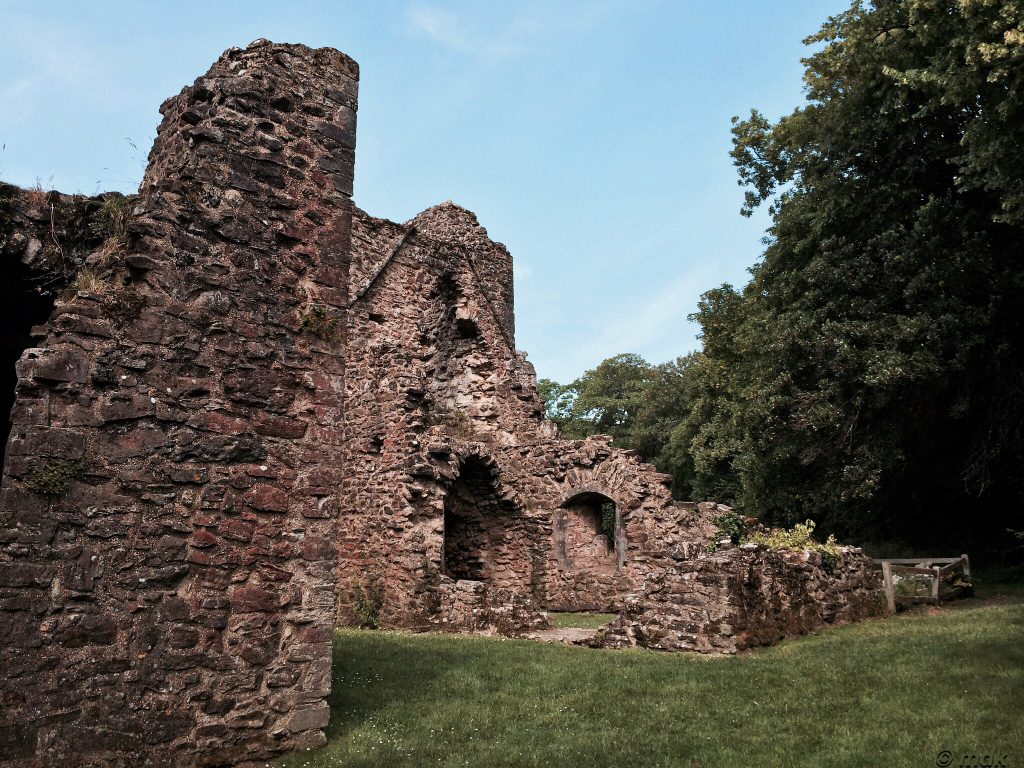
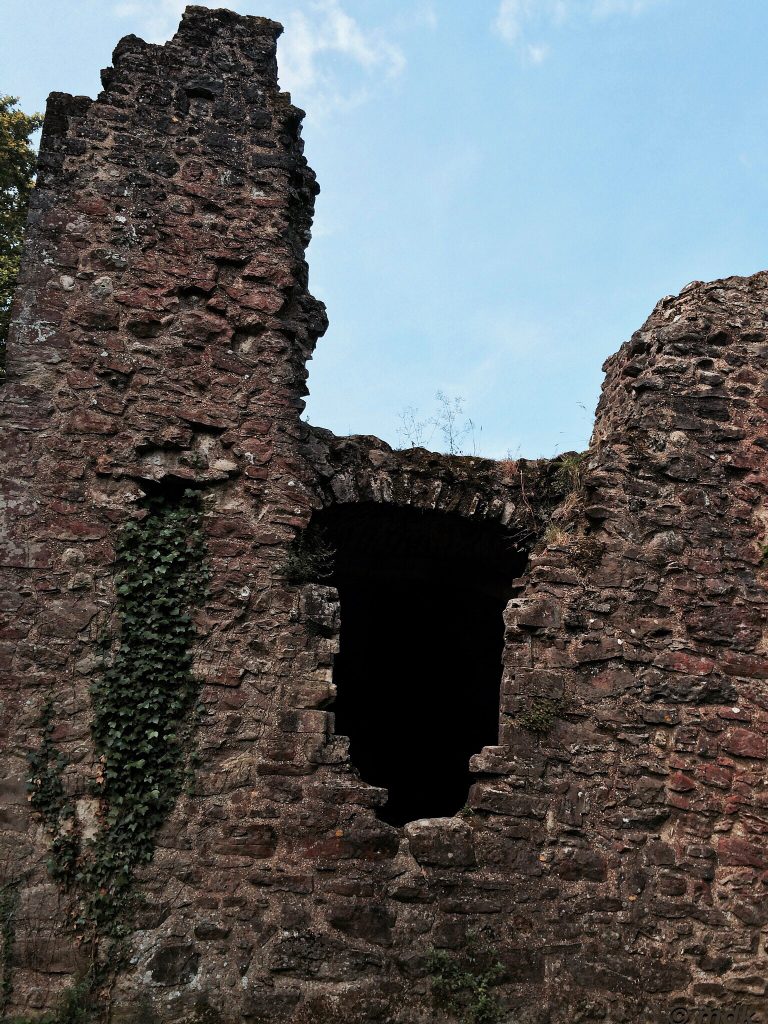
Across the grass I made for a trio of identical arched windows. Peeking through I could see the three arches leading to the cloisters so I’m pretty sure this was the chapter house. Inside I could see it had once been an impressive place, the remains of decorative pillars could still be seen. Again there were lots of windows, these looking out at the abbot’s house so maybe he felt as spied upon as the monks. Who was watching who I wonder?


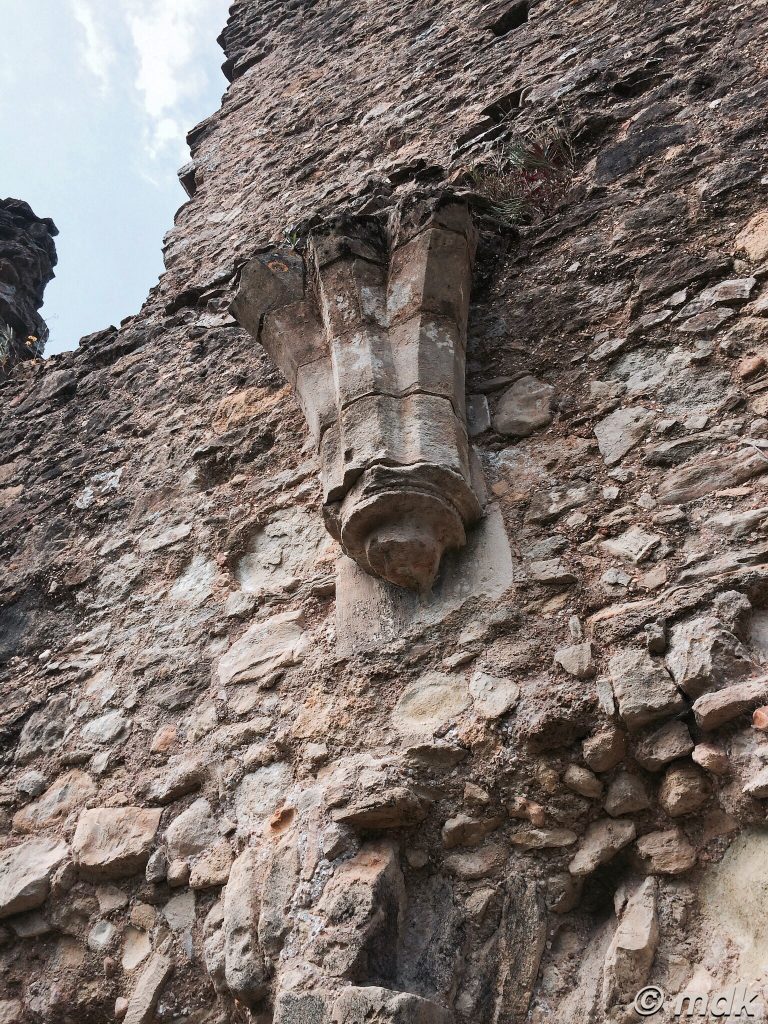
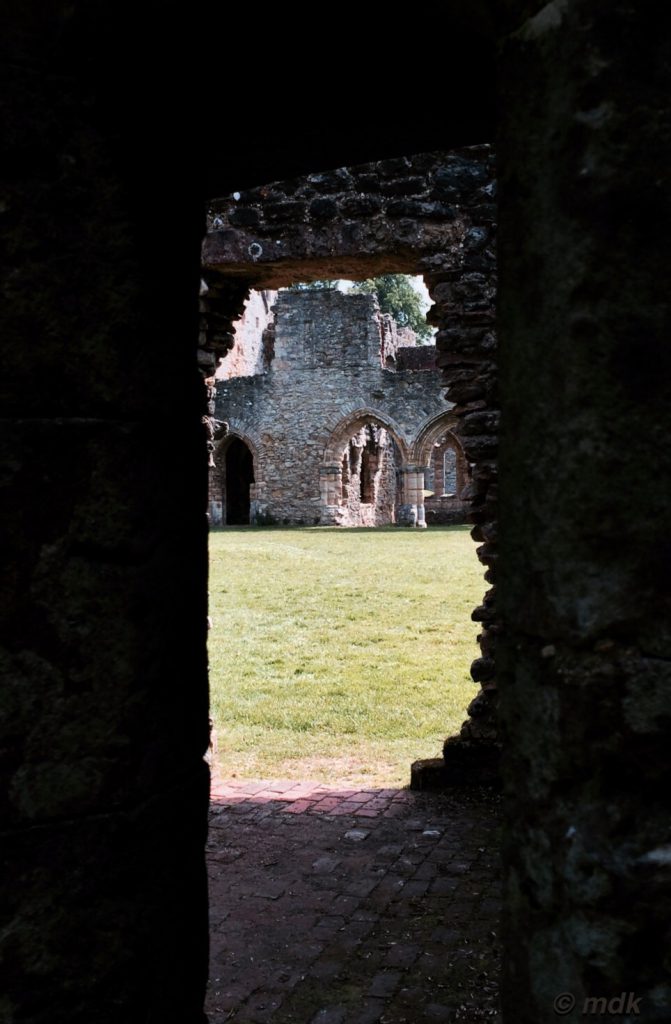
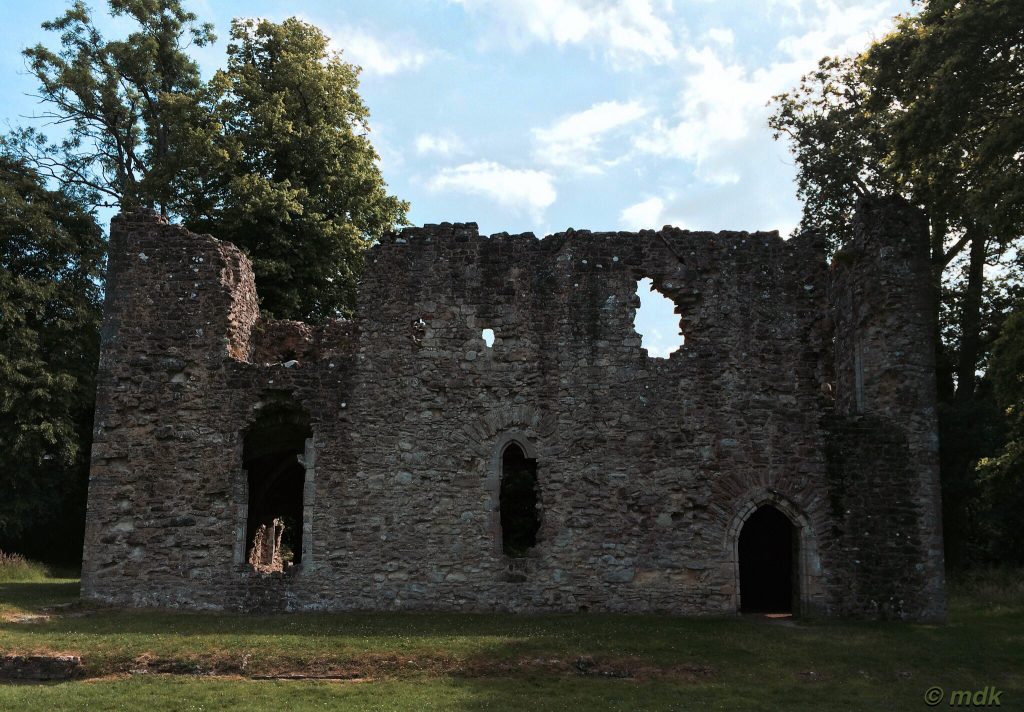
Again I wandered, looking at all the different styles of windows and puzzling over odd doors. There were curious hatches some opening onto other rooms. So many mysteries so few answers. From my after the event research I know there was a parlour where the monks were allowed to talk and a day room where the sick monks could eat meat which was forbidden in the main dining hall. There was also a buttery where beer and wine, some of which came from the king’s stores in Southampton Castle, were stored. One of the rooms was a separate kitchen but which was which is anyone’s guess.
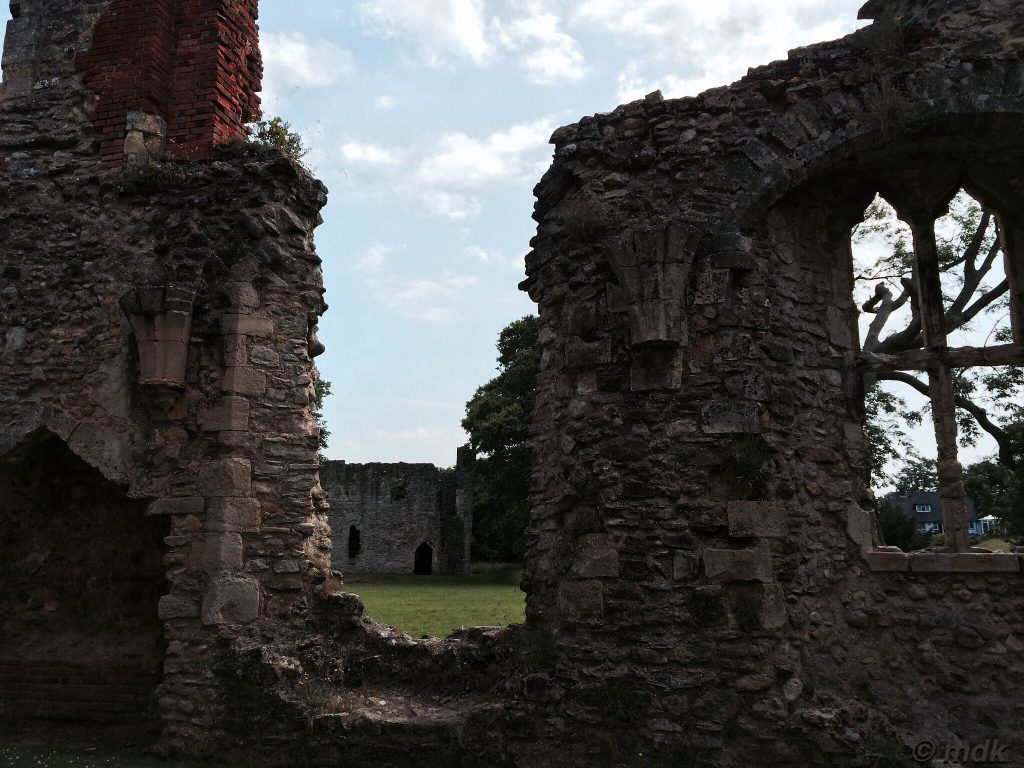
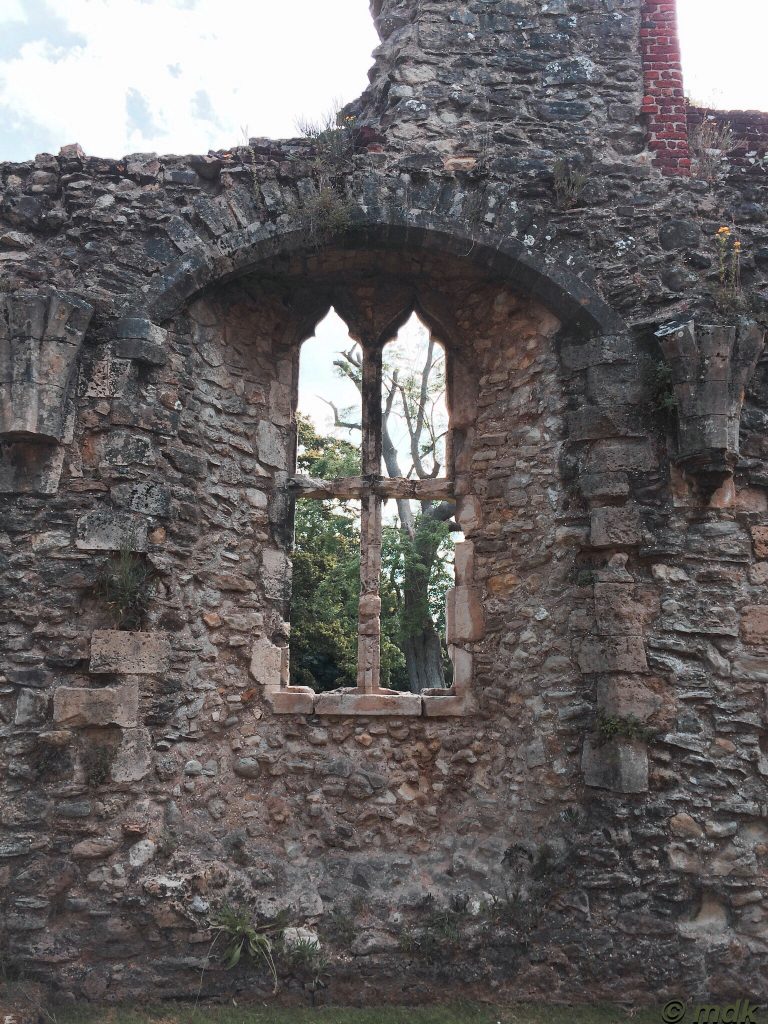
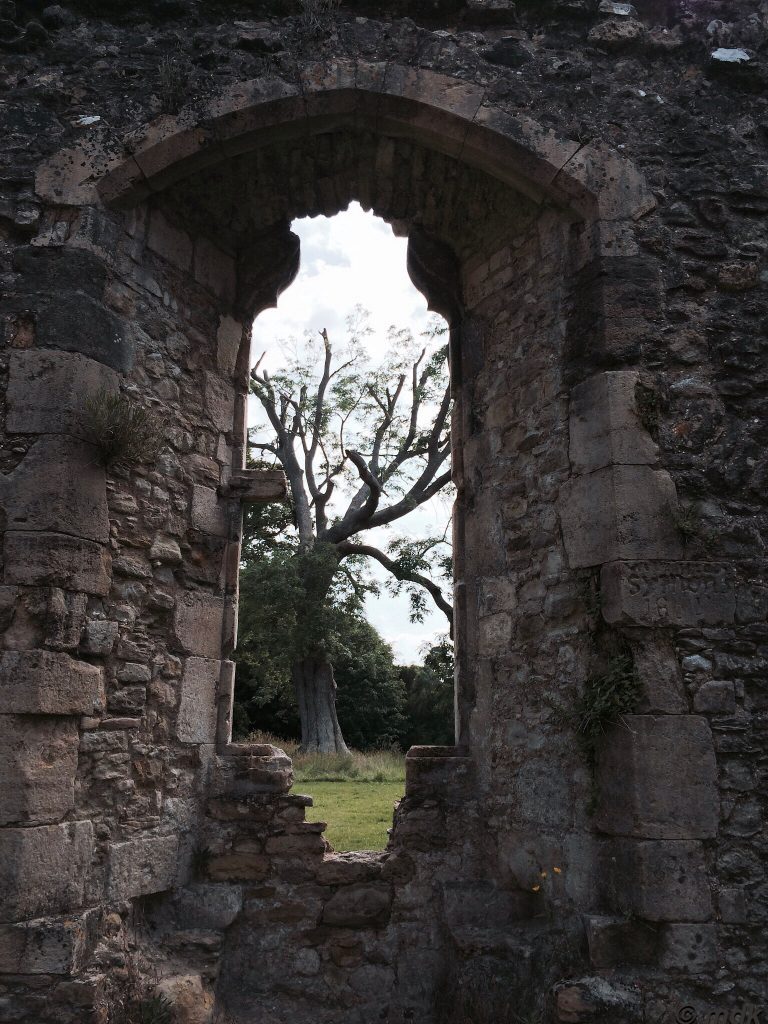
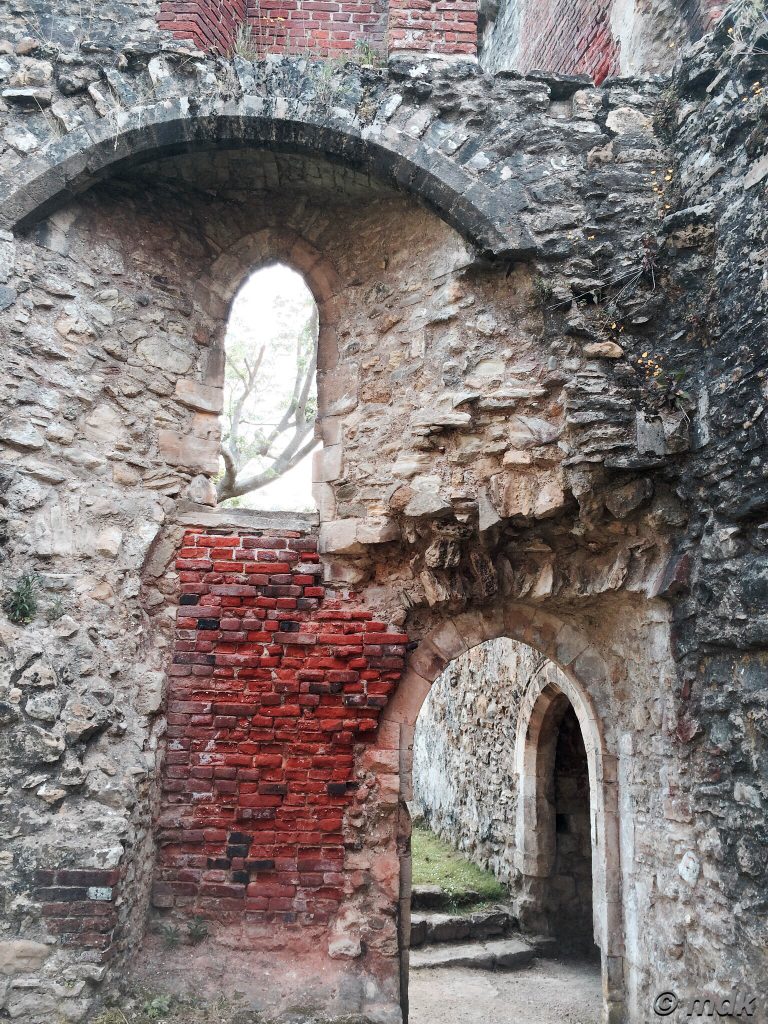

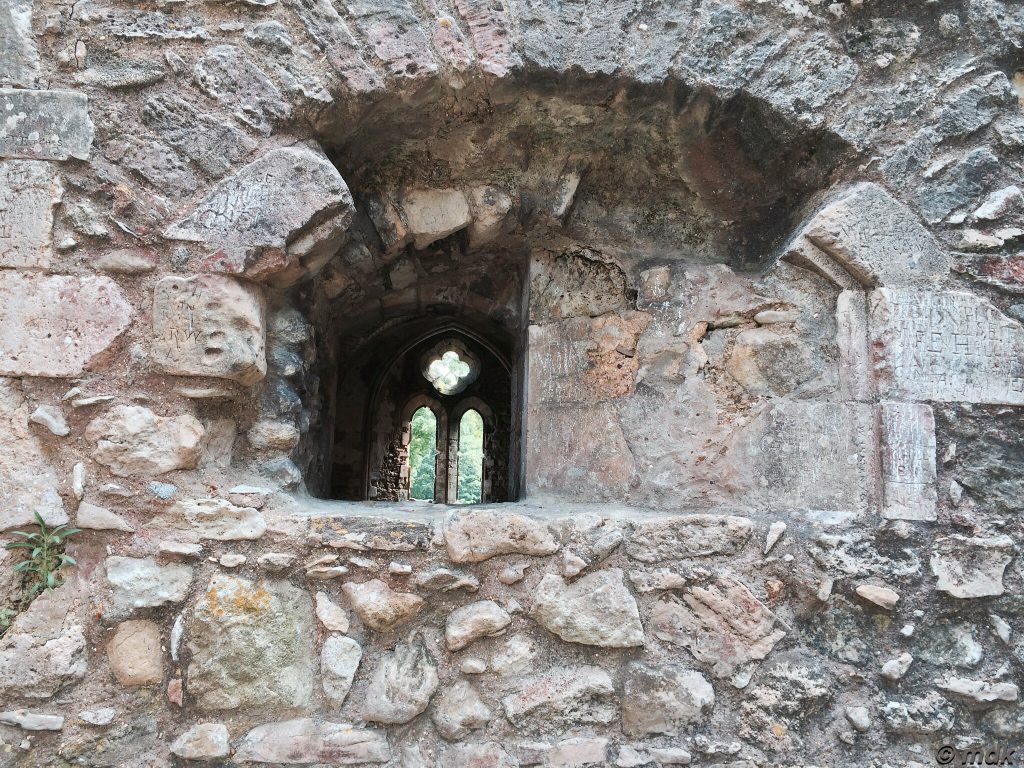
Another long room, the most southerly of the abbey, is the infirmary. Even though I didn’t know it’s purpose at the time I got the sense of a calm peaceful place with a pretty window looking out over the gardens. Somehow I can imagine sick monks sitting quietly peering outside. Maybe some spent their last hours doing just that. Hopefully the views and the sunlight brought them some comfort.
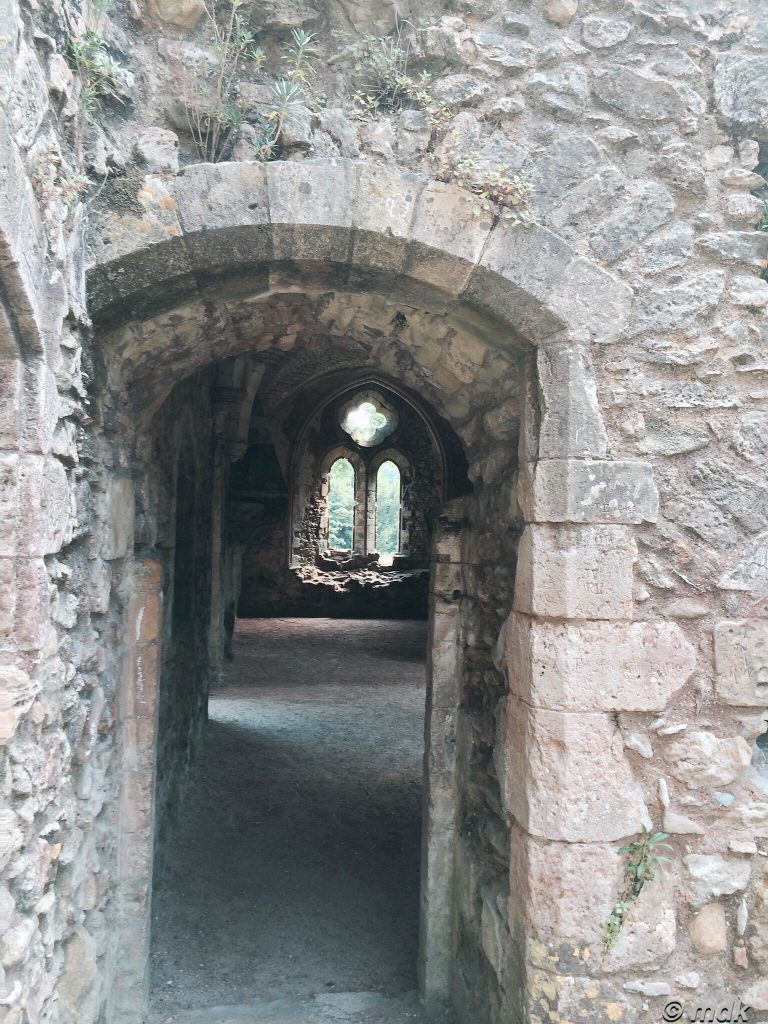
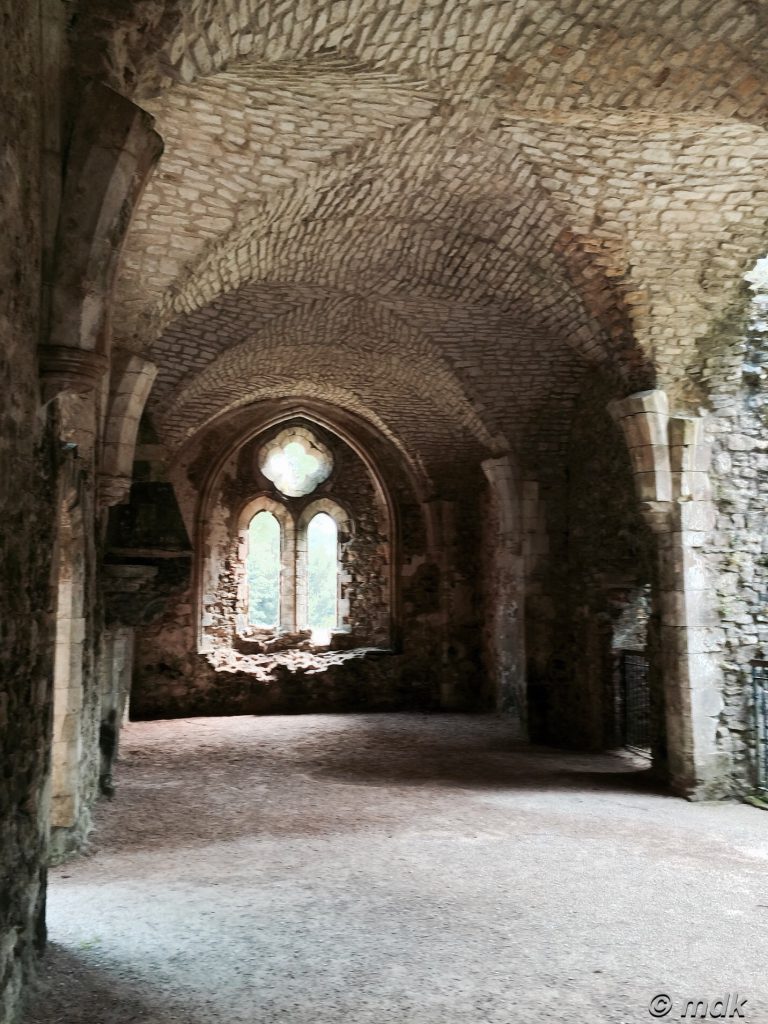
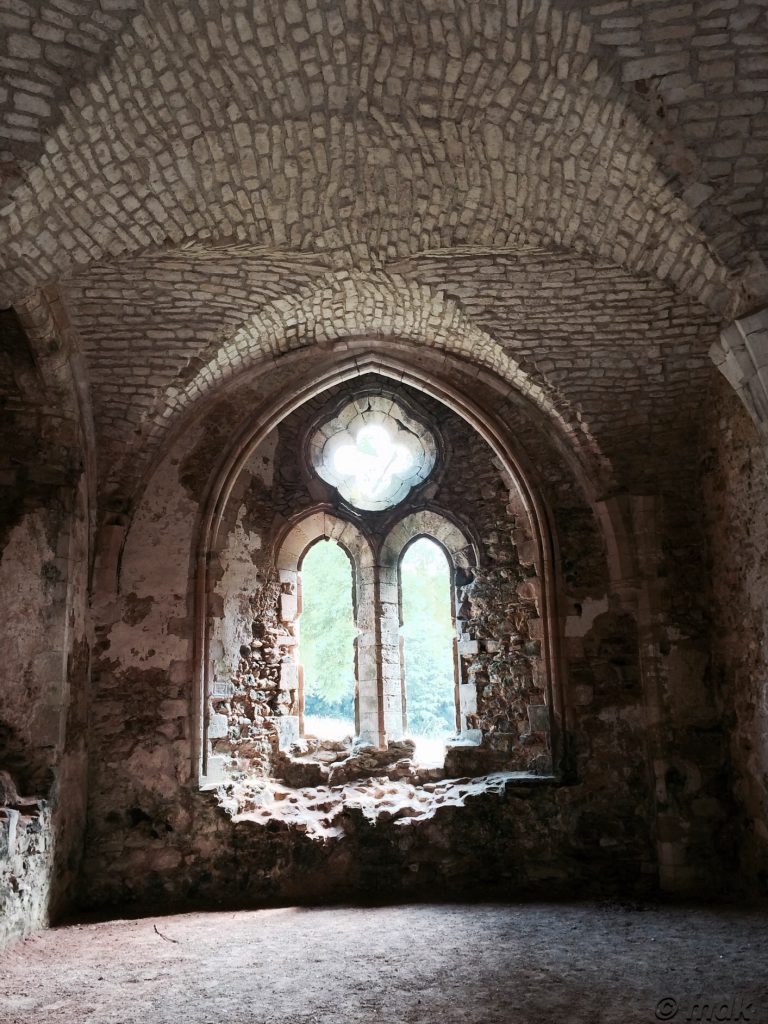
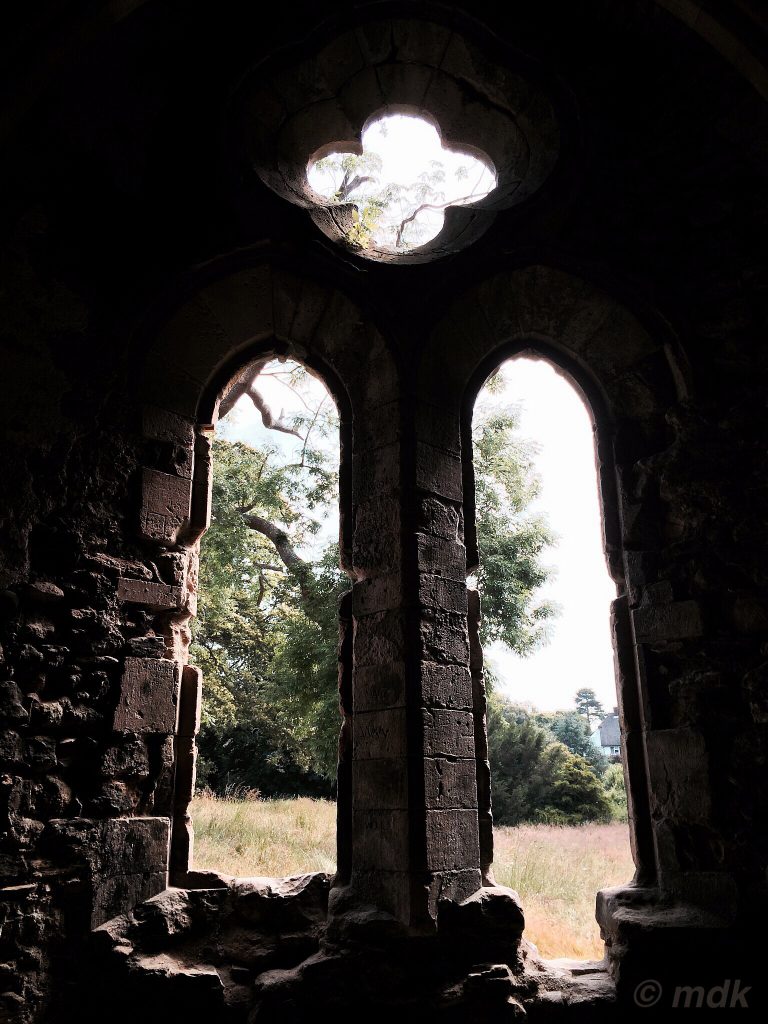
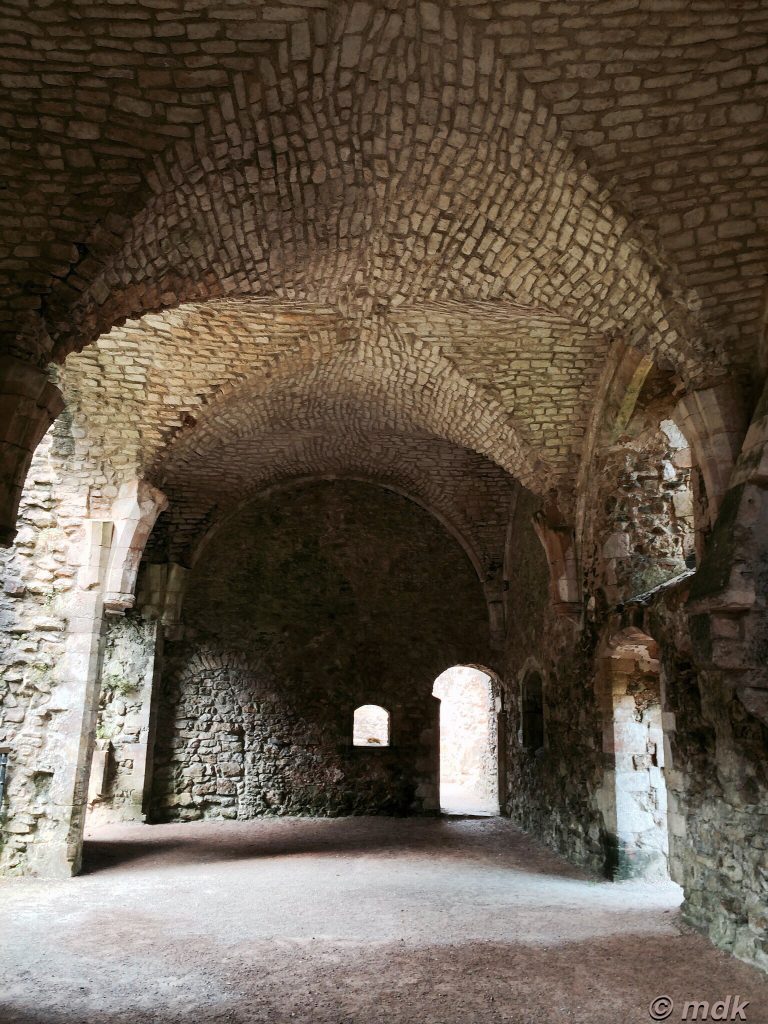
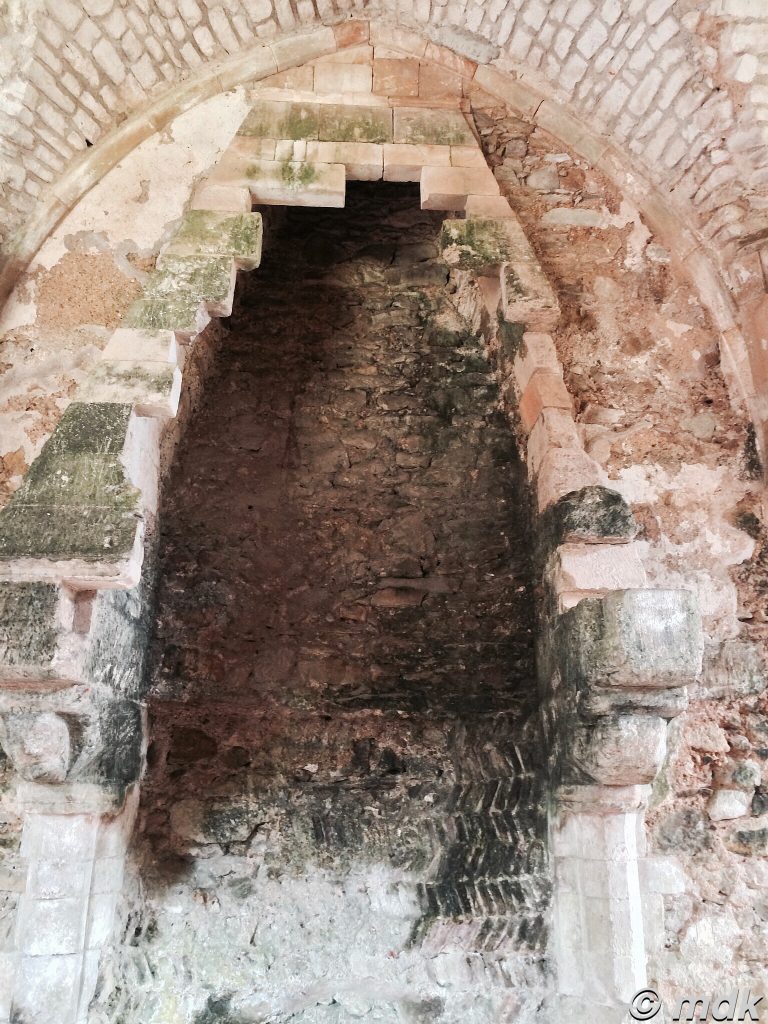
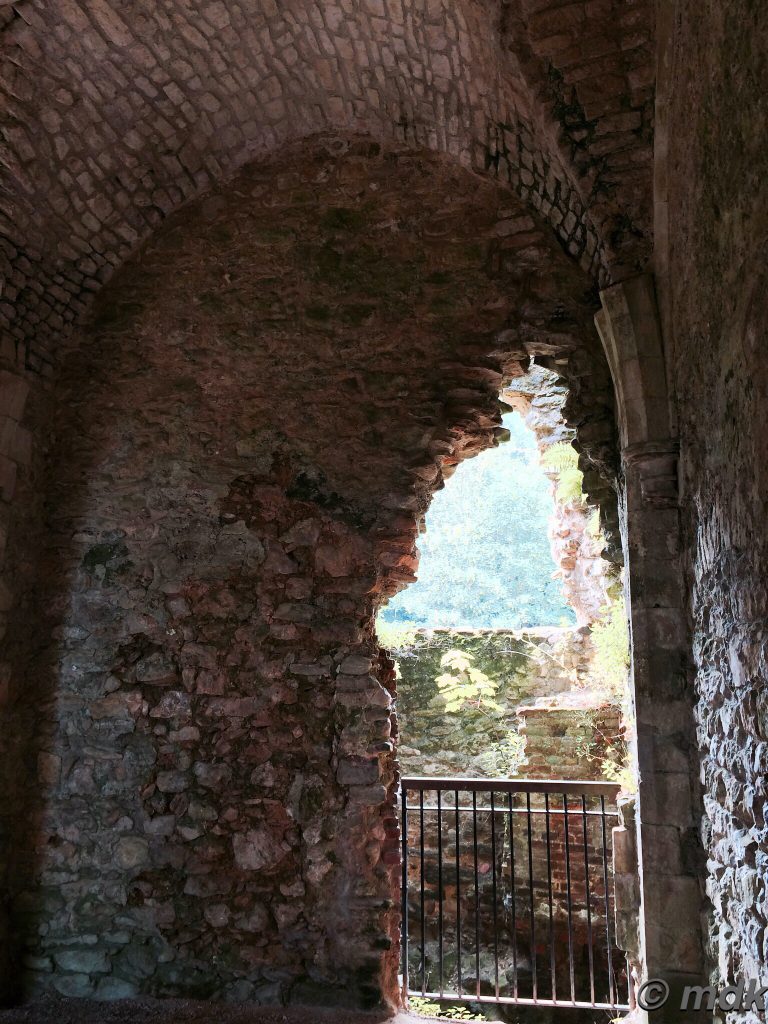
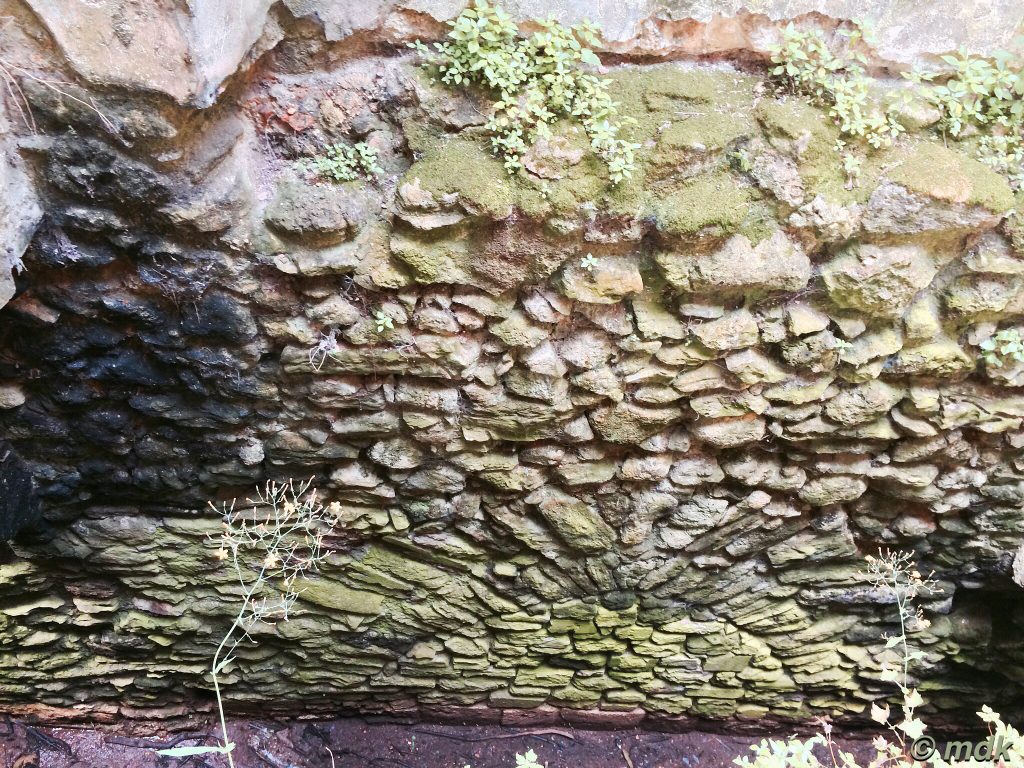
For such an ancient building the infirmary was equipped with all mod cons, including a large hooded fireplace and a garderobe or toilet. Today the underground stream that acted as a natural toilet flush is protected by railings but I squinted down into the deep, dark gully and saw water still flowing. What a clever use of resources especially as the room above was also used as a latrine with a door leading, conveniently, into the monk’s dormitory.

Now there was just one more area to visit, the West Range. Standing beside the original main entrance to the church this small building was where monks could meet visitors. There were also cellars where food was stored and a small refectory for lay brothers. Above was the lay brothers’ dormitory. Very little now remains of the building other than a window or two and a door through to the cloister. This was probably a good thing given how much time I’d already spent at the abbey.
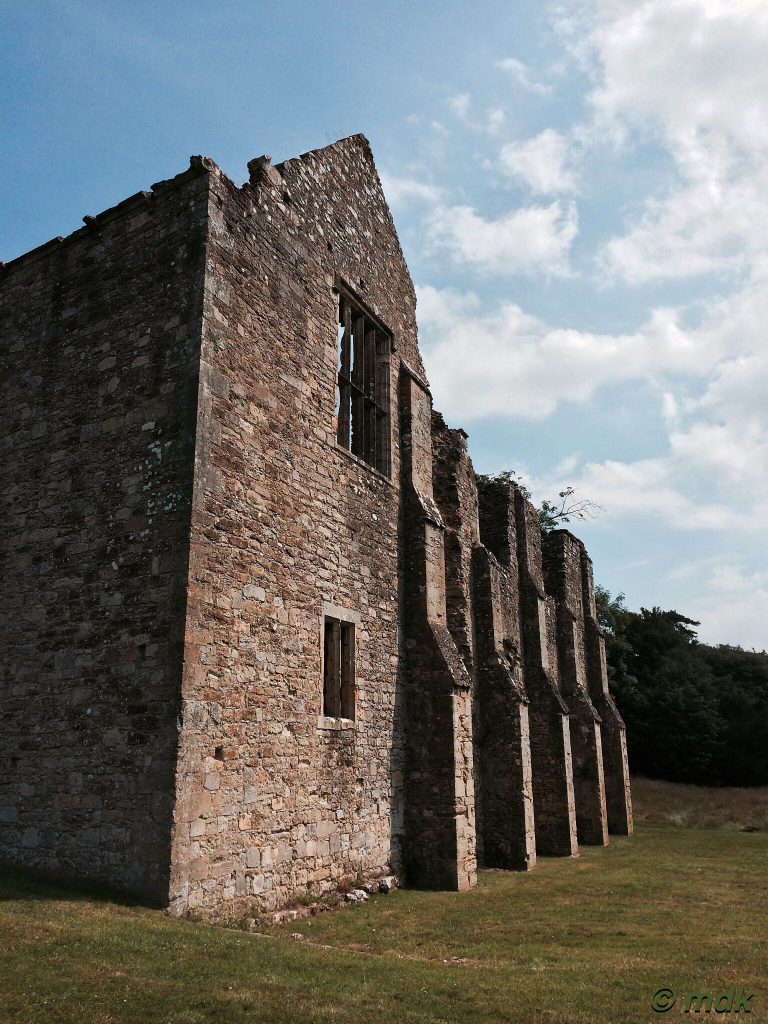
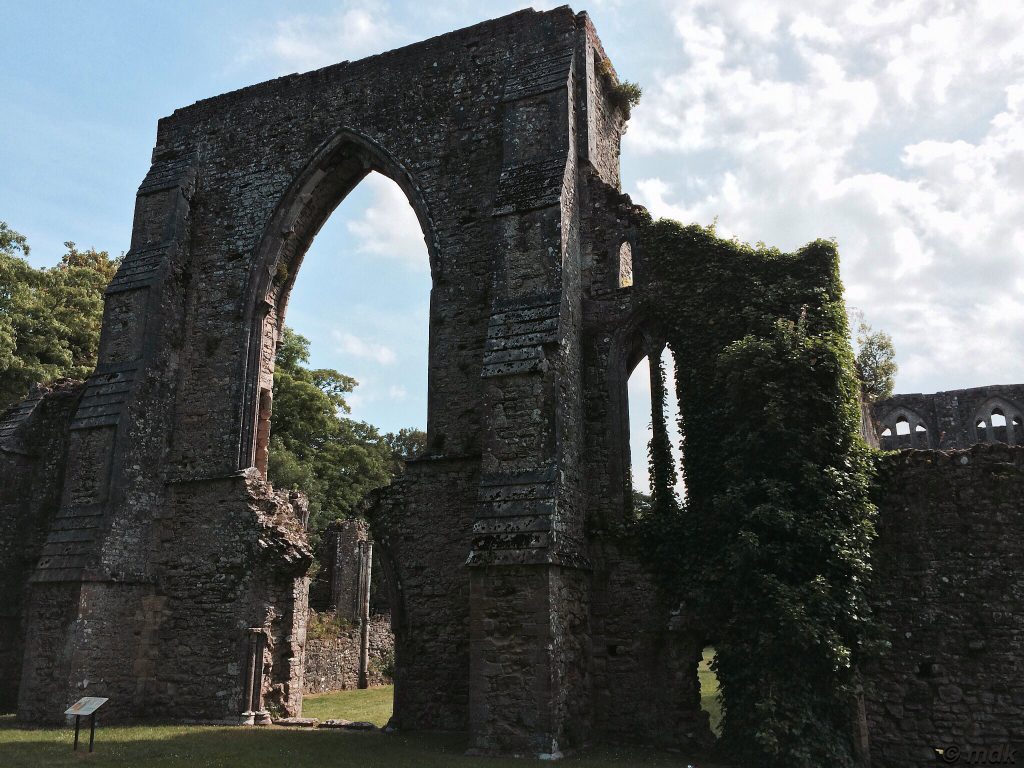
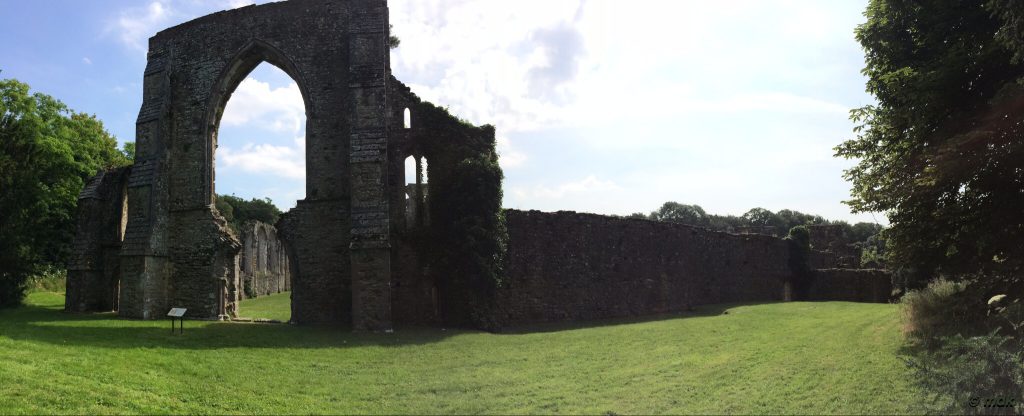
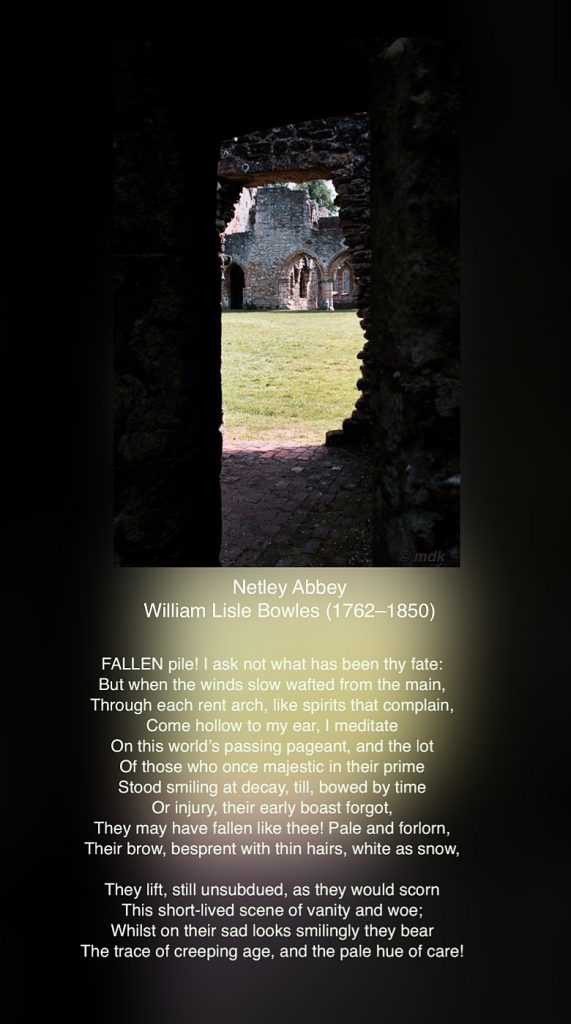
After Sir Berkeley Lucy’s failed attempt to knock the abbey down it was left to decay. Over the years pieces were taken to build other houses. In Winchester a folly in the gardens of Cranbury Park was once the north transept. Partly roofless and ivy covered the abbey began to attract artists and writers, such as a Jane Austen, Horace Walpole, Thomas Gray and George Keate. Steps were taken to preserve it, not all of them helpful. There were archeological excavations and the Tudor additions were mostly removed. Of course this destroyed much of the post dissolution history.
Time always seems to be my enemy and I’d spent far more of it than I should on the abbey. Of course I didn’t regret it one bit but I began to wonder if I should cut my losses, make my way back to the shore and turn for home. Why am I always against the clock and why do all my walks turn out like this?
Please see my copyright information before you copy or use any of the above words or pictures.
Your shots of the abbey are lovely! And I like the stonework and elegant arches!
Thank you. It’s a wonderful place to visit, when it’s open.