
20 November 2014
After such a warm, wet autumn my little garden is in need of some tender loving care right now. Unfortunately, the need of the garden in Commando Senior’s crooked little house was greater. This meant a little morning walk across Freemantle Common with my folding secateurs in my rucksack. Thankfully it wasn’t raining and it certainly beats walking to work.
This tiny patch of greenery on the edge of my village has been common land since at least the sixteenth century, although it’s shrunk a bit over the years as houses and roads have crowded in. This, along with Hum Hole and Peartree Green, was once used by villagers to graze their animals. Nowadays it’s more about dog walking than grazing but I suppose it amounts to the same thing.
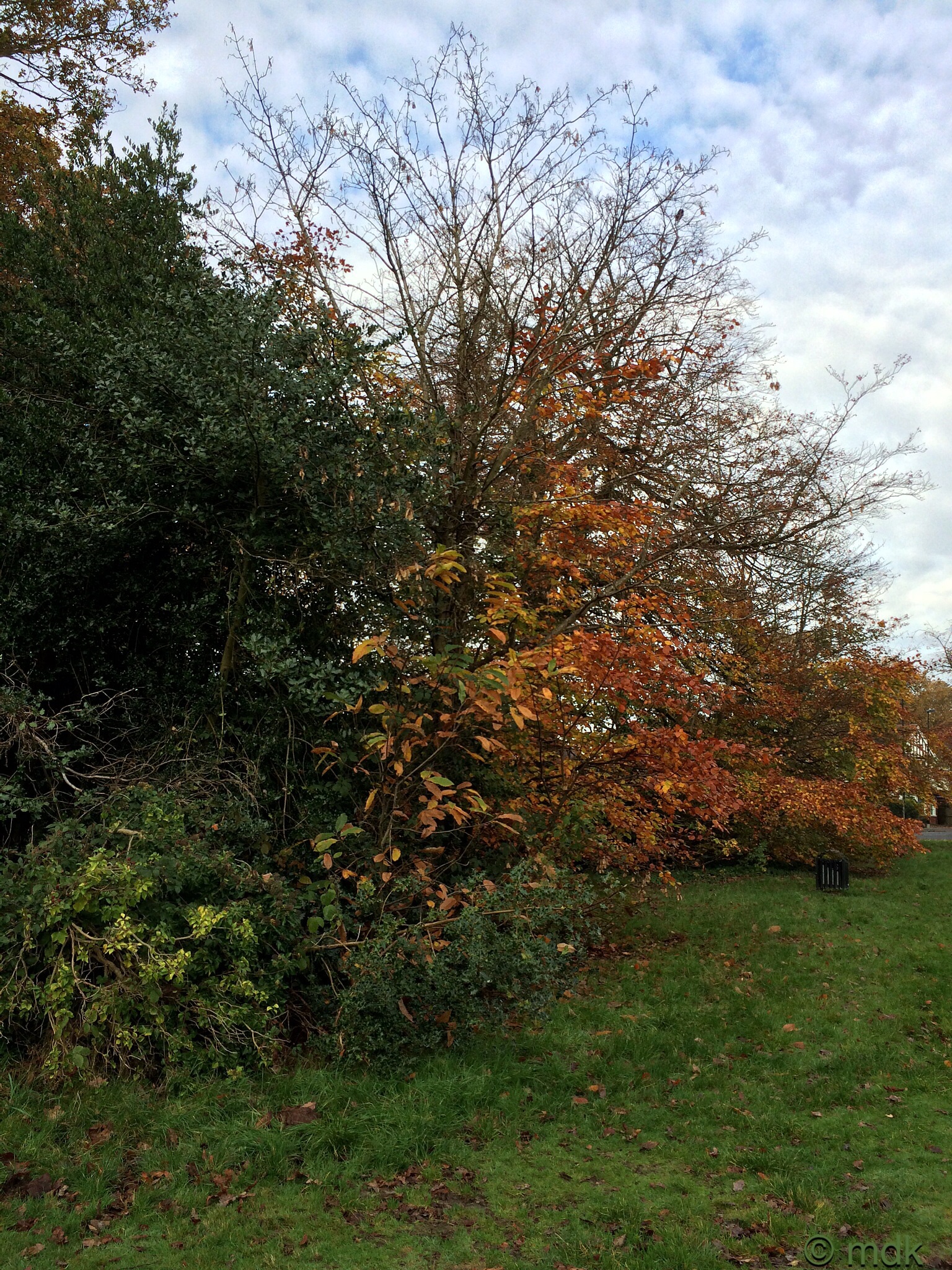
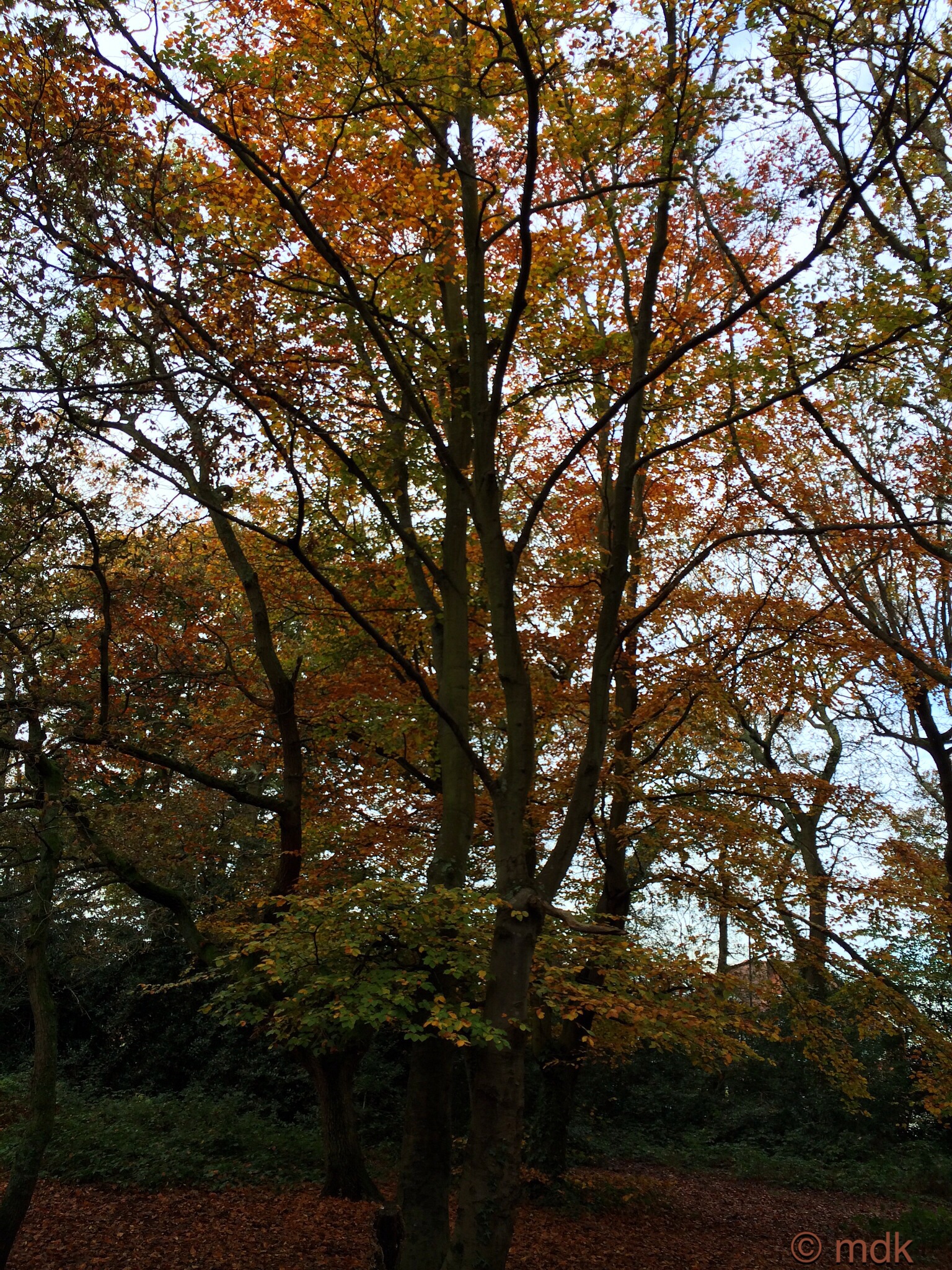
It’s a short but pleasant walk, not too muddy, with plenty of autumn colour and leaves to crunch through. When I set out I was hopefully of seeing lots of fungi but, apart from one tree stump, I was disappointed. There were plenty of holly berries though. The old wives say this means a hard winter. Of course it could have more to do with a warm wet spring and an even warmer autumn but what do I know?


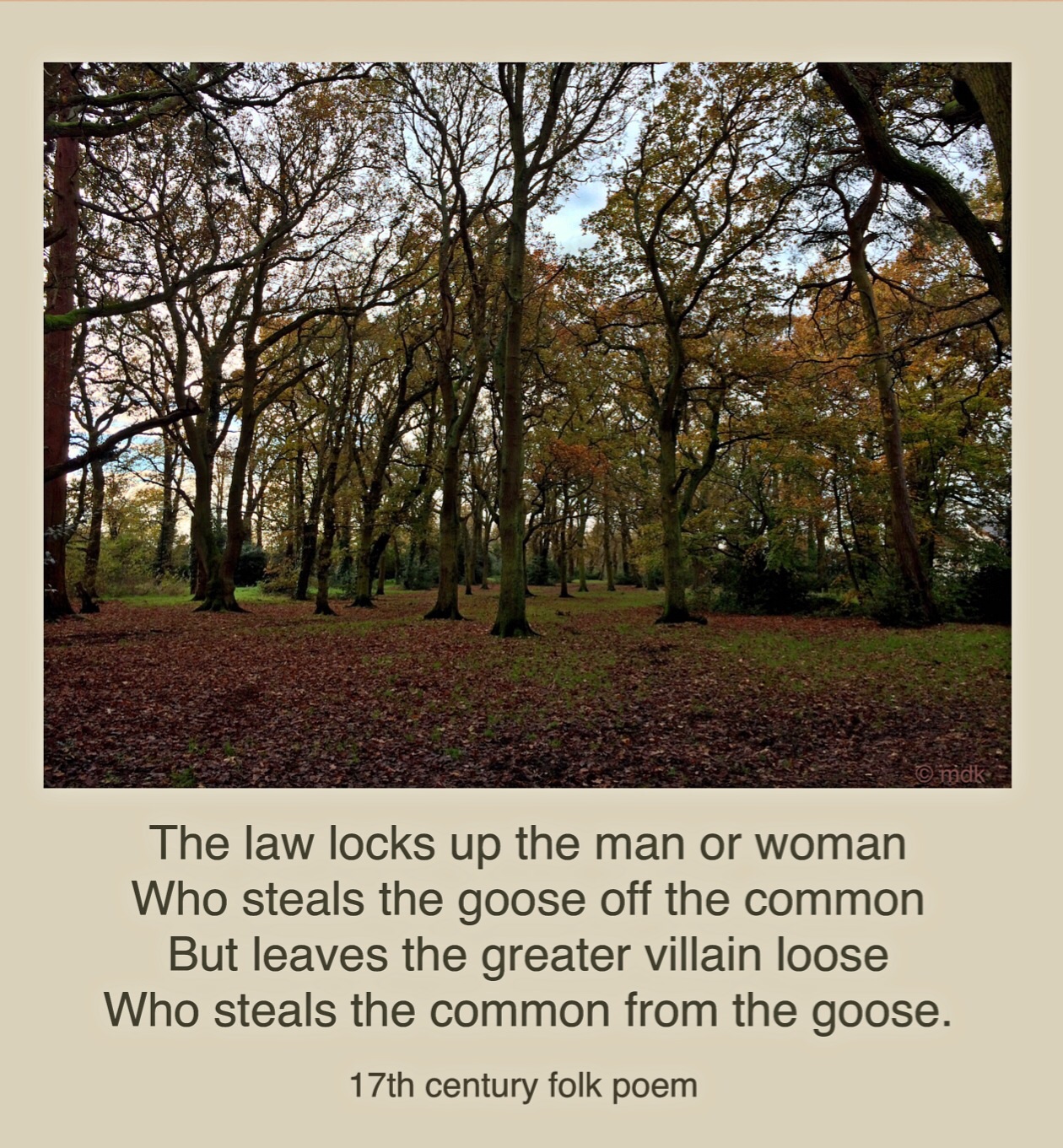
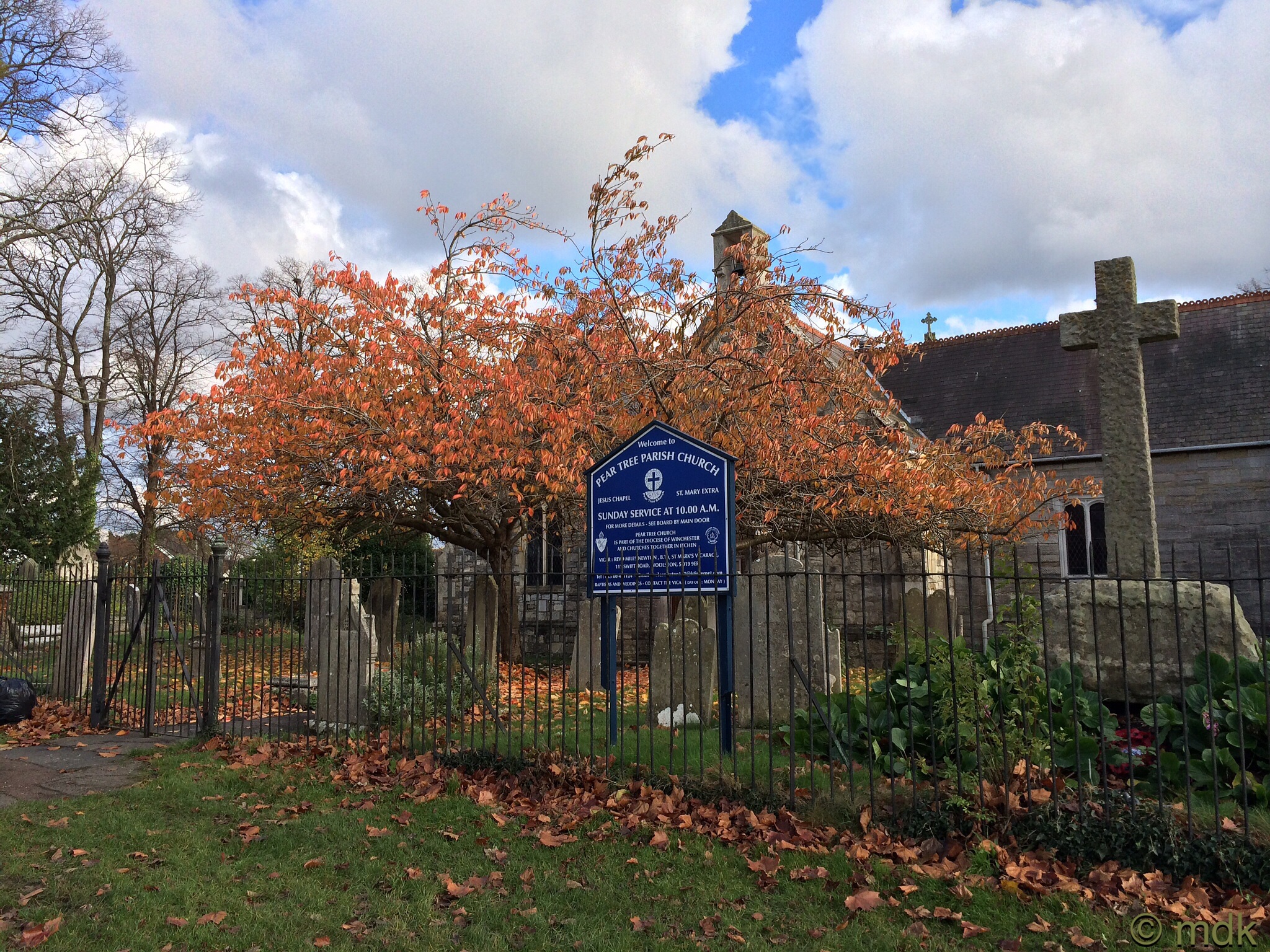
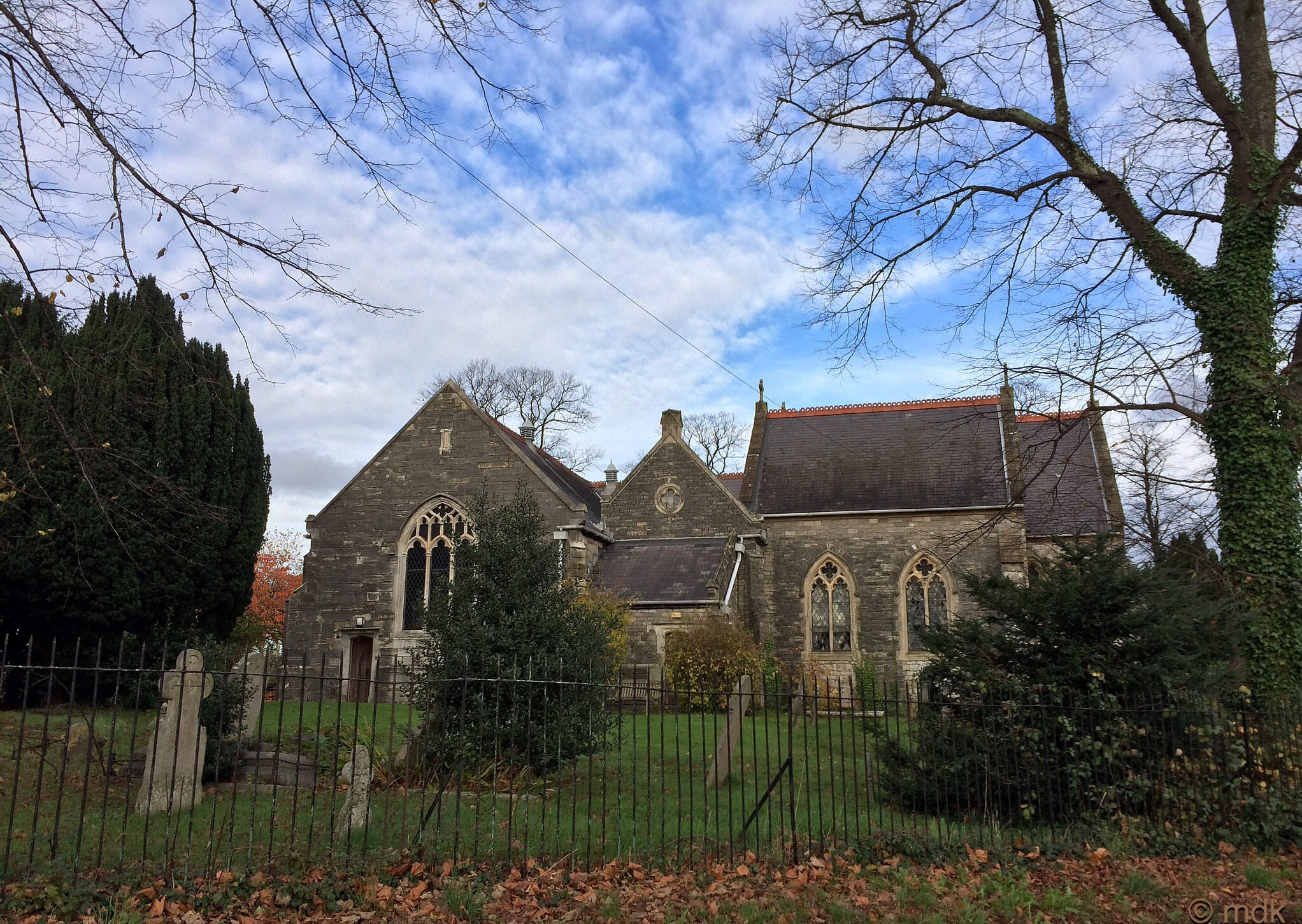
Less than half a mile down the road I was walking across common land again at Peartree Green. Once part of Ridgeway Heath, the green and the road that runs through it takes it’s name from the pear tree that once stood on the green. The story goes that this tree, although very old and split in two by a lightning strike, still bore fruit. Sadly, it is no longer there today. The green straddles both sides of Peartree Avenue, with the largest part overlooking the Itchen and the old Saxon town of Hamwick that became Southampton. Altogether it’s probably four times the size of Freemantle Common but the smaller portion I walked across is dominated by Peartree Church.
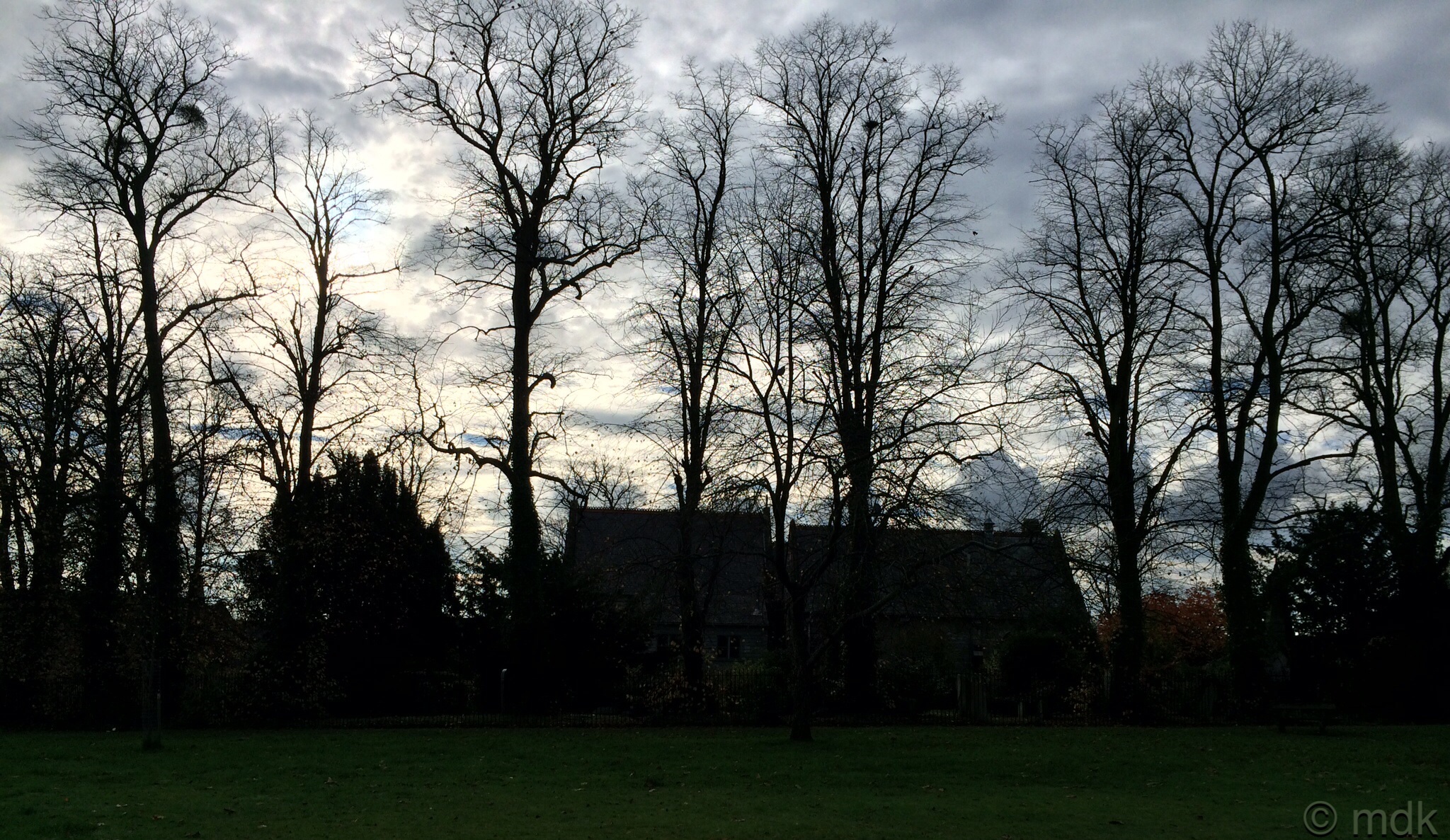
The lovely little church, properly called Jesus Chapel, is actually pretty special, being the oldest Anglican Church anywhere in the world, the first built after the reformation. For such an important church it’s rather understated and, from the front, half hidden by trees. The church was built in 1618 by Captain Richard Smith who lived in nearby Peartree House. The chapel acted as an overflow for St Mary’s Church who’s spire can be seen across the Itchen almost directly opposite. The new church saved the people of Itcehn Ferry, as the area was then called, from crossing the river on a Sunday morning. Although these were mainly fishermen and their families, they must have been thankful to avoid the crossing on rough days.
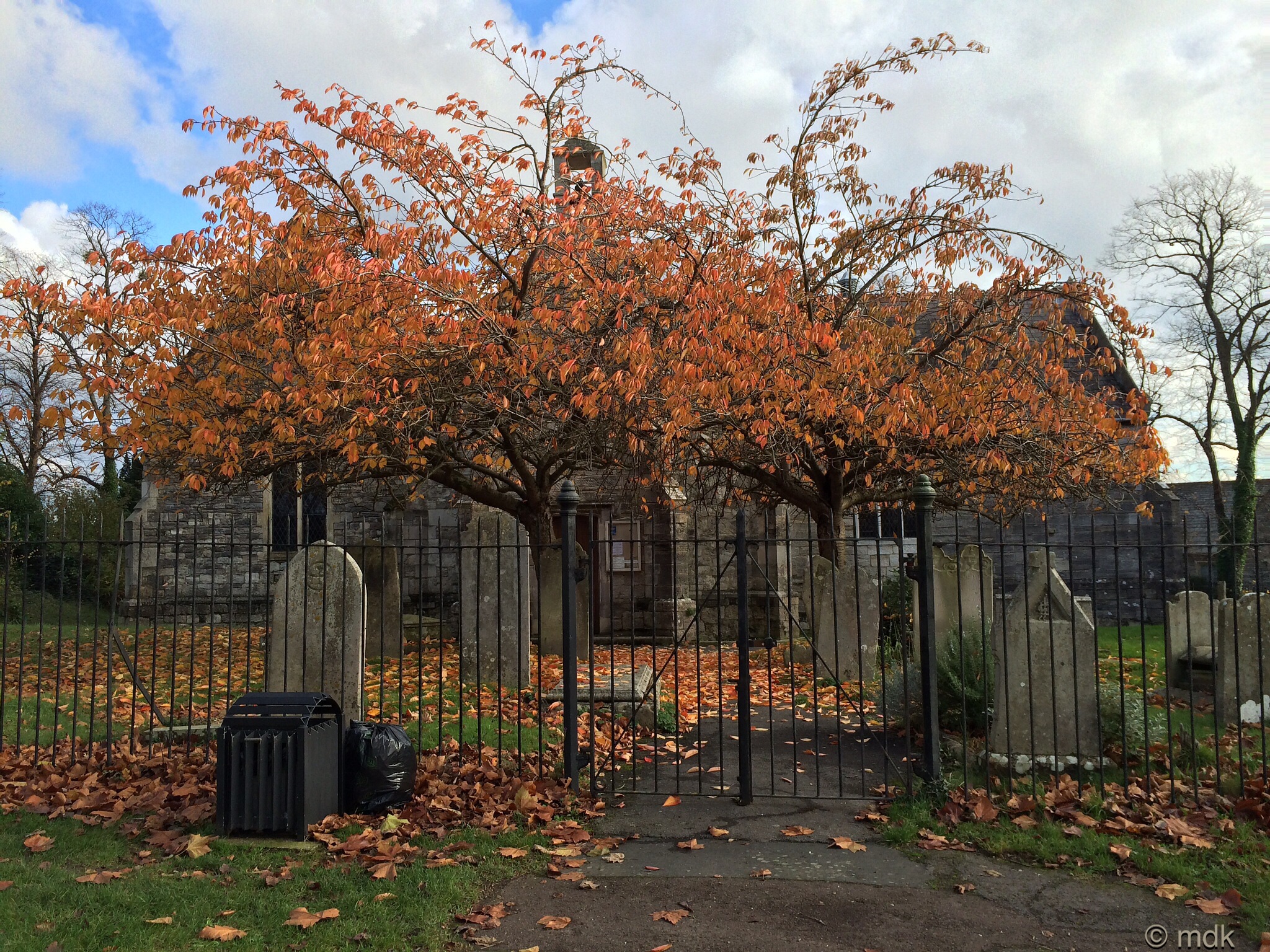
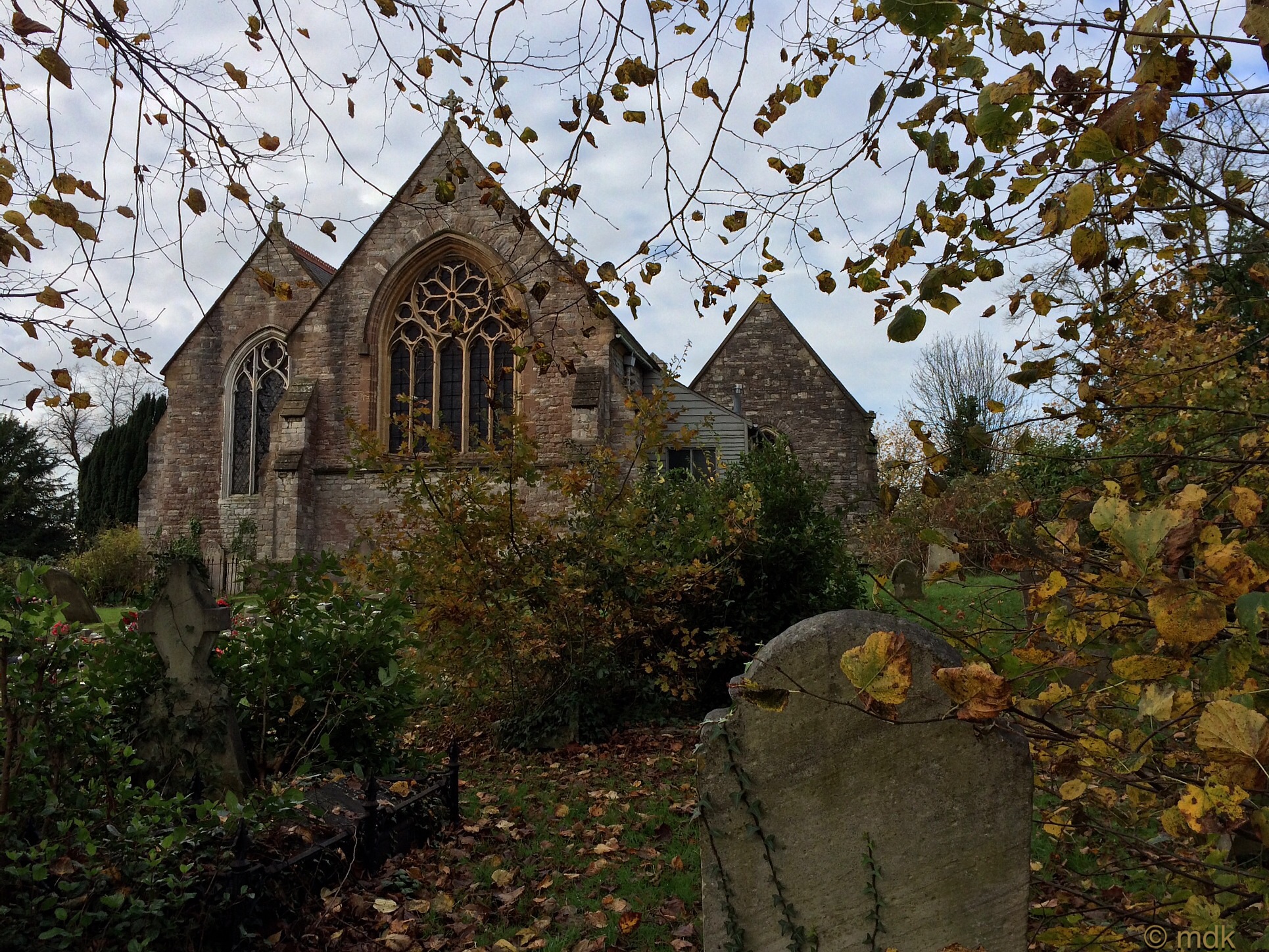
My favourite view of the church is from the back, peering over the railings through the golden leaves and gravestones. It seems to nestle amongst all the greenery as if it grew there along with the trees. With so many trees surrounding it, autumn or winter is probably the best time to see it. Not only is the church hidden away but, hidden in the churchyard is a rather interesting grave with a macabre story attached. That though, is a story for another day.
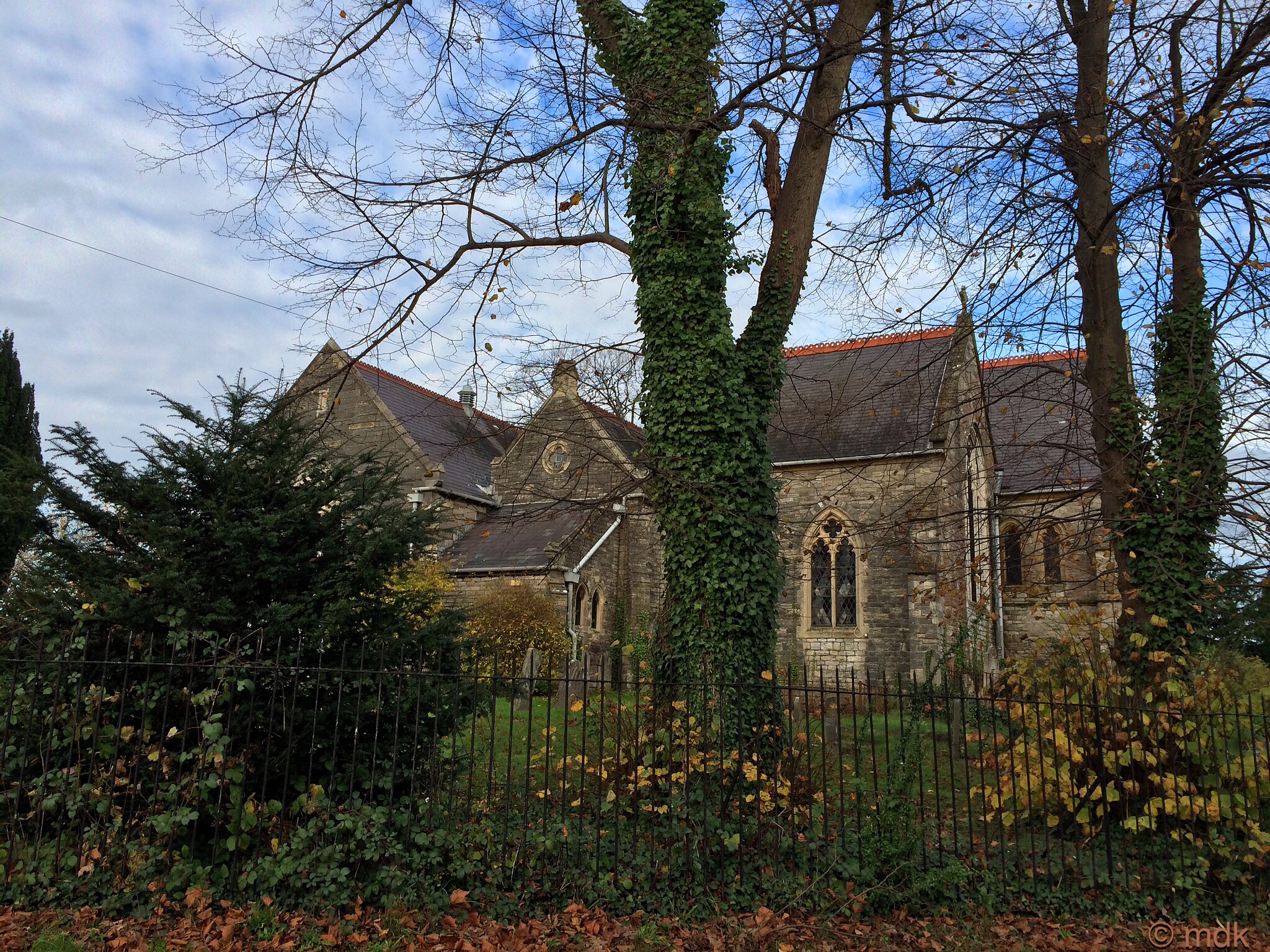
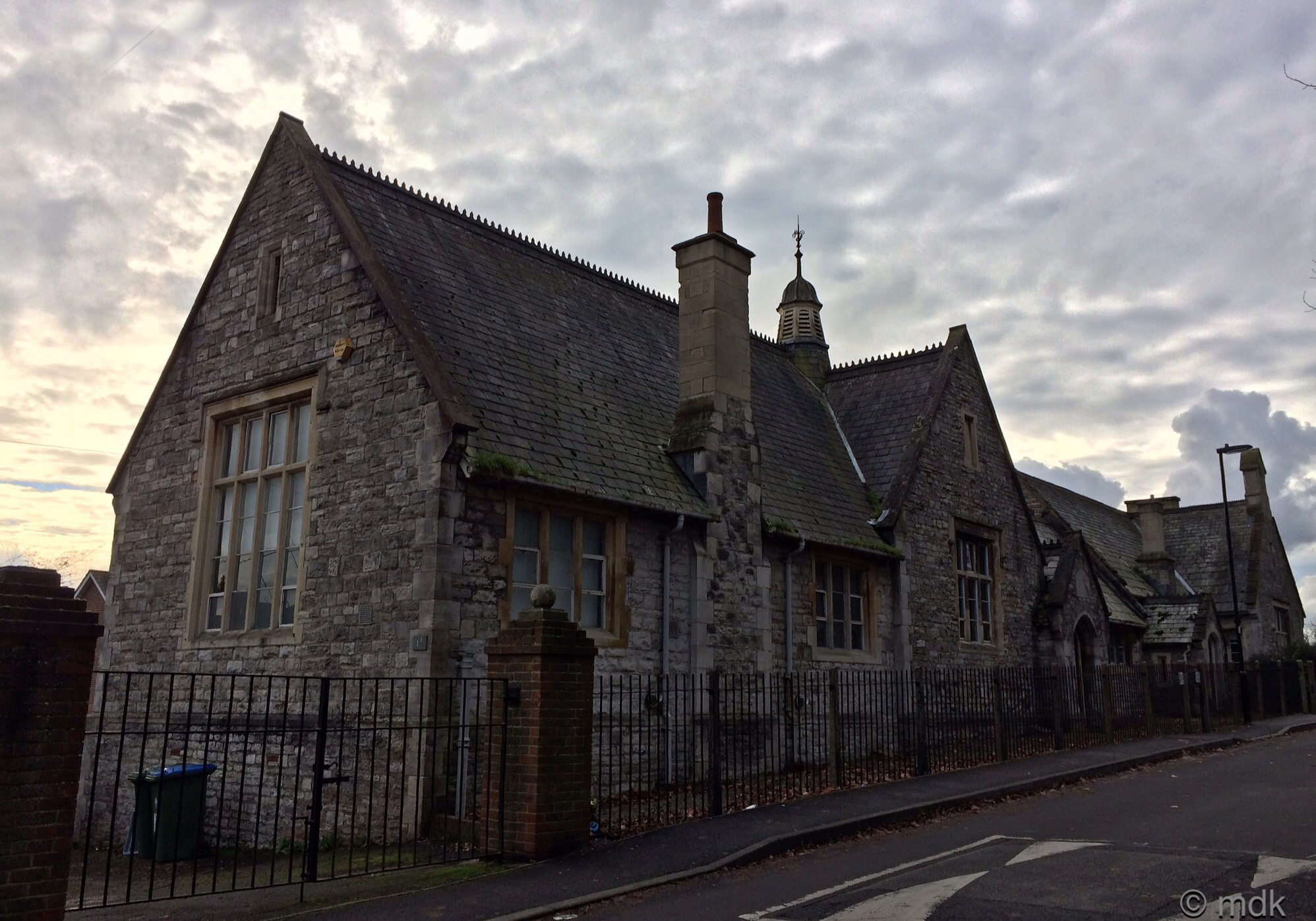
Before I got down to my gardening there was one more building I wanted to take a look at. Hidden behind the church that is hidden behind the trees is an old stone school house built in 1857. Originally it was a boarding school but it continued to be used as a school and, most recently a school annex, right up until the late 1970’s. In fact Commando remembers having lessons there. These days it has been converted into small houses that most certainly get my house envy going.

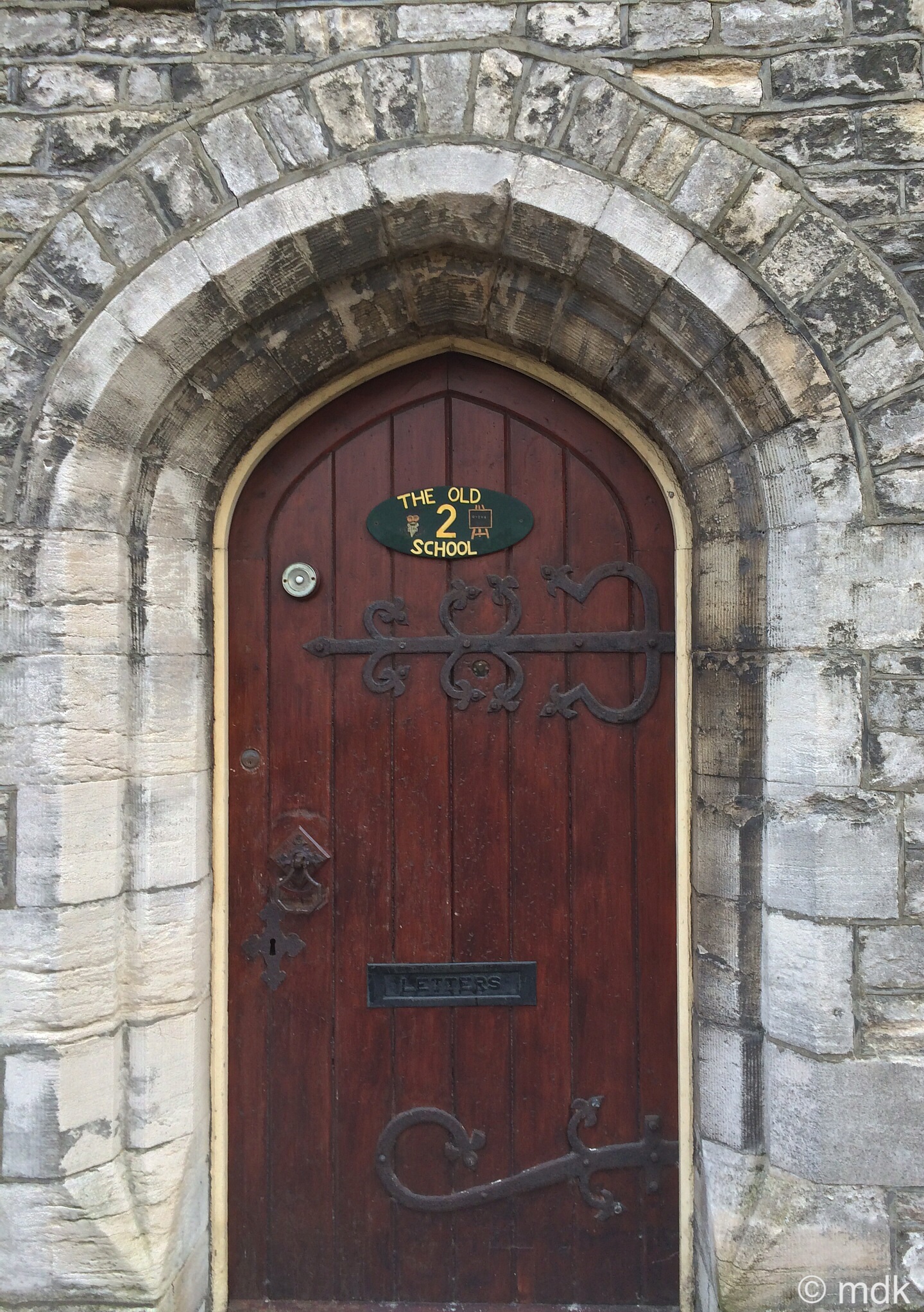
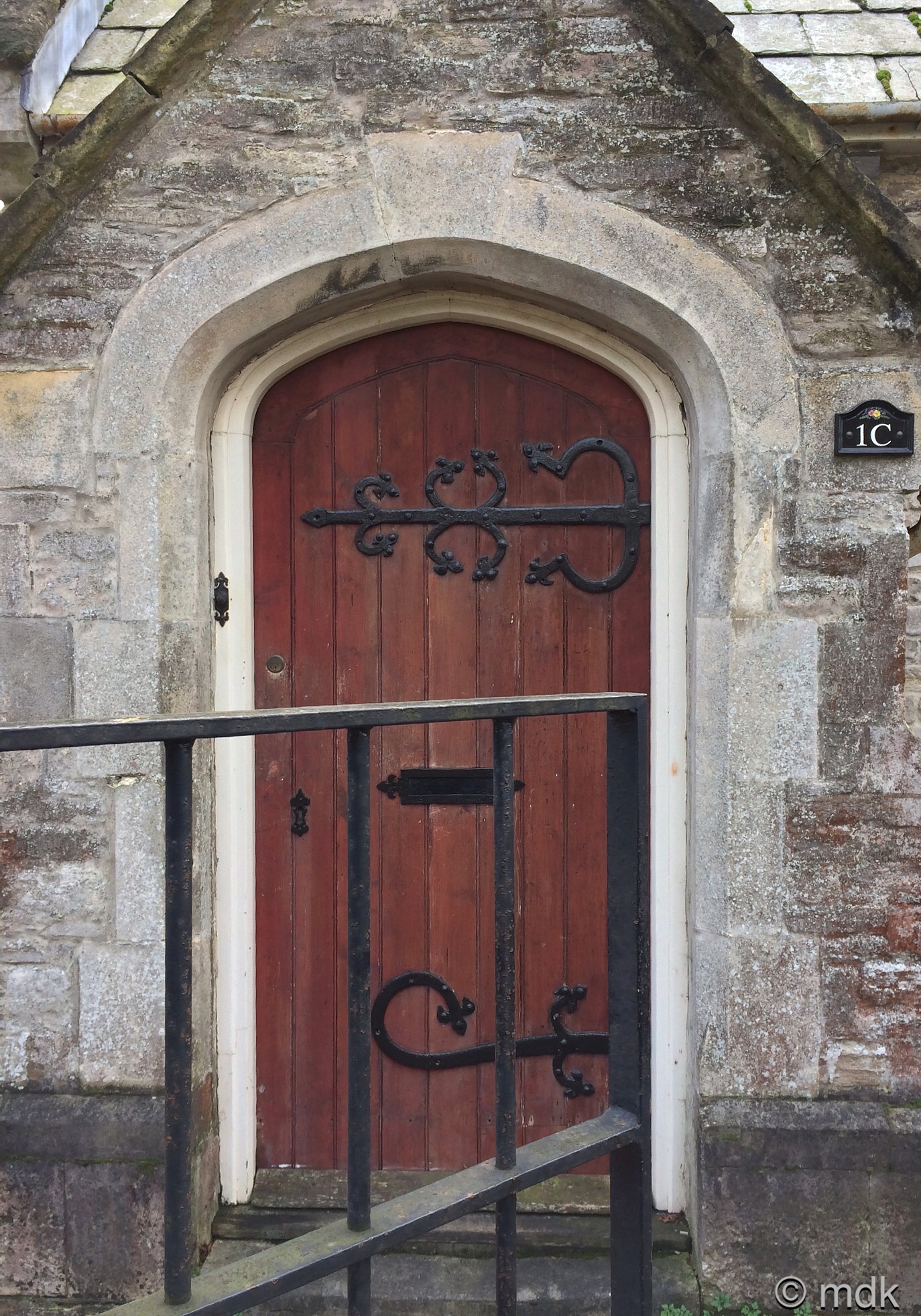
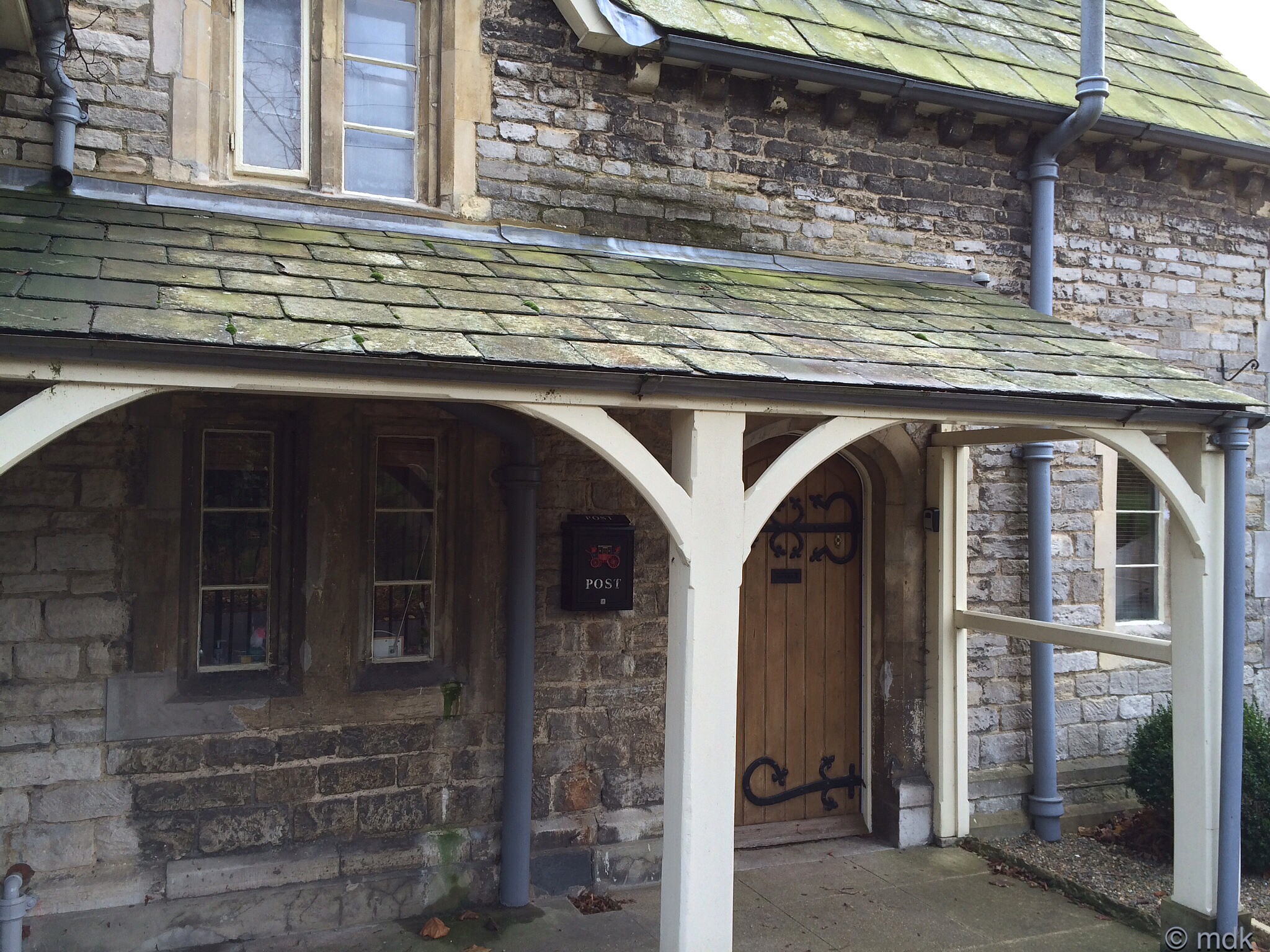
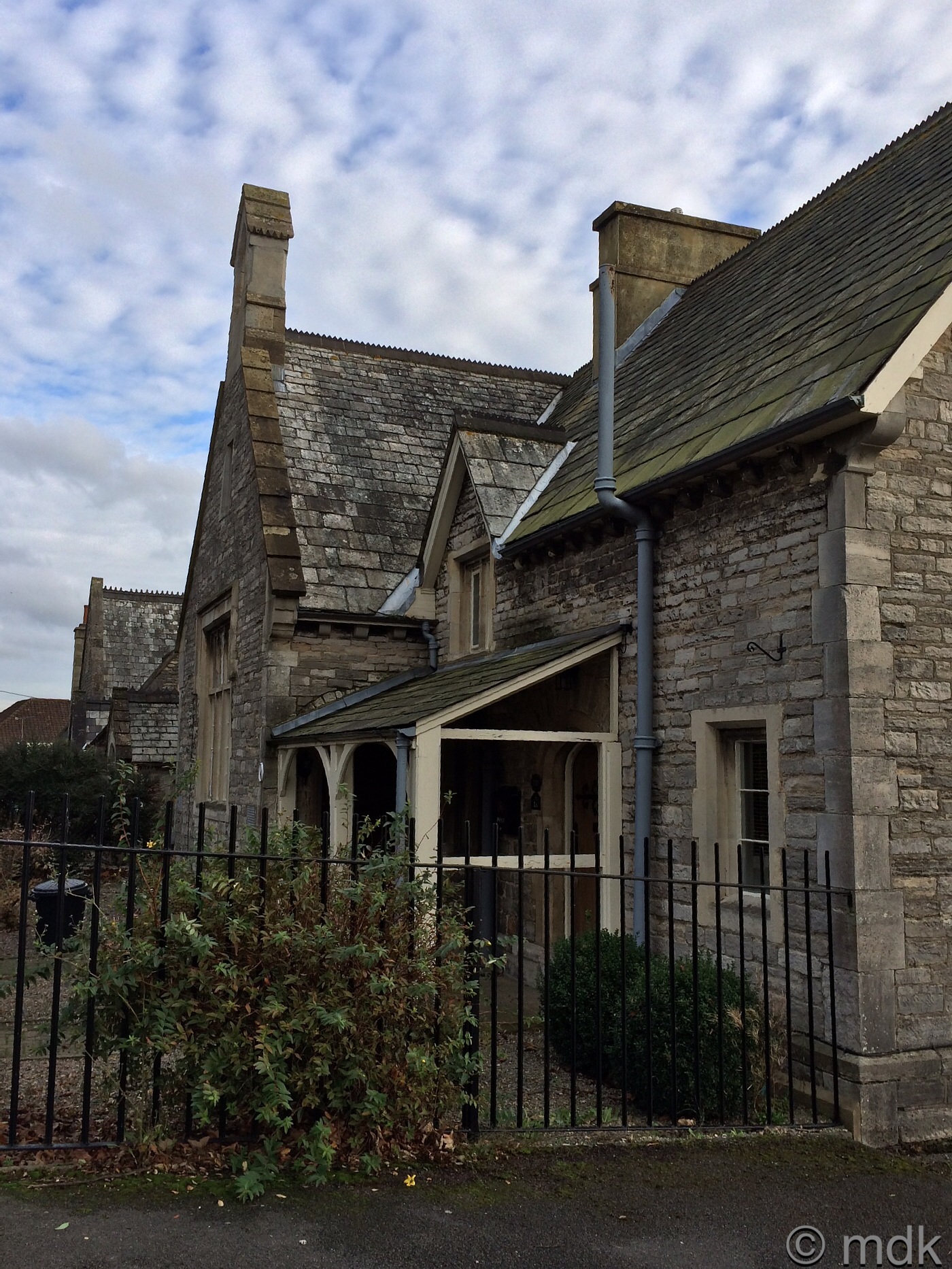

For such a small area it’s certainly bursting with history and some lovely old buildings. Two hours later, when I’d finished my gardening, tidied up the mess and stowed my folding secateurs back into my bag, I did the whole walk again in reverse. It may not have been the longest walk in the history of the world but it didn’t rain and every mile is a mile nearer to my hundred miles a month goal.
I love old country churches and school house doors too.
Best wishes to you as you pursue your one-hundred-mile-a-month goal, Marie.
I think I will be ok for the hundred miles this month thanks to my week off work.
An interesting post with good illustrative photographs. I particularly enjoyed the wry humour of the poem. Where did you find it?
The poem was one I half remembered from my childhood. I had to Google it to make sure I got it right though.
The school / boarding house looks like it has very thick walls. I wonder how warm it is living in a stone house. I’d love to try it sometime.
I should think it would be quite warm as long as it was well draught proofed.
The school is a pretty building.
It is. Because it’s hidden in the road behind the church I didn’t even know it existed until Commando took me there. He lived nearby as a child so he knows the area well.
I definitely have house envy for that stone school house!
Wouldn’t it be wonderful to live somewhere like that?